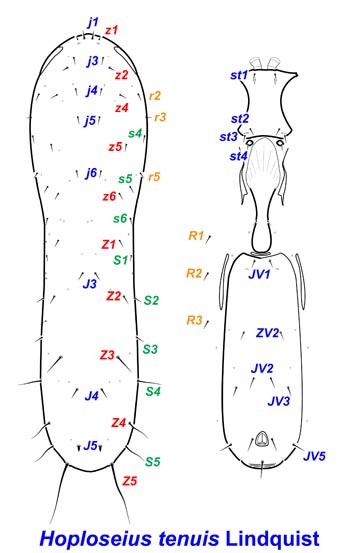
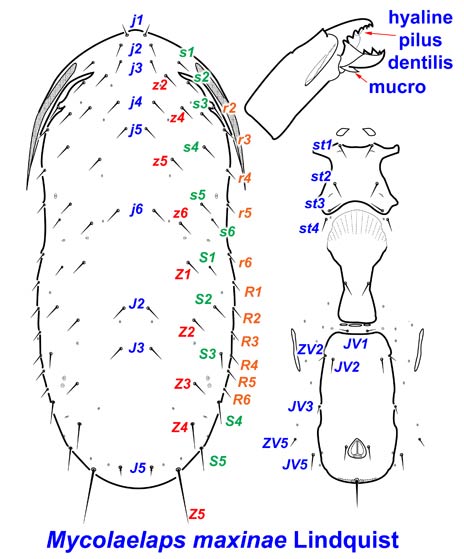
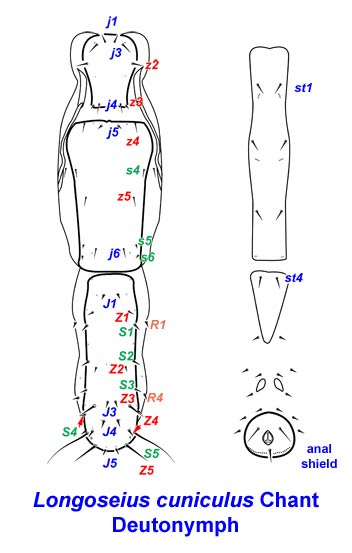
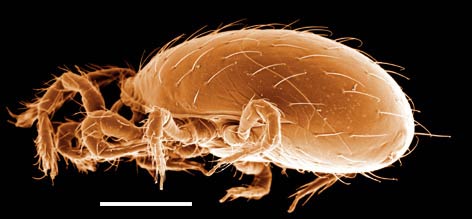
Most Monogynaspida have oval to subrectangular idiosomalidiosomal:
(idiosomatic) adjectival form of idiosoma.
outlines and the width of the bodybody:
the idiosoma of mites.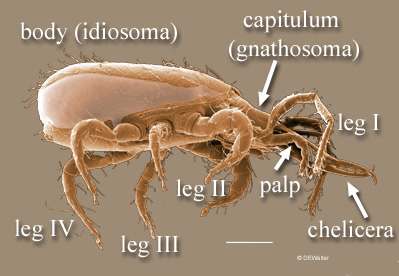 at the widest point (typically at the level of setae r2–3) is one-half or more of the idiosomalidiosomal:
(idiosomatic) adjectival form of idiosoma.
length (this does not include the length of the capitulumgnathosoma:
(= capitulum) the anteriormost part of a mite or ricinuleid, composed of the cheliceral and pedipalpal segments and separated from the body (idiosoma) by a ring of soft cuticle.
).
A few unrelated taxa, however, have adapted to living in long, narrow spaces and have very long and narrow bodies, especially Hoploseius tenuis, Mycolaelaps maxinae, and Longoseius cuniculus. Additionally, many of the small soil-inhabiting Rhodacaridae and similar forms in the Ascidae have relatively elongate bodies, although mostly their lengths are only slightly more than twice their widths.
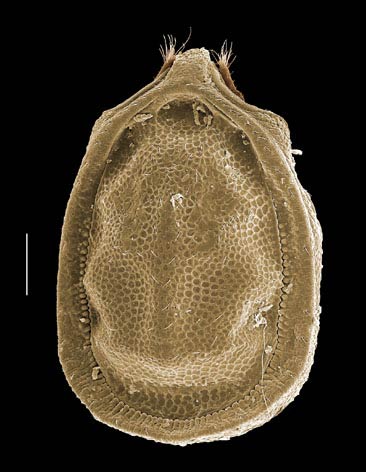
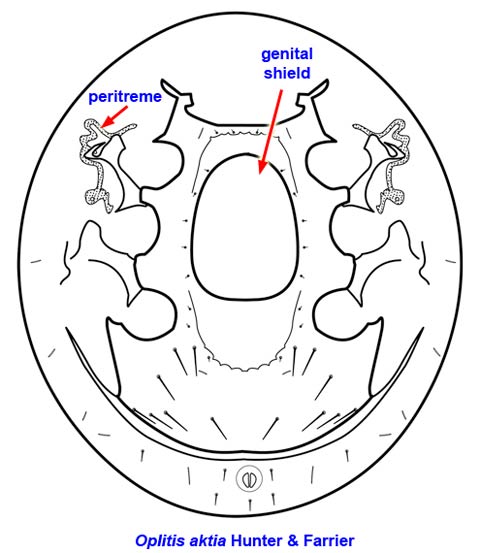
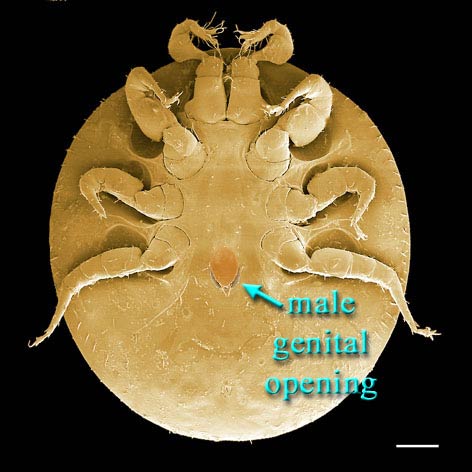
Many Uropodoidea and a few other monogynaspids (e.g., some ologamasids) are oval, fully armored, and resemble minute plant seeds. A few of these, especially the genus Opilitis, have an almost perfectly circular outline.
Author: David E. Walter
Content last updated Sept. 2006, unless indicated otherwise
Lucid key player updated Sept. 2025
idtools.org