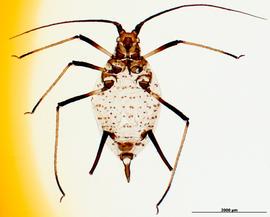
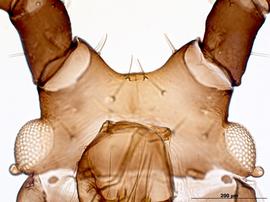
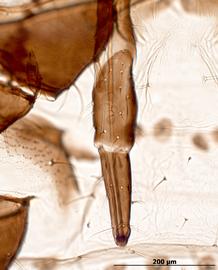
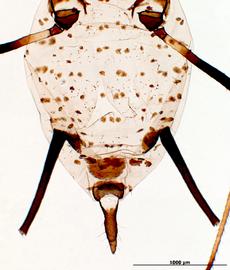
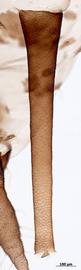
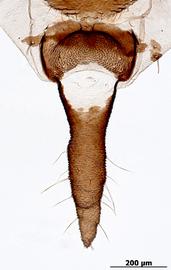
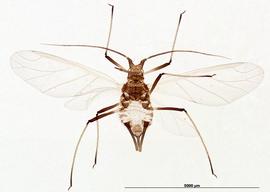
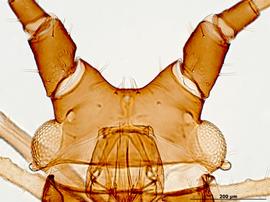
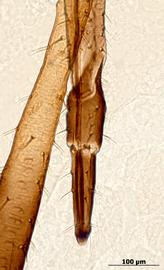
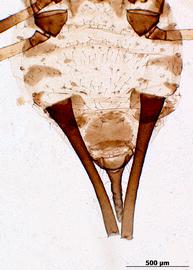
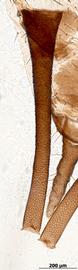
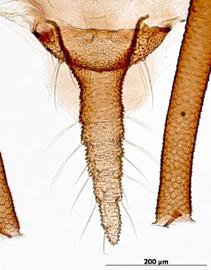
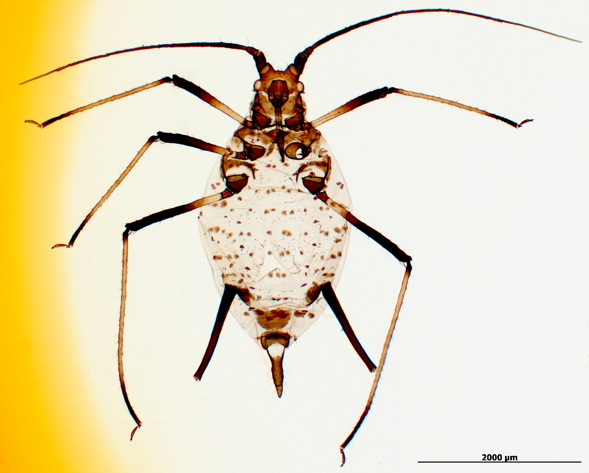
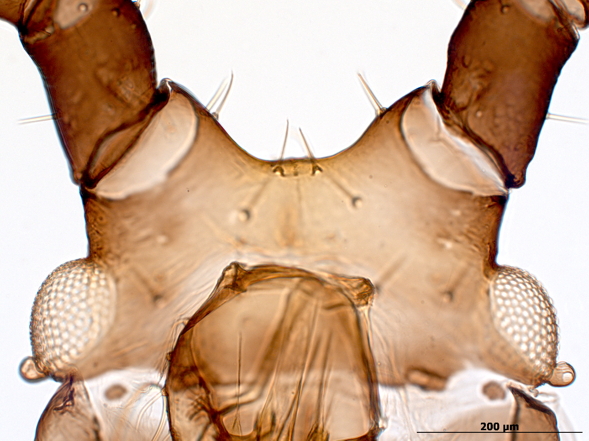
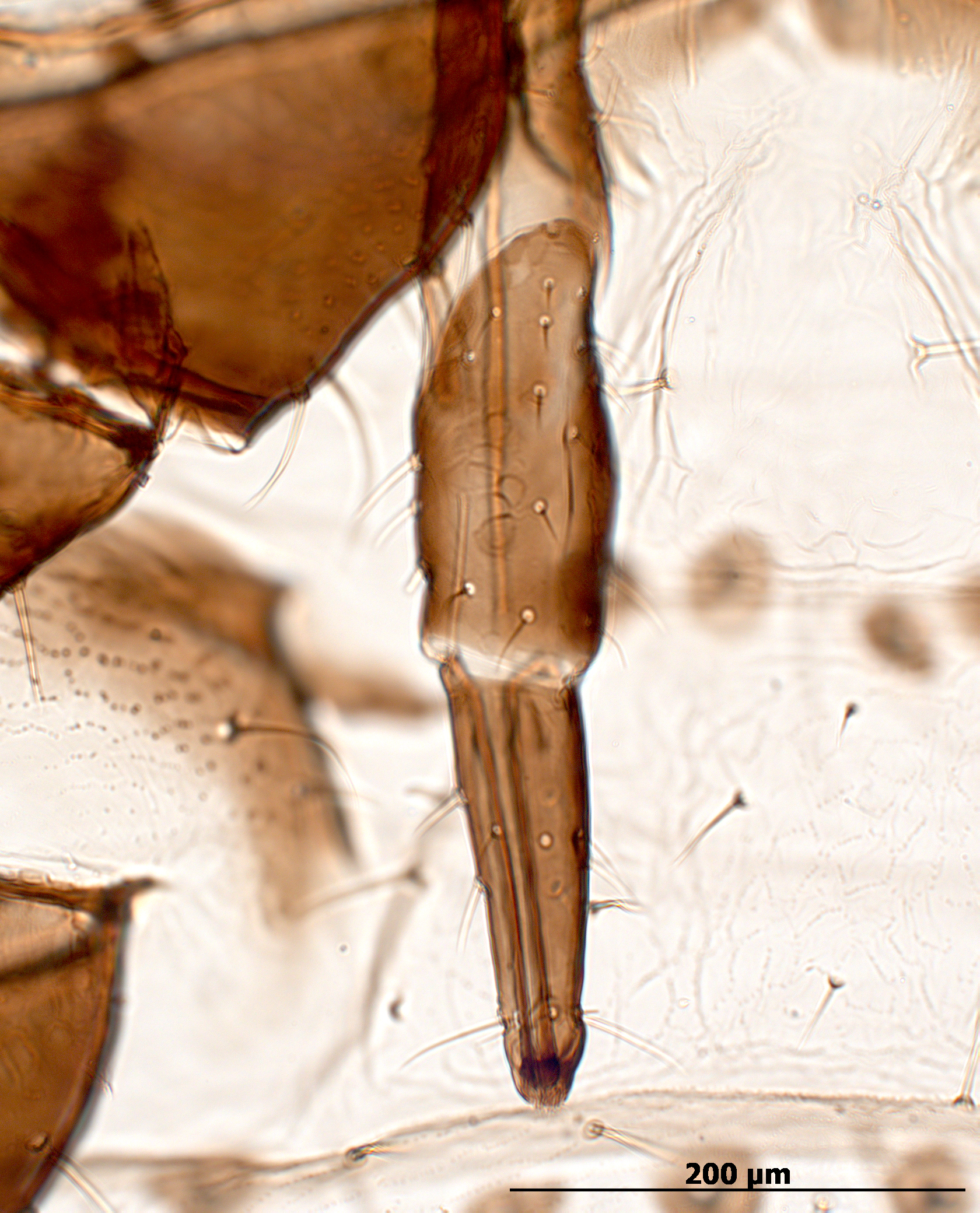
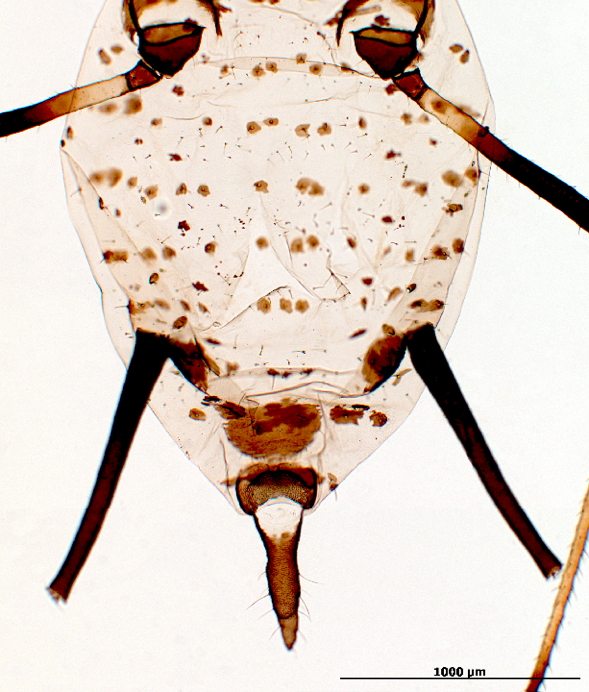
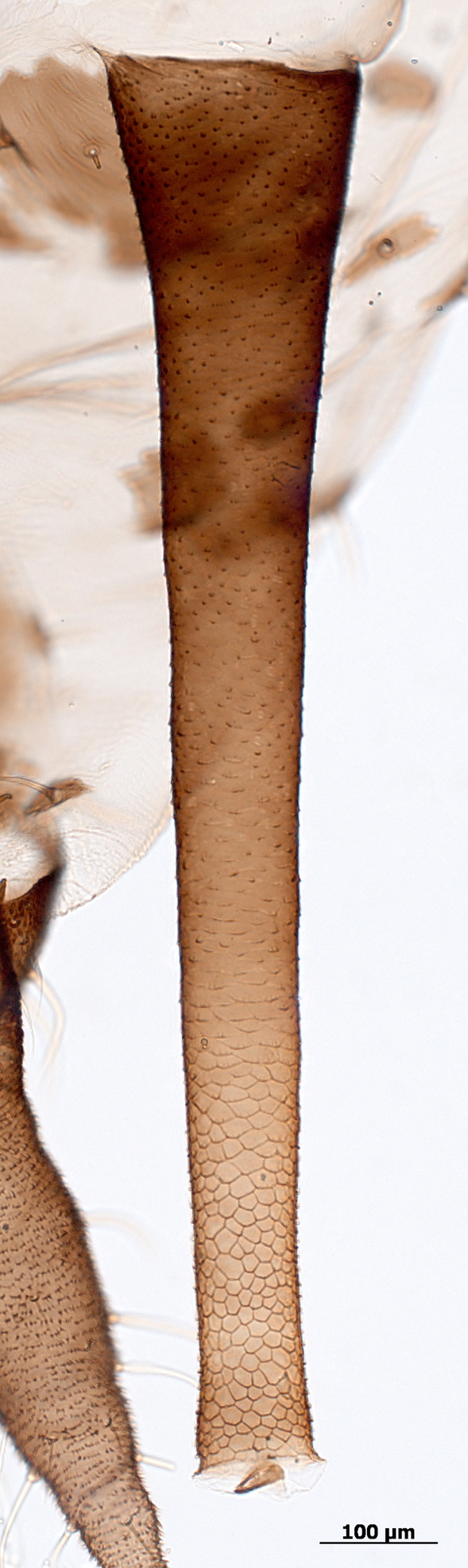
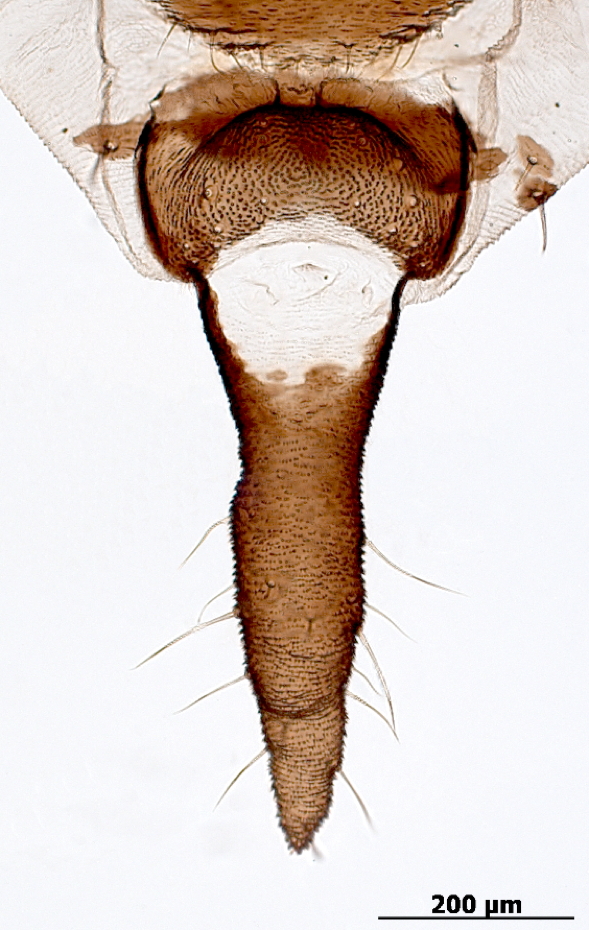
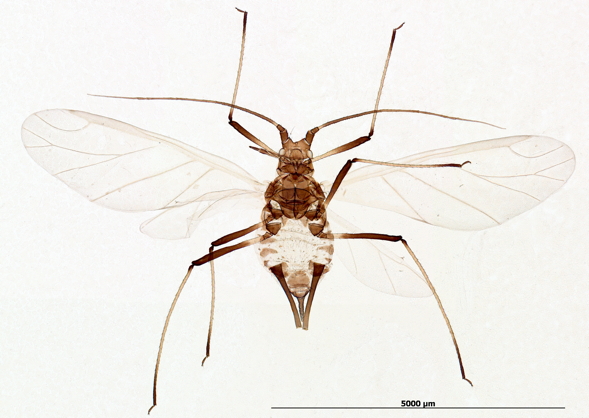
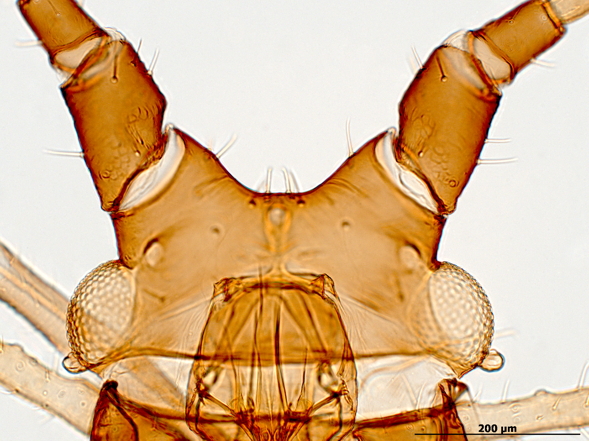
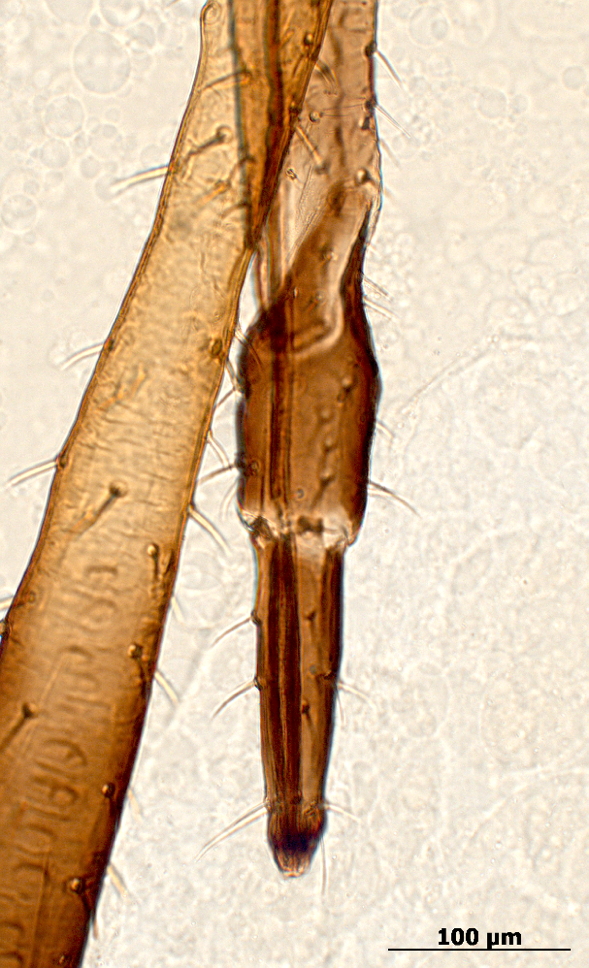
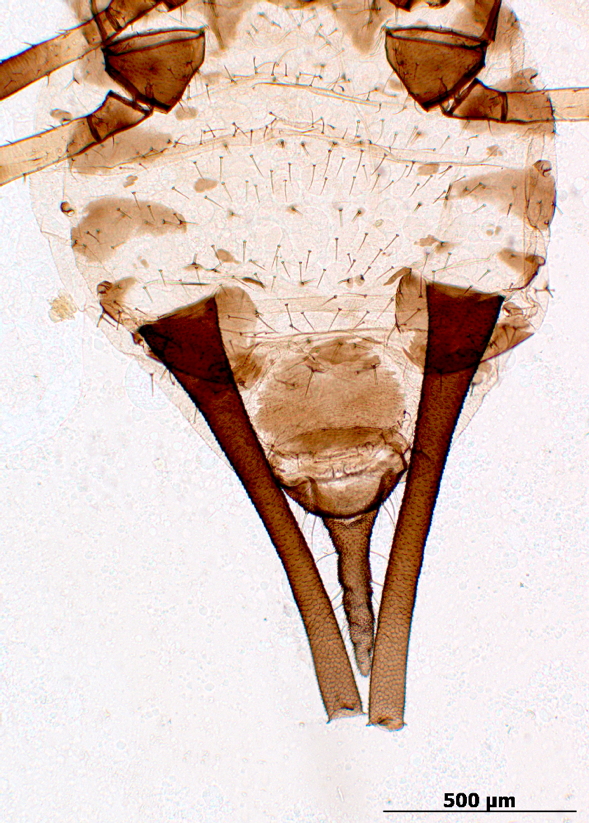
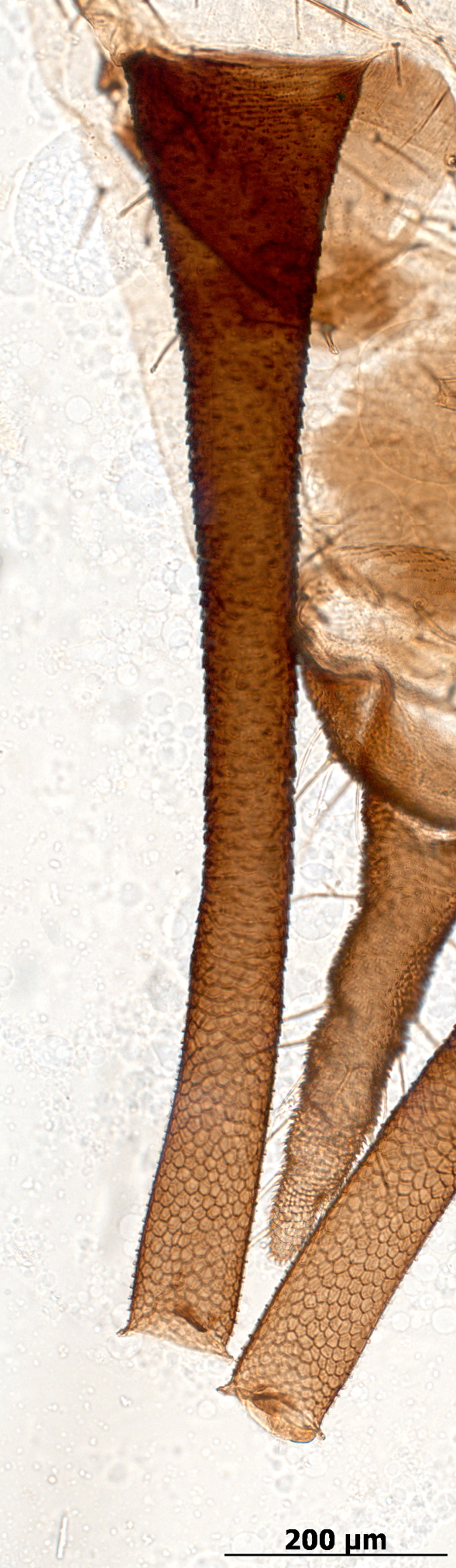
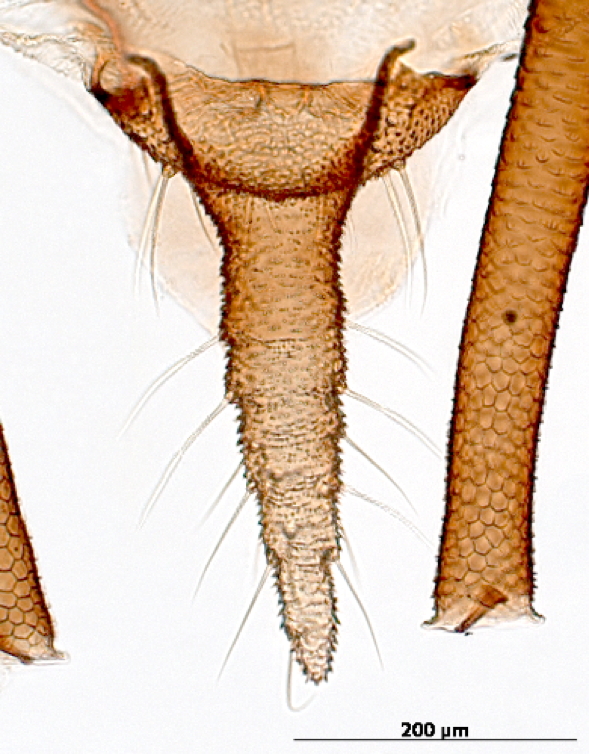
A broadly distributed composite specialist.
None recognized.
This aphid is found in the greater Mediterranean region, Africa, the Indian subcontinent, Taiwan, and South America.
It has a narrow host range feeding on many species of Asteraceae but is known to feed on Malva (Malvaceae) and passionfruit (Passifloraceae).
It is particularly important on safflower and other composites that are important in the pharmaceutical industry (Carthamus and Senecio). It has been implicated in the transmission of at least two plant virus.
See also. Taxonomy at Aphid Species File; Aphids on the World's Plants.
Blackman, R.L. and V.F. Eastop. 1994. Aphids on the World’s Trees. CAB International with The Natural History Museum, London. viii + 987 pages, 135 figures, 16 plates.
Blackman, R.L. and V.F. Eastop. 2000. Aphids on the World’s Crops, Second Edition. John Wiley & Sons with the Natural History Museum, London. x + 466 pages, 58 figures, 51 plates.
Blackman, R.L. and V.F. Eastop. 2006. Aphids on the World’s Herbaceous Plants and Shrubs. Volume 2 The Aphids. John Wiley & Sons with the Natural History Museum, London. viii + pages 1025–1439.
Holman, J. 2009. Host Plant Catalog of Aphids, Palaearctic Region. Springer Science and Business Mediamedia:
Basal stalk, arising near the base of the pterostigma of the forewing, from which produces 2—3 branches extending to the wing margin. The distal crossvein of the hindwing.
B.V. 1216 pp.
Uroleucon compositae (Theobald, 1915)
Authors: Favret and Miller
Content updated March 2014; nomenclature updated February 2026
idtools.org