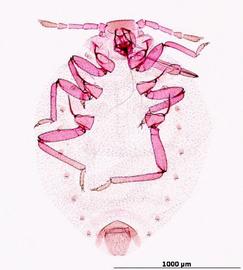
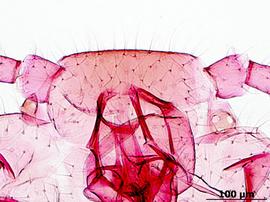
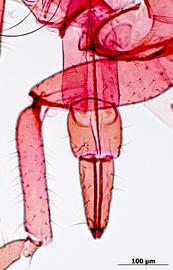
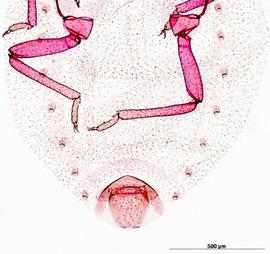
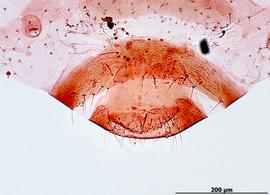
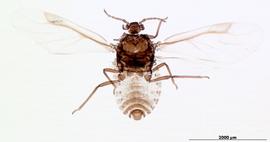
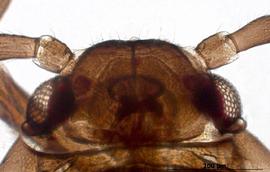
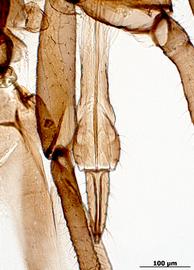
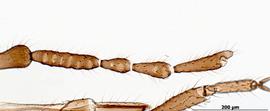
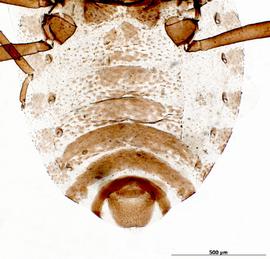
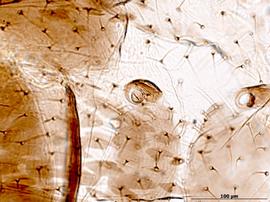
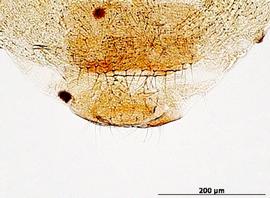
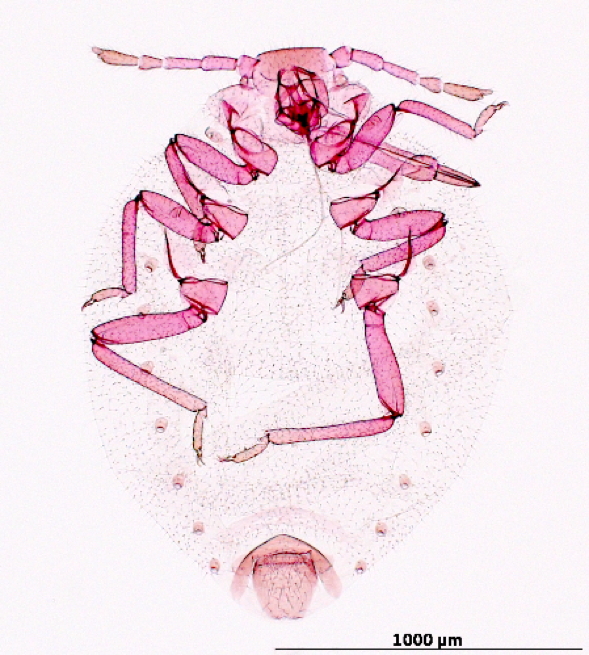
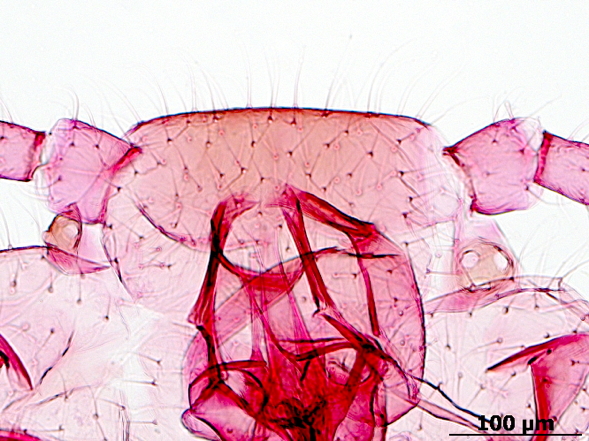
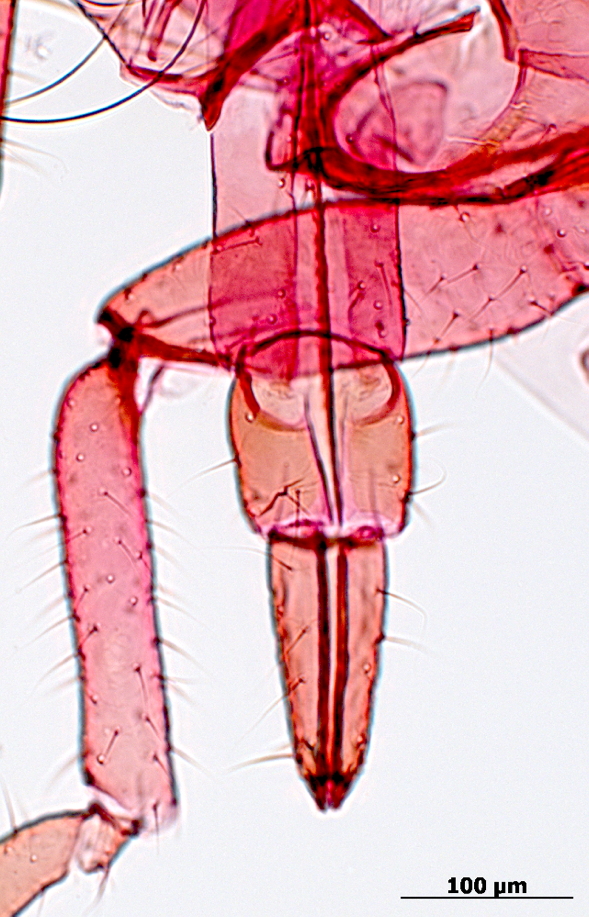
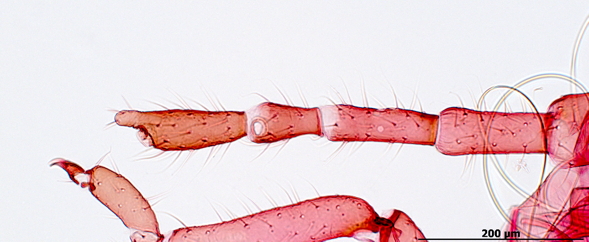
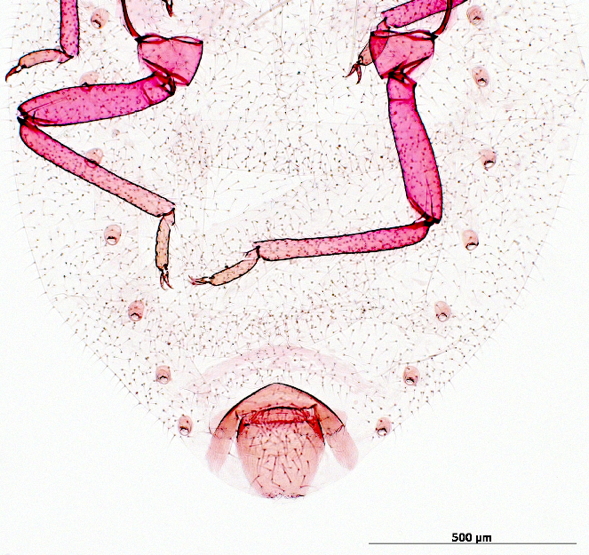
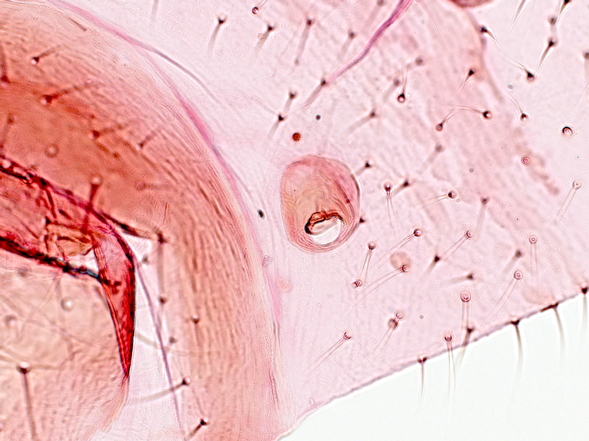
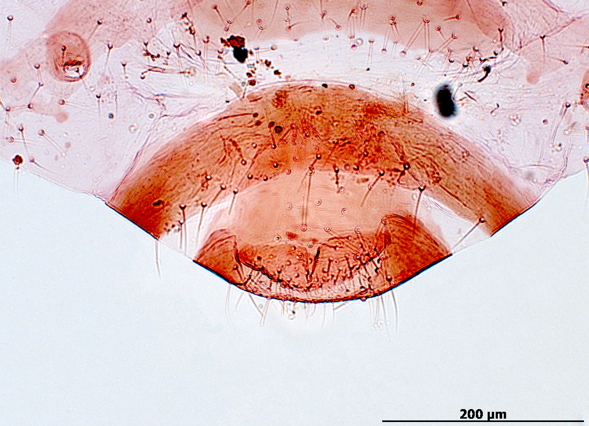
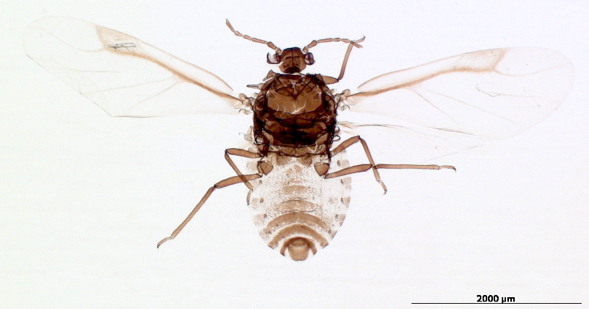
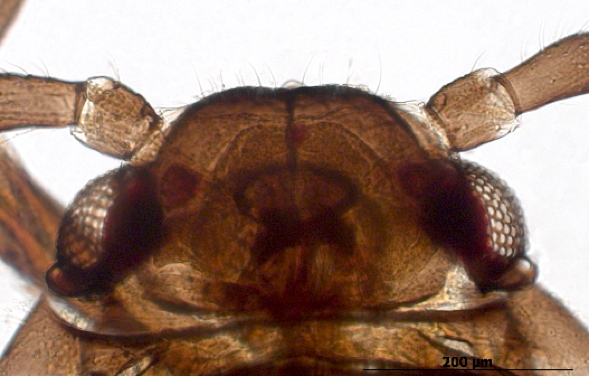
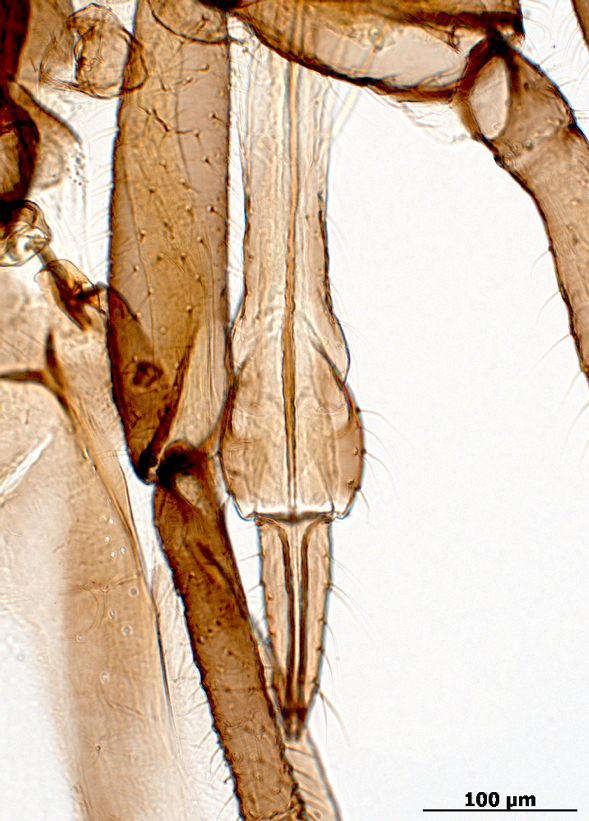
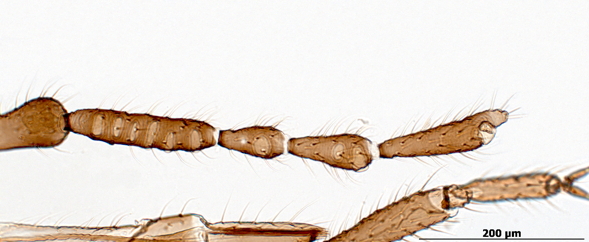
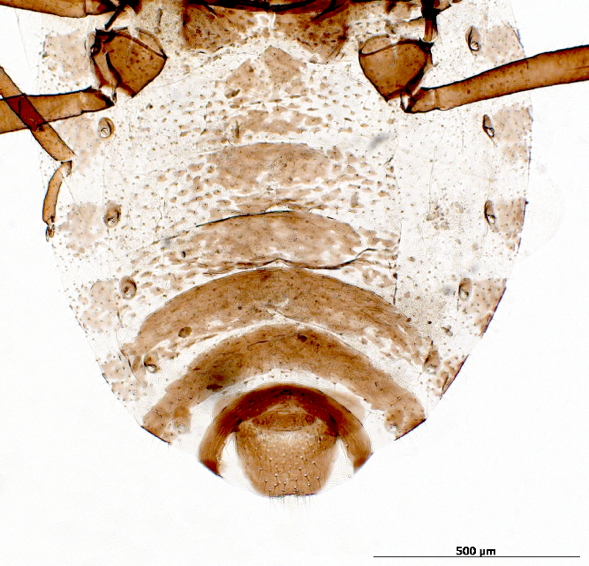
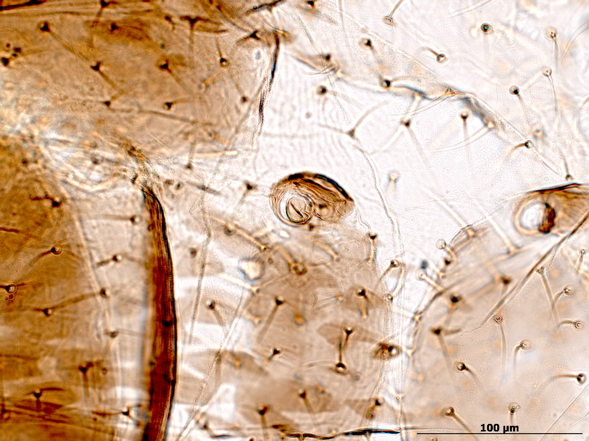
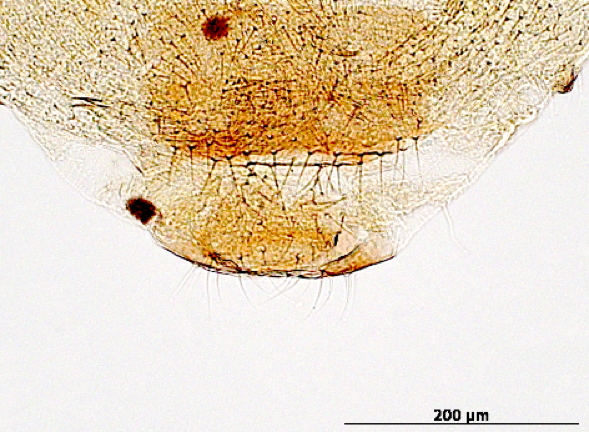
A cosmopolitan aphid that feeds on a variety of plant species.
Bean root aphid.
This aphid is globally distributed, located in all but the coldest terrestrial habitats.
It has a relatively broad host range, having been recorded from species of at least 35 plant families.
It is particularly important on pistachio, potato, tomato, beets, and crucifers, but it also attacks other crops such as alfalfa, beans, and cotton. It has not been implicated in the transmission of any plant virus.
See also. Taxonomy at Aphid Species File; Aphids on the World's Plants.
Blackman, R.L. and V.F. Eastop. 1994. Aphids on the World’s Trees. CAB International with The Natural History Museum, London. viii + 987 pages, 135 figures, 16 plates.
Blackman, R.L. and V.F. Eastop. 2000. Aphids on the World’s Crops, Second Edition. John Wiley & Sons with the Natural History Museum, London. x + 466 pages, 58 figures, 51 plates.
Blackman, R.L. and V.F. Eastop. 2006. Aphids on the World’s Herbaceous Plants and Shrubs. Volume 2 The Aphids. John Wiley & Sons with the Natural History Museum, London. viii + pages 1025–1439.
Holman, J. 2009. Host Plant Catalog of Aphids, Palaearctic Region. Springer Science and Business Mediamedia:
Basal stalk, arising near the base of the pterostigma of the forewing, from which produces 2—3 branches extending to the wing margin. The distal crossvein of the hindwing.
B.V. 1216 pp.
Smynthurodes betae Westwood, 1849
Authors: Favret and Miller
Content updated March 2014; nomenclature updated February 2026
idtools.org