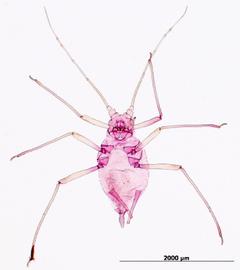
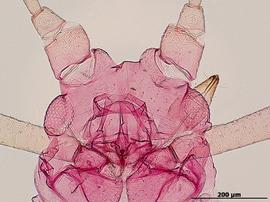
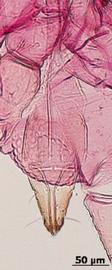
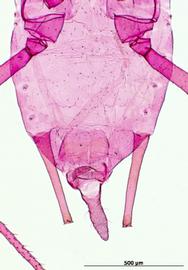
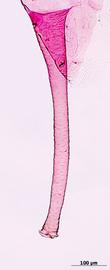
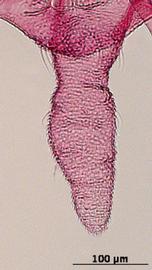
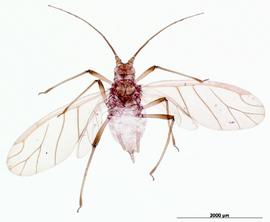
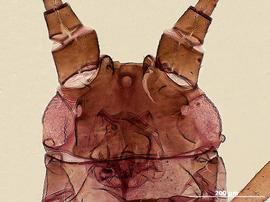
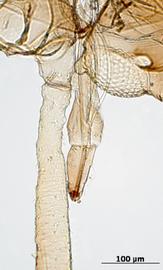
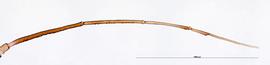
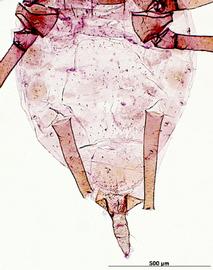
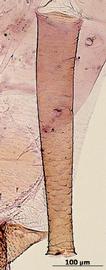
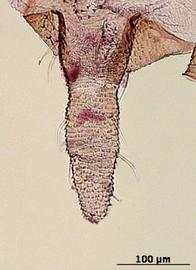
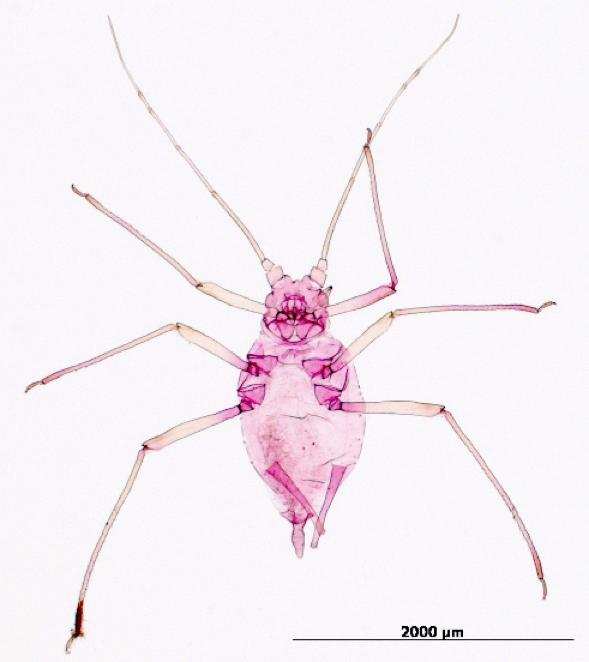
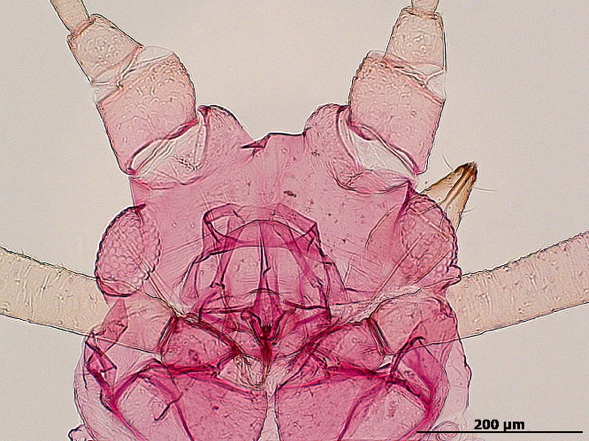
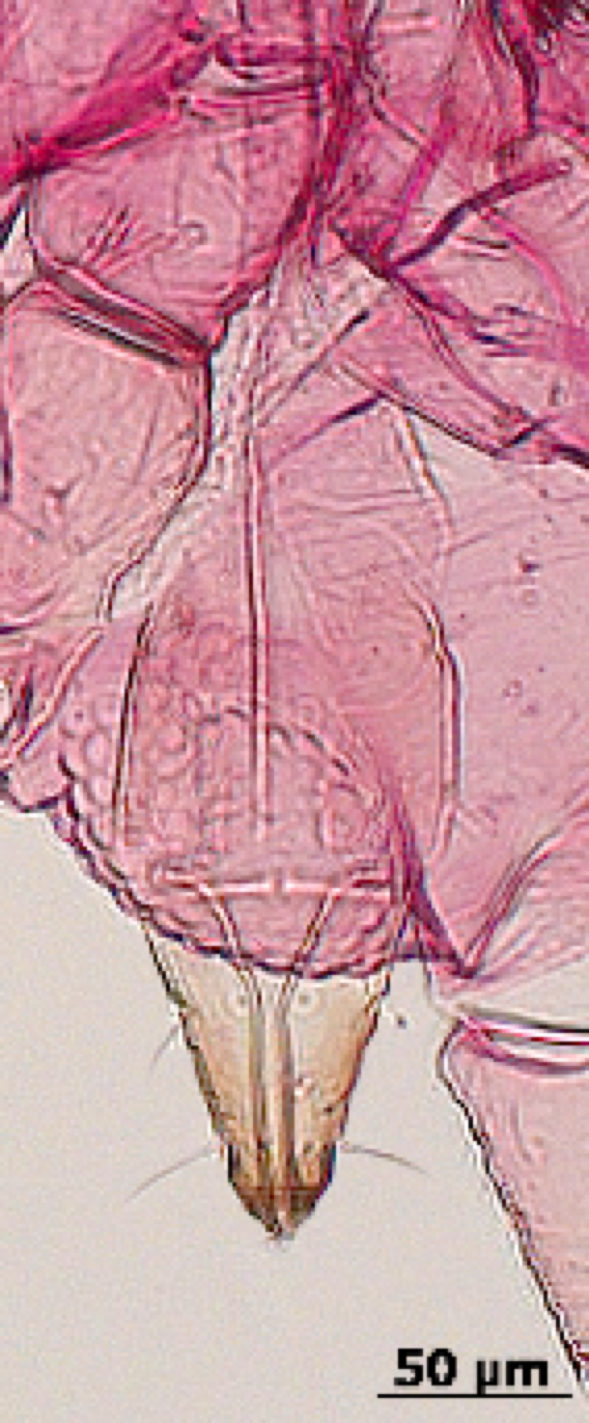
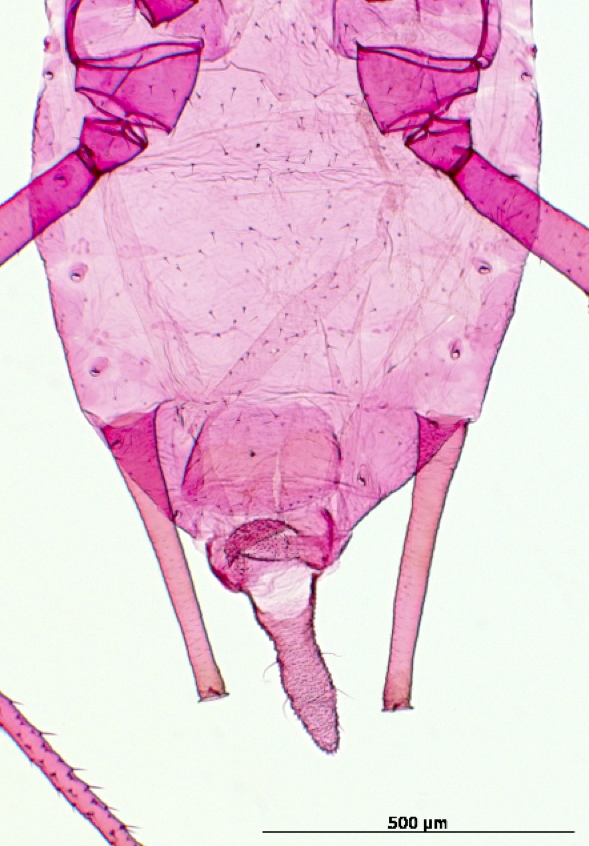
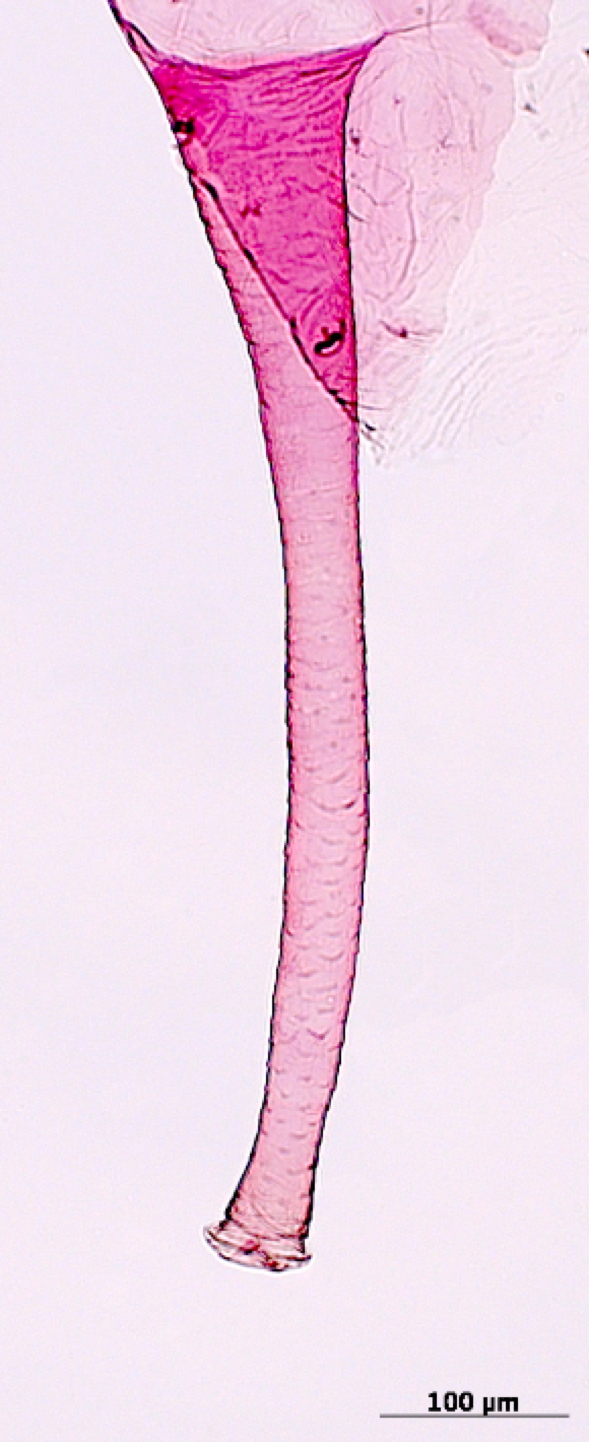
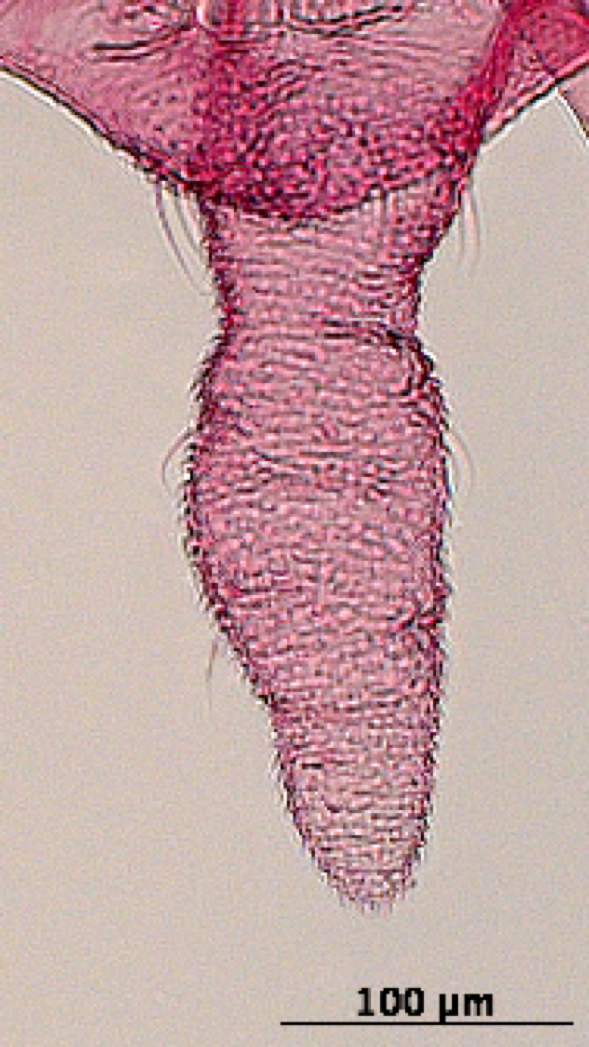
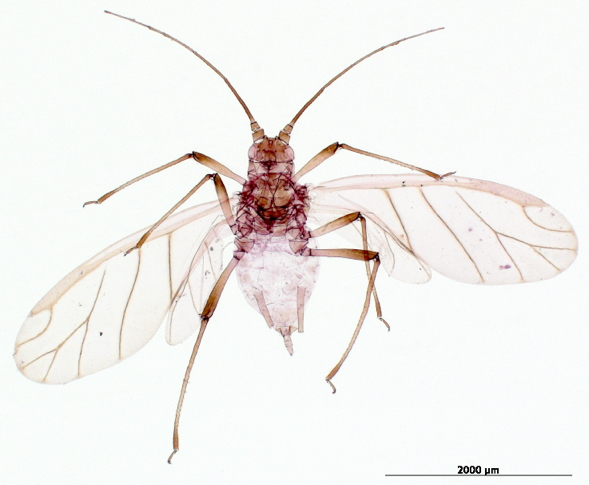
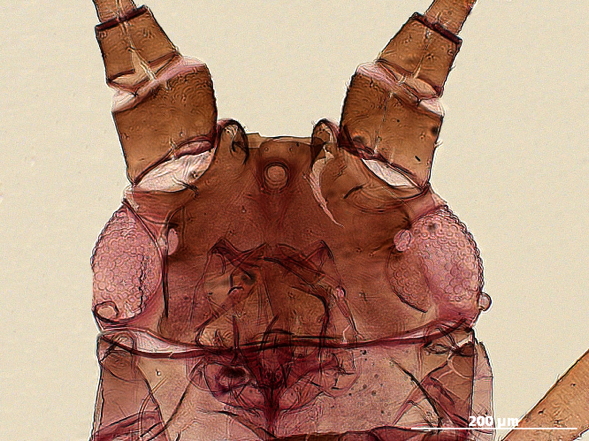
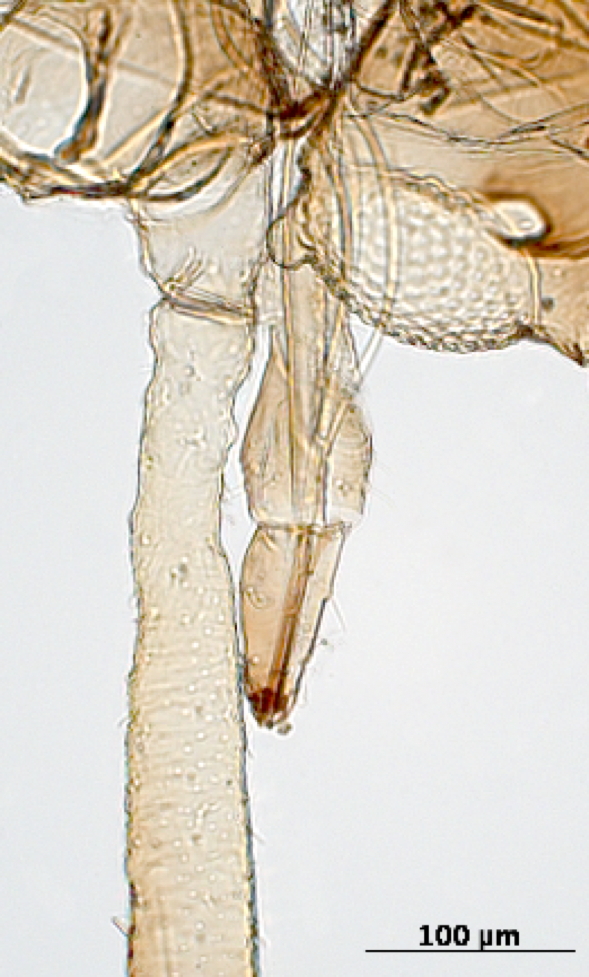
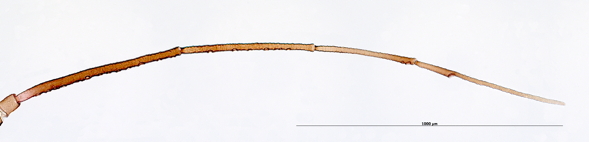
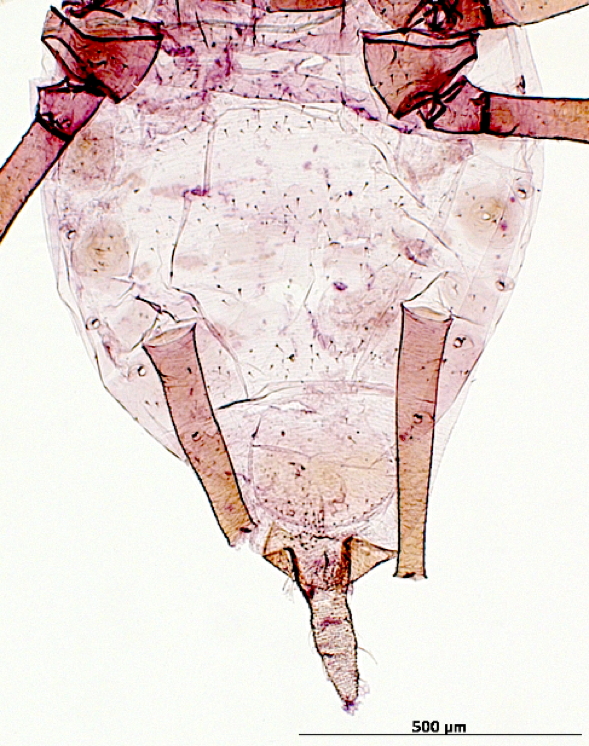
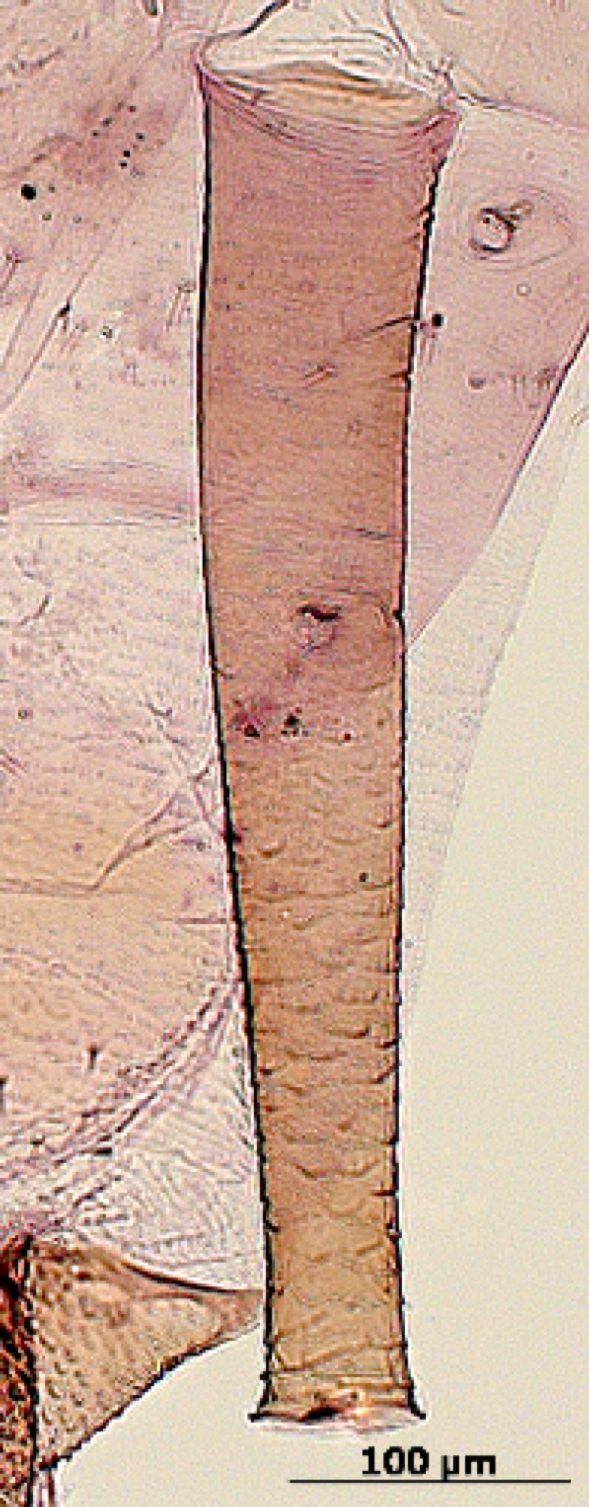
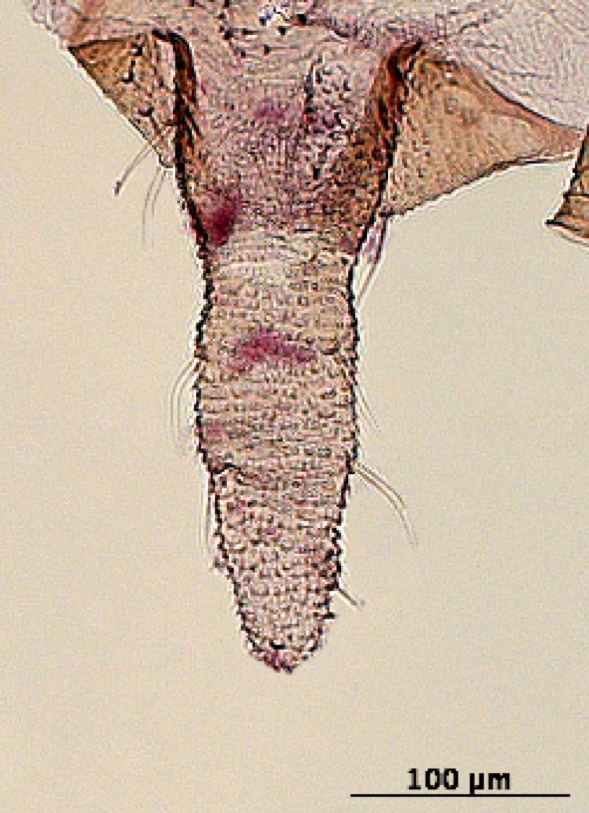
A widely distributed aphid with a preference to rosaceous plant species.
This aphid is globally distributed, located in all but the coldest terrestrial habitats.
It specializes on plant species in the Rosaceae. It also is know to feed on Lespedeza and Medicago (Fabaceae).
It is particularly important on cultivated and native varieties of Rosa and strawberry. It has been implicated in the transmission of at least three plant viruses.
See also. Taxonomy at Aphid Species File; Aphids on the World's Plants.
Blackman, R.L. and V.F. Eastop. 2000. Aphids on the World’s Crops, Second Edition. John Wiley & Sons with the Natural History Museum, London. x + 466 pages, 58 figures, 51 plates.
Blackman, R.L. and V.F. Eastop. 2006. Aphids on the World’s Herbaceous Plants and Shrubs. Volume 2 The Aphids. John Wiley & Sons with the Natural History Museum, London. viii + pages 1025–1439.
Chan, C.K., A.R. Forbes, and D.A. Raworth. 1991. Aphid-transmitted viruses and their vectors of the world. Agriculture Canada Technical Bulletin 1991–3E. 1–216 pp.
Holman, J. 2009. Host Plant Catalog of Aphids, Palaearctic Region. Springer Science and Business Media B.V. 1216 pp.
Voegtlin, D., W. Villalobos, M.V. Sanchez, G.Saborio, and C. Rivera. A Guide to the Winged Aphids of Costa Rica. 2003. International Journal of Tropical Biology and Conservation 51(Suppl. 2):xi + 228 pp.
Rhodobium porosum (Sanderson, 1900)
Authors: Favret and Miller
Content updated March 2014; nomenclature updated February 2026
idtools.org