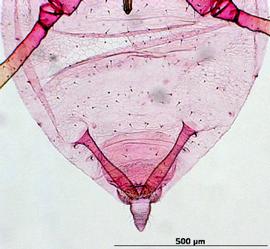
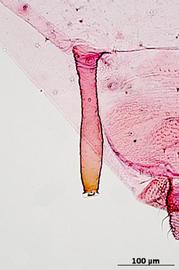
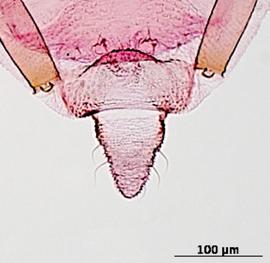
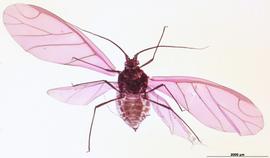
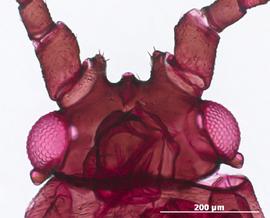
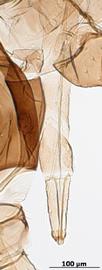
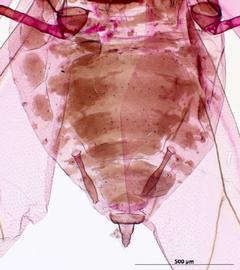
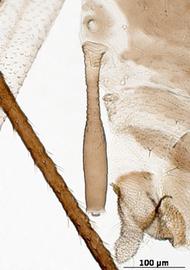
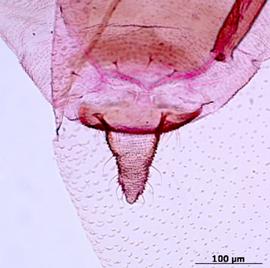
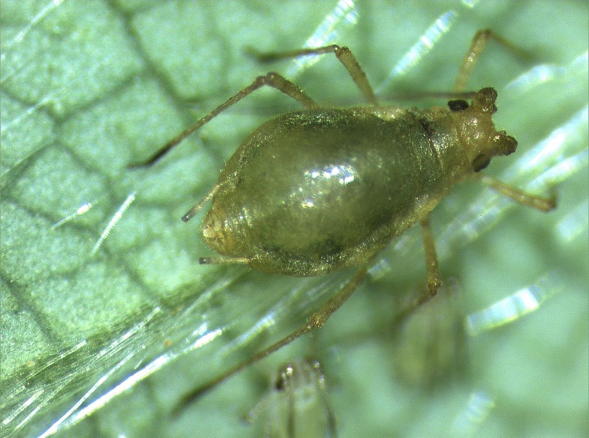
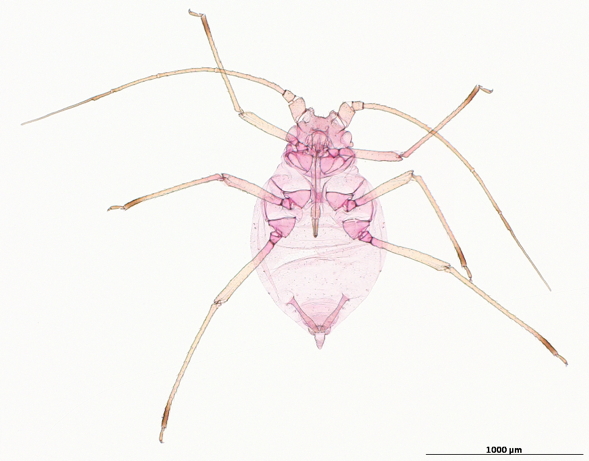
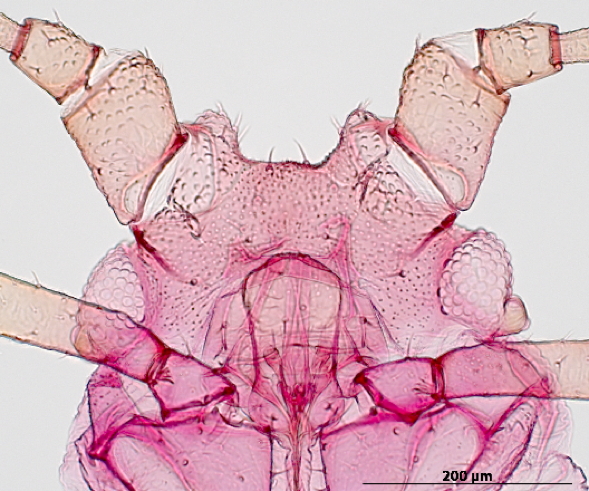
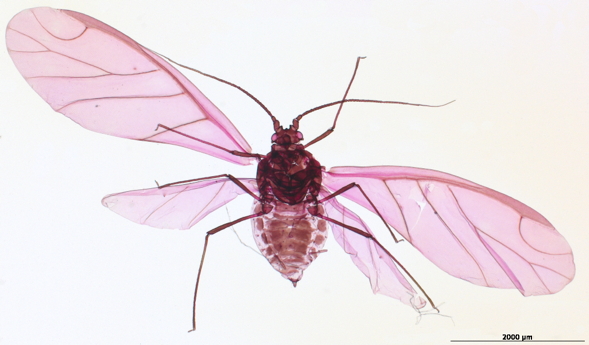
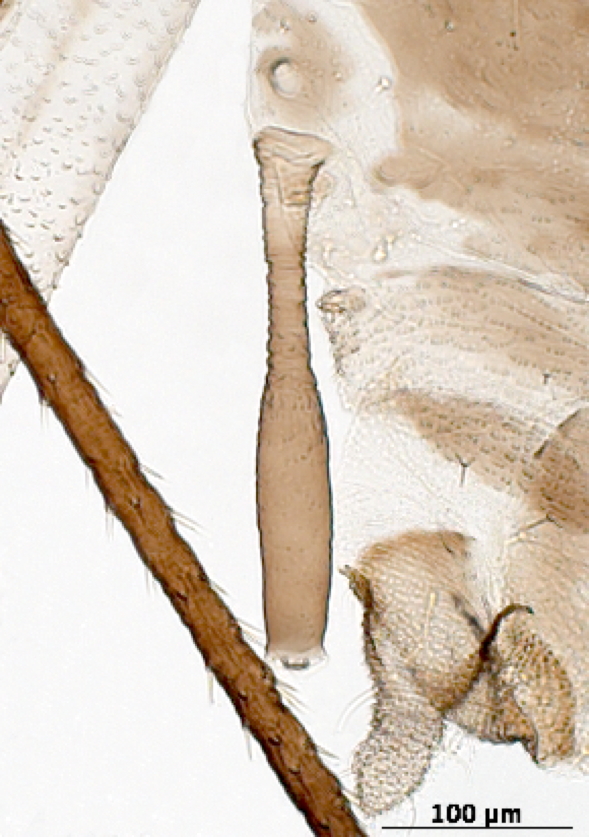
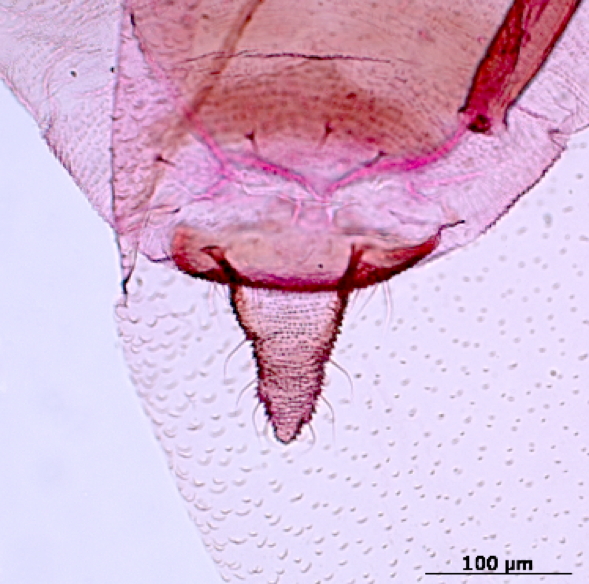
A highly polyphagous and cosmopolitan aphid species.
This aphid is globally distributed, located in all but the coldest terrestrial habitats.
It has one of the broadest host ranges of any aphid species, having been recorded from species of nearly 50 plant families.
It is particularly important on cucumber and pumpkin (Cucurbitaceae), cabbage, broccoli, cauliflower, turnip, and other Brassica species, but it also attacks a broad range of other crops such as strawberry, Chrysanthemum, Tulipa, and a variety of ornamentals. It has been implicated in the transmission of at least 16 plant viruses.
See also. Taxonomy at Aphid Species File; Aphids on the World's Plants.
Blackman, R.L. and V.F. Eastop. 2000. Aphids on the World’s Crops, Second Edition. John Wiley & Sons with the Natural History Museum, London. x + 466 pages, 58 figures, 51 plates.
Blackman, R.L. and V.F. Eastop. 2006. Aphids on the World’s Herbaceous Plants and Shrubs. Volume 2 The Aphids. John Wiley & Sons with the Natural History Museum, London. viii + pages 1025–1439.
Chan, C.K., A.R. Forbes, and D.A. Raworth. 1991. Aphid-transmitted viruses and their vectors of the world. Agriculture Canada Technical Bulletin 1991–3E. 1–216 pp.
Holman, J. 2009. Host Plant Catalog of Aphids, Palaearctic Region. Springer Science and Business Media B.V. 1216 pp.
Myzus ascalonicus Doncaster, 1946
|
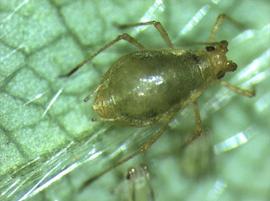
In life. © M. Gammelgaard Nielsen.
|
|
Authors: Favret and Miller
Content updated March 2014; nomenclature updated February 2026
idtools.org