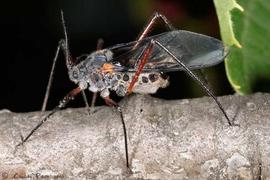
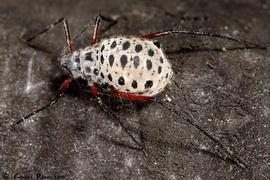
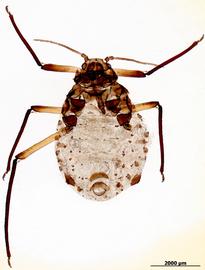
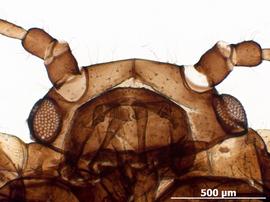
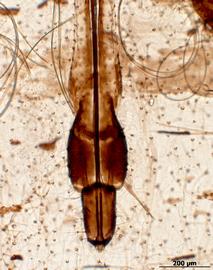
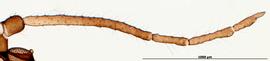
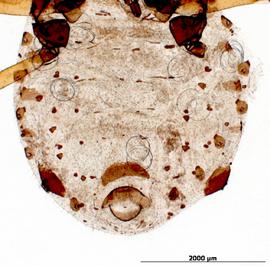
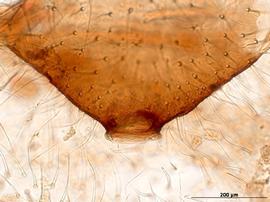
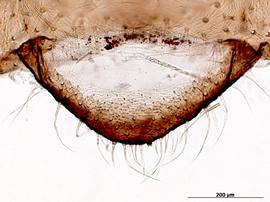
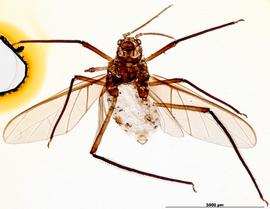
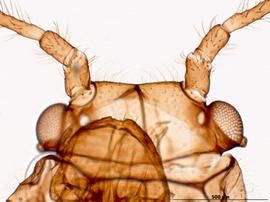
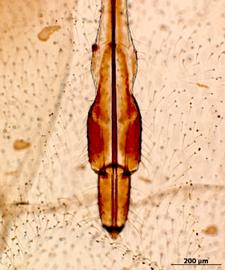
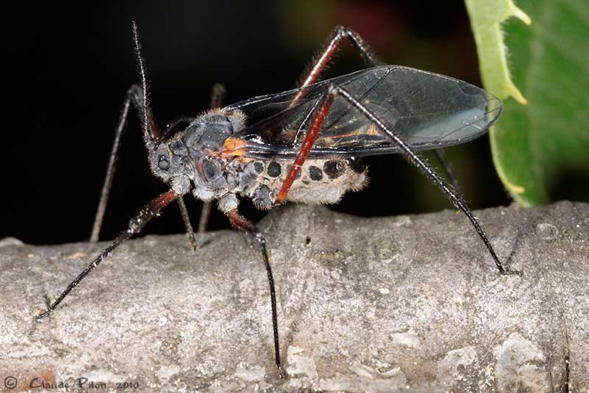
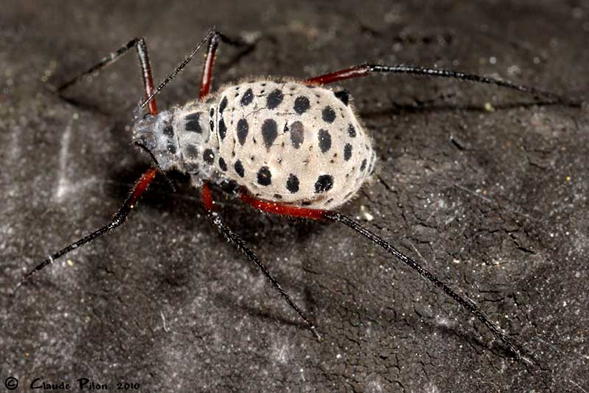
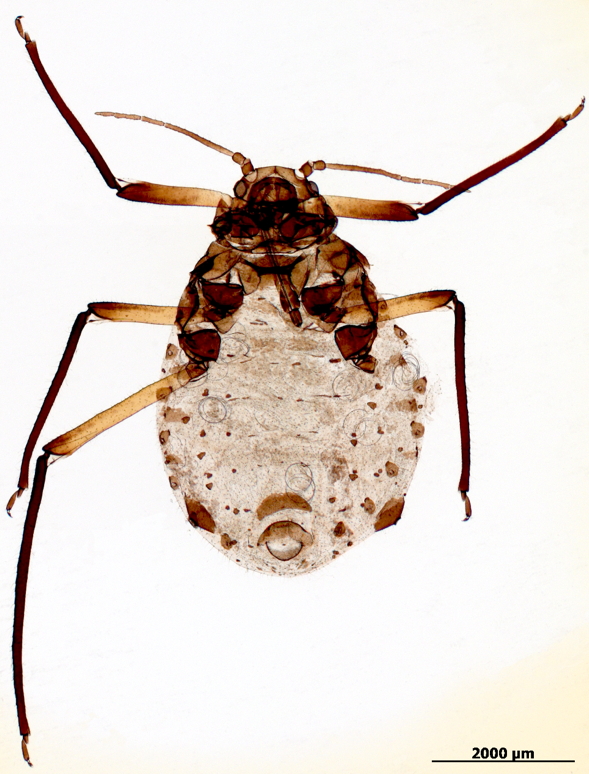
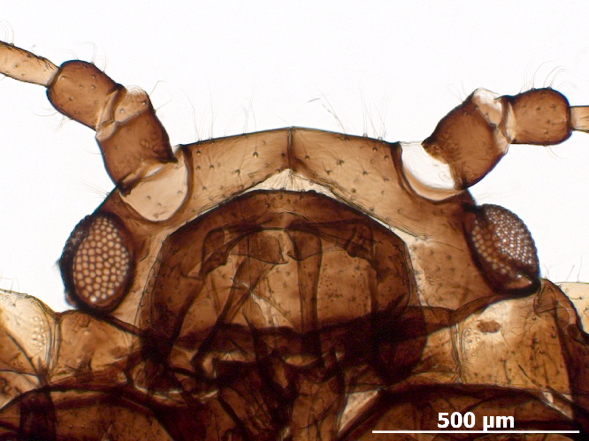
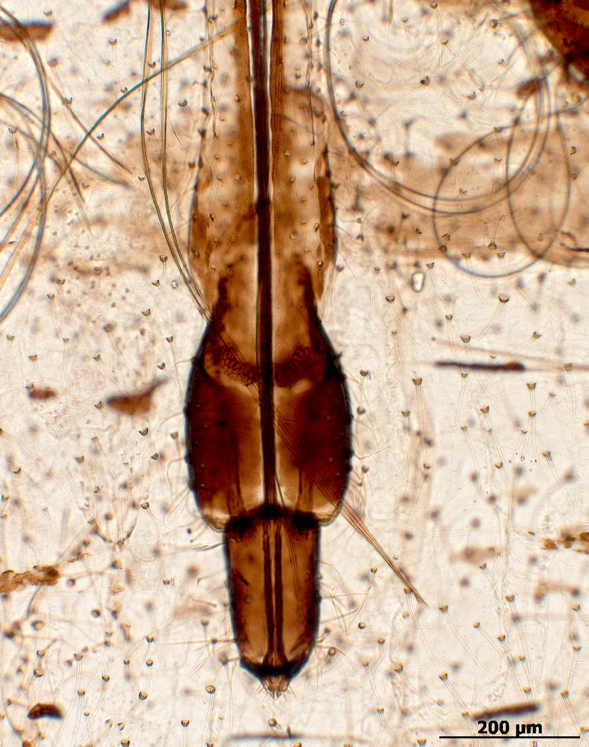
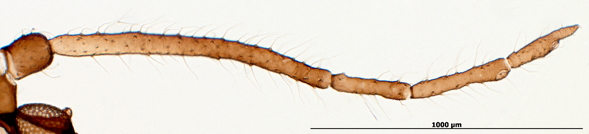
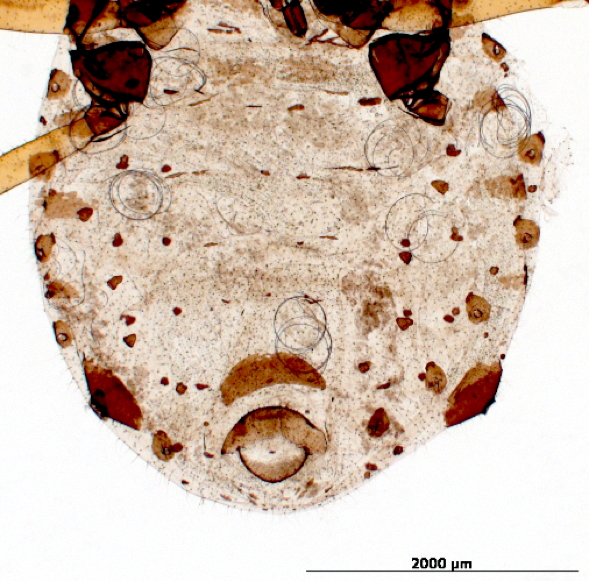
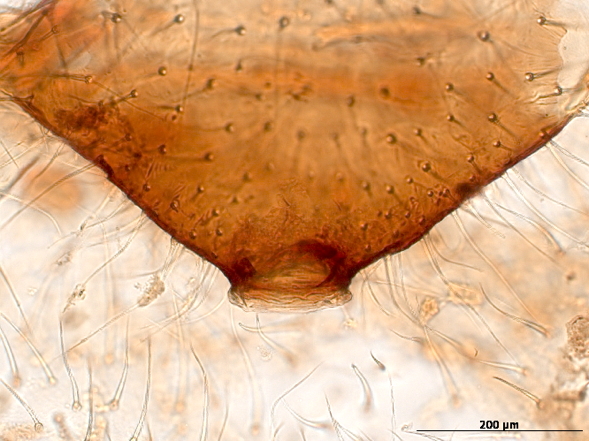
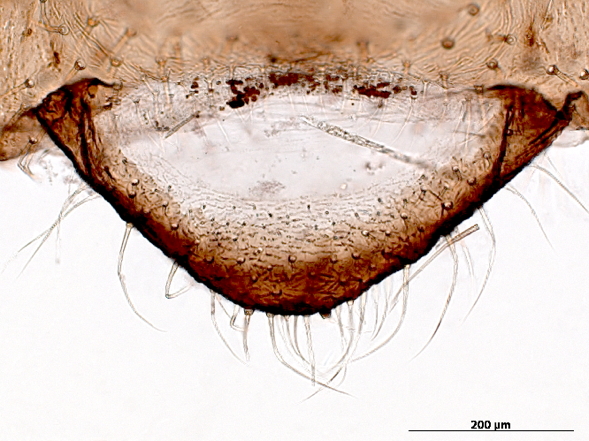
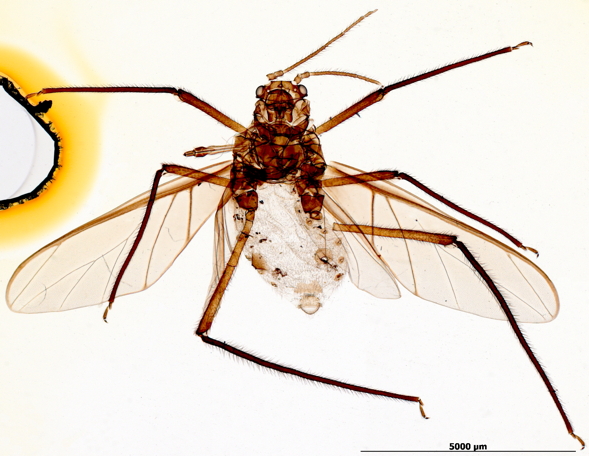
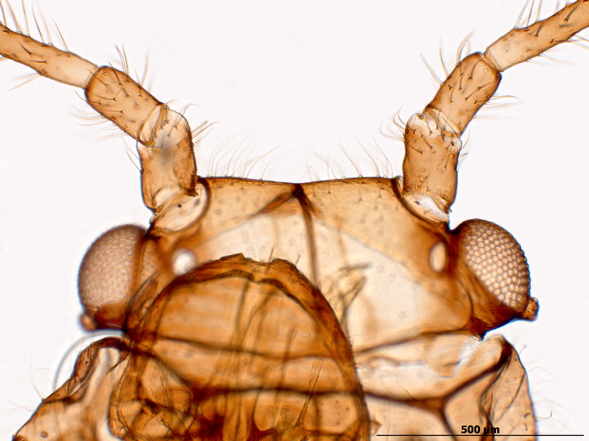
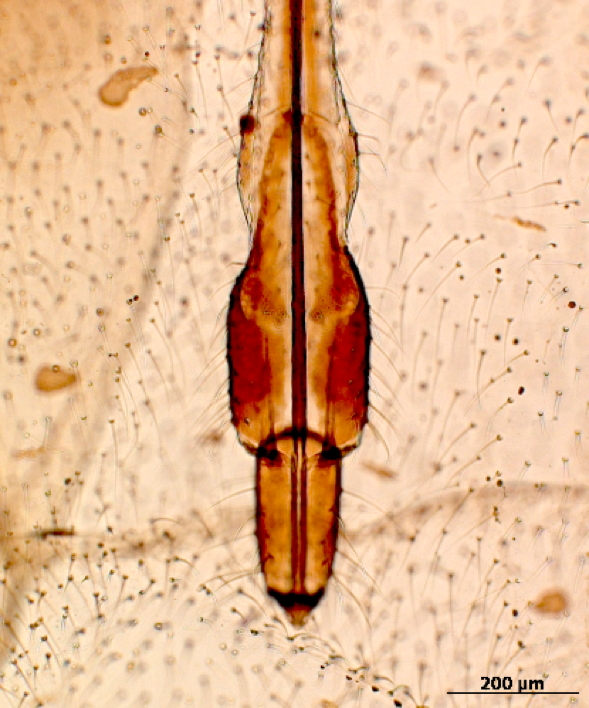
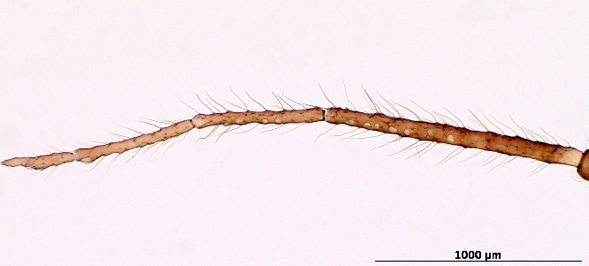
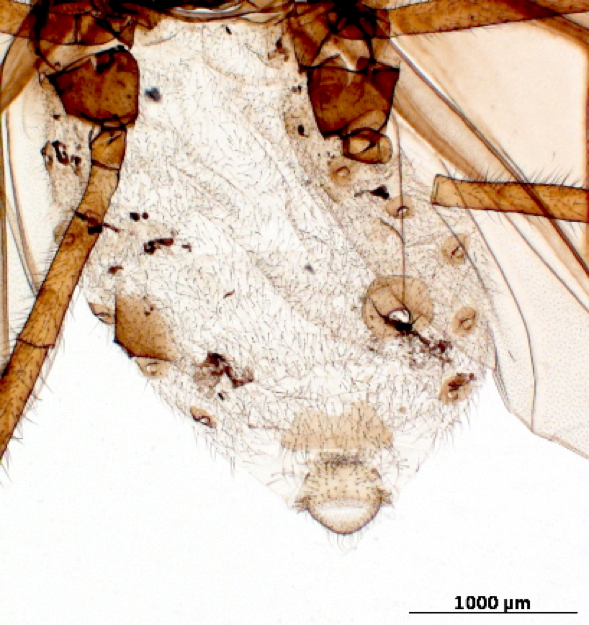
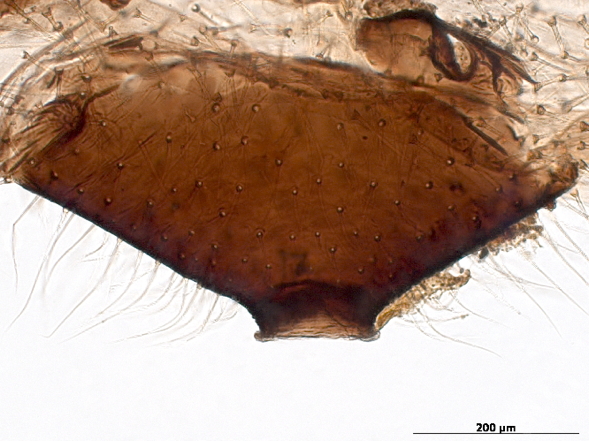
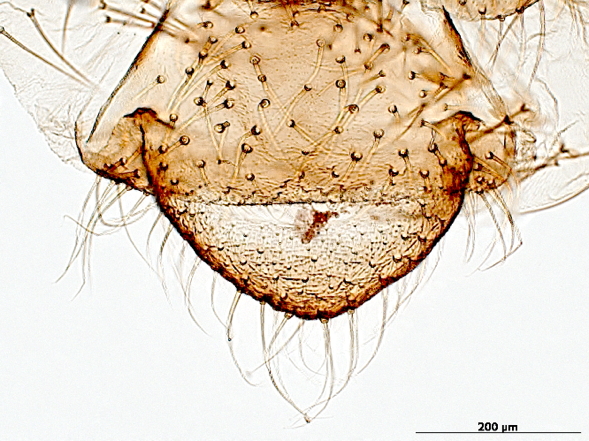
A North American aphid with a preference to various species of trees.
Giant bark aphid, Giant bark feeder.
This aphid is found in southern Canada and throughout the United States, except in the northwest.
It has a moderate host range, having been recorded from species of over 16 plant families.
It is particularly important on tree species that include, hickory and walnut (Juglandaceae), chestnut and oak (Fagaceae), pear (Rosaceae), but it also attacks a broad range of other tree species such as basswood, elm, maple, sycamore, and willow. It has not been implicated in the transmission of any plant virus.
See also. Taxonomy at Aphid Species File; Aphids on the World's Plants.
Blackman, R.L. and V.F. Eastop. 1994. Aphids on the World’s Trees. CAB International with The Natural History Museum, London. viii + 987 pages, 135 figures, 16 plates.
Blackman, R.L. and V.F. Eastop. 2000. Aphids on the World’s Crops, Second Edition. John Wiley & Sons with the Natural History Museum, London. x + 466 pages, 58 figures, 51 plates.
Longistigma caryae (Harris, 1841)
|
In life. © C. Pilon 2011.
|
In life. © C. Pilon 2011.
|
Authors: Favret and Miller
Content updated March 2014; nomenclature updated February 2026
idtools.org