
The purpose of seed certification is to preserve genetic purity and varietal identity. It is an official AOSCAAOSCA:
The initials representing the Association of Seed Certification Agencies, a non-profit organization founded in 1919 (formally known as the International Crop Improvement Association) in an effort to establish credible standards for the production of high-quality seed. Today, AOSCA has member agencies across the U.S. as well as seven member countries including Canada, Chile, Argentina, Brazil, Australia, New Zealand, and South Africa.
-agency program enabling seed companies to market genetically pure seeds.
Certification services are available for field crops, turf grasses, vegetables, fruitsFruit:
A mature ovary and any associated parts.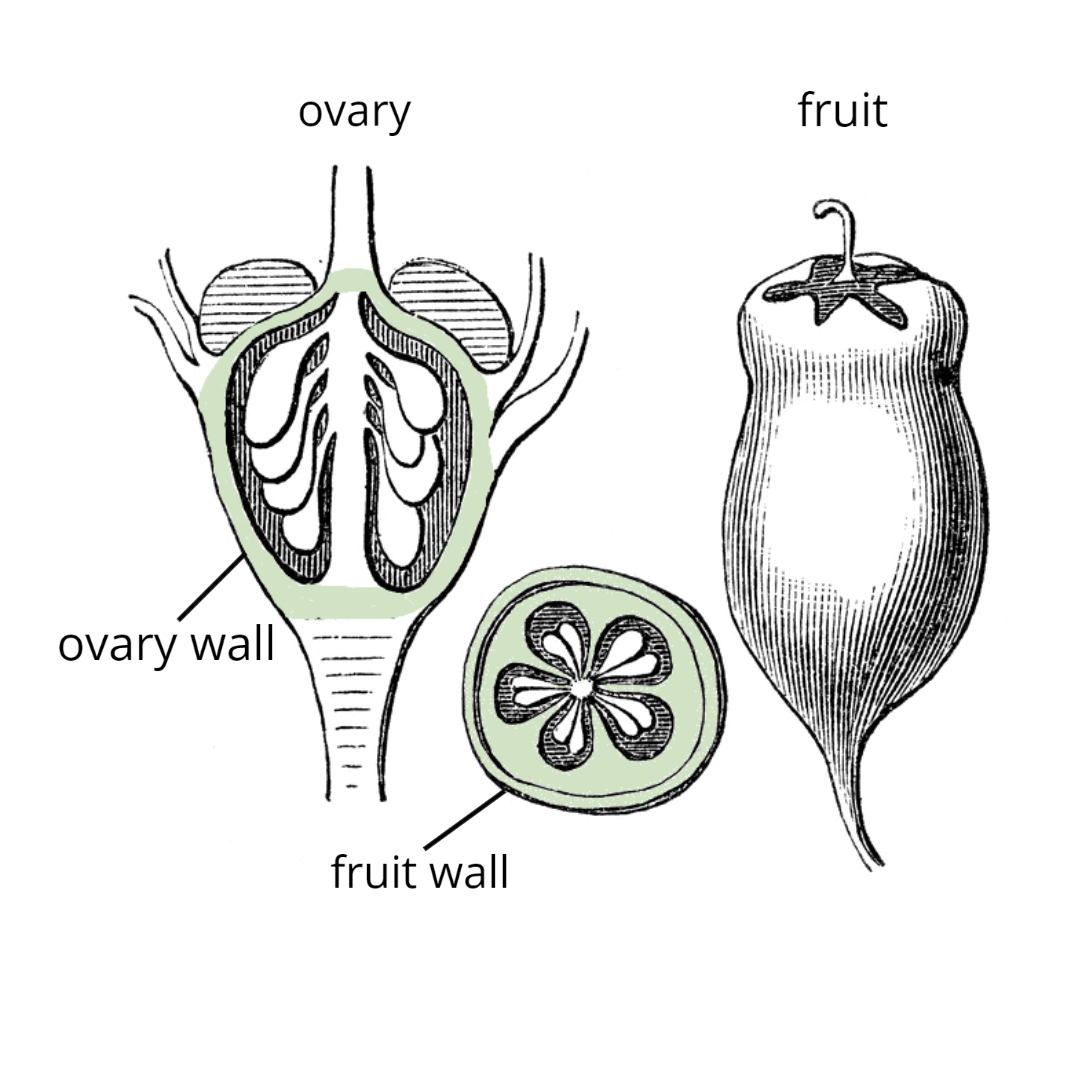 , vegetatively propagated species, woody plants, and forbs. Once seed has been certified, it qualifies for the official "blue" certified seed tag and meets state, federal, and international seed law requirements.
Requirements for producing certified seed are crop specific, and include land history, the use of eligible seed stock, field inspections to assure variety identity, purity, and isolation, and finally, seed standards.
There is a vested member agency in each state to carry out the seed certification program. Each agency will have a state-specific set of standards that abide by AOSCA’s minimum requirements. Use AOSCA’s “Contact Us” to find the seed certification agency that serves your area.
For more detailed information on the process of Seed Certification visit: Producing Certified and Registered Seed