“Our lot has been tested at two different labs, and the germinationGermination:
The resumption of active growth by the embryo culminating in the development of a young plant from seed.
results are different. Why?”
When a seed lab is told that their test results differ from another lab’s results, the two labs usually contact each other to find out what the problem is. A portion of the sample submitted to each lab will be sent to the other lab for comparative testing. Each lab will test the two samples side by side in the germinator. Side by side testing eliminates many of the variables that might occur during a germinationGermination:
The resumption of active growth by the embryo culminating in the development of a young plant from seed.
test. Many times, the tests will confirm the original results, thereby indicating improper sampling.
Training in proper sampling technique is necessary to ensure that a representative sample is consistently drawn. A properly trained sampler will understand the variability that a seed lot can have and take steps to reach all parts of the seed lot to make sure a representative sample is obtained. Assuming that each bag or bin is uniform can be a costly mistake! If the sampler assumes the lot is uniform and pulls out only a few handfuls of seed to send to the seed lab, it is likely that the results from the lab will not accurately represent the value of the seed lot. Either the buyer or the seedsman will be short changed if the test result is inaccurate. Proper sampling technique is crucial to accurately determine the value of a seed lot.
What causes variability in a seed lot? When seed is grown, environmental factors in the field affect how much variability may occur. Crop maturity, weed patches, diseasedDiseased:
Showing symptoms of the presence and activity of pathological or detrimental microorganisms.
areas, lodging, and other factors can affect the uniformity of the seed before it is harvested. Mechanical factors will also affect the uniformity of the seed lot. Adjustments on the combine during harvest, transport of the seed, types of augers and belts used to move the seed, and drying seed in batches all can cause variability in a seed lot before it is processed and cleaned. Different processes are used to clean the seed and can create segregation of the seed by weight and density. Variability exists in all seed lots to some extent, whether environmentally or mechanically created.
A seed lot to be sampled will be in bulk, bagged or packaged in some manner. The procedure for sampling will differ depending on how large the lot of seed is, if the seed is free-flowing or non-free-flowing, and whether the lot is packaged or in bulk.
To ensure proper seed sampling the Association of Official Seed Analysts has provided guidelines for drawing a representative sample for testing purposes in the Rules for Testing Seeds, revised 2002. Properly sampled seed lots will provide the basis for test results that will accurately represent the value of the seed. Sampling a seed lot takes time, but the seed test is only as good as the sample that has been submitted. The current rules for proper sampling follow.
Ordinarily a seed analyst is not required to take samples, but the analyst should be prepared to suggest the best procedure. No matter how accurately an analysis is made, it can show only the quality of the sample submitted; therefore, every effort should be made to ensure that the sample submitted for testing represents the bulk of the seed to be tested.
To secure a representative sample, equal portions shall be taken from evenly distributed parts of the quantity of seed to be sampled. Access shall be had to all parts of that quantity.
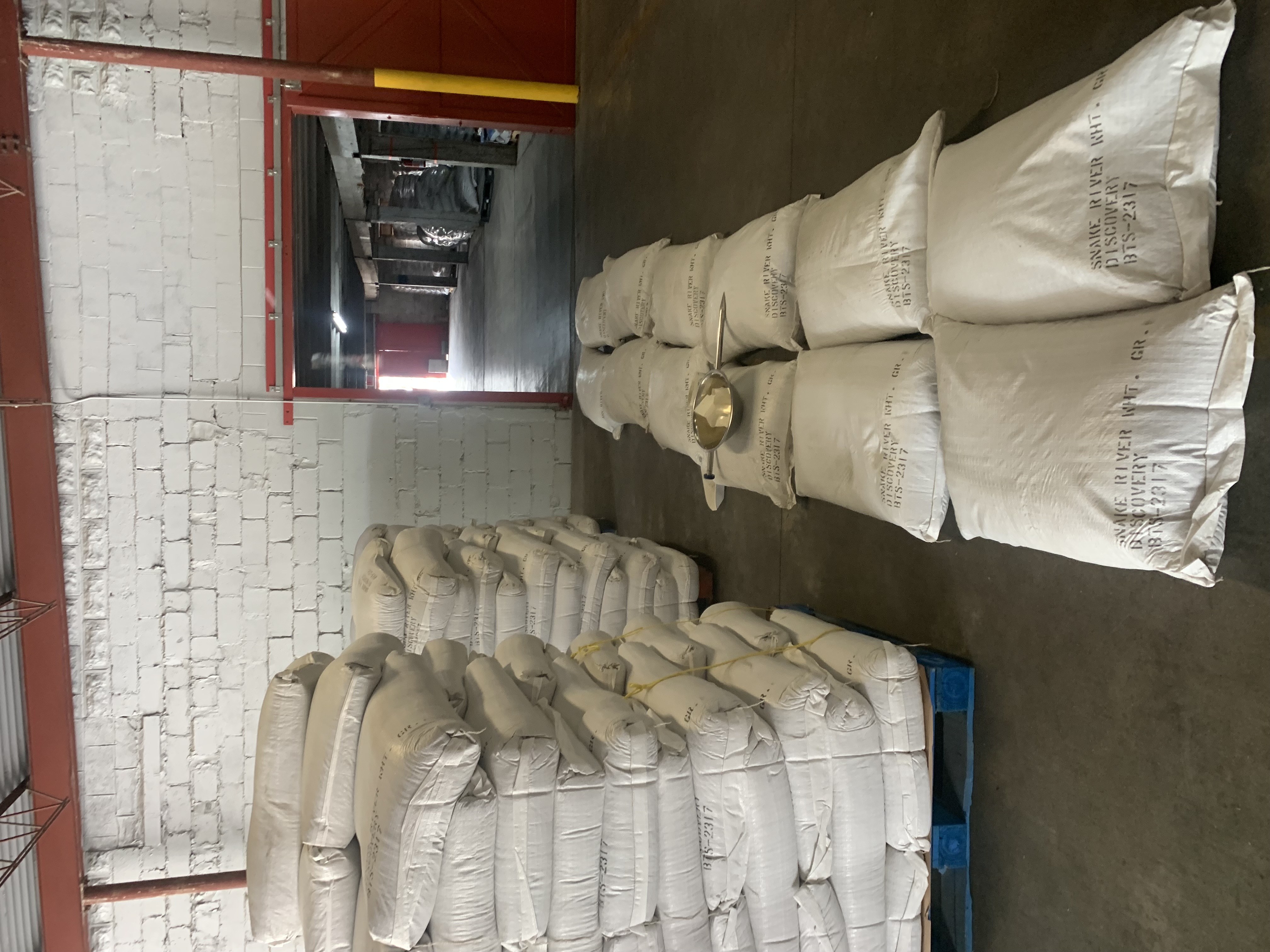
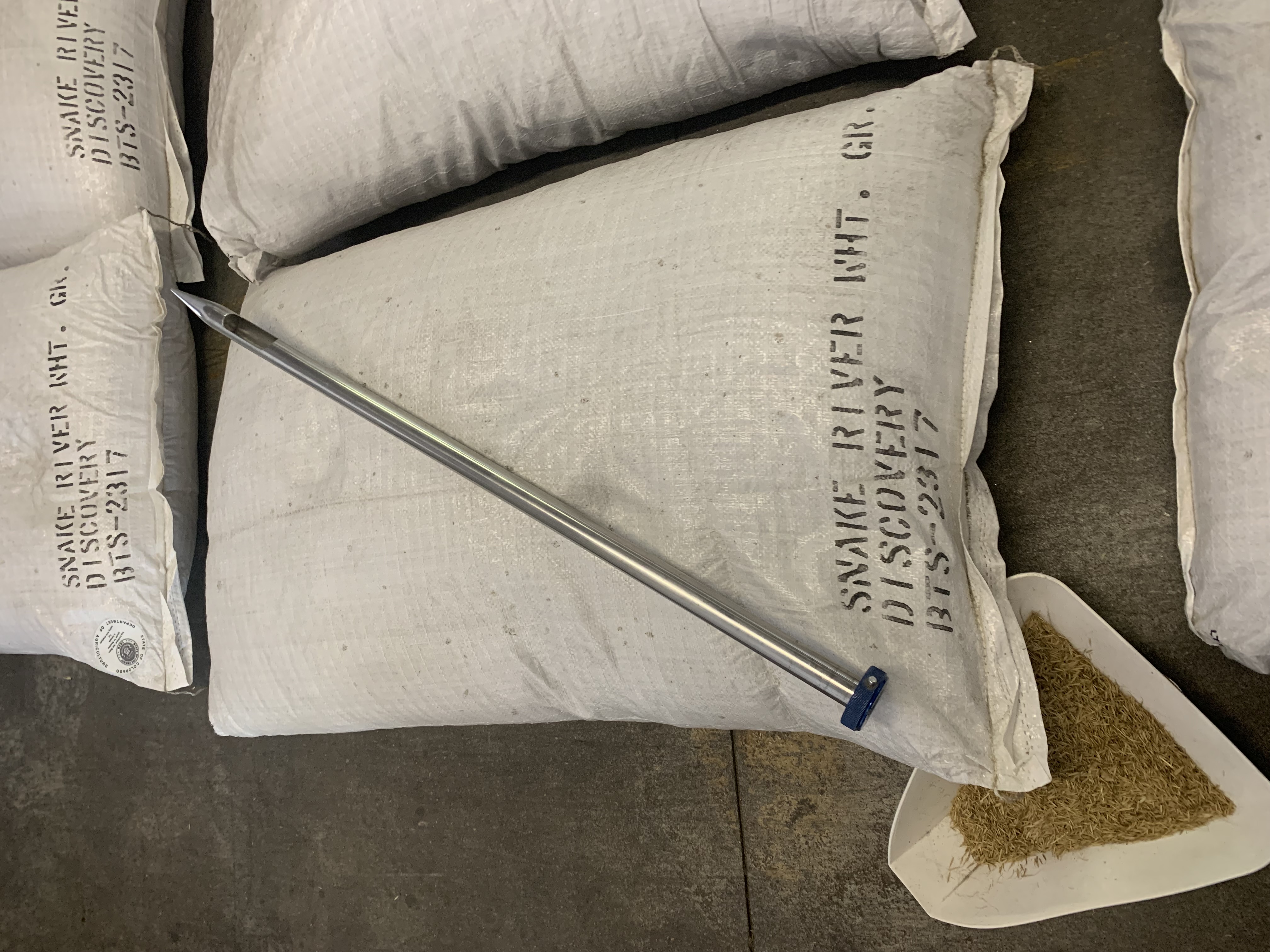
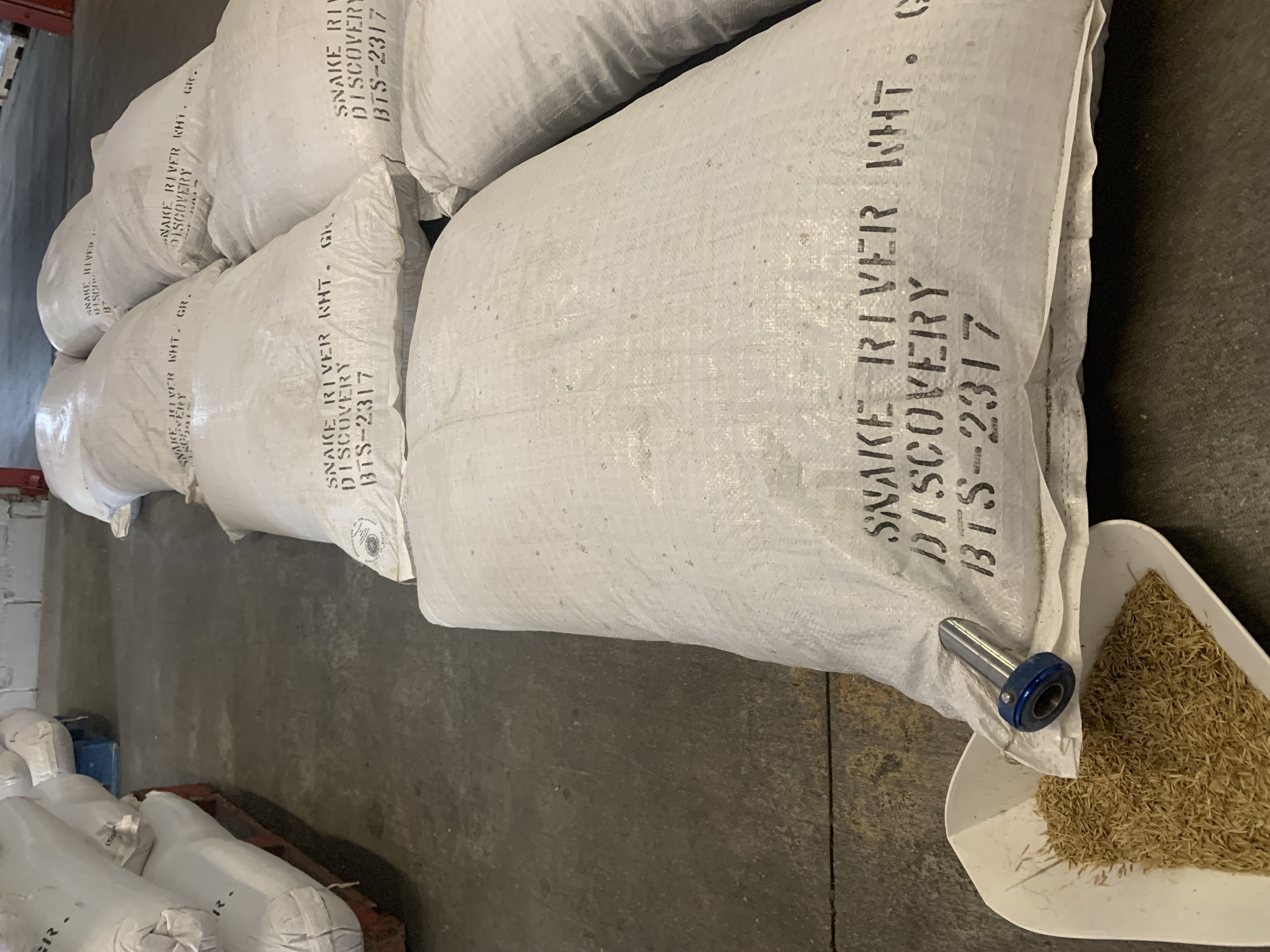
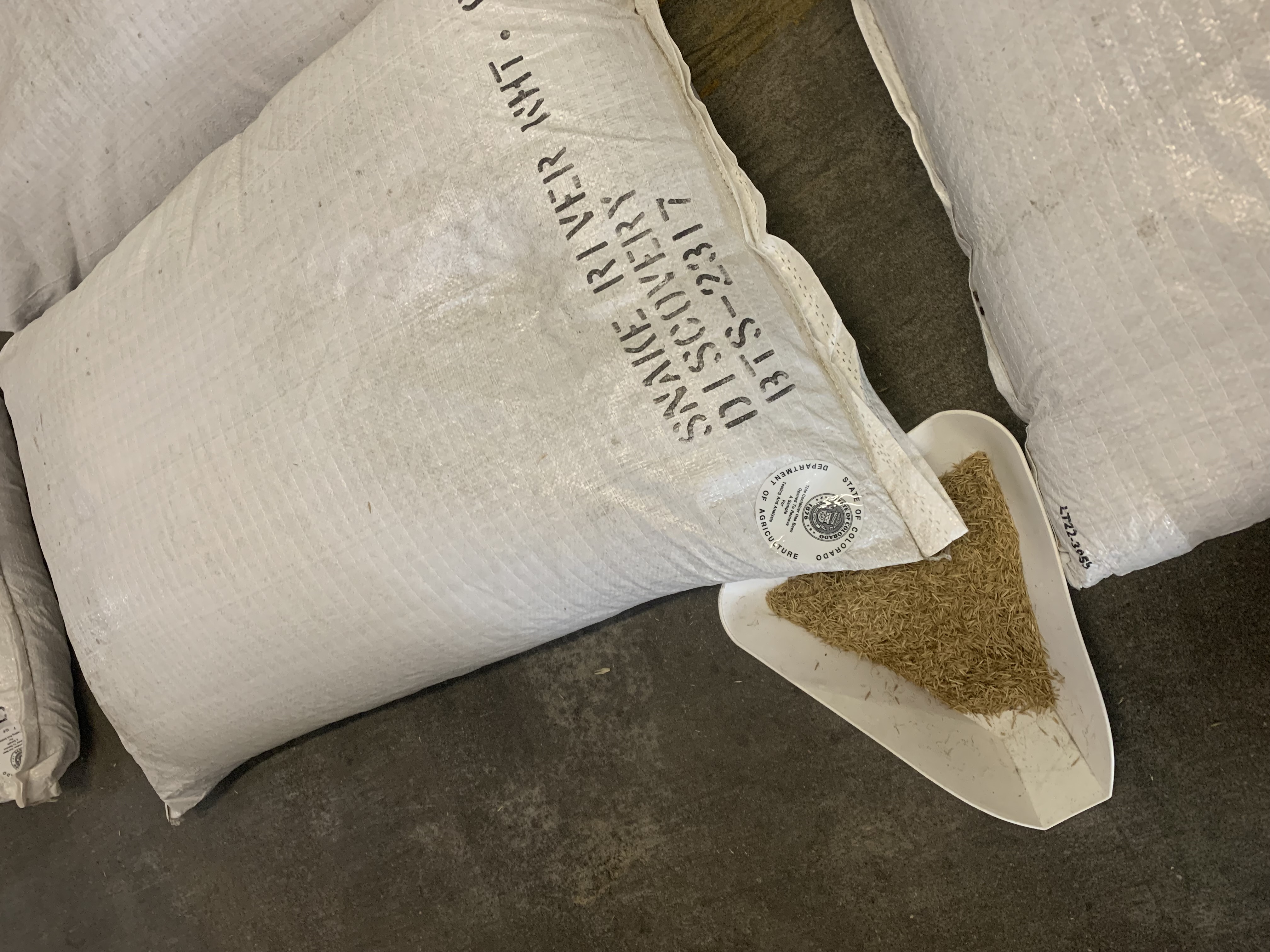
For sampling seeds in bags, a trier long enough to reach all areas in the bag shall be used. The trier shall be designed so that it will remove an equal volume of seed from each part of the bag through which the trier travels. Unless the trier has partitions in the seed chamber it must be inserted into the bags horizontally. Non-free-flowing seeds difficult to sample with a trier shall be sampled by thrusting the hand into the seed and removing representative portions. When a sample is taken with the hand, insert the hand flat and with the fingers together. Keep the fingers together as the hand is closed and withdrawn. Because of possible segregation, hand samples should be taken from various locations in bags or in bulk.
Seed in bags
When more than one core is drawn from a bag, follow different paths. When more than one handful is taken from a bag, take them from well-separated points.
| No. bags in lots | 7 | 10 | 23 | 50 | 100 | 200 | 300 | 400 |
| No. bags to sample | 6 | 6 | 7 | 10 | 15 | 25 | 30 | 30 |
Bulk seed
To obtain a composite sample, take at least as many cores or handfuls as if the same quantity of seed were in bags of an ordinary size. Take the cores or handfuls from well-distributed points throughout the bulk.
Seed in small containers
Seed in small containers shall be sampled by taking entire unopened containers in sufficient number to supply a minimum size sample as required in section "Size of submitted sampleSubmitted sample:
A representative sample sent to the seed testing laboratory for the purpose of purity or germination testing that will represent the whole seed lot in question.
" below. The contents of a single container or the combined contents of multiple containers of the same lot shall be considered representative of the entire lot of seed sampled.
For composite sample to test for quality
The following are minimum weights for samples of seed to be submitted for purity, germinationGermination:
The resumption of active growth by the embryo culminating in the development of a young plant from seed.
, and noxious-weed seedWeed seed:
A seed from a plant generally considered undesirable. The total percentage (by weight) of seed lot that is composed of seed of plants considered to be weeds. One of the four components of purity test.
examination.
For individual-bag samples to test for uniformity
The size of any individual-bag sample to determine uniformity in a lot of seed shall be not less than the quantities set out in the column “Minimum weight for noxious-weed seedWeed seed:
A seed from a plant generally considered undesirable. The total percentage (by weight) of seed lot that is composed of seed of plants considered to be weeds. One of the four components of purity test.
examination” for the respective kinds of seed listed in Table 1. If the sample drawn is larger than required it shall be thoroughly mixed before it is divided to the desired size.
Before being forwarded for analysis, the containers of official samples shall be properly sealed and identified. The containers of official samples shall be initialed and dated and the sample weighed by the person who breaks the seals.
Reference: AOSAAOSA:
The initials of the Association of Official Seed Analysts, the organization of state and federal seed analysts of the United States and Canada.
Rules for Testing Seeds, revised 2002, pages 1-2001 and 2-2001
Free-flowing seeds include alfalfa, wheat, flax, clover, and soybeans.
Non-free-flowing seeds include bromegrass, wheatgrass, fescue, and bluestem.
Examples of procedures to follow when extracting seed samples using hand and trier methods.
Pictures from Iowa State Univ., NCR 403, Seed Lot Sampling, 1991.