Seed identification can be both a science and an art. Some seed scientists have developed personalized "seed keys" to identify seeds, others use visualization, and most use both depending upon what experience they have in the field and what they are trying to identify.
Unfortunately, only the most common agricultural and weed seedsWeed seed:
A seed from a plant generally considered undesirable. The total percentage (by weight) of seed lot that is composed of seed of plants considered to be weeds. One of the four components of purity test.
have been described, drawn, or photographed. This makes identifying less common seeds harder.
Regardless of your approach, certain key traits must be examined to identify any seed species.
All seed identification resources rely on botanical terminology. Becoming familiar with these terms will make seed identification easier and more efficient. Most resources provide a glossary. On this site, glossary terms appear with a dashed underline; hovering over them will display the definition used here. You can also open the Glossary, which includes images for many terms. For an overview of fruitsFruit:
A mature ovary and any associated parts.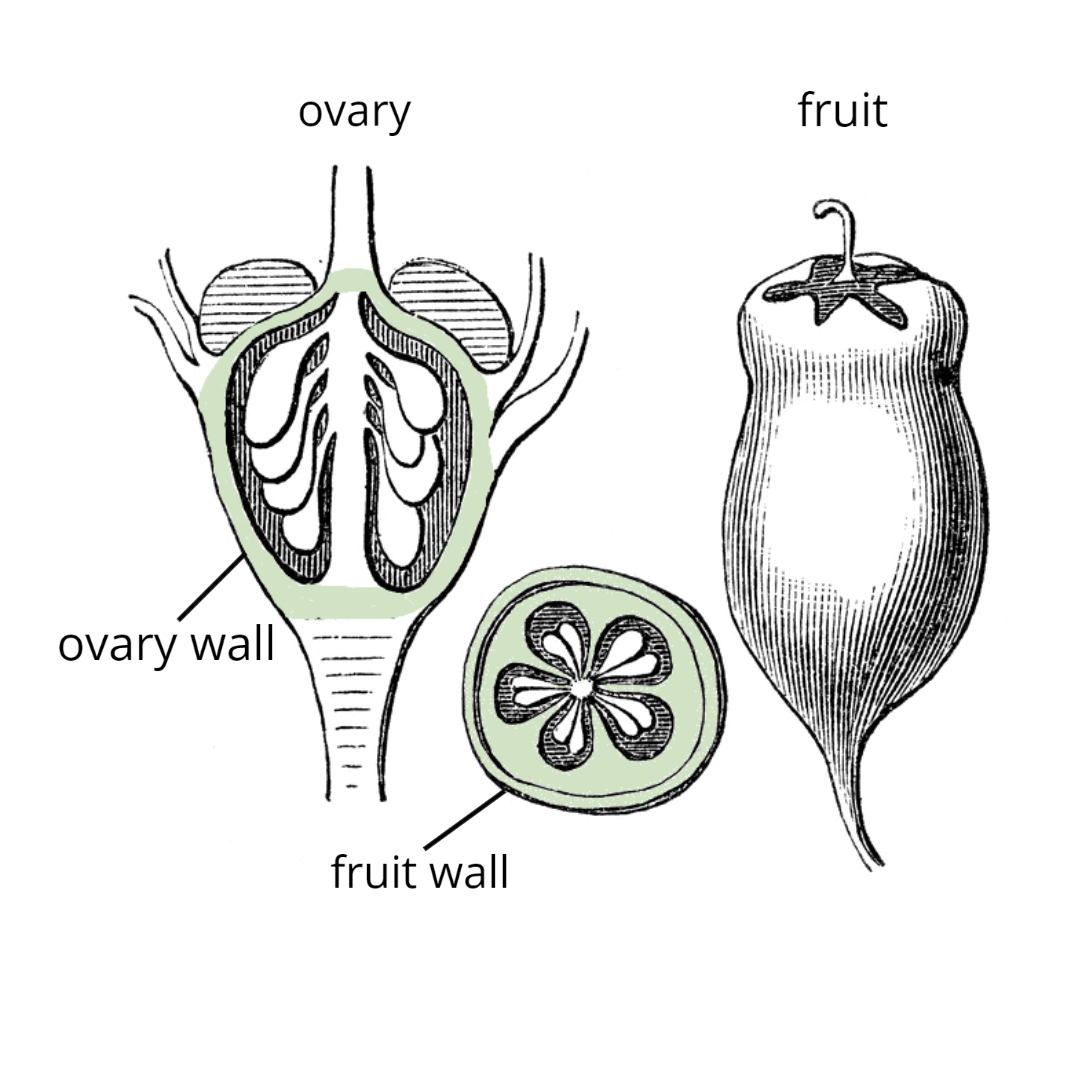 and seeds relevant to this resource, see "Fruits and seeds overview".
Botanical keys used for plant identification are known as dichotomous keys. These tools guide users through a series of paired statements, where they must choose the option that best matches the characteristics of the seed they are examining. Each choice leads to another set of statements, progressively narrowing down the options until the species is identified.
However, true dichotomous keys specifically designed for seed identification are relatively rare compared to those created for identifying plants or plant families.
A more modern and versatile alternative to traditional dichotomous keys is the matrix key, like a Lucid key. Lucid keys are interactive identification tools that leverage multimedia platforms to assist users in identifying plants, animals, and minerals quickly and efficiently. These keys enhance the identification process by incorporating fact sheets, images, and other resources directly within the interactive framework, making them a powerful and user-friendly solution for species identification. Lucid keys for seeds are available on IDtools.org select "weeds" from the pest group menu, International Seed Morphology Association or search Lucidcentral.org.
Using visual comparisonsMany individuals rely on seed illustrations, known as "plates," to identify the seeds they are examining. Photographs of seeds can also serve as valuable tools for visual comparison. This method requires strong observation and visualization skills to match the seed’s characteristics with the reference images effectively.
Once a seed’s identity is determined, written descriptions, referred to as "descriptors," can be used to confirm the identification by comparing specific seed traits.
This approach to seed identification is faster than more detailed methods, but it requires experience and familiarity with seed families, seed characteristics, and an intuitive "feel" for seeds. Additionally, knowledge of botanical terminology related to seed identification is highly beneficial for accurate and efficient results.
Where can one find specific drawings, photographs, or plates of certain seed species? Historically these resources were published books or reference manuals such as:
Otherwise, photographs and line drawings can be found in species specific research publications and papers.
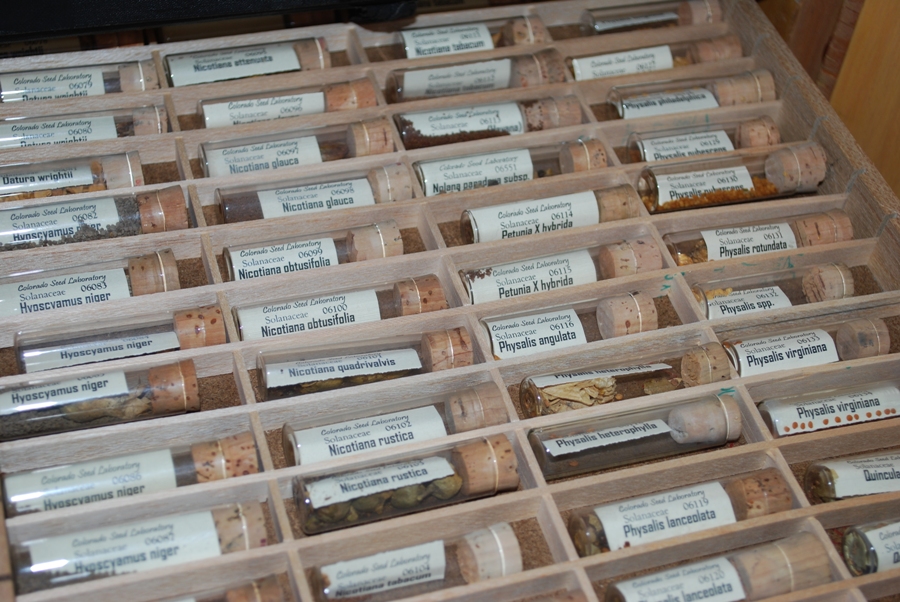
Using seed herbariaA seed herbarium is a standardized collection of seeds with a known identity. These may be arranged phylogenetically or simply alphabetically by family, then by genus, and finally by species.
Seed herbaria are used for final identification. They are for visual comparison and will contain a number of seeds from each species so that you can see the range of variation within that species. This offsets the one problem with drawings and photographs as they usually have one or two seeds from each species, and these are the most perfect examples of that species.
To create a seed herbarium, see the "Collecting" page.