Shrub or Tree
greasewood, black greasewood
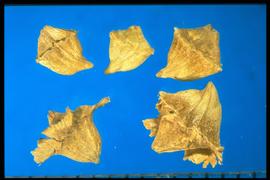
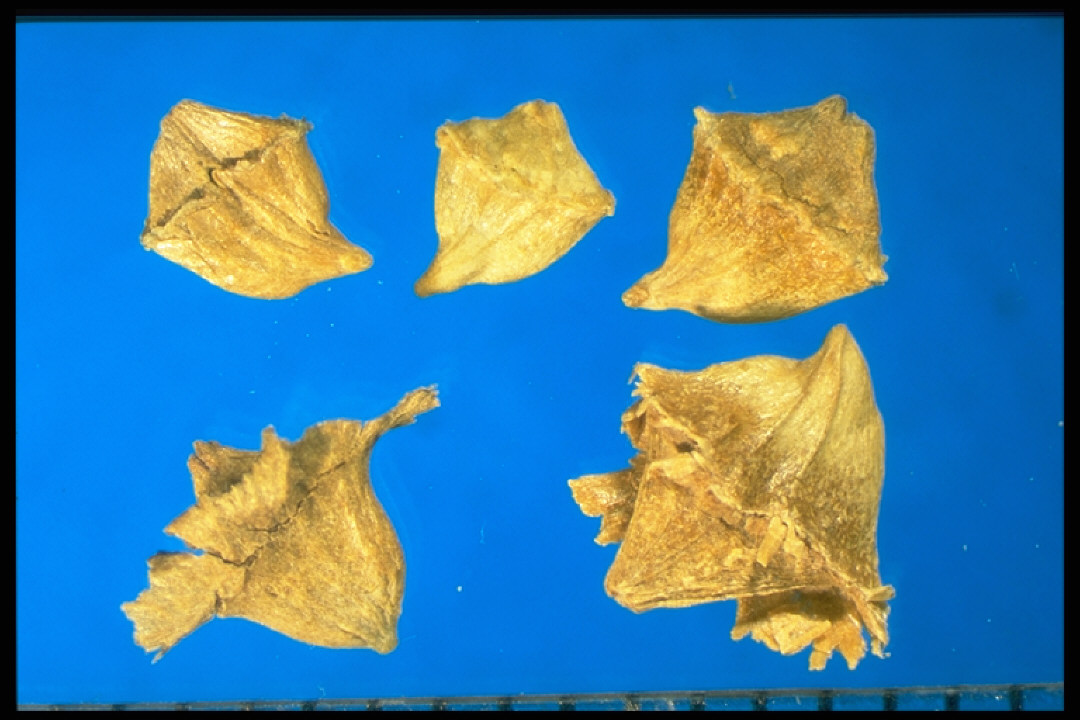
NutletNutlet:
A small, dry, indehiscent carpel of a fruit, usually composed of one quarter of the fruit with each enclosing a single seed (e.g. mints).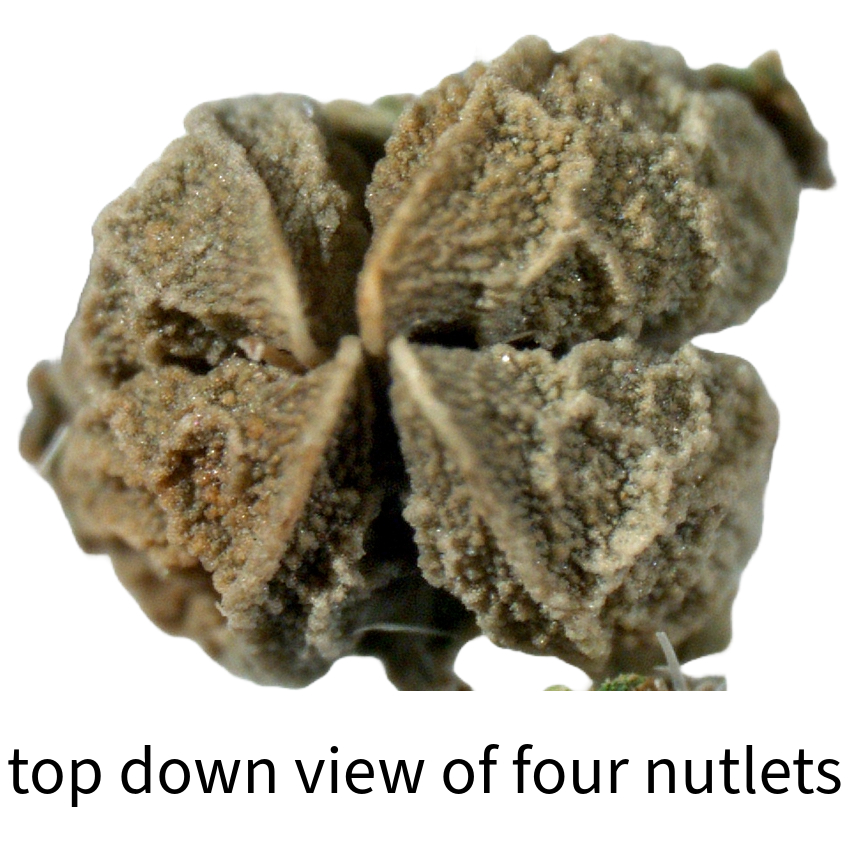
Conical and compressed
Light brown
Rough linear ridges
Remnants of sepalSepal:
The outermost whorl of leaf-like structures attached to the receptacle. Collectively, all the sepals on a flower are called the calyx.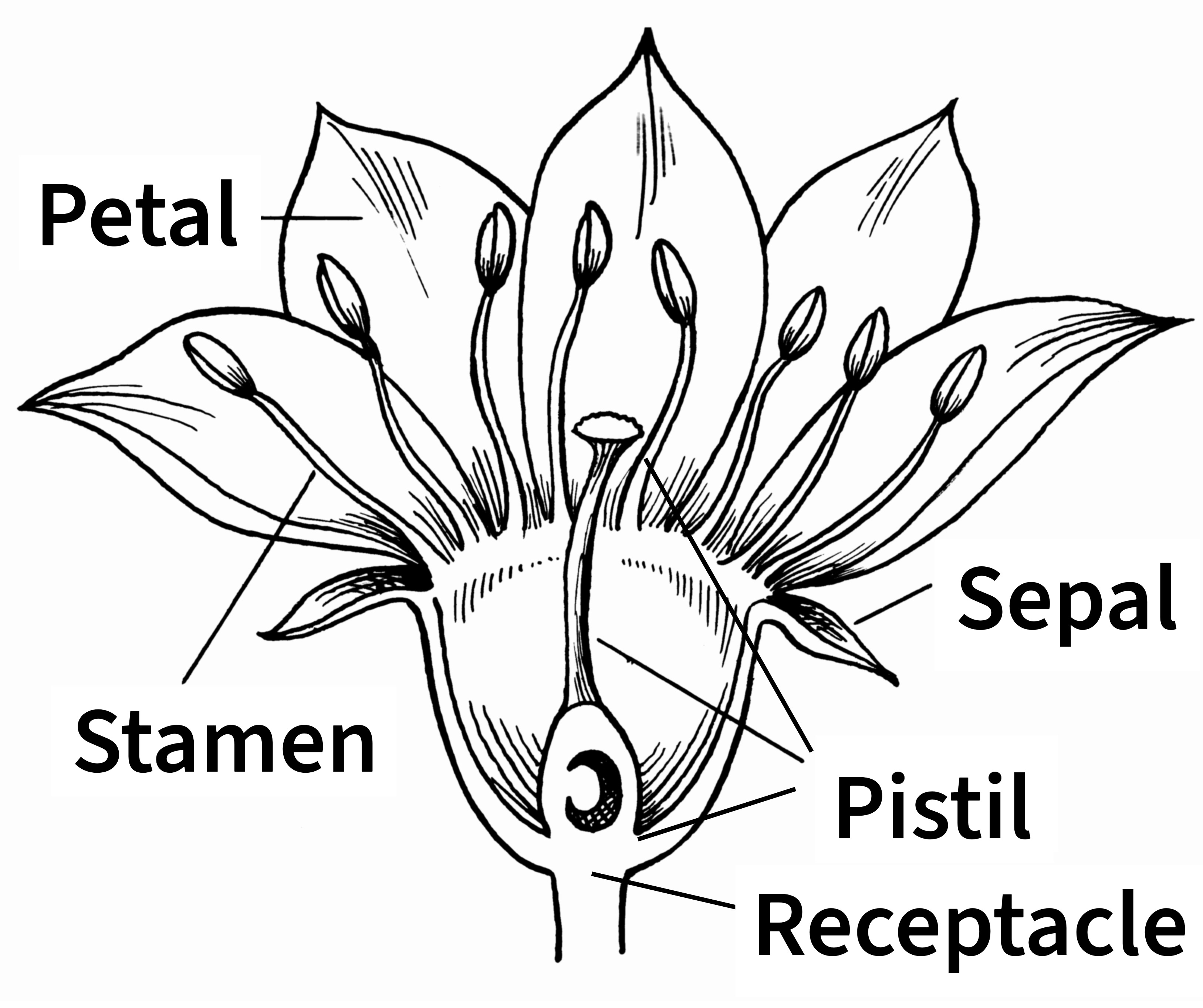 lobes present.
Seed unitSeed unit:
The structure usually regarded as a seed in planting practices and in commercial channels, consisting of a true seed with or without accessory structures, as defined in Section 2.6 of the AOSA Rules. See also true seed.
is found mostly as a complete flower with attached sepalSepal:
The outermost whorl of leaf-like structures attached to the receptacle. Collectively, all the sepals on a flower are called the calyx. lobes. The term nutletNutlet:
A small, dry, indehiscent carpel of a fruit, usually composed of one quarter of the fruit with each enclosing a single seed (e.g. mints). is used because the seed is enclosed in a hard fruitFruit:
A mature ovary and any associated parts.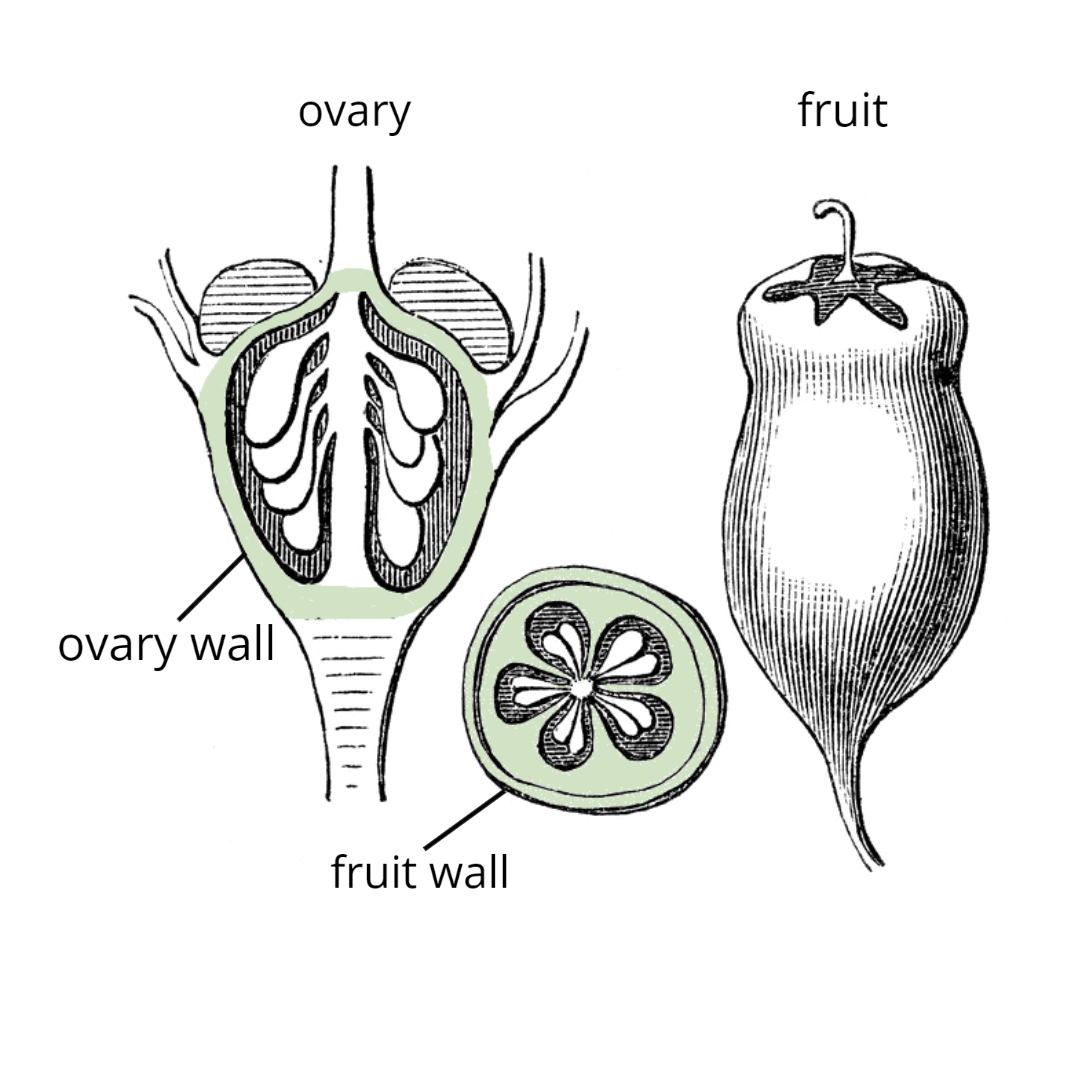 coat.
coat.
Not listed
Not included
Chenopodiaceae
Sarcobatus vermiculatus (Hook.) Torr.
Sarcobatus vermiculatus (Hook.) Torr. var. baileyi (Coville) Jeps.