Weed
honeyvine
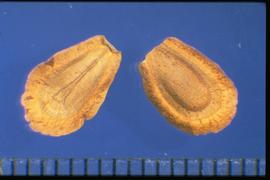
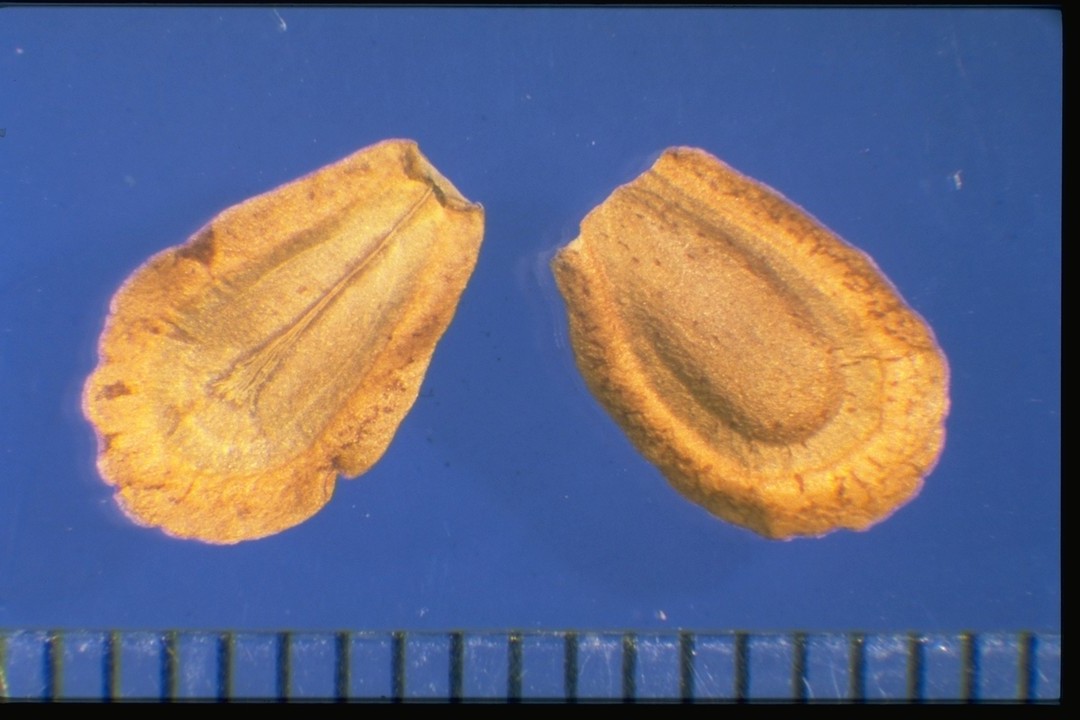
True seedTrue seed:
A mature fertilized ovule consisting of an embryo, with or without and external food reserve (e.g., endosperm) enclosed by the testa.
SpatulateSpatulate:
Having a narrow base and rounded apex. Pear-shaped.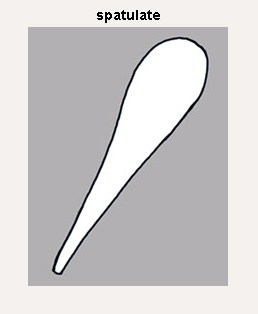 obovate
Light brown
Moderately smooth
The basalBasal:
The base of the fruit or seed opposite the apical end.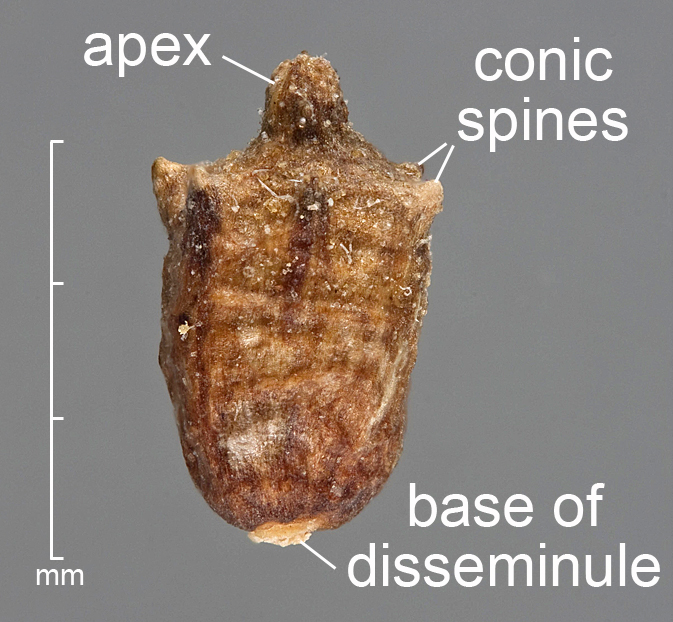 end is truncated and winged on the outer margin.
The tuft of hair originally attached to the basalBasal:
The base of the fruit or seed opposite the apical end. end is usually lost. Seed with a longitudinal hilumHilum:
The scar on the seed coat at the place of its detachment from the seed stalk (funiculus).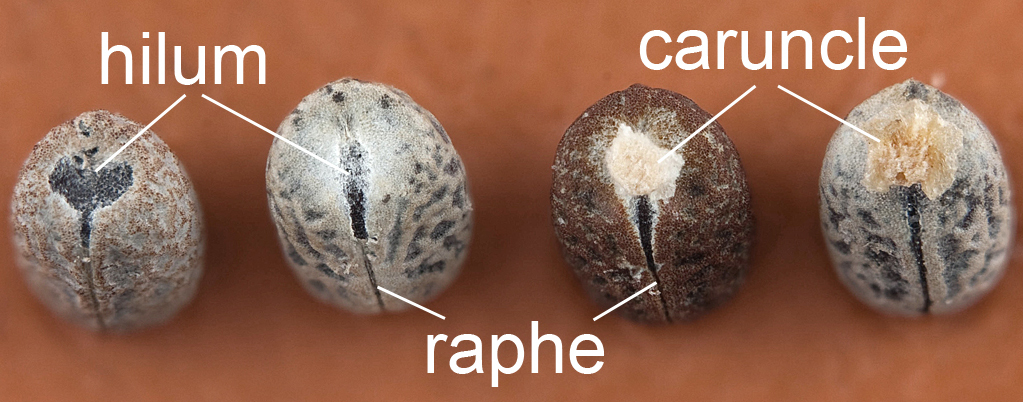 on one side, and the other side with the ovalOval:
Broadly elliptic.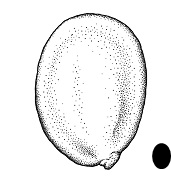 outline of the internal seed structure. RapheRaphe:
A seam or ridge found on seeds.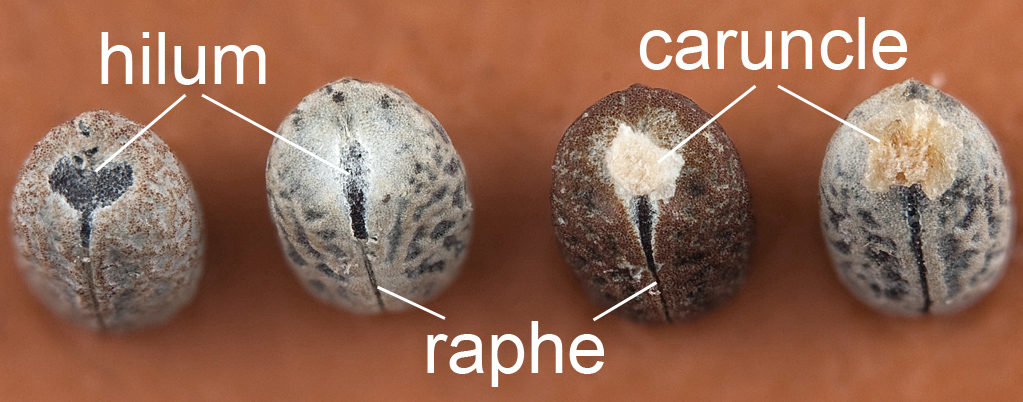 ridge evident.
State Noxious Weed: Kansas
Not included
Asclepiadaceae
Cynanchum laeve (Michx.) Pers.
Ampelamus albidus (Nutt.) Britton
Ampelamus laevis (Michx.) Krings
Gonolobus laevis Michx.