Agricultural, Revegetation or Rangeland
Rhodes grass
Multiple floretFloret:
A small flower in a clustered inflorescence (e.g., sunflower, grasses). In grasses, a floret consists of the lemma, palea, stamens, and pistil.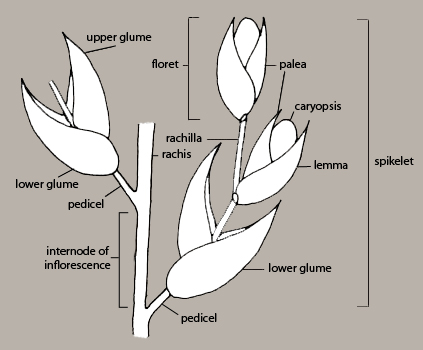
ObovateObovate:
Inverted egg shaped with apical end the broadest.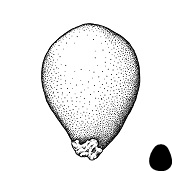
Light to dark brown
Smooth with hairs at the upper margins and central nerve of lemmaLemma:
One of two bracts of the grass floret; it is located on the side nearest the embryo and opposite the rachilla.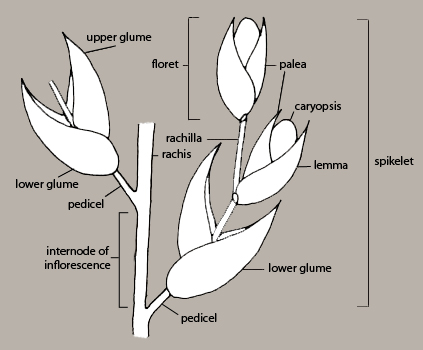
Hairy on the margins and sometimes on the central nerve; awned.
Mostly obscured by the lemmaLemma:
One of two bracts of the grass floret; it is located on the side nearest the embryo and opposite the rachilla. and secondary floretsFloret:
A small flower in a clustered inflorescence (e.g., sunflower, grasses). In grasses, a floret consists of the lemma, palea, stamens, and pistil..
One or two additional floretsFloret:
A small flower in a clustered inflorescence (e.g., sunflower, grasses). In grasses, a floret consists of the lemma, palea, stamens, and pistil., the lower one sometimes fertile
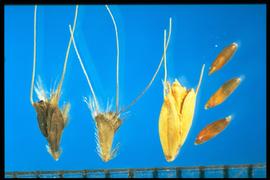
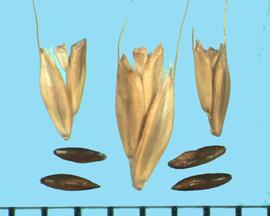
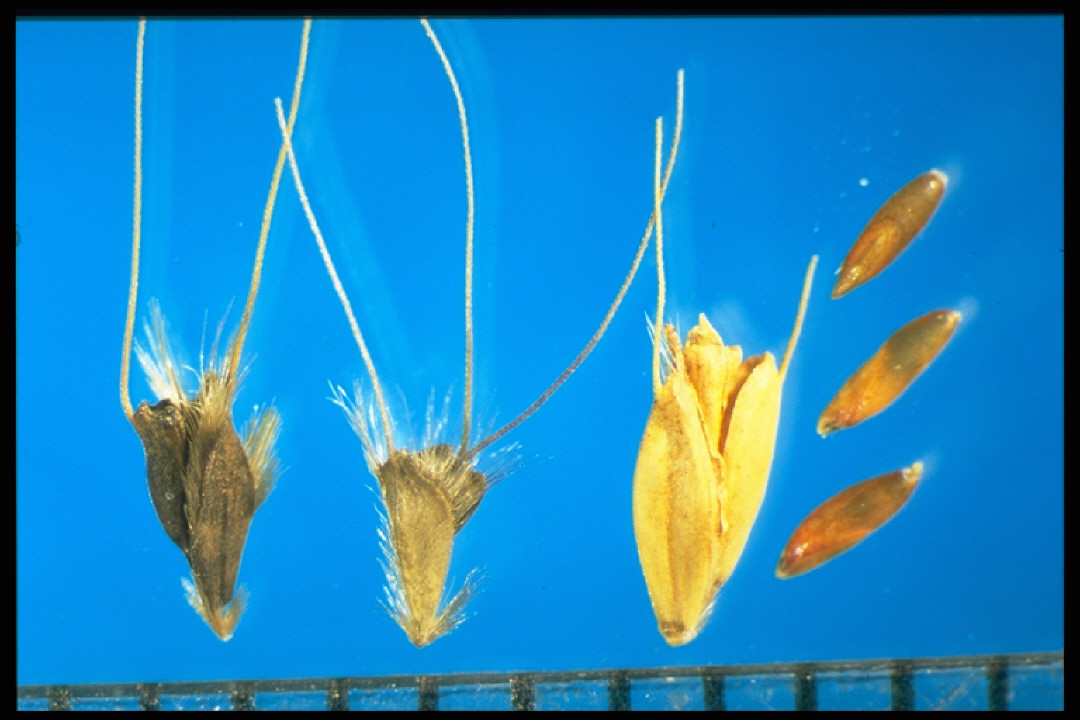
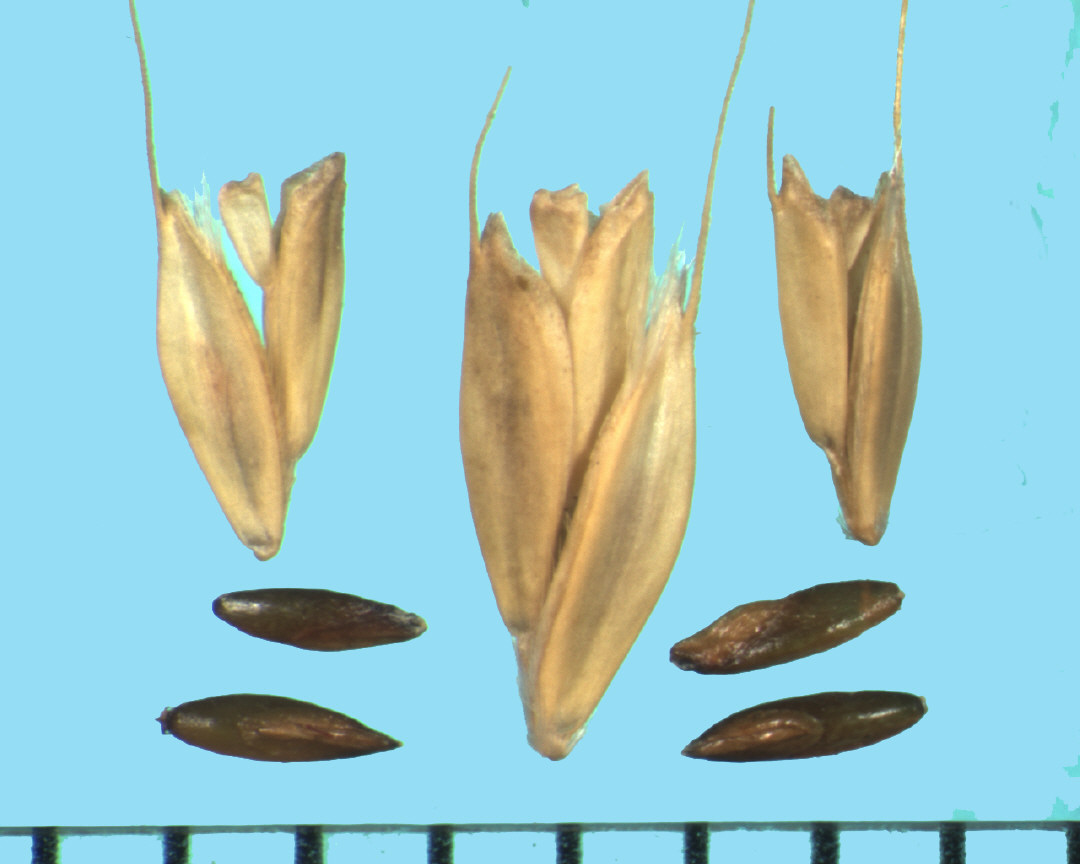
The unit is a floretFloret:
A small flower in a clustered inflorescence (e.g., sunflower, grasses). In grasses, a floret consists of the lemma, palea, stamens, and pistil. with one or two attached floretsFloret:
A small flower in a clustered inflorescence (e.g., sunflower, grasses). In grasses, a floret consists of the lemma, palea, stamens, and pistil.. The lower of the attached floretsFloret:
A small flower in a clustered inflorescence (e.g., sunflower, grasses). In grasses, a floret consists of the lemma, palea, stamens, and pistil. may be fertile but usually both are sterile. The degree of pubescence may vary.
Not listed
Included
For more information, see ISMA fact sheet.
Poaceae
Chloris gayana Kunth