Flower, Herb, Weed
sessileSessile:
A flower or spikelet with no pedicel therefore attached directly to the central axis (rachis) or other surfaces.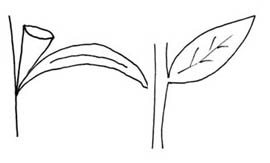 joyweed, okulabeluulechad (Palau)
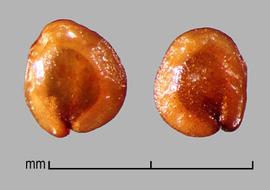
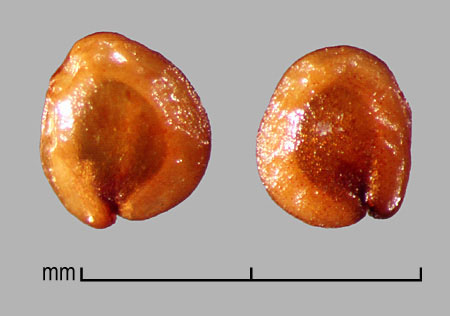
True seedTrue seed:
A mature fertilized ovule consisting of an embryo, with or without and external food reserve (e.g., endosperm) enclosed by the testa.
Discoid
Brown
Smooth
Linear embryoEmbryo:
A rudimentary plant contained in a seed, usually consisting of a more or less differentiated axis and attached cotyledon(s).
is visible surrounding dark brown perispermPerisperm:
Nutritive tissues occurring within certain seeds, derived from the nucellus; similar in function to endosperm.
.
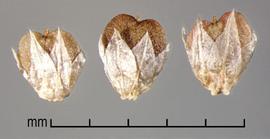
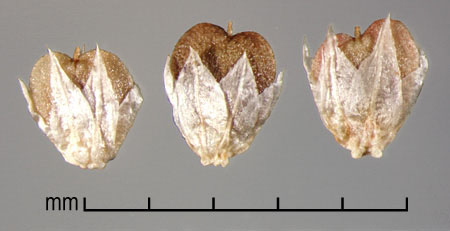
Seeds borne singly in granularGranular:
Resembling or consisting of small grains or particles.
-coated fruitsFruit:
A mature ovary and any associated parts.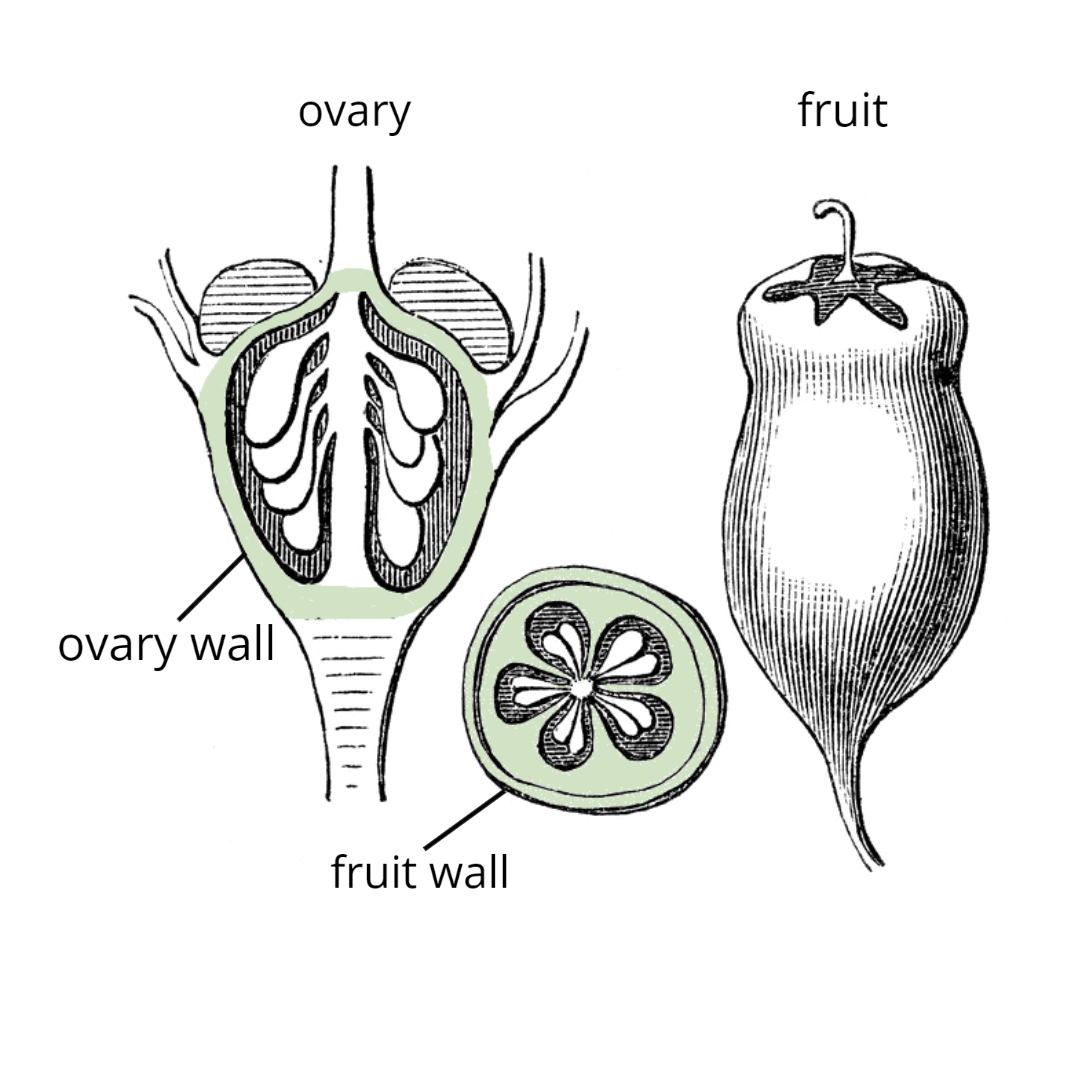 which are in turn surrounded by six triangular glumesGlume:
The pair of chaffy bracts that occur at the base of a grass spikelet, often completely enclosing it.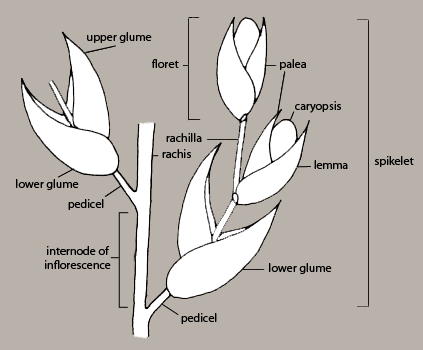 .
.
State Noxious Weed: California
Federal
Learn more on ITP's Federal Noxious Weed Disseminules tool.
Not included
Amaranthaceae
Alternanthera sessilis (L.) R. Br. ex DC.
Achyranthes sessilis (L.) Desf. ex Steud.
Alternanthera glabra Moq.
Gomphrena sessilis L.