Hypericum perforatum

Species category

Weed

Common name

common St. Johnswort, Klamathweed, Klamath weed, St. Johnswort

Diagnostic characters

Planting unit

True seedTrue seed:
A mature fertilized ovule consisting of an embryo, with or without and external food reserve (e.g., endosperm) enclosed by the testa.

Shape

Cylindrical

Size

  • Length 1–1.1 mm
  • Width 0.5–0.7 mm
  • Thickness 0.5–0.7 mm

Color

Brown or black

Texture

Highly reticulatedReticulated:
Resembling a net or network, especially having veins, fibers, or lines crossing the surface.  
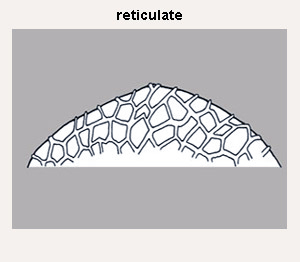
and shiny

Other structures

Rounded ends

Identification notes

Seeds are very small, cylindrical, and reticulatedReticulated:
Resembling a net or network, especially having veins, fibers, or lines crossing the surface.  
.

Noxious weed seed categories

State Noxious Weed: California, Colorado, Hawaii, Idaho, Montana, Nevada, Oregon, Utah, Washington, Wyoming 

AOSA examination list

Included

Nomenclature

Family

Clusiaceae

Valid name

Hypericum perforatum L.

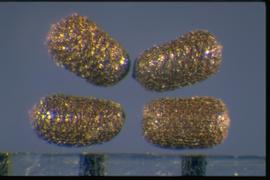
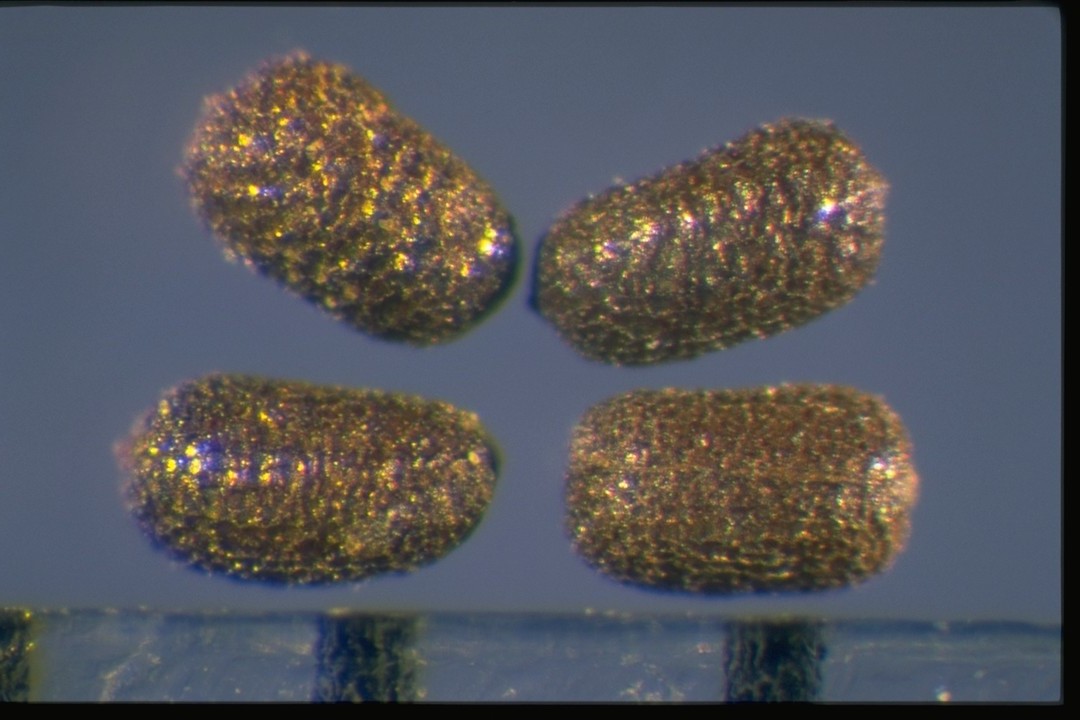
 Hypericum perforatum.  Small, cylindrical, and reticulate seeds. Photo courtesy of Colorado State University, Department of Soil and Crop Sciences.
Hypericum perforatum. Small, cylindrical, and reticulate seeds. Photo courtesy of Colorado State University, Department of Soil and Crop Sciences.
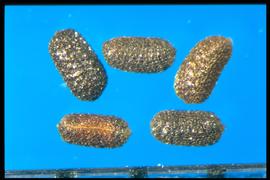
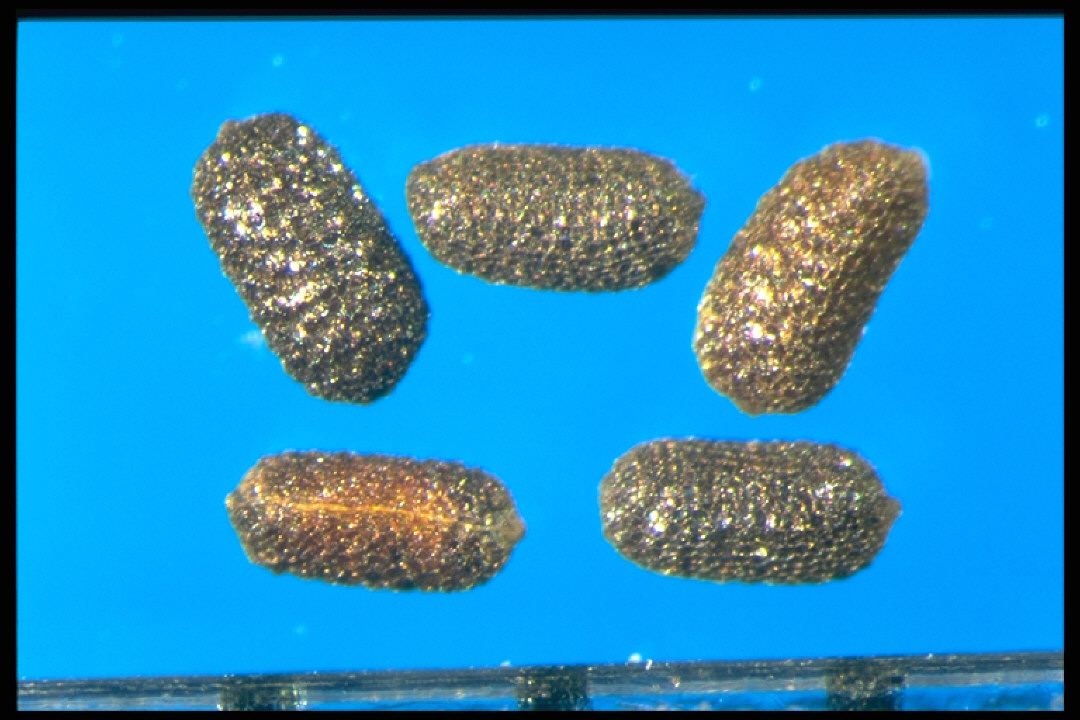
 Hypericum perforatum.  Highly reticulated and shiny seeds with rounded ends.
Hypericum perforatum. Highly reticulated and shiny seeds with rounded ends.