Weed
bouncing bet, soapwort, bouncingbet soapweed, bouncing bet, sweet Betty
True seedTrue seed:
A mature fertilized ovule consisting of an embryo, with or without and external food reserve (e.g., endosperm) enclosed by the testa.
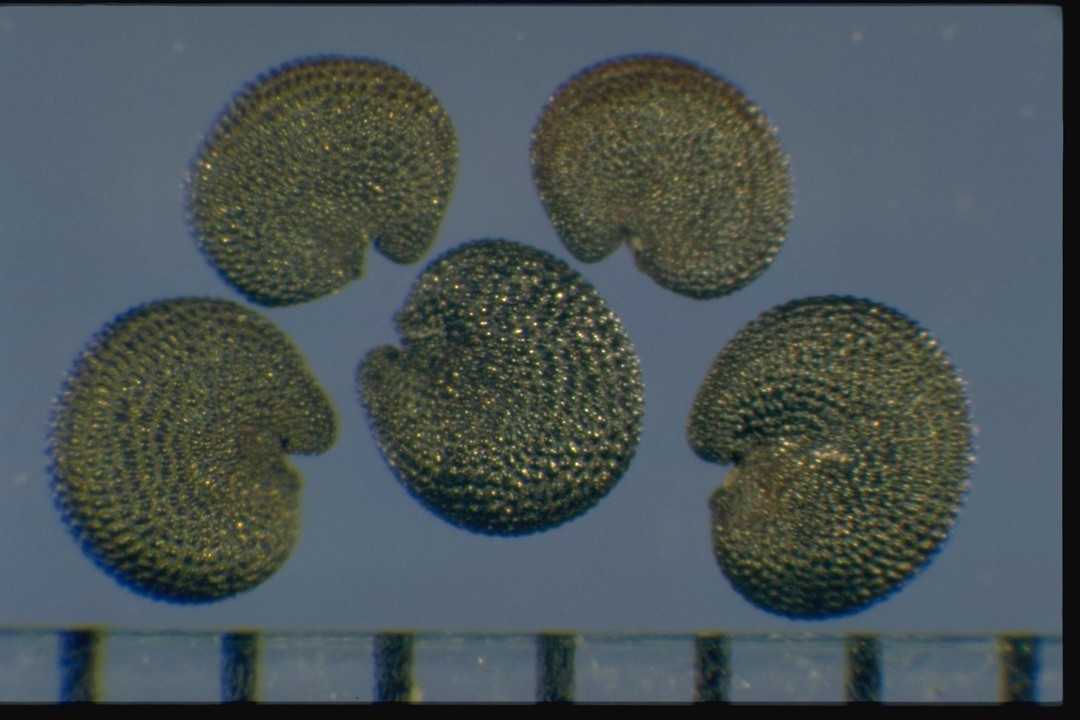
Circular and compressed
Black
Concentric rows of tubercles with smooth, rounded tips
HilumHilum:
The scar on the seed coat at the place of its detachment from the seed stalk (funiculus).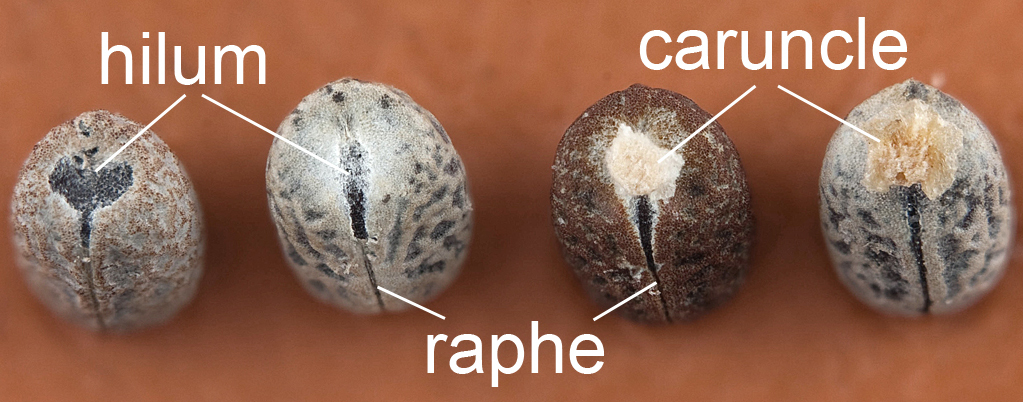 is on the seed margin.
The very well organized rows of tubercles originate and end at the hilumHilum:
The scar on the seed coat at the place of its detachment from the seed stalk (funiculus).. Tubercles are smooth and rounded at the tips. HilumHilum:
The scar on the seed coat at the place of its detachment from the seed stalk (funiculus). is relatively deep.
State Noxious Weed: Colorado
Not included
Caryophyllaceae
Saponaria officinalis L.
Lychnis saponaria Jessen
Saponaria officinalis L. var. glaberrima Ser.