Weed
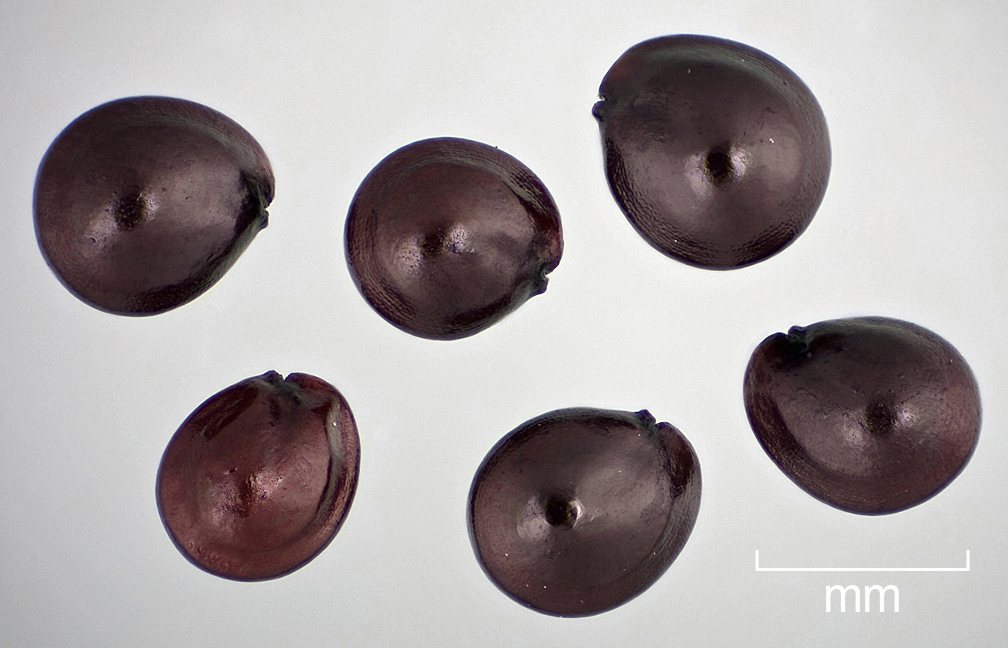
redroot amaranth
True seedTrue seed:
A mature fertilized ovule consisting of an embryo, with or without and external food reserve (e.g., endosperm) enclosed by the testa.
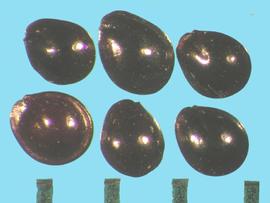
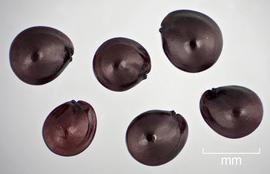
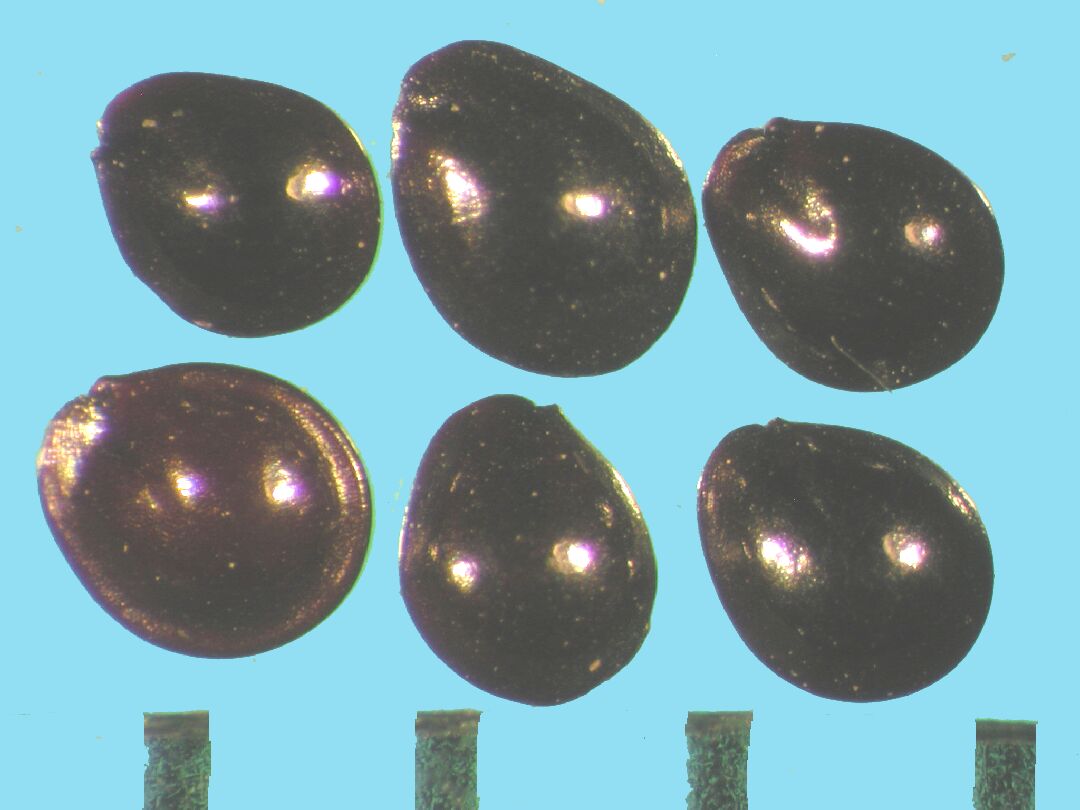
LenticularLenticular:
Lens-shaped, circular in outline with convex sides.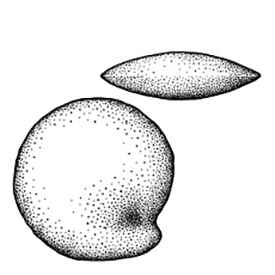 and ovateOvate:
Egg-shaped with basal end the broadest.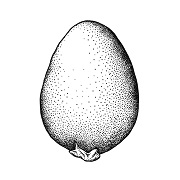
Black
Smooth and shiny
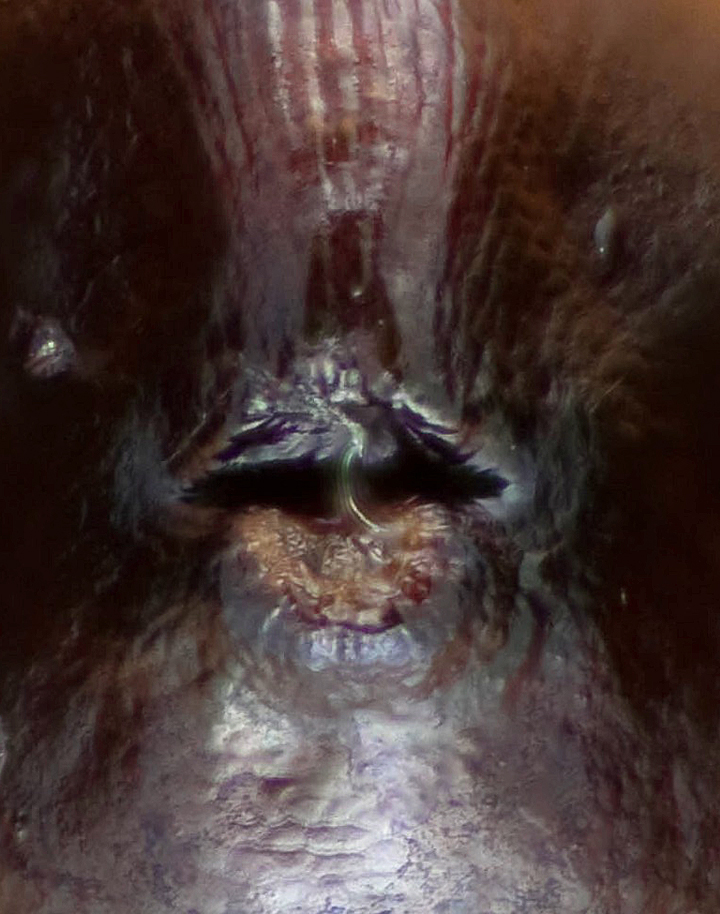
HilumHilum:
The scar on the seed coat at the place of its detachment from the seed stalk (funiculus).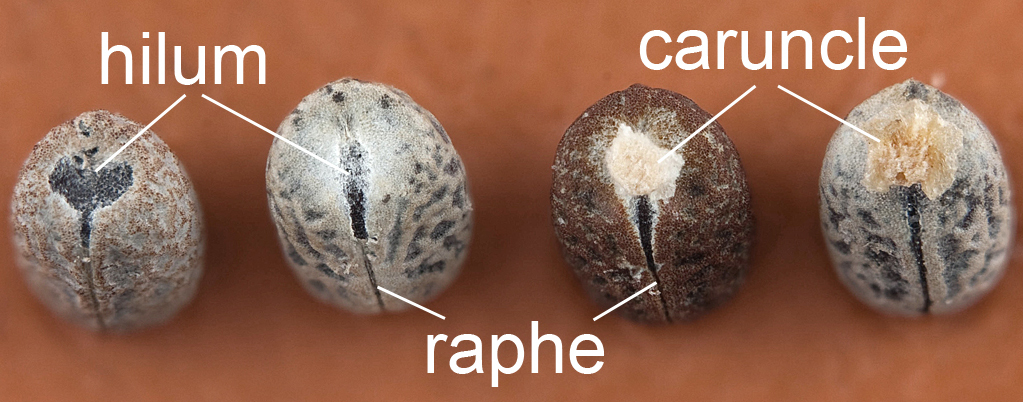 on basalBasal:
The base of the fruit or seed opposite the apical end.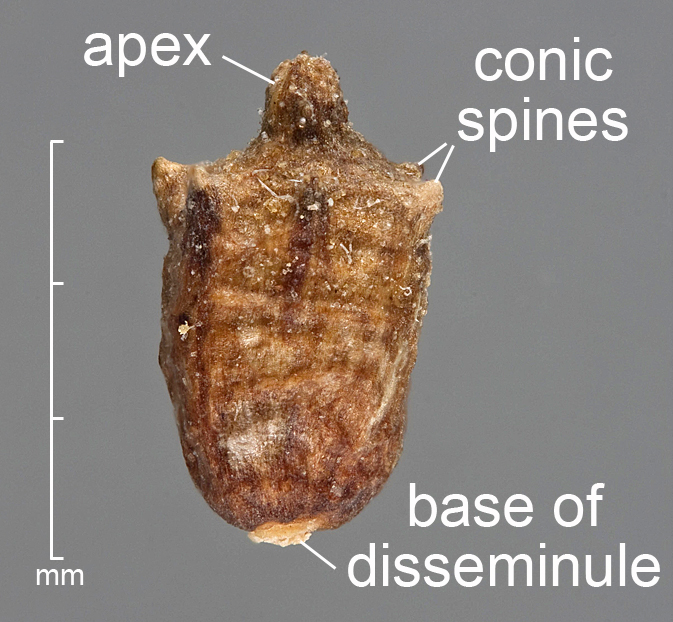 end of margin.
EmbryoEmbryo:
A rudimentary plant contained in a seed, usually consisting of a more or less differentiated axis and attached cotyledon(s).
detectable on entire margin.
State Noxious Weed: Arizona, Georgia, Indiana
Not included
For more information, see ISMA fact sheet, Amaranthus spp.
Amaranthaceae
Amaranthus retroflexus L.
Amaranthus retroflexus L. var. salicifolius I.M. Johnst.