Agricultural
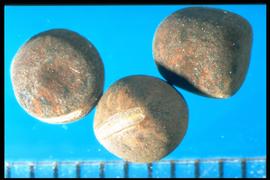
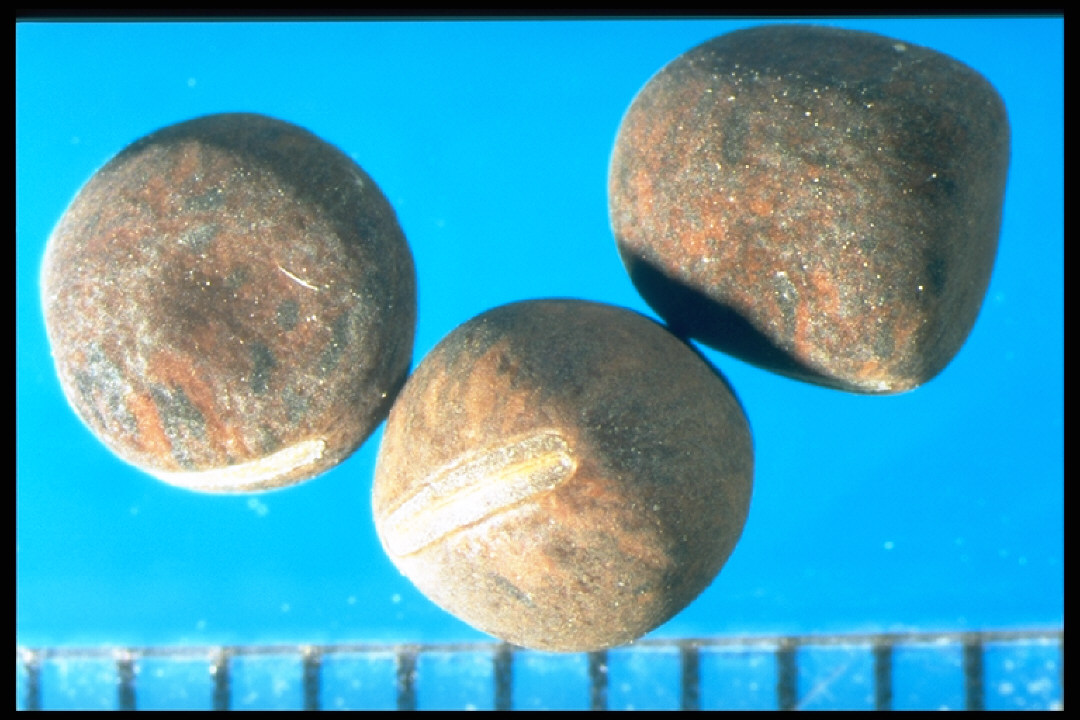
Hungarian vetch
True seedTrue seed:
A mature fertilized ovule consisting of an embryo, with or without and external food reserve (e.g., endosperm) enclosed by the testa.
Globose to spherical
Brown and black mottled
Dull and smooth
HilumHilum:
The scar on the seed coat at the place of its detachment from the seed stalk (funiculus).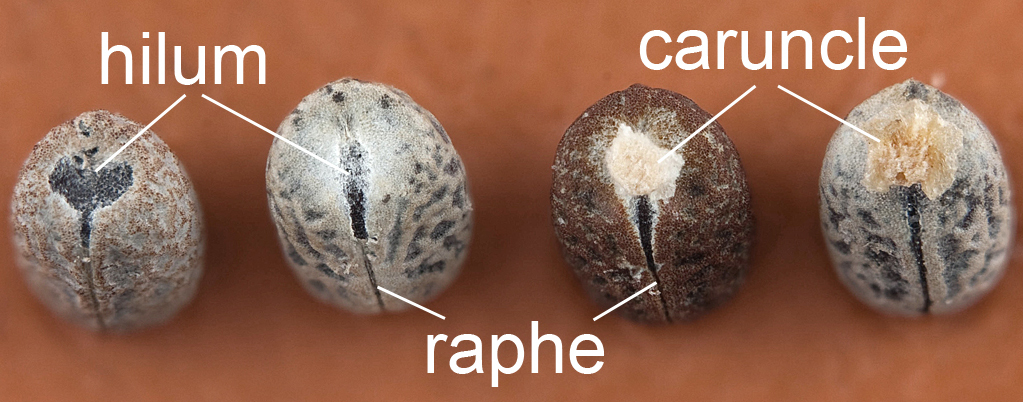 is 2 mm long; chalazaChalaza:
End of seed opposite the micropyle.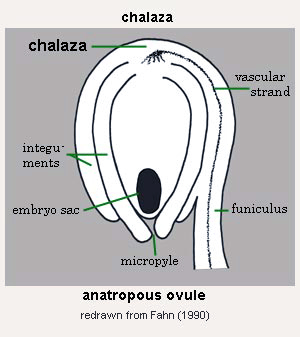 is on back of seed opposite hilumHilum:
The scar on the seed coat at the place of its detachment from the seed stalk (funiculus)..
The unusual feature of this seed is that the hilumHilum:
The scar on the seed coat at the place of its detachment from the seed stalk (funiculus). and chalazaChalaza:
End of seed opposite the micropyle. are on opposite sides of the seed. HilumHilum:
The scar on the seed coat at the place of its detachment from the seed stalk (funiculus). is flush with the seed surface.
Not listed
Not included
Fabaceae
Vicia pannonica Crantz