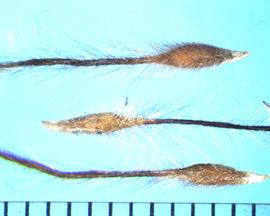
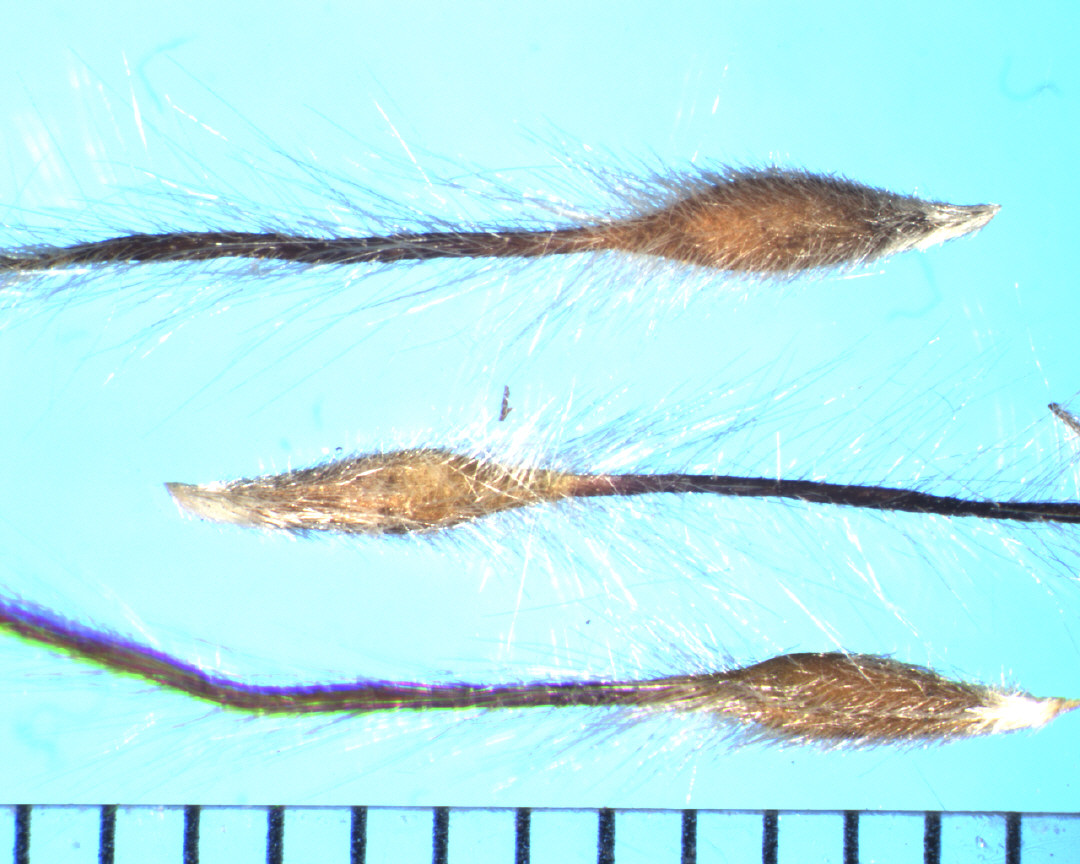
Flower, Weed
European pasqueflower
AcheneAchene:
A dry, hard, one-chambered, one-seeded indehiscent fruit, as in buckwheat (Fagopyrum) or sunflower (Helianthus). The fruit wall is not united with the seed coat.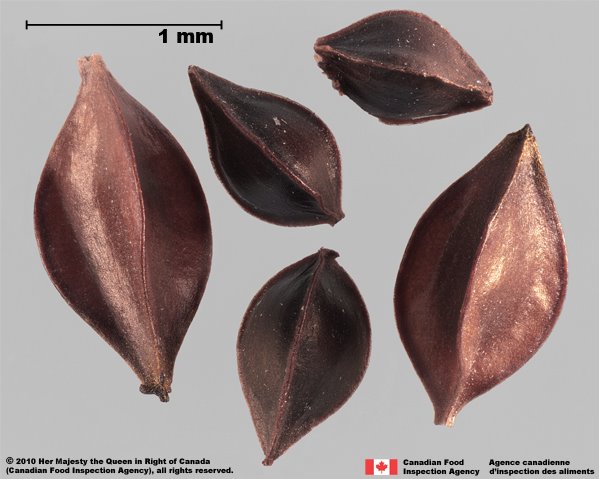
EllipticElliptic:
Outline of an ellipse; greatest width midway sloping to an equally pointed apex and base.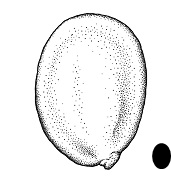
Brown
PubescentPubescent:
Having hairs.
ApexApical:
The distal end of the fruit or seed away from the point of attachment or attachment scar.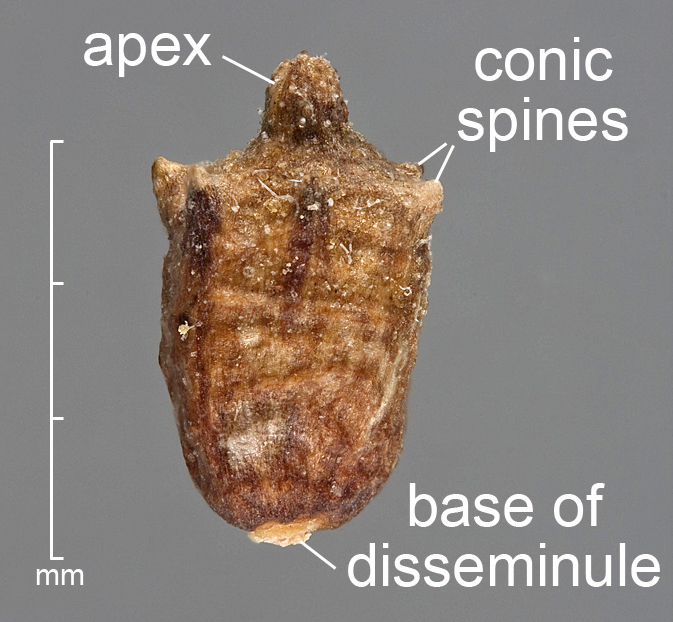 has long awnAwn:
A narrow, bristle-like organ, as on the glumes or lemmas of grasses (Poaceae).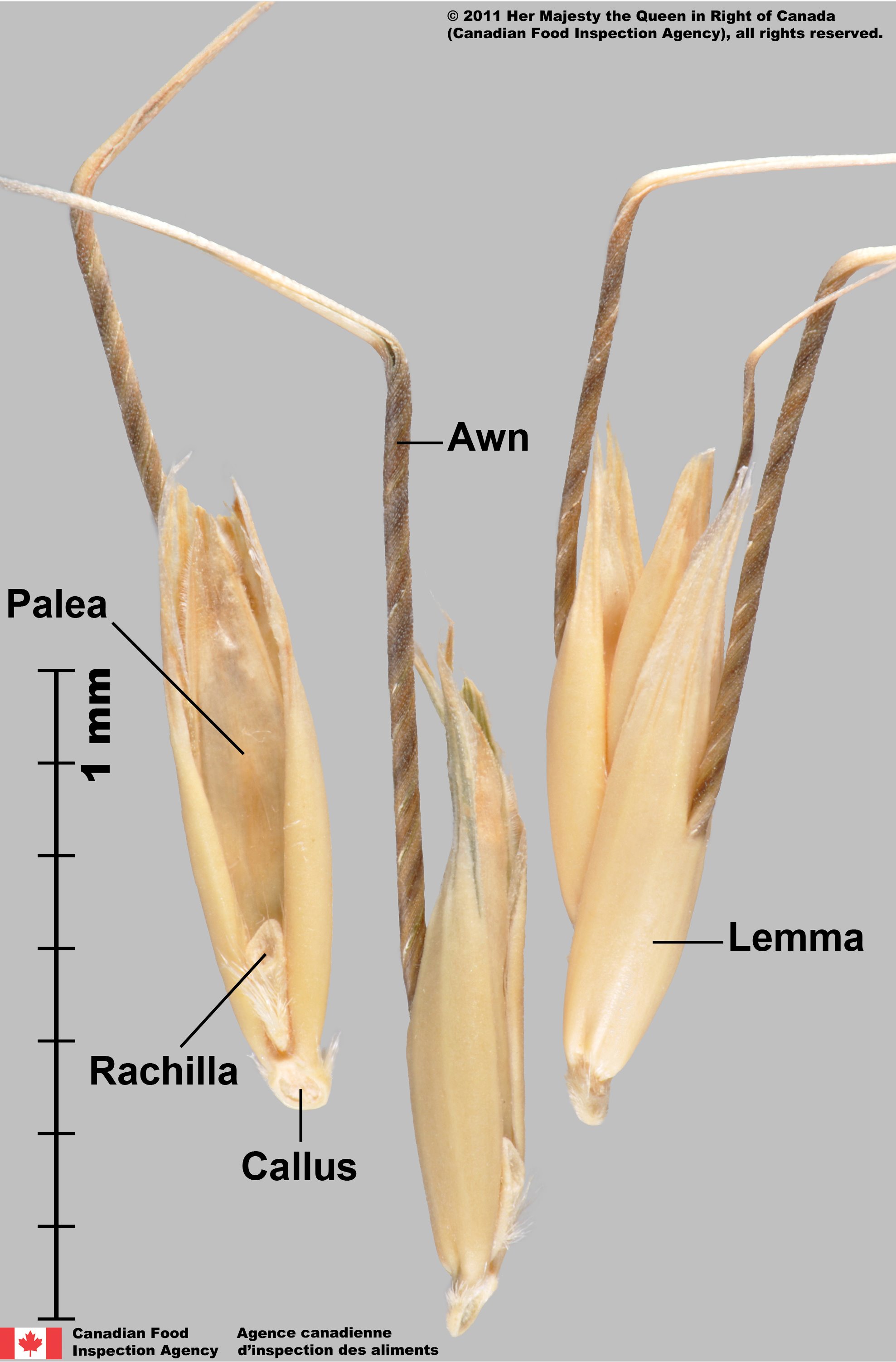 with coils. Base has a sharp and curved point.
Hairs cover the entire acheneAchene:
A dry, hard, one-chambered, one-seeded indehiscent fruit, as in buckwheat (Fagopyrum) or sunflower (Helianthus). The fruit wall is not united with the seed coat. from the base to the tip of the awnAwn:
A narrow, bristle-like organ, as on the glumes or lemmas of grasses (Poaceae)..
Not listed
Not included
Ranunculaceae
Pulsatilla vulgaris L.
Anemone pulsatilla L.