Weed
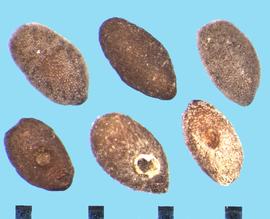
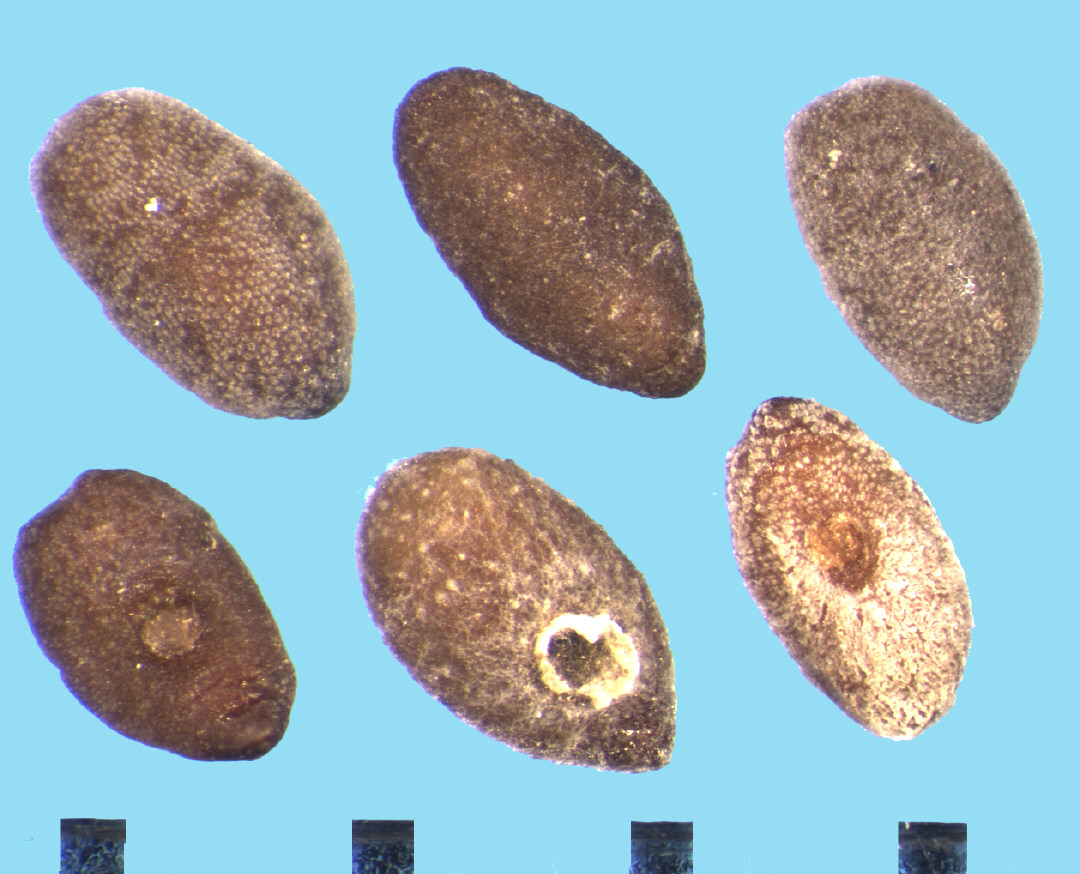
buckhorn plantain
True seedTrue seed:
A mature fertilized ovule consisting of an embryo, with or without and external food reserve (e.g., endosperm) enclosed by the testa.
OvalOval:
Broadly elliptic.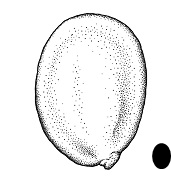
Brown
Stippled
StipplesStipples:
Numerous small dots or specks.
are strong on dorsalDorsal:
Upper side or back of a seed or fruit.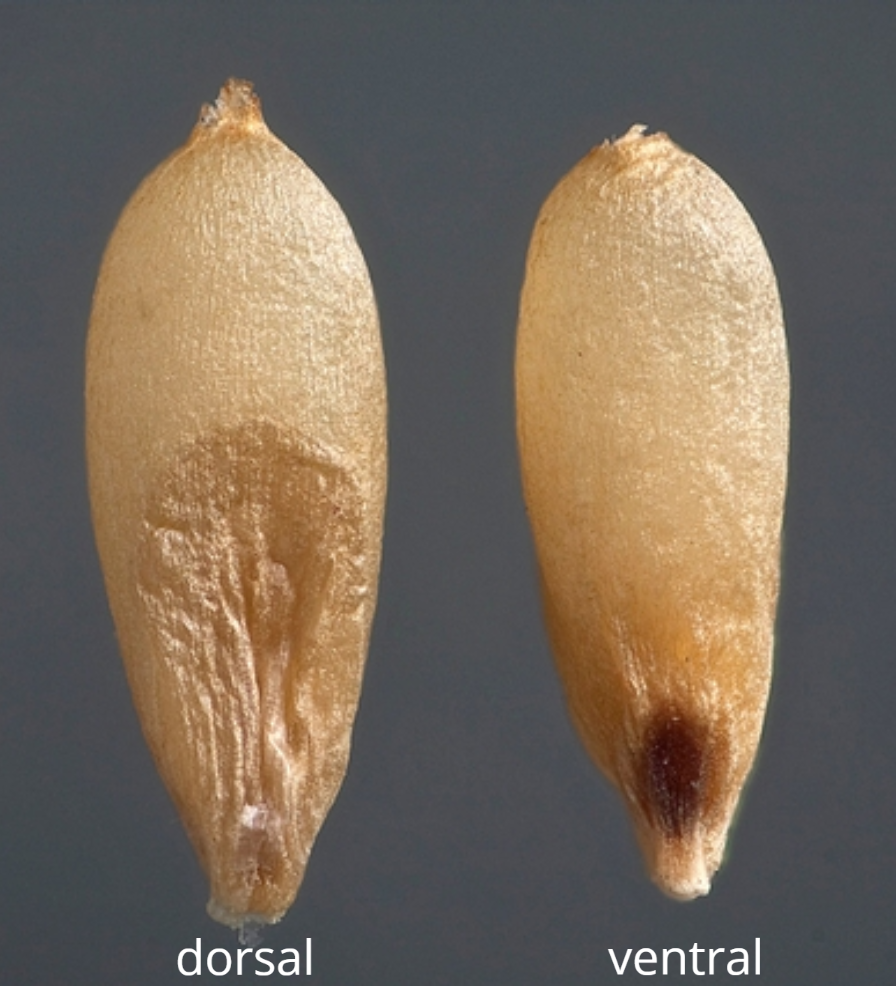 side but weak on ventralVentral:
Adaxial; of the side of an organ facing the axis (compare dorsal).
side.
HilumHilum:
The scar on the seed coat at the place of its detachment from the seed stalk (funiculus).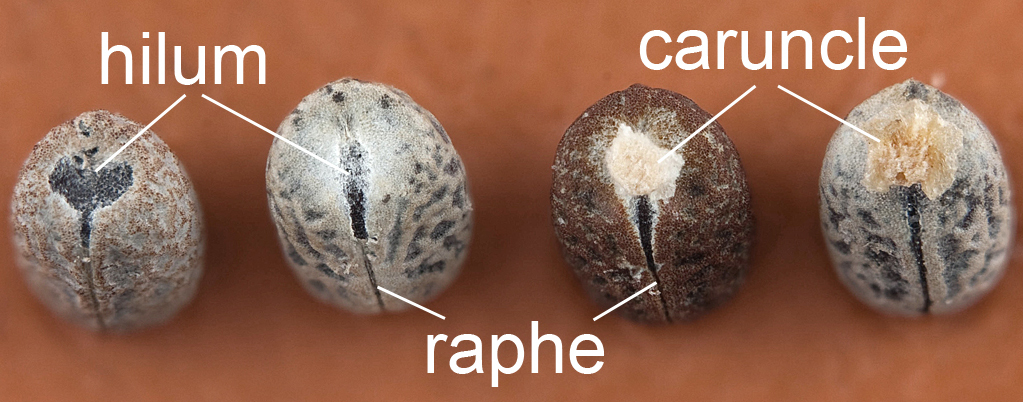 is round and near the center on the ventralVentral:
Adaxial; of the side of an organ facing the axis (compare dorsal).
side.
State Noxious Weed: Alaska, Connecticut, Mississippi, Washington
Not included
Plantaginaceae
Plantago coronopus L.
Plantago coronopus L. ssp. commutata (Guss.) Pilg.