Weed
pigweed
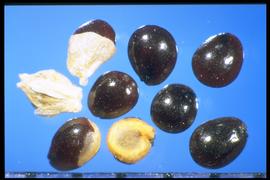
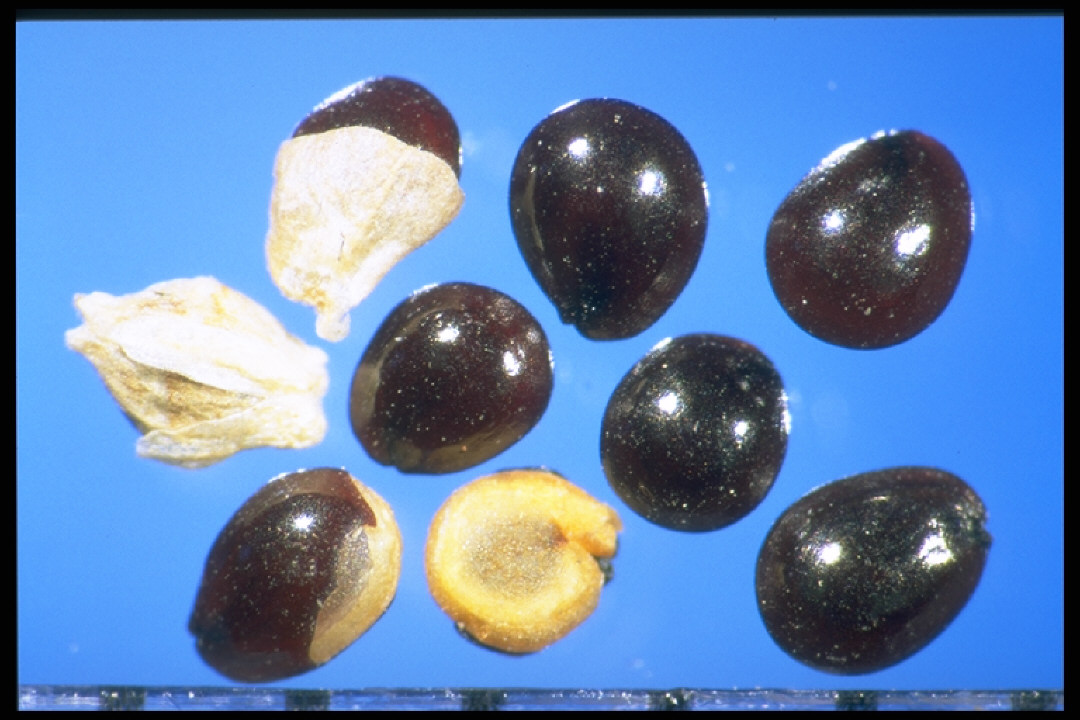
True seedTrue seed:
A mature fertilized ovule consisting of an embryo, with or without and external food reserve (e.g., endosperm) enclosed by the testa.
LenticularLenticular:
Lens-shaped, circular in outline with convex sides.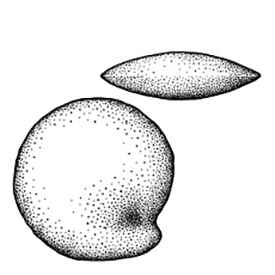 , rounded, or slightly elongate
Black to dark reddish brown
Shiny and smooth
FruitFruit:
A mature ovary and any associated parts.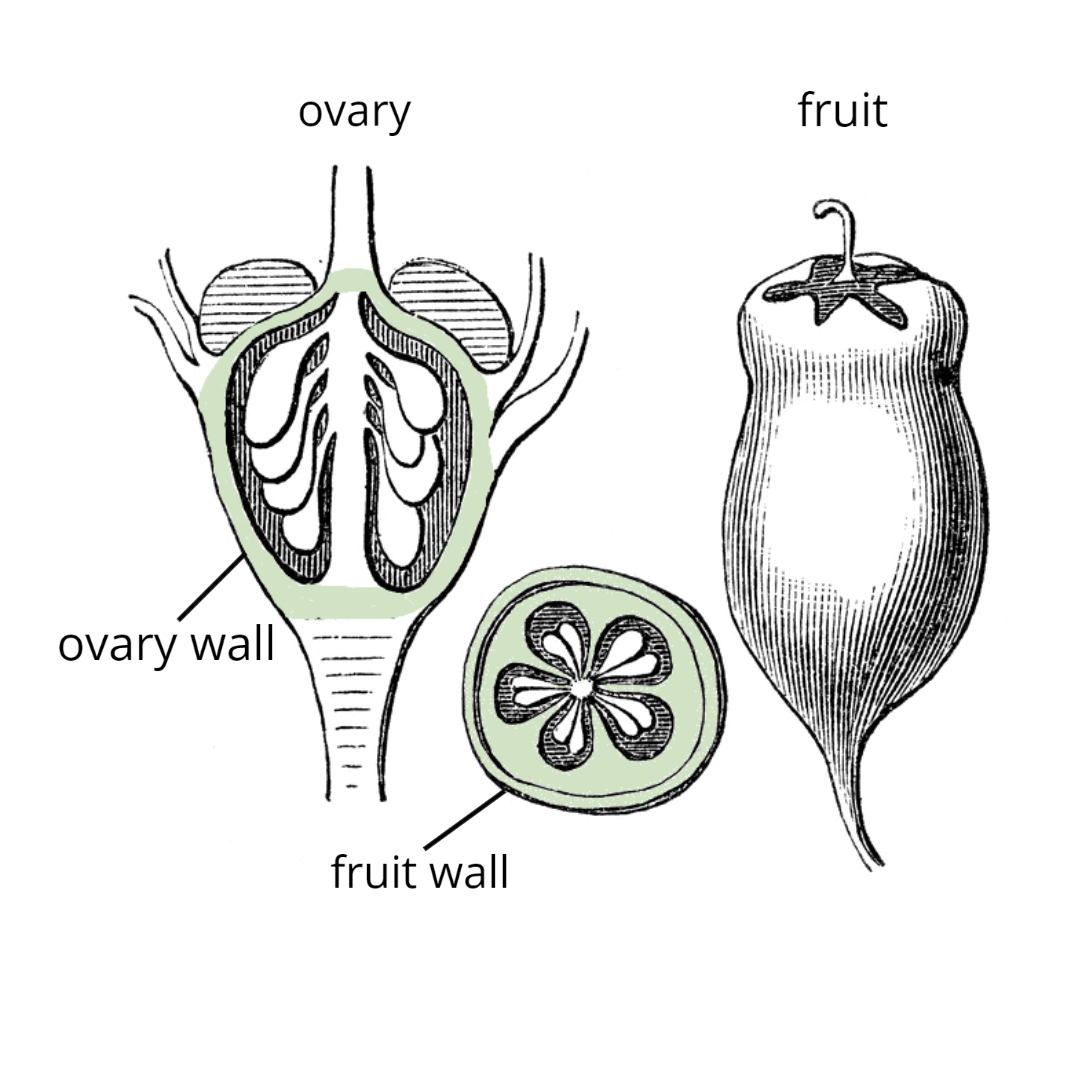 coats and other integumentsInteguments:
The tissues covering or surrounding the ovule, usually consisting of an inner and outer layer that comprise the seed coat (or testa) of the mature ovule.
sometimes attached.
In Amaranthaceae, the seeds are true seedsTrue seed:
A mature fertilized ovule consisting of an embryo, with or without and external food reserve (e.g., endosperm) enclosed by the testa.
that are usually shiny black, lenticularLenticular:
Lens-shaped, circular in outline with convex sides., rounded, or slightly elongated. Seeds of the various species have different seed coatsSeed coat:
The protective covering of a seed usually composed of the inner and outer integuments. Also called the testa.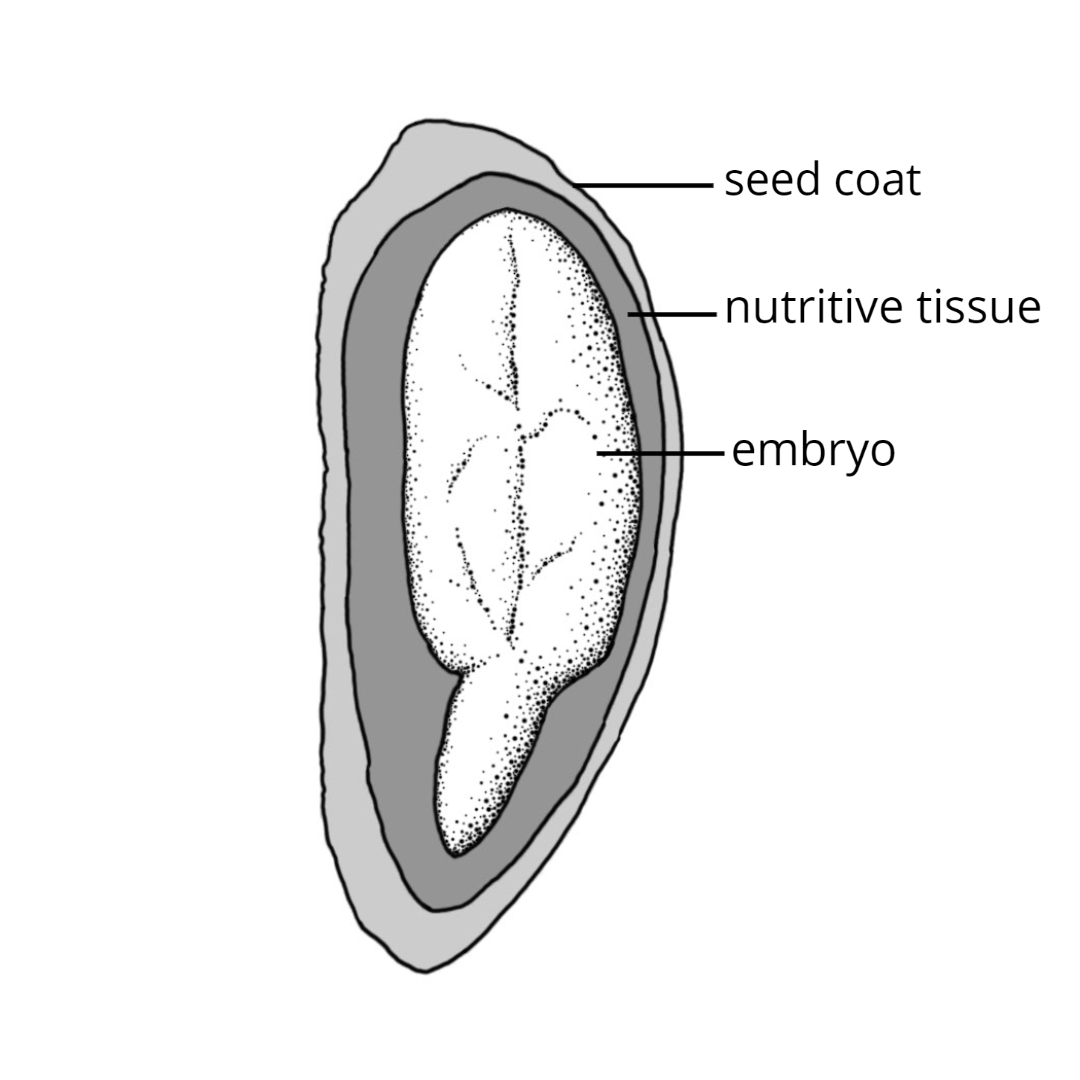 that are not black. FruitFruit:
A mature ovary and any associated parts. coats and floral parts are sometimes attached.
State Noxious Weed: Arizona, Georgia, Indiana
Not included
For more information, see ISMA fact sheet, Amaranthus spp.
Amaranthaceae
Amaranthus L.