Flower, Weed
grannyvine
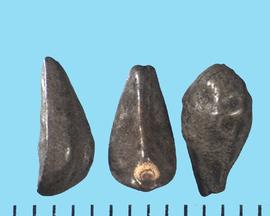
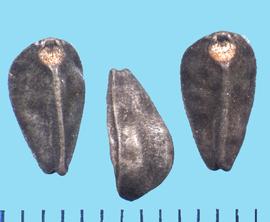
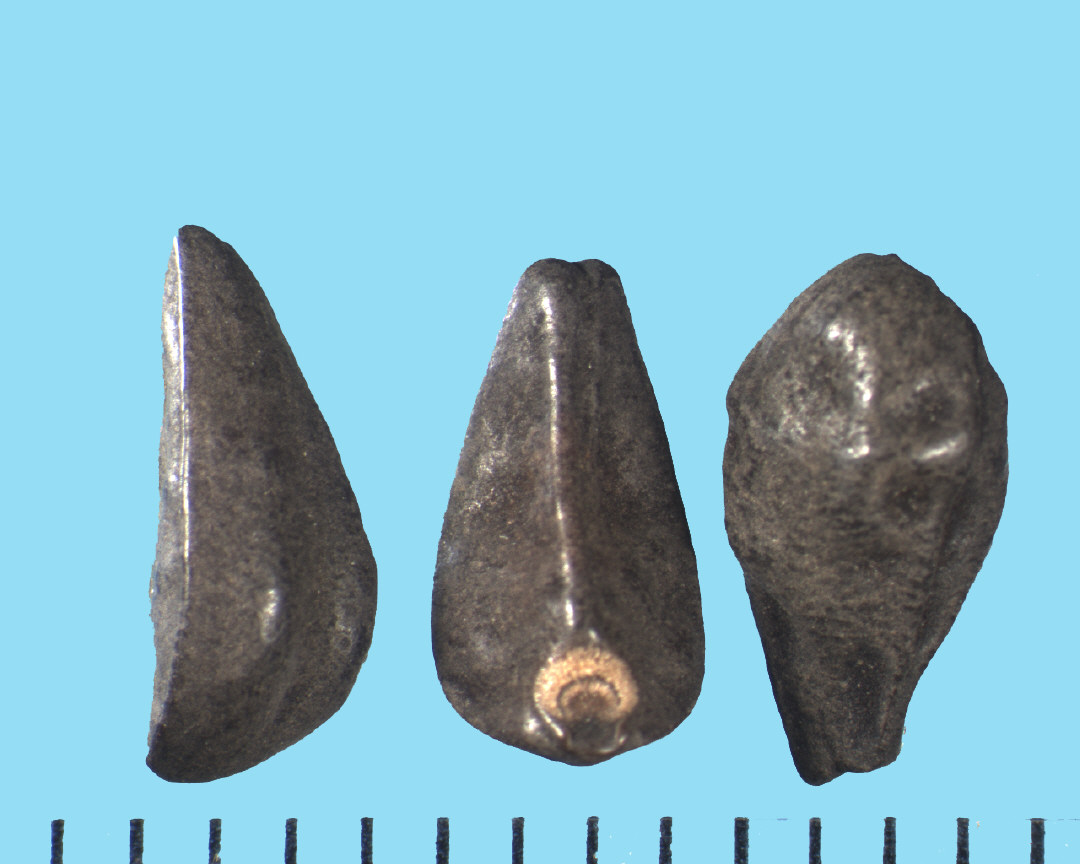
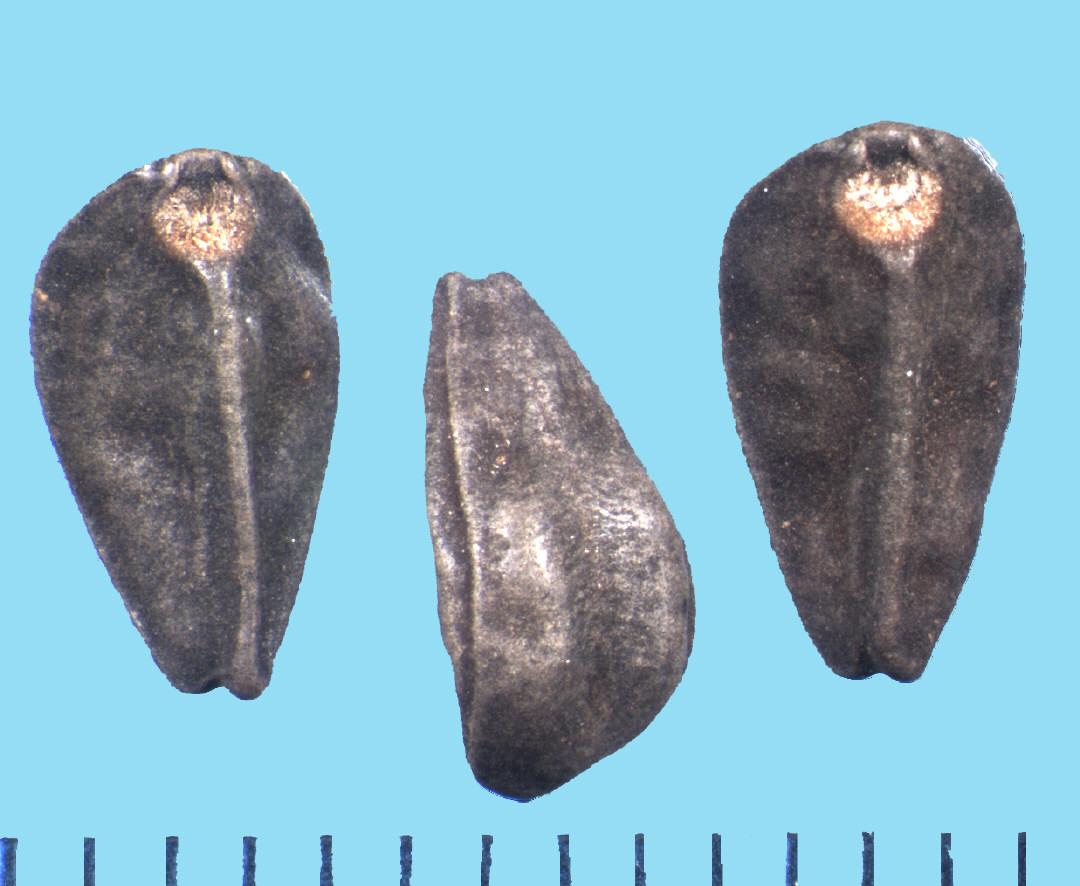
True seedTrue seed:
A mature fertilized ovule consisting of an embryo, with or without and external food reserve (e.g., endosperm) enclosed by the testa.
OvateOvate:
Egg-shaped with basal end the broadest.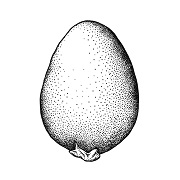
Black-mottled
Smooth
Basal hilumHilum:
The scar on the seed coat at the place of its detachment from the seed stalk (funiculus).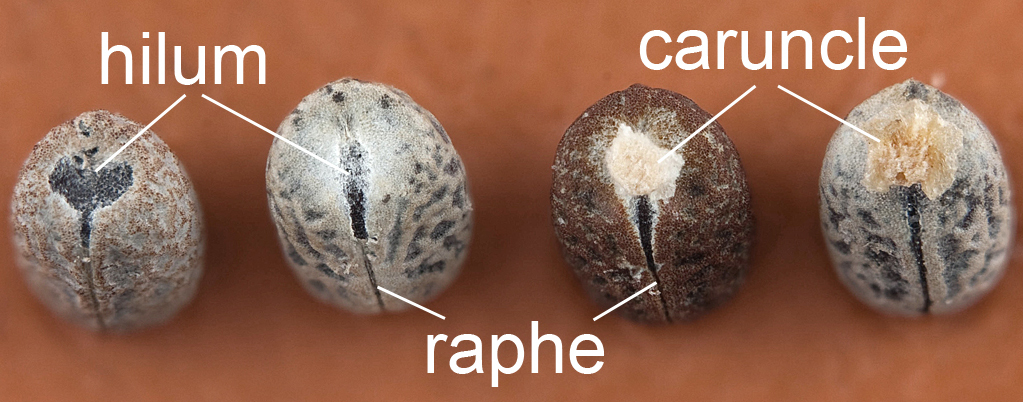 is light brown. Longitudinal rib extends from hilumHilum:
The scar on the seed coat at the place of its detachment from the seed stalk (funiculus). to apexApical:
The distal end of the fruit or seed away from the point of attachment or attachment scar.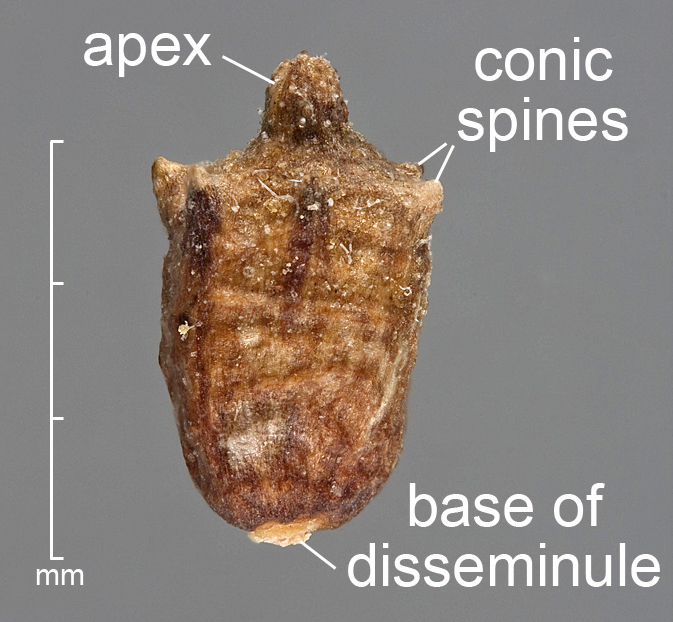 .
.
DorsalDorsal:
Upper side or back of a seed or fruit.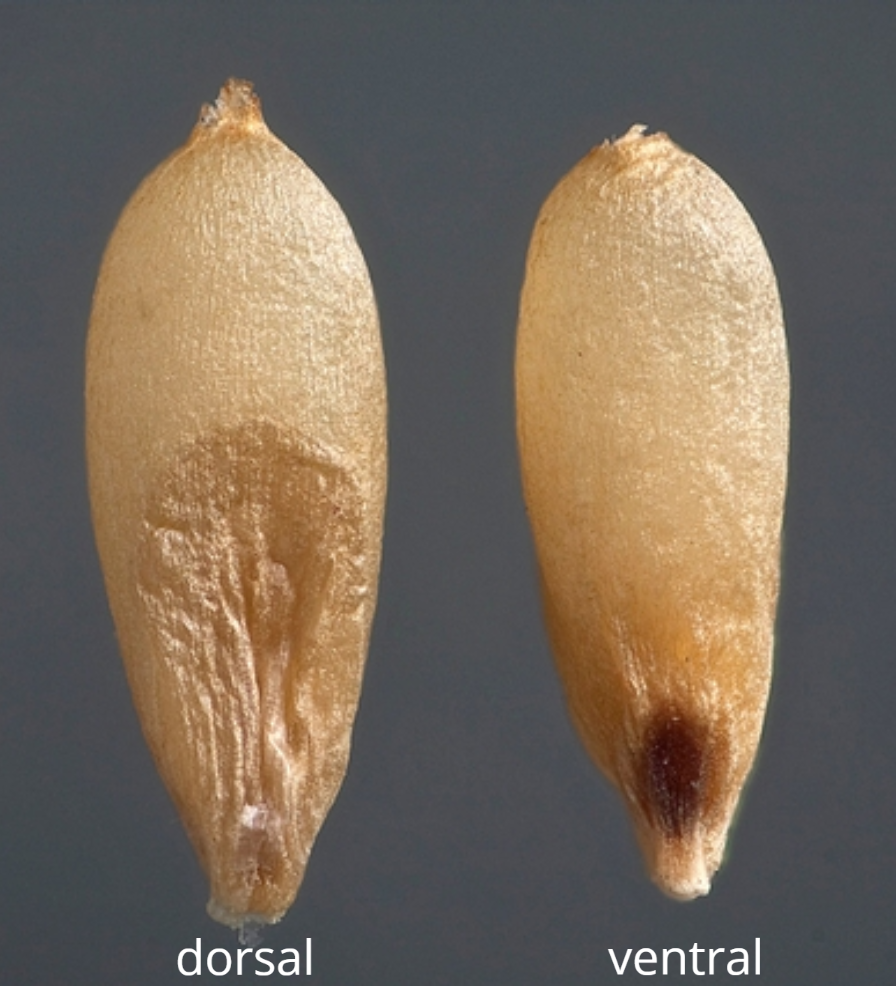 view shows two flat sides separated by the rib. VentralVentral:
Adaxial; of the side of an organ facing the axis (compare dorsal).
side is rounded.
State Noxious Weed: Arizona, Arkansas, Kansas, Louisiana, Michigan, Mississippi, Nebraska, New Mexico, North Carolina, Oklahoma, Texas
Not included
For more information, see ISMA fact sheet, Ipomoea spp.
Convolvulaceae
Ipomoea tricolor Cav.