Agricultural
rape
True seedTrue seed:
A mature fertilized ovule consisting of an embryo, with or without and external food reserve (e.g., endosperm) enclosed by the testa.
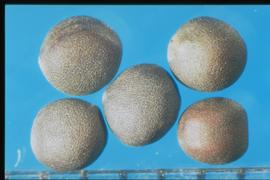
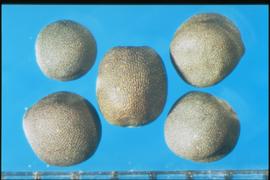
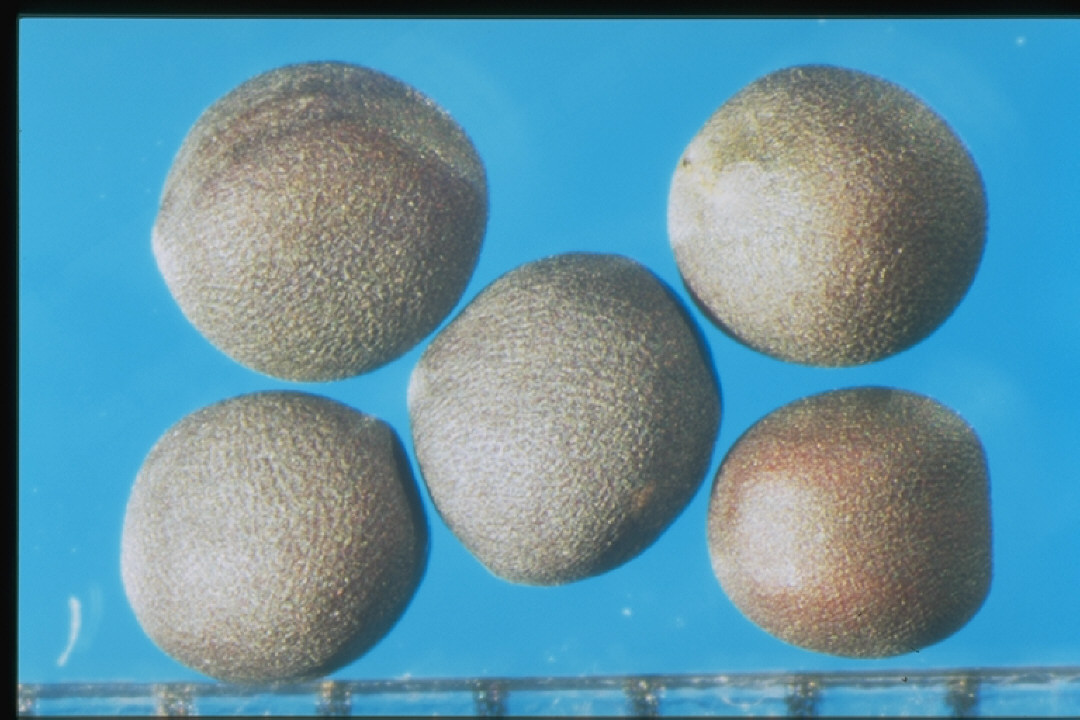
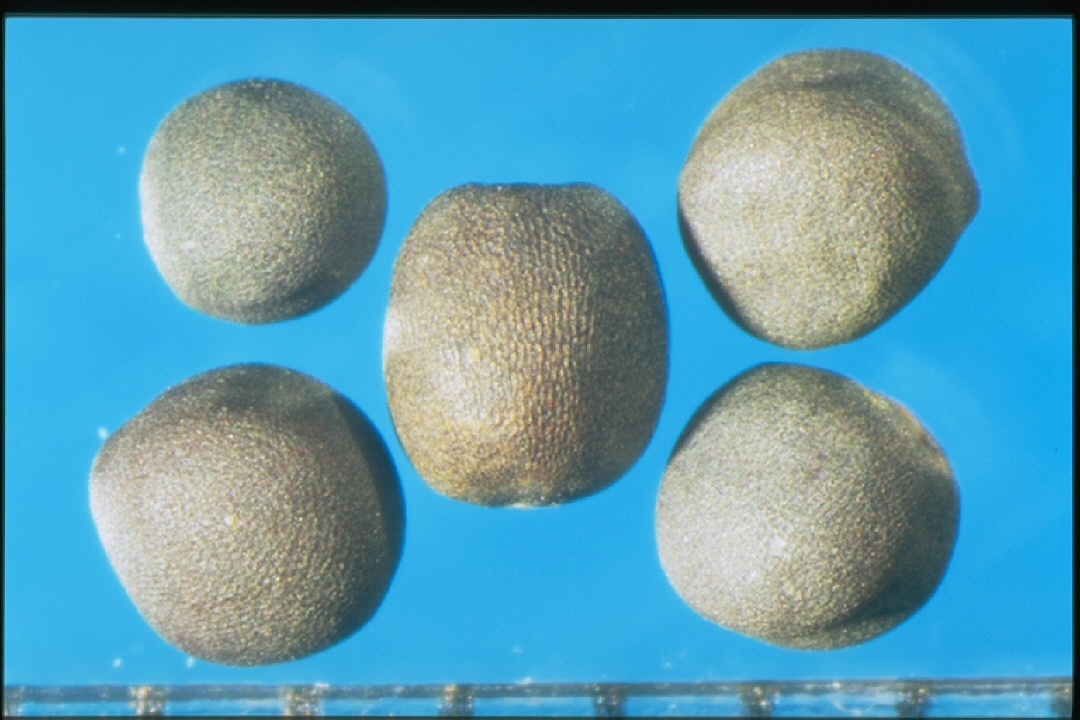
Globose
Gray to black
Reticulum is fine; the stipplesStipples:
Numerous small dots or specks.
are difficult to see.
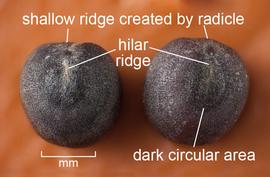
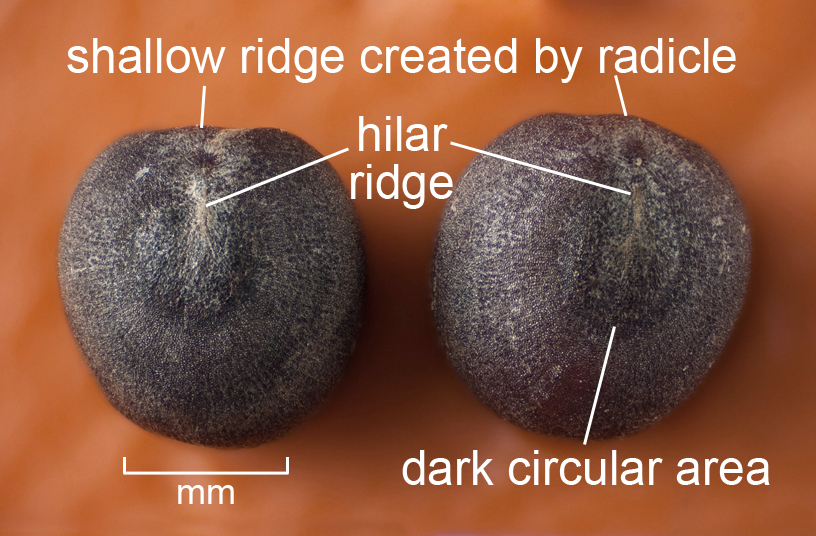
The hilumHilum:
The scar on the seed coat at the place of its detachment from the seed stalk (funiculus).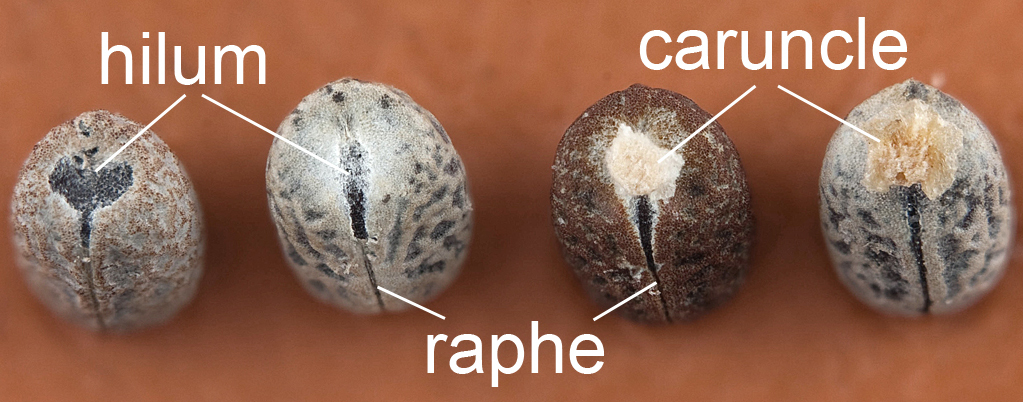 is at the base of the indentations made by radicleRadicle:
The rudimentary root of the embryo, developing into the primary root after emergence from the seed coat.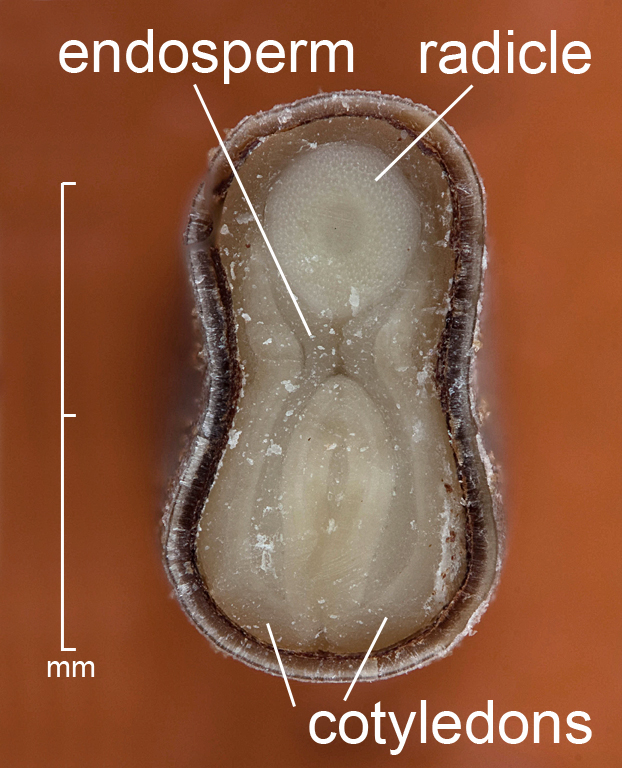 and cotyledonsCotyledon:
The modified storage leaf or pair of leaves of an embryo and seedling (see primary leaf).
.
Seeds are spherical. Reticulum is present, which is somewhat fine and flattened. StipplesStipples:
Numerous small dots or specks.
are larger and more prominent than those of other B. napus varieties. Color is dark gray to black.
Seed of this species is considered noxious only when found as a contaminate check individual states for interpretations.
State Noxious Weed: Alabama, Arizona, Connecticut, Florida, Georgia, Illinois, Kansas, Louisiana, Maine, Massachusetts, Mississippi, Nebraska, New Hampshire, North Carolina, Oklahoma, Rhode Island, South Carolina, Tennessee, Texas, Virginia, Vermont
Included
For more information, see ISMA fact sheet.
Brassicaceae
Brassica napus L.