
Flower
sweetwilliam, sweet william
True seedTrue seed:
A mature fertilized ovule consisting of an embryo, with or without and external food reserve (e.g., endosperm) enclosed by the testa.
OvalOval:
Broadly elliptic.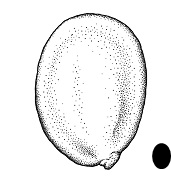
Dark gray
Rough to tuberculateTuberculate:
Having small pimple-like protuberances.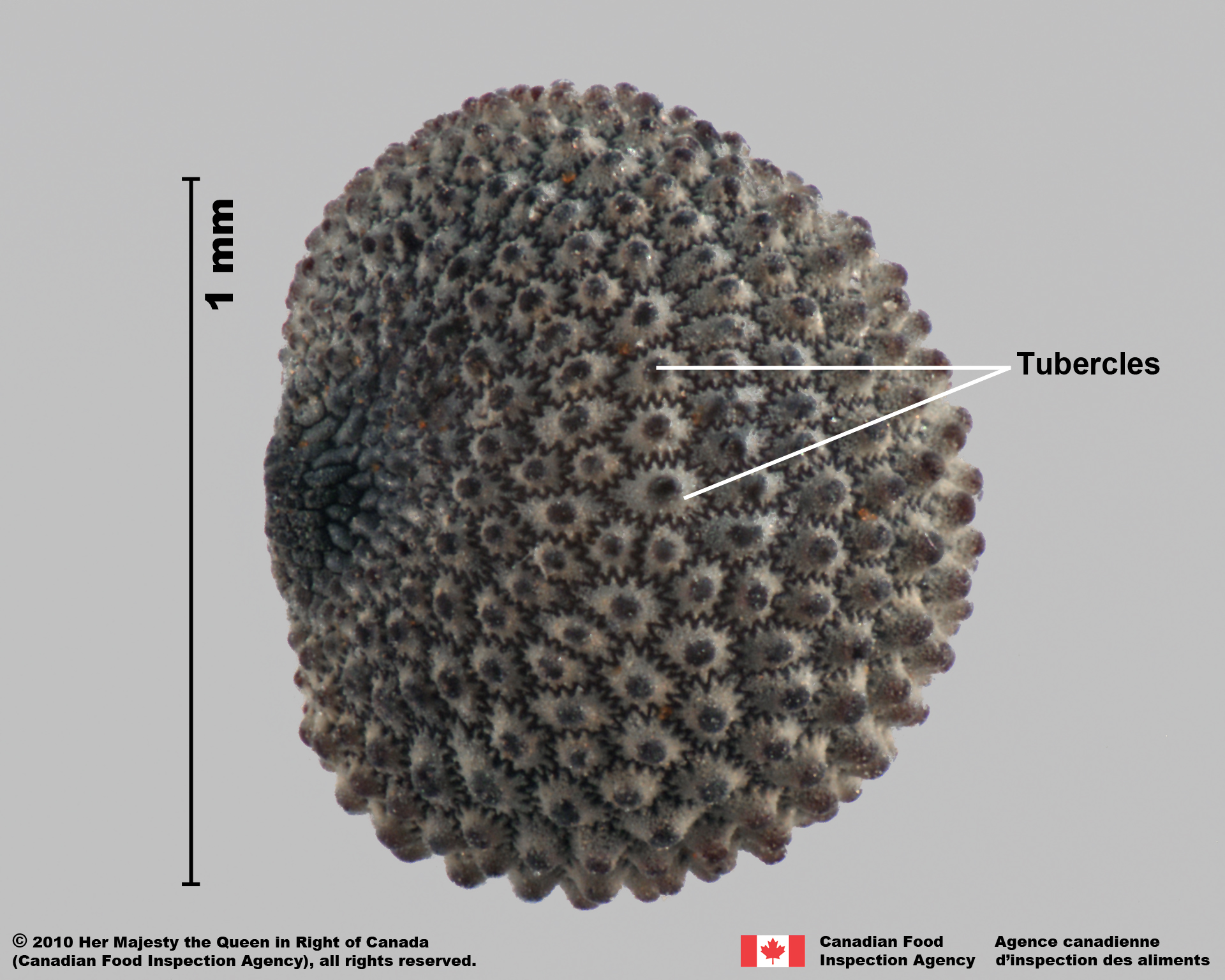
HilumHilum:
The scar on the seed coat at the place of its detachment from the seed stalk (funiculus).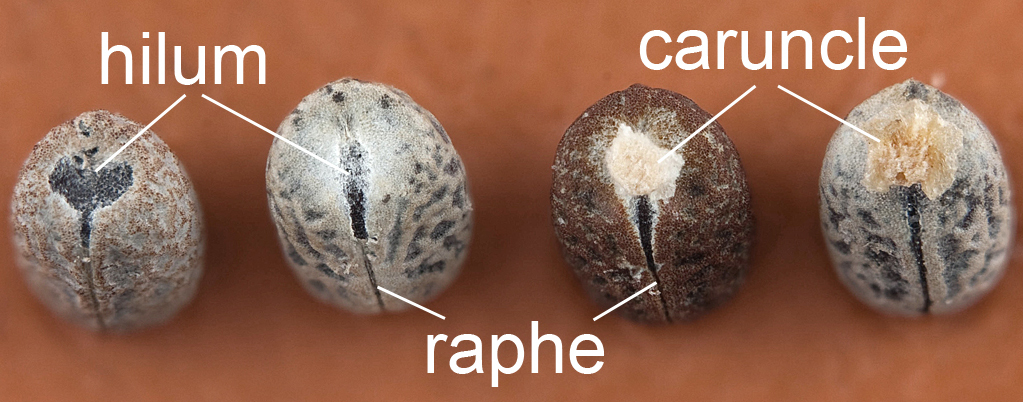 is on the point at the base. Depressions are on the lateral side.
Seeds are compressed and broadly ovalOval:
Broadly elliptic. in outline with a point at the basalBasal:
The base of the fruit or seed opposite the apical end.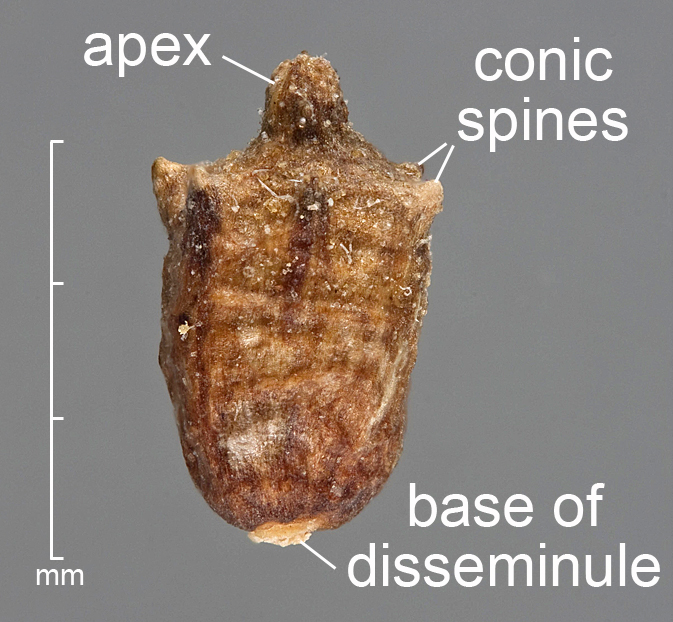 end. Surface texture is rough to tuberculateTuberculate:
Having small pimple-like protuberances.. A ridge runs from the point to approximately half the central length of the seed. Seeds are roughly 3 mm in length.
Seeds of D. barbatus and D. armeria are very similar except for the size difference, with D. armeria being smaller at 1 mm in length.
Not listed
Not included
Caryophyllaceae
Dianthus barbatus L.
Dianthus barbatus L. ssp. barbatus
.jpg)
.jpg)
.jpg)
.jpg)