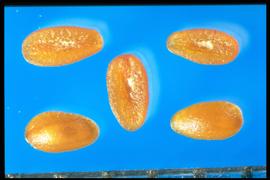
Weed
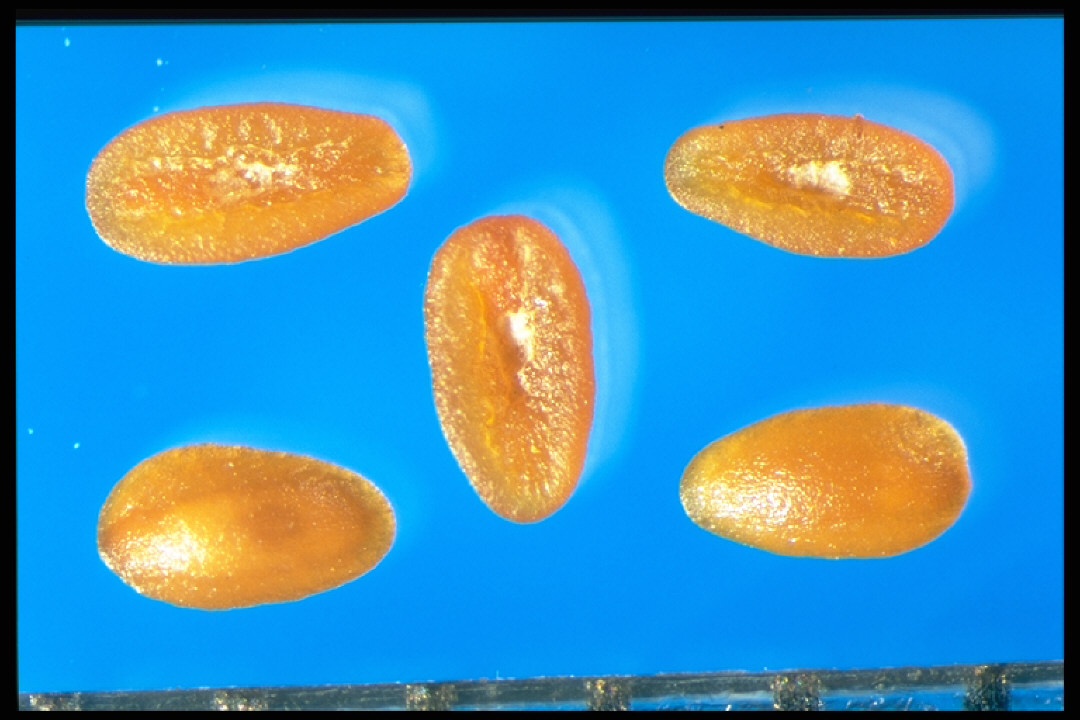
Virginia plantain, paleseed Indianwheat
True seedTrue seed:
A mature fertilized ovule consisting of an embryo, with or without and external food reserve (e.g., endosperm) enclosed by the testa.
OvalOval:
Broadly elliptic.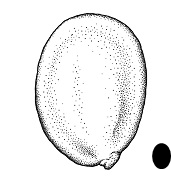 and boat-shaped
Light brown
Moderately smooth
HilumHilum:
The scar on the seed coat at the place of its detachment from the seed stalk (funiculus).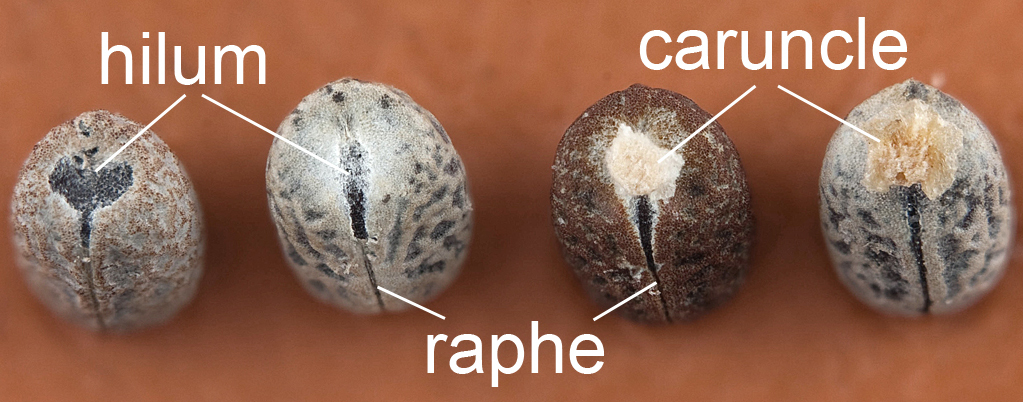 is medial and depressed in the ventralVentral:
Adaxial; of the side of an organ facing the axis (compare dorsal).
concavity.
Seed is uniform ovalOval:
Broadly elliptic. and boat-shaped. Margins are rounded. A trace of the embryoEmbryo:
A rudimentary plant contained in a seed, usually consisting of a more or less differentiated axis and attached cotyledon(s).
can be seed through the dorsalDorsal:
Upper side or back of a seed or fruit.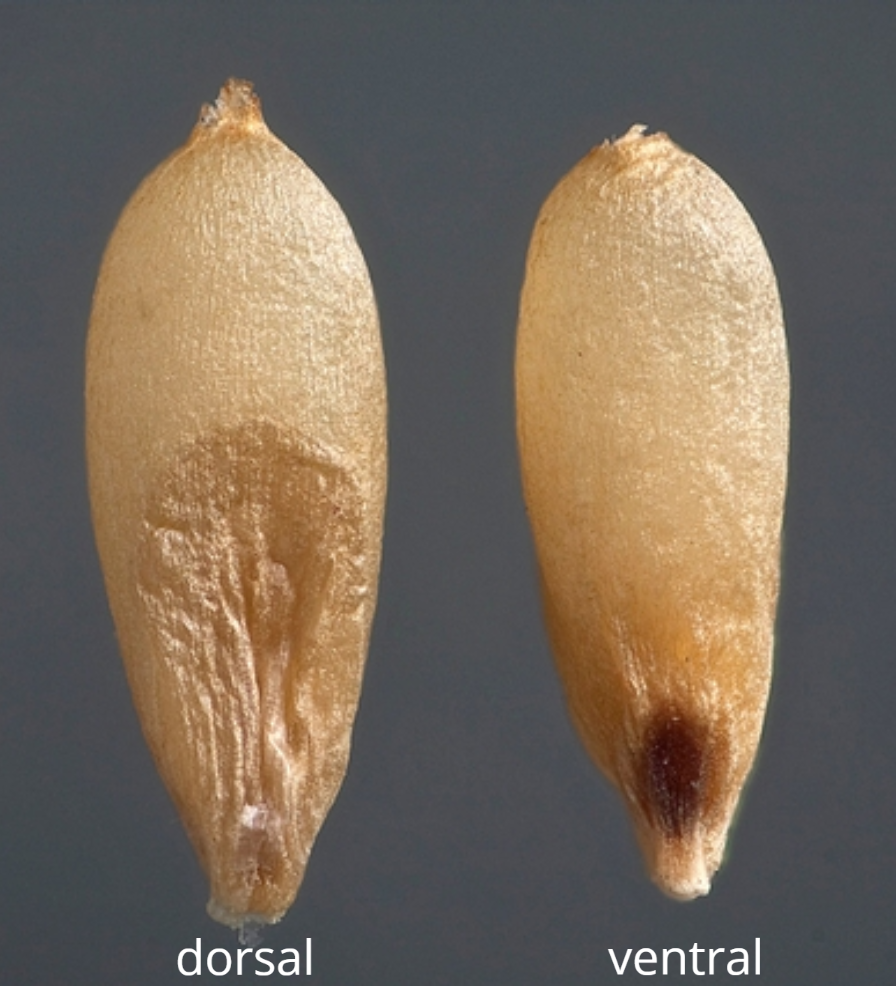 side.
side.
State Noxious Weed: Alaska, Connecticut, Mississippi, Washington
Included
Plantaginaceae
Plantago virginica L.
Plantago virginica var. viridescens Fernald