Paspalum scrobiculatum

Species category

Weed

Common name

kodomillet, ricegrass paspalum, ricegrass, kodo-millet

Diagnostic characters

Planting unit

FloretFloret:
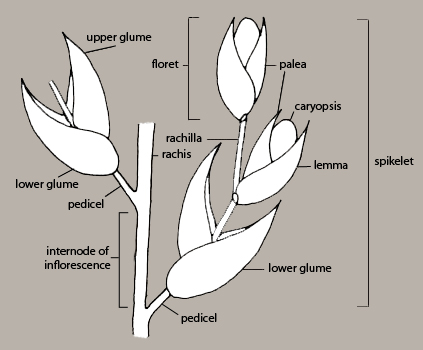
A small flower in a clustered inflorescence (e.g., sunflower, grasses). In grasses, a floret consists of the lemma, palea, stamens, and pistil.
Shape

Broadly ellipticElliptic:
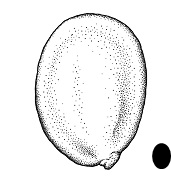
Outline of an ellipse; greatest width midway sloping to an equally pointed apex and base.
Size

  • Length 2.3–2.7 mm
  • Width 1.8–2 mm
  • Thickness 1–1.2 mm

Color

Dark brown 

Texture

FloretFloret:
A small flower in a clustered inflorescence (e.g., sunflower, grasses). In grasses, a floret consists of the lemma, palea, stamens, and pistil.
is striate and shiny

Lemma

Strongly striate

Palea

Striate with transverseTransverse:
Set crosswise, crossing or at right angles.
wrinkles

Other structures

Papery glumesGlume:
The pair of chaffy bracts that occur at the base of a grass spikelet, often completely enclosing it.
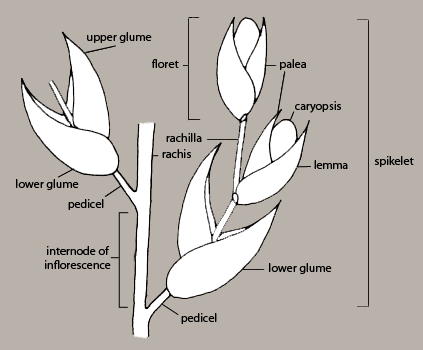
are often attached. 

Identification notes

Fragments of the glumesGlume:
The pair of chaffy bracts that occur at the base of a grass spikelet, often completely enclosing it.
are often attached to the base of the floretFloret:
A small flower in a clustered inflorescence (e.g., sunflower, grasses). In grasses, a floret consists of the lemma, palea, stamens, and pistil.
.

Comments

 Paspalum boscianum has been merged with Paspalum scrobiculatum.

Noxious weed seed categories

Federal

Learn more on ITP's Federal Noxious Weed Disseminules tool.

AOSA examination list

Not included

Nomenclature

Family

Poaceae

Valid name

Paspalum scrobiculatum L.

Synonyms

Paspalum orbiculare G. Forst. 
Paspalum orbiculare G. Forst. var. orbiculare
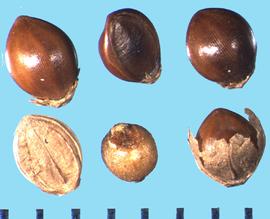
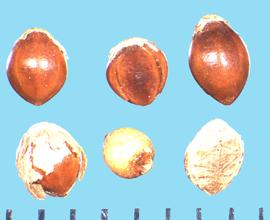
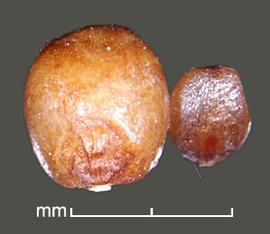
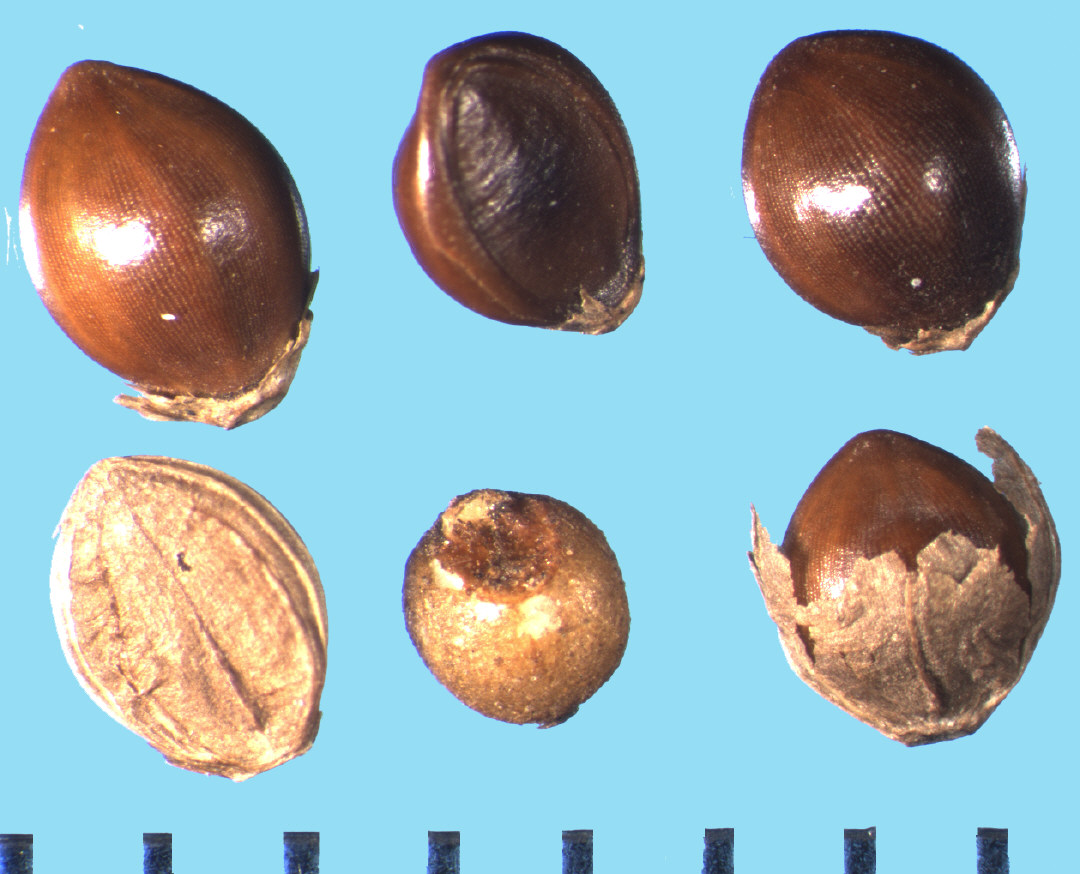
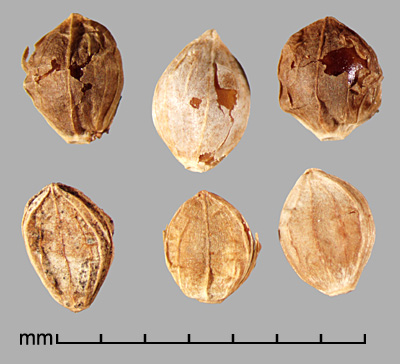
 Paspalum scrobiciulatum . Florets with fragments of the glumes are often attached to the base of the floret.
Paspalum scrobiciulatum. Florets with fragments of the glumes are often attached to the base of the floret.
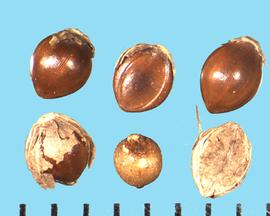
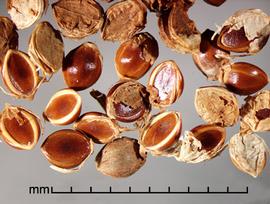
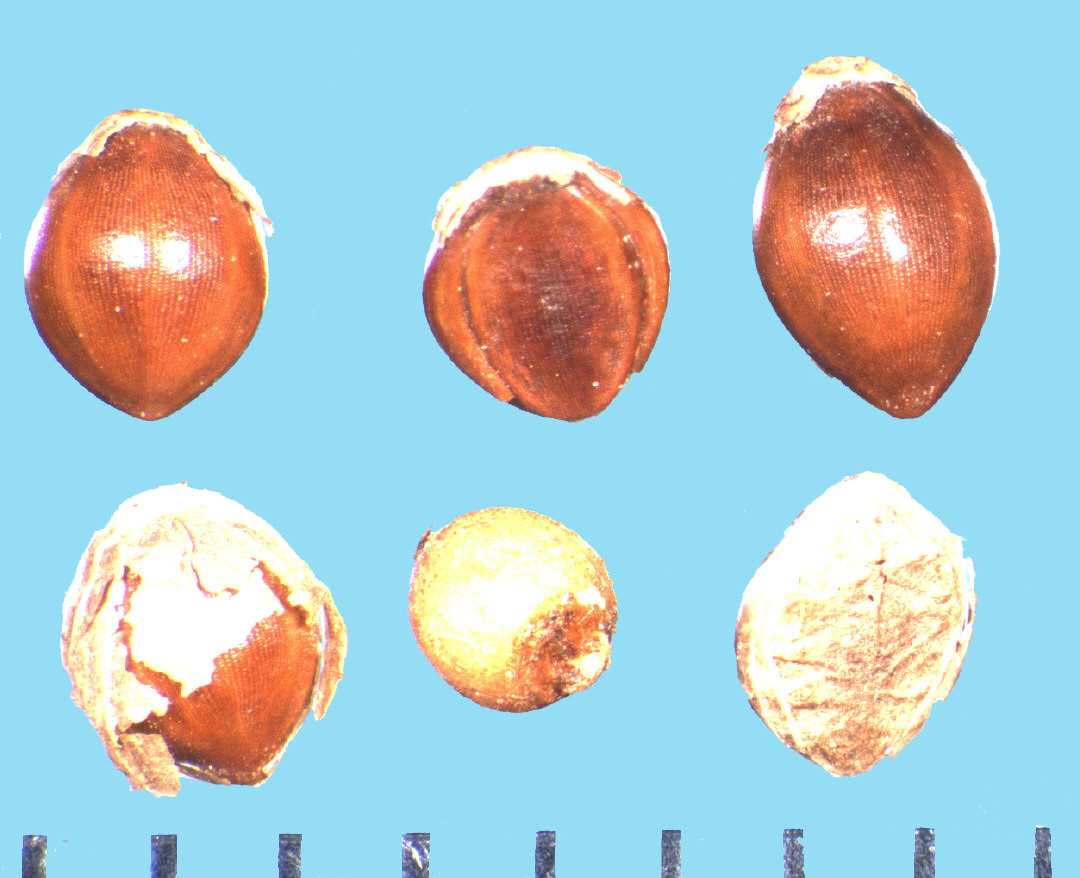
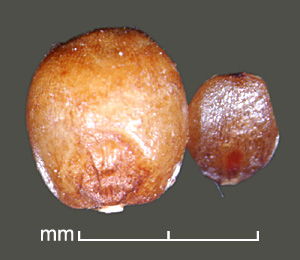
 Paspalum scrobiciulatum . Florets with fragments of the glumes are often attached to the base of the floret.
Paspalum scrobiciulatum. Florets with fragments of the glumes are often attached to the base of the floret.
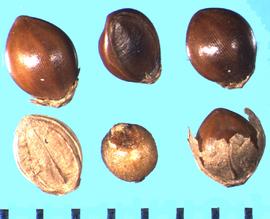
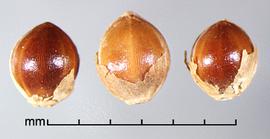
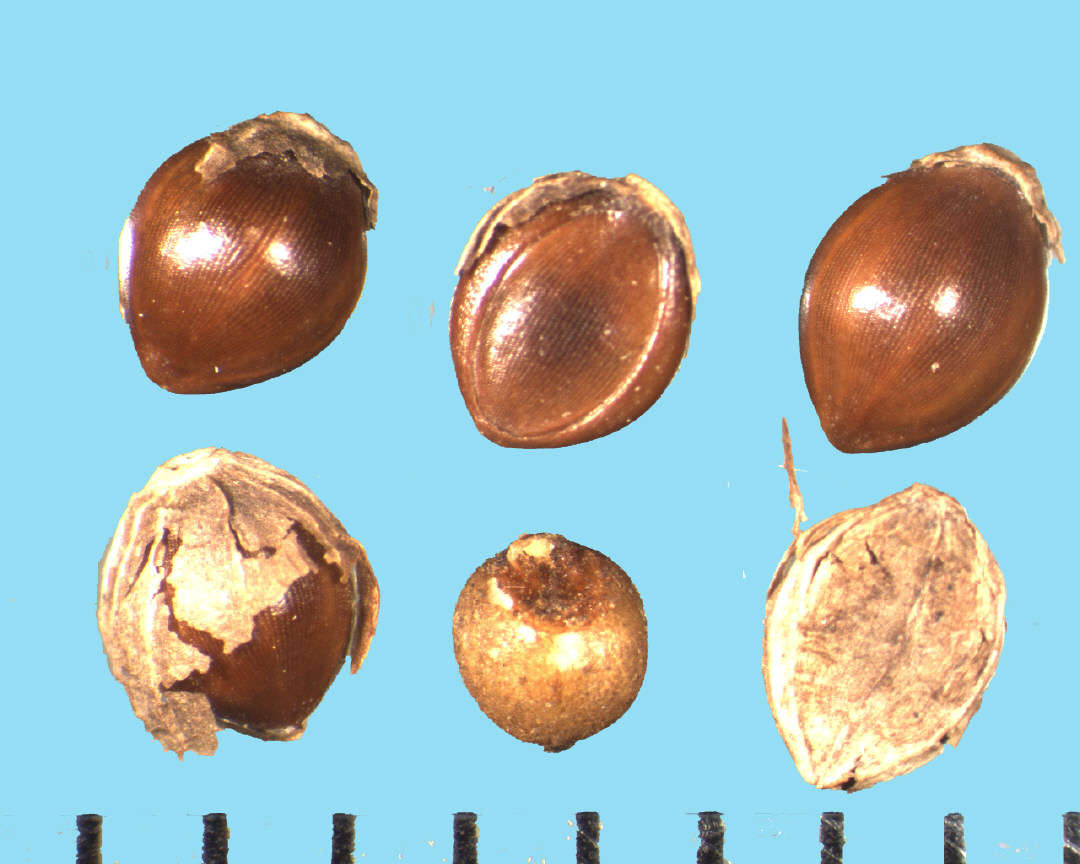
 Paspalum scrobiciulatum . Florets with fragments of the glumes are often attached to the base of the floret.
Paspalum scrobiciulatum. Florets with fragments of the glumes are often attached to the base of the floret.
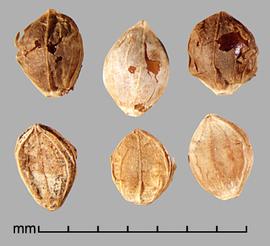
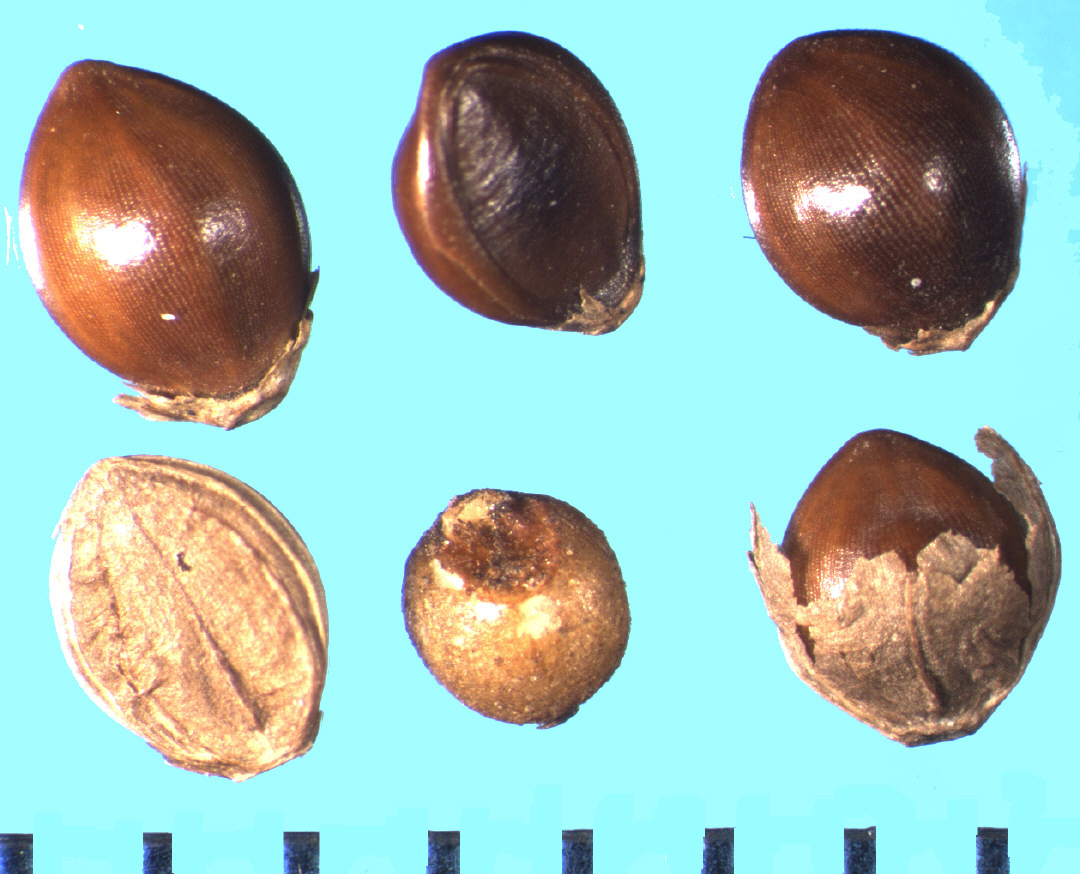
 Paspalum scrobiciulatum . Florets with fragments of the glumes are often attached to the base of the floret.
Paspalum scrobiciulatum. Florets with fragments of the glumes are often attached to the base of the floret.
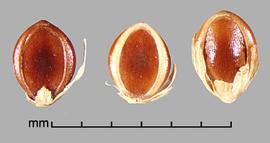
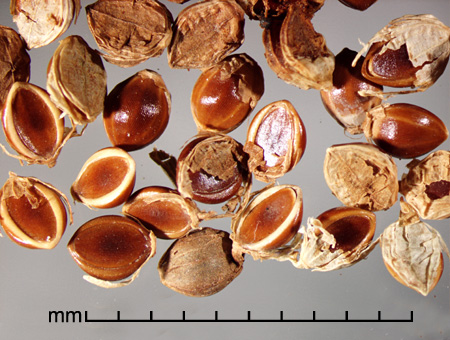
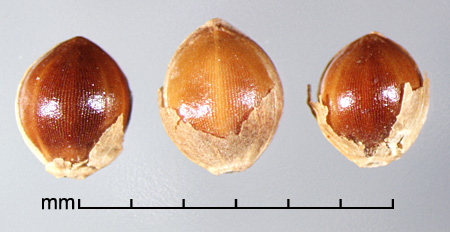
 Paspalum scrobiciulatum.  Florets with papery glumes are often attached. Photo by Julia Scher, USDA-APHIS-PPQ.
Paspalum scrobiciulatum. Florets with papery glumes are often attached. Photo by Julia Scher, USDA-APHIS-PPQ.
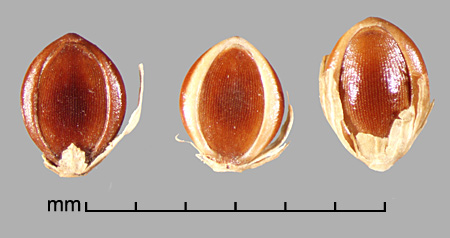
 Paspalum scrobiciulatum.  Florets with papery glumes are often attached. Photo by Julia Scher, USDA-APHIS-PPQ.
Paspalum scrobiciulatum. Florets with papery glumes are often attached. Photo by Julia Scher, USDA-APHIS-PPQ.
 Paspalum scrobiciulatum.  Florets with papery glumes are often attached. Photo by Julia Scher, USDA-APHIS-PPQ.
Paspalum scrobiciulatum. Florets with papery glumes are often attached. Photo by Julia Scher, USDA-APHIS-PPQ.
 Paspalum scrobiciulatum.  Florets with papery glumes are often attached. Photo by Julia Scher, USDA-APHIS-PPQ.
Paspalum scrobiciulatum. Florets with papery glumes are often attached. Photo by Julia Scher, USDA-APHIS-PPQ.
 Paspalum scrobiciulatum.  Florets with papery glumes are often attached. Photo by Julia Scher, USDA-APHIS-PPQ.
Paspalum scrobiciulatum. Florets with papery glumes are often attached. Photo by Julia Scher, USDA-APHIS-PPQ.