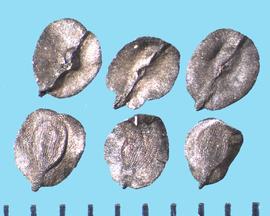
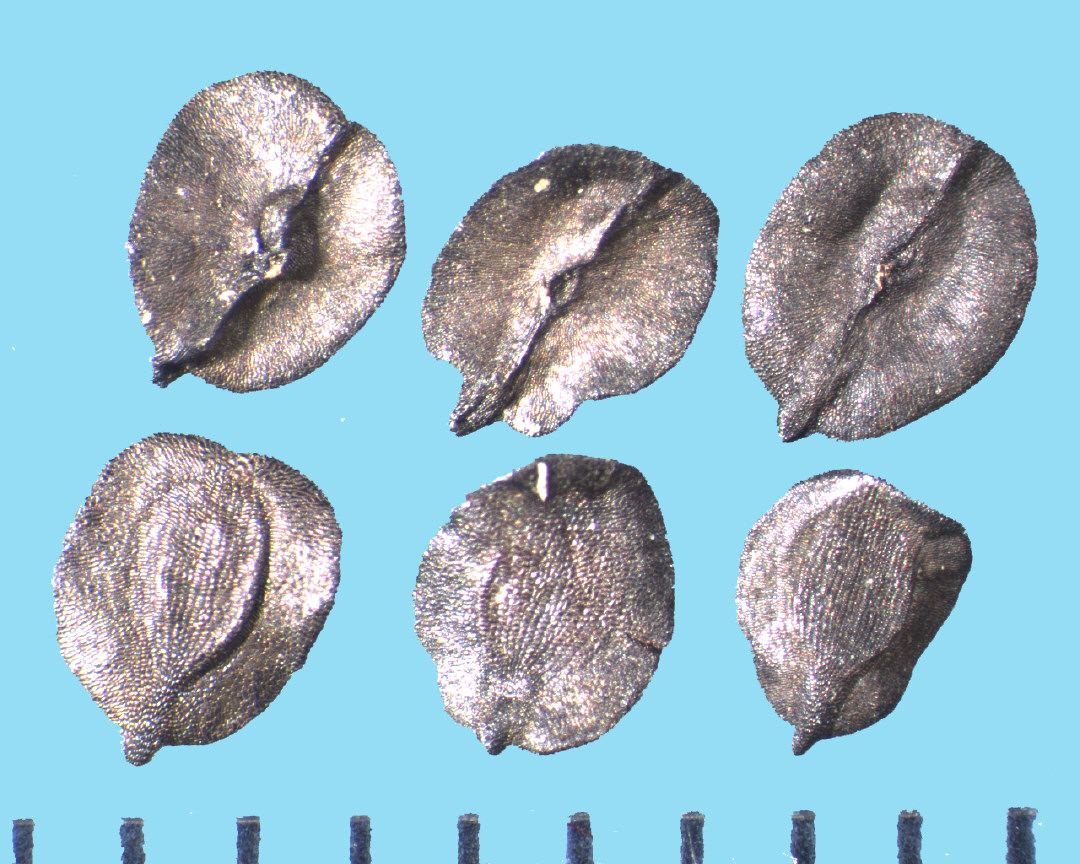
Flower, Weed
feathered pink, cottage pink, garden pink, laced pink
True seedTrue seed:
A mature fertilized ovule consisting of an embryo, with or without and external food reserve (e.g., endosperm) enclosed by the testa.
OvalOval:
Broadly elliptic.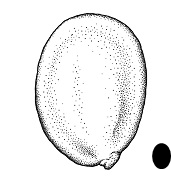 or spatulateSpatulate:
Having a narrow base and rounded apex. Pear-shaped.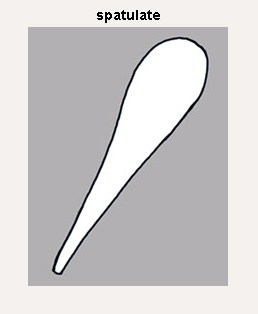
Dark gray
Reticulations radiate from the hilumHilum:
The scar on the seed coat at the place of its detachment from the seed stalk (funiculus).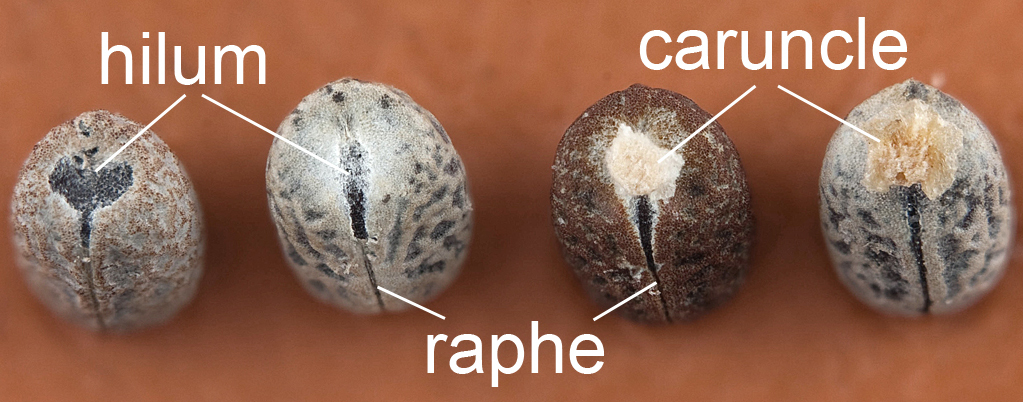 on the ventralVentral:
Adaxial; of the side of an organ facing the axis (compare dorsal).
side and longitudinally on the dorsalDorsal:
Upper side or back of a seed or fruit.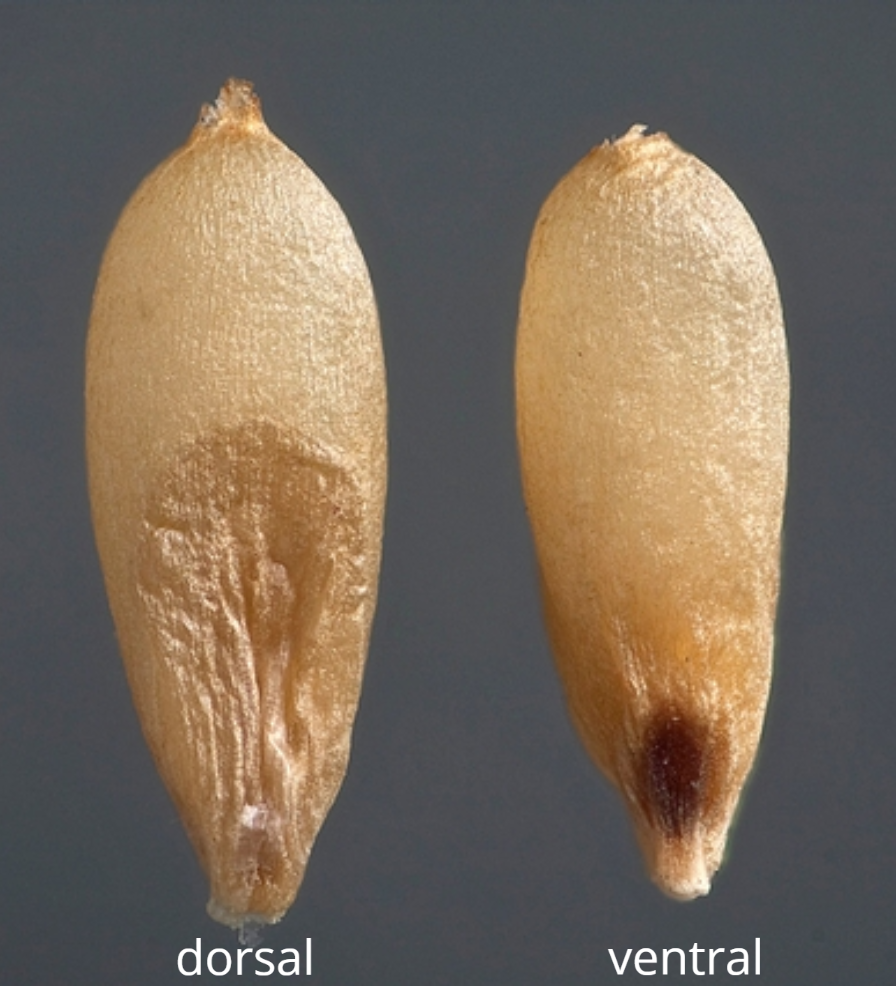 side.
side.
Strong longitudinal rib is in the center of the ventralVentral:
Adaxial; of the side of an organ facing the axis (compare dorsal).
side passing through the central hilumHilum:
The scar on the seed coat at the place of its detachment from the seed stalk (funiculus)..
Seed margin is thin and sharp.
Not listed
Not included
Caryophyllaceae
Dianthus plumarius L.
Dianthus plumarius L. var. semperflorens hort.