t
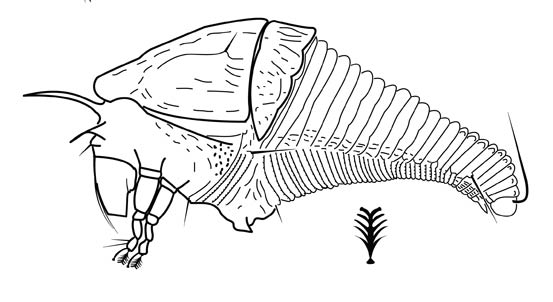
Eriophyidae Nalepa, 1898Nalepa, 1898:
Nalepa A. 1898. Neue Gallmilben (16 Fortsetzung). Anzeiger der Kaiserlichen Akademie der Wissenschaften, Mathematisch-Naturwissenschaftliche Classe 35 (17): 163–164. (including former Ashieldophyidae)
Superorder Acariformes » Order Sarcoptiformes » Suborder Endeostigmata » Infraorder Nematalycina » Superfamily Eriophyoidea » Family Eriophyidae
gall mites, rust mites, erinose mites, eriophyids
very high
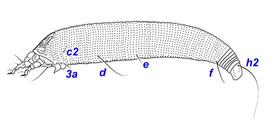
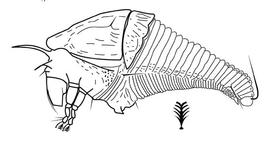
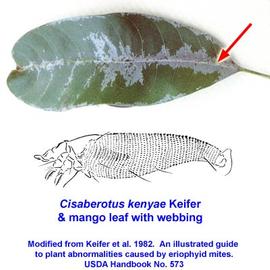
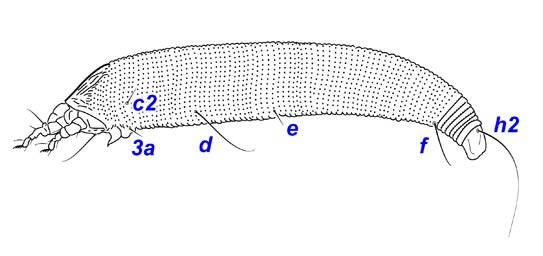
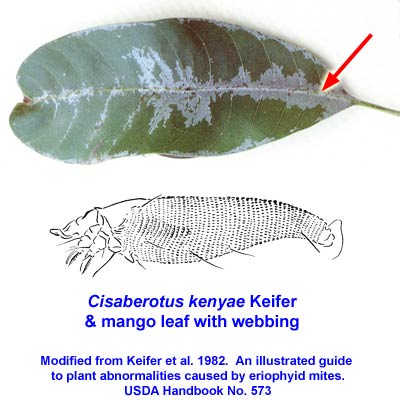
Very high. The ~300 genera and 3,000+ species of Eriophyidae include many important pests of crops, including species that transmit plant diseases, especially viruses. Some eriophyids are leaf vagrants, but many form erineaerineum:
(pl. erinea) the open, fleece-like galls produced by some eriophyoid mites (Prostigmata: Eriophyoidea)
, witches' brooms, leaf edge rolls, big buds, pocket galls, blisters, and other forms of galling. Several genera are highly speciose and contain many important plant pests, e.g., Aceria (820+ spp.), Aculops (143+ spp.), Aculus (219+ spp.), and Eriophyes (244+ spp.). Members of the Aceria tulipae complex transmit wheat streak and wheat spot mosaic viruses; ryegrass mosaic virus is transmitted by Abacarus hystrix (Nalepa). Other viral diseases associated with eriophyideriophyid:
(eriophyoid) of or relating to a member of the family Eriophyidae (superfamily Eriophyoidea) which contains minute, worm-like and quadripod mites that cause galls, erinea, and other damage to plants.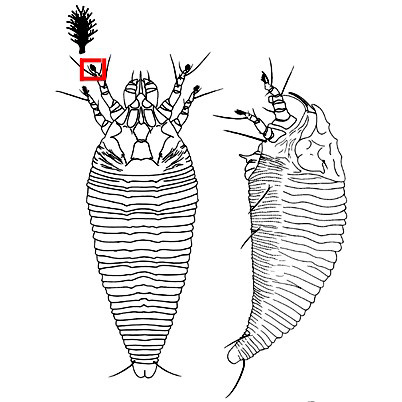 mites include fig mosaic virus (Aceria ficus Cotte), peach mosaic virus (Eriophyes insidiosus Keifer and Wilson), cherry mottle leaf virus (Eriophyes inaequalis Wilson and Oldfield) (cherry mottle leaf), rose rosette (Phyllocoptes fructiphilus Keifer), and probably pigeon pea sterility mosaic (Aceria cajani ChannaBasavanna). The disease of black currants known as currant reversion is transmitted by Cecidophyopsis ribis (Westwood).
Immature Tarsonemidae have 3 pairs of legs and a gnathosomal capsulegnathosomal capsule:
a fusion of the gnathosomal elements (chelicerae and subcapitulum) into a single structure, as seen in protigmatans such as Heterostigmata, Myobiidae, and Cheyletoidea (also tegmen).
. Diptilomiopidae have a gnathosomagnathosoma:
(= capitulum) the anteriormost part of a mite or ricinuleid, composed of the cheliceral and pedipalpal segments and separated from the body (idiosoma) by a ring of soft cuticle.
that is large compared to bodybody:
the idiosoma of mites.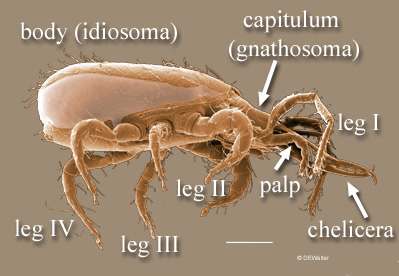 and stylets abruptly curving ventrally near their bases. Phytoptidae always have 1–2 prodorsal shield setaeseta:
(pl. setae, from L. = bristle) cuticular process composed of a hollow shaft (sometimes filled with a refractive material) produced from a membranous socket (the alveolus); the hair-like, spine-like, branched or variously expanded structures on the surfaces of the legs and body. Most setae function as mechanoreceptors, but others (e.g., solenidia) are chemoreceptors or have unknown or ambiguous functions.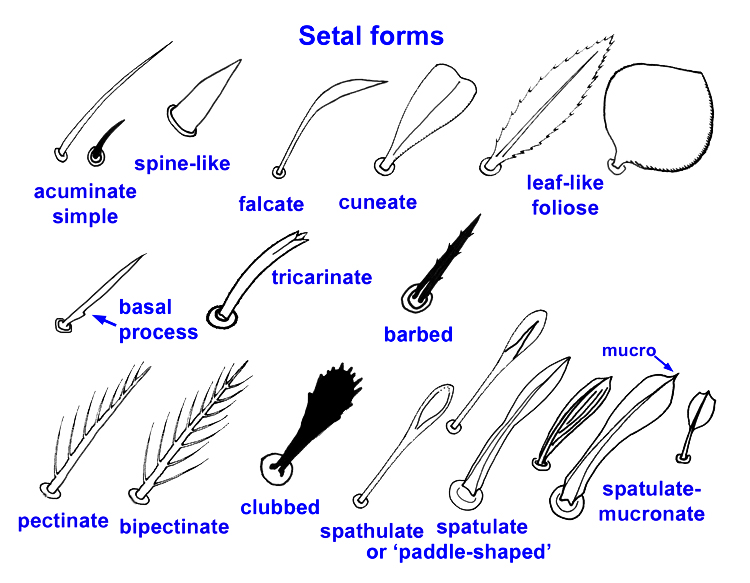 vi and have long spermathecal tubes.
Author: David E. Walter
Content last updated Sept. 2006, unless indicated otherwise
Lucid key player updated Sept. 2025
idtools.org