t
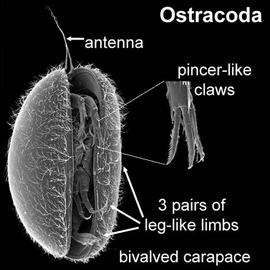
seed shrimps, ostracods
High, at least in moist products (e.g., mosses, plants with phytotelmata, rainforest litter).
No known importance.
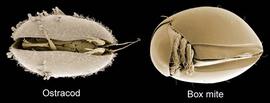
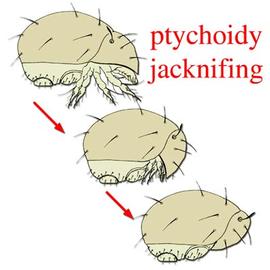
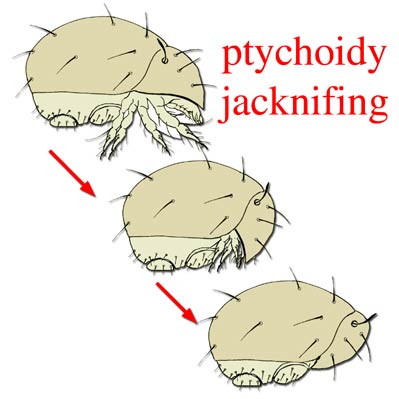
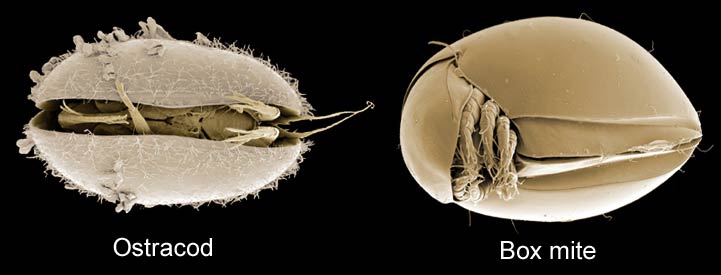
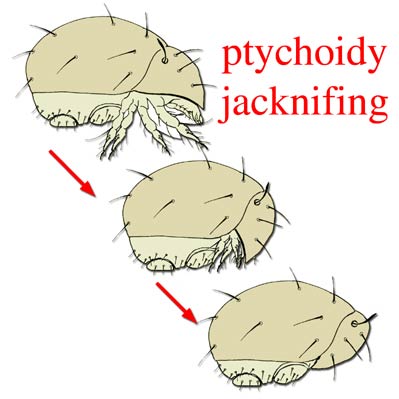
Small size and obscured structure. Most likely to be confused with a ptychoid oribatid mite (box mitesbox mites:
oribatid mites that exhibit ptychoidy, the ability to withdraw their limbs and close-up like a box.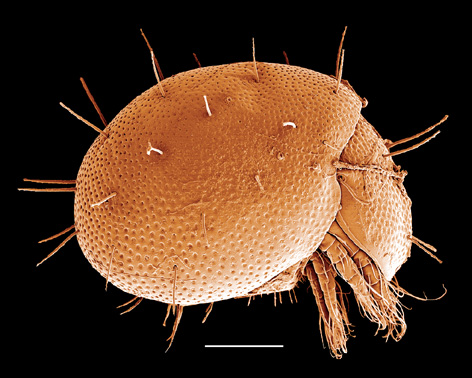 , Mixonomata), but the latter do not have a bivalved carapacecarapace:
the shield covering the dorsal prosoma of arachnids; in some European literature, the mesostigmatan podonotal shield.
. May also be confused with small clams. Another aquatic crustacean group, the clam shrimp (Conchostraca), have an even more clam-like carapacecarapace:
the shield covering the dorsal prosoma of arachnids; in some European literature, the mesostigmatan podonotal shield.
, but a trunk with 10–32 pairs of appendages.
Normal adult length: <3 mm in length
Bodybody:
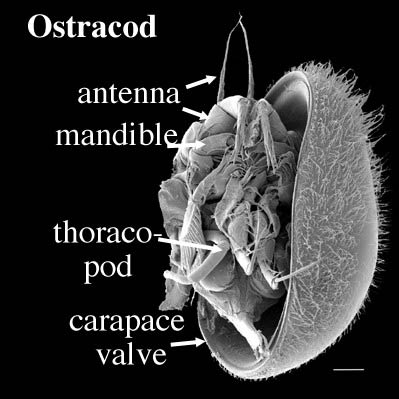
the idiosoma of mites.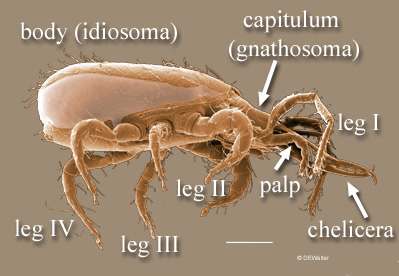 tagmata: head and reduced trunk covered by bivalved carapacecarapace:
the shield covering the dorsal prosoma of arachnids; in some European literature, the mesostigmatan podonotal shield.
Eyes: naupliar eye (black spot under carapacecarapace:
the shield covering the dorsal prosoma of arachnids; in some European literature, the mesostigmatan podonotal shield.
hinge in live animals)
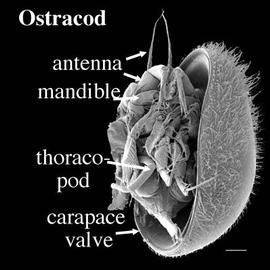
Antennae: antennules and antennae
Mouthparts: mandibles; 2 pairs of maxillae
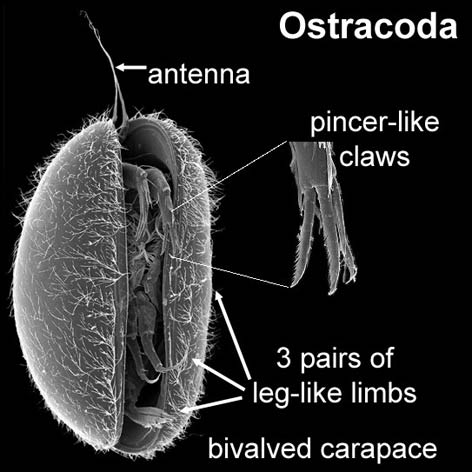
Legs: antennae, mandibular palps and caudal furca function as legs
Respiration: cuticular
Gonopore: between last pair of appendages
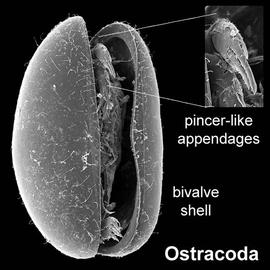
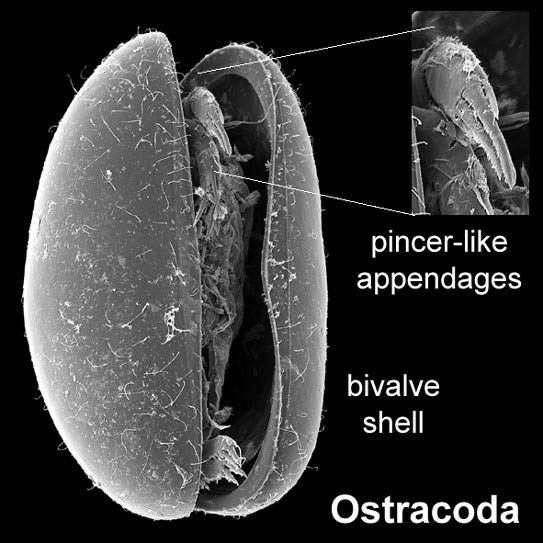
Distinguishing features: bivalved carapacecarapace:
the shield covering the dorsal prosoma of arachnids; in some European literature, the mesostigmatan podonotal shield.
Comments: The bivalved carapacecarapace:
the shield covering the dorsal prosoma of arachnids; in some European literature, the mesostigmatan podonotal shield.
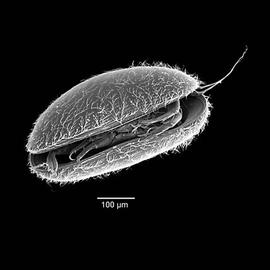
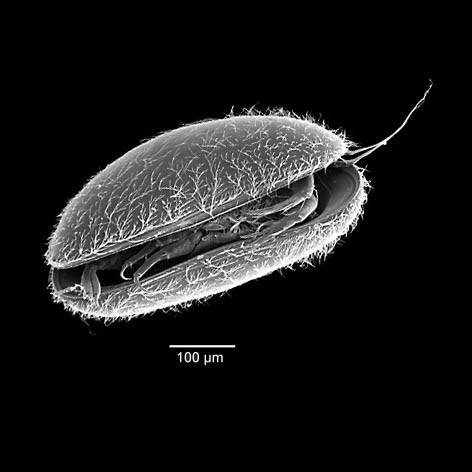
of ostracods is distinctive, and often has dense setae in terrestrial forms. Terrestrial cypridoid ostracods have robust appendages that allow them to plow through the leaf litter. A dorsaldorsal:
relating to the upper or back side; opposed to ventral.
anterior eyespot (under joint of valves) is visible in life. Ostracods are normally considered aquatic organisms and would be expected primarily in wet intercepts (e.g., bromeliads); however, some are inhabitants of humus.
>7,000 species
Author: David E. Walter
Content last updated Sept. 2006, unless indicated otherwise
Lucid key player updated Sept. 2025
idtools.org