t
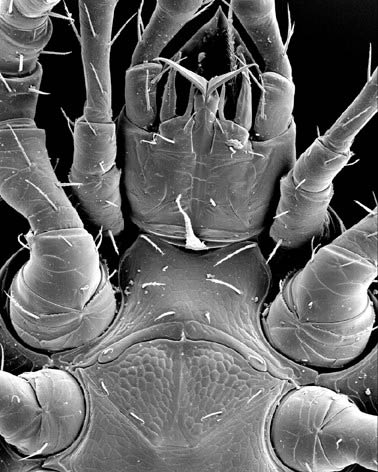
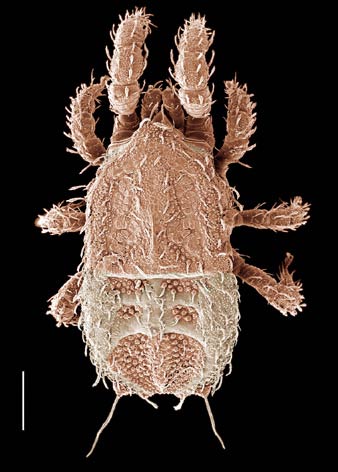
Sejida Kramer, 1885
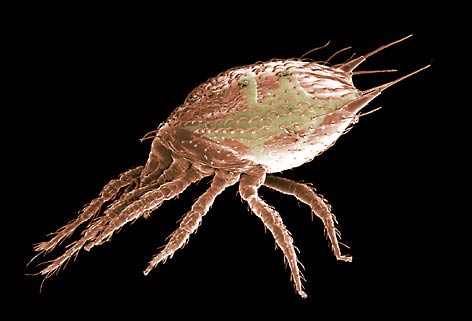
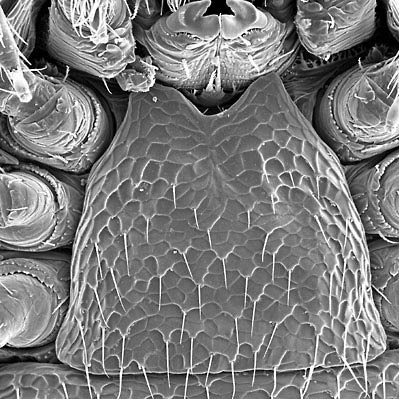
Trigynaspida Camin & Gorirossi, 1955
Superorder Parasitiformes » Order Mesostigmata » Suborder Sejida
Superorder Parasitiformes » Order Mesostigmata » Suborder Trigynaspida
Mesostigmata in these two suborders are not members of the suborder Monogynaspida and are not keyed out here. More about them can be found in the key Major mite taxa.
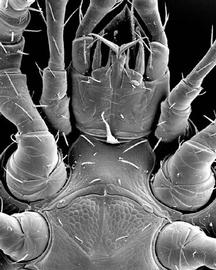
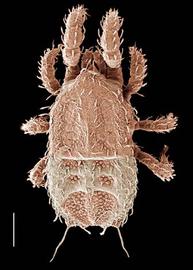
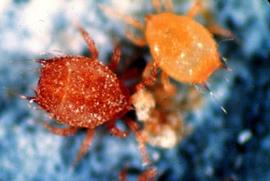
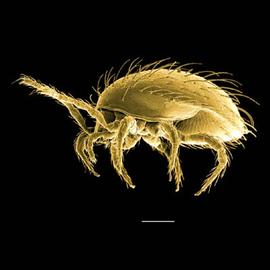
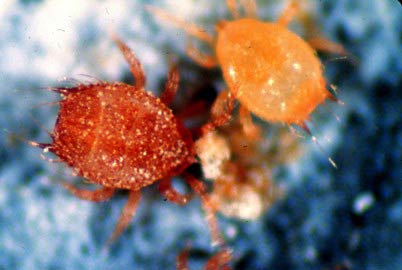
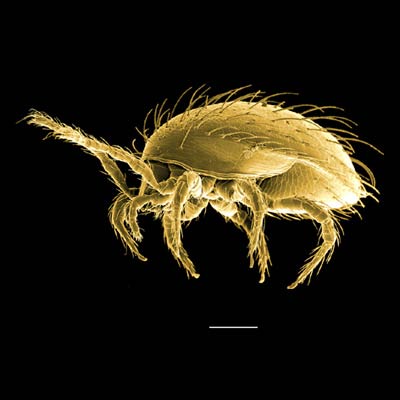
Members of the Sejida are predators usually associated with woody habitats (e.g., tree holes, suspended soils, rotting logs) or leaf litter. Many have a phoretic deutonymphal stagestage:
a distinct developmental form, e.g., the egg, larval, nymphal and adult stages. Since mite instars are usually morphologically distinct, they are also stages (and see stase). Some authors, however, insist that instar should be apolysis to apolysis and stage ecdysis to ecdysis. Since apolysis can be a discontinuous process and, in any case, is difficult to determine, in practice the difference between a stage and an instar is abstract and of importance only if you have a contentious referee.
that hitches rides in beetles or flies.
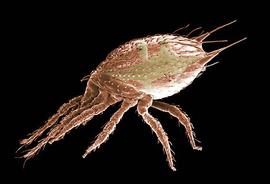
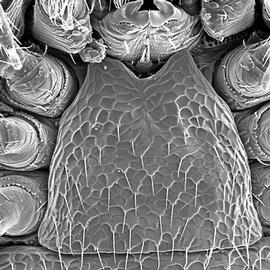
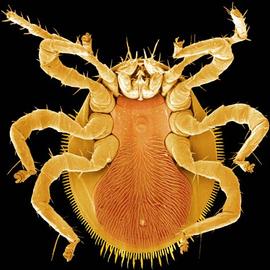
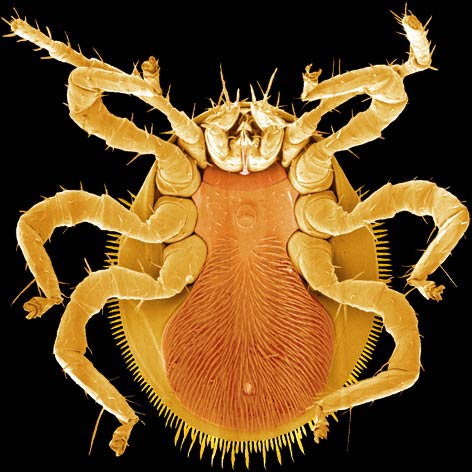
Most members of the Trigynaspida are associated with insects (especially beetles), millipedes or centipedes. A few are found on reptiles and some families are comprised of free-living mites, mostly in tropical to subtropical forest litter.
Author: David E. Walter
Content last updated Sept. 2006, unless indicated otherwise
Lucid key player updated Sept. 2025
idtools.org