test
Palaeosomata Grandjean, 1969
Superorder Acariformes » Order Sarcoptiformes » Suborder Oribatida » Infraorder Palaeosomata
superfamilies: Archeonothroidea, Palaeacaroidea, Ctenacaroidea
palaeosomate oribatid mites
low
No known quarantine importance
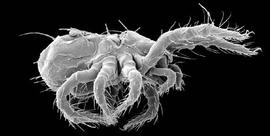
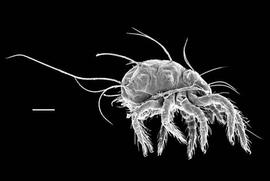
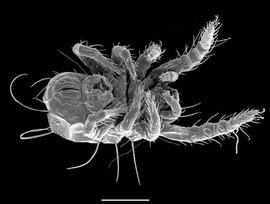
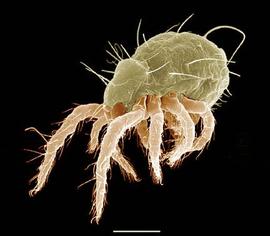
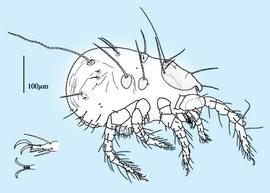
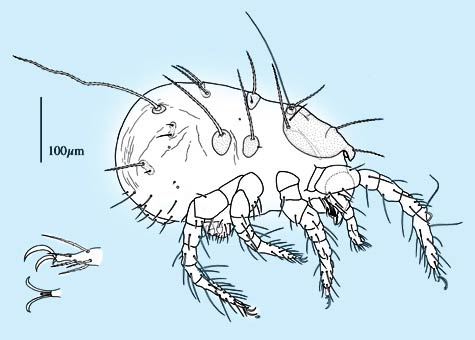
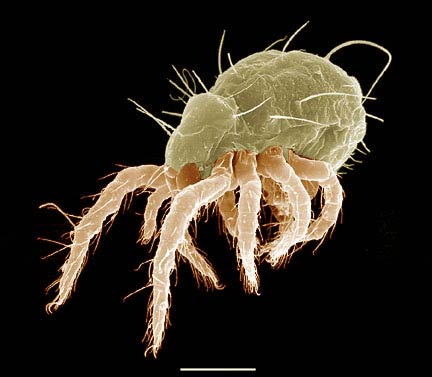
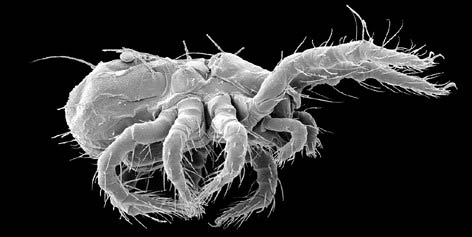
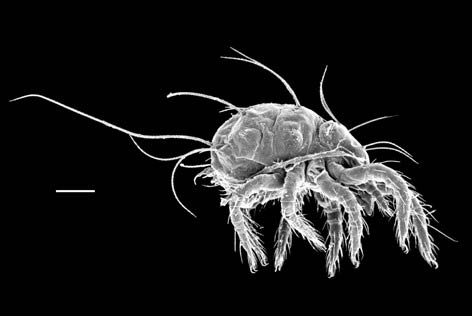
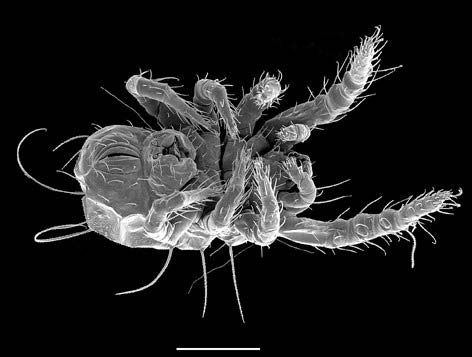
White to tan, sack-like oribatid mites usually with long black setaeseta:
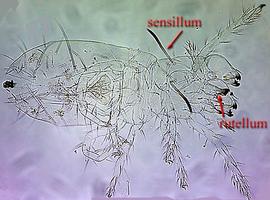
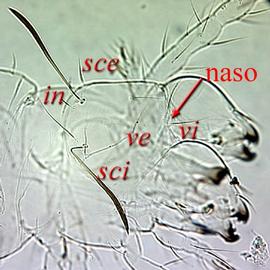
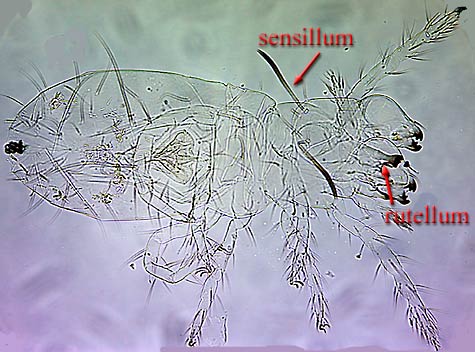
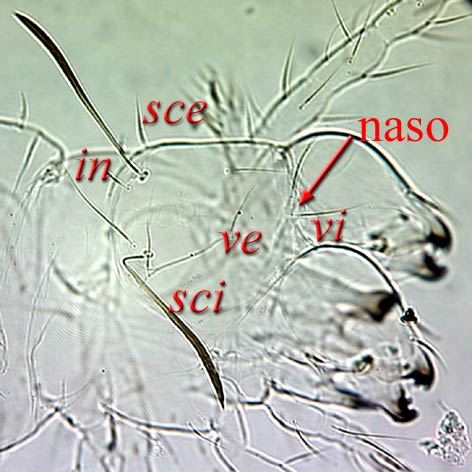
(pl. setae, from L. = bristle) cuticular process composed of a hollow shaft (sometimes filled with a refractive material) produced from a membranous socket (the alveolus); the hair-like, spine-like, branched or variously expanded structures on the surfaces of the legs and body. Most setae function as mechanoreceptors, but others (e.g., solenidia) are chemoreceptors or have unknown or ambiguous functions.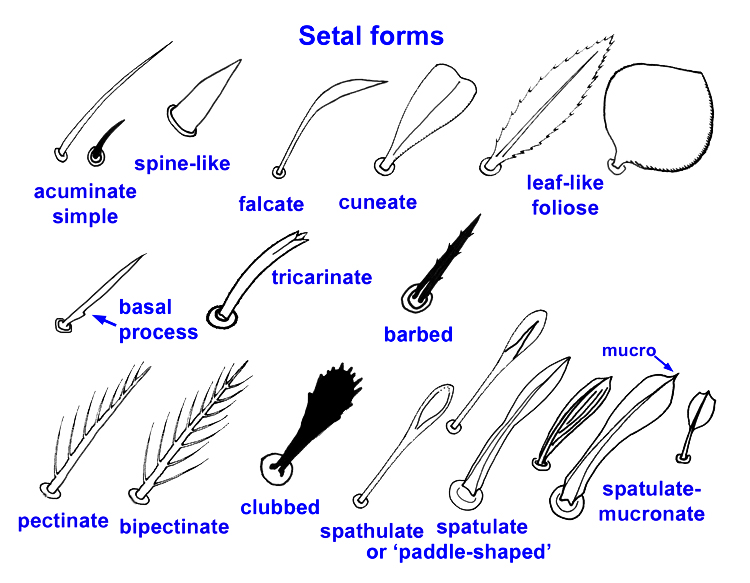 and weakly expressed plates. Chelicerae visible from above; usually with small naso, rarely bearing median eye(s) on its underside. Subcapitulumsubcapitulum:
(also infracapitulum) the venter of the capitulum; the ventral faces of the fused palpcoxae; apparently formed independently in the two superorders of mites.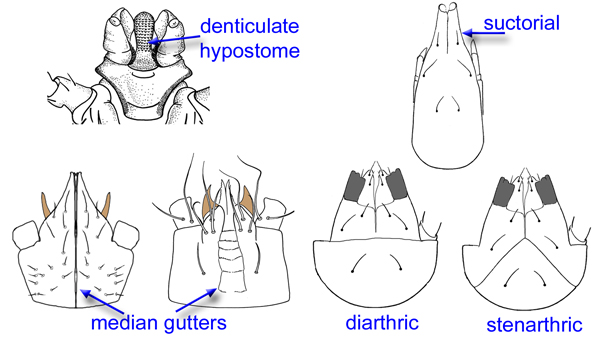 with 3 pairs of adoraladoral:
referring to setae distal on the subcapitulum of acariform mites (designations ao1, ao2)
and 4 pairs of subcapitular setaeseta:
(pl. setae, from L. = bristle) cuticular process composed of a hollow shaft (sometimes filled with a refractive material) produced from a membranous socket (the alveolus); the hair-like, spine-like, branched or variously expanded structures on the surfaces of the legs and body. Most setae function as mechanoreceptors, but others (e.g., solenidia) are chemoreceptors or have unknown or ambiguous functions.; rutellarutellum:
(pl. rutella) In Sarcoptiformes, the hypertrophied setae on the hypostome, often toothed; not to be confused with a corniculus (although possibly a homologue). In Astigmata, the rutellum may be referred to as a pseudorutellum, although it is the same structure. Various forms of rutella are recognized, including the atelebasic and pantelebasic.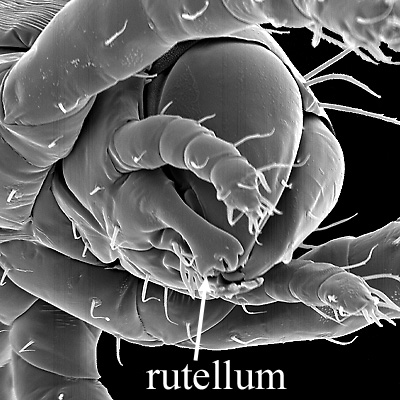 simple. Femorafemur:
(pl. femora) major leg segment between trochanter and genu; often subdivided into a basifemur and a telofemur.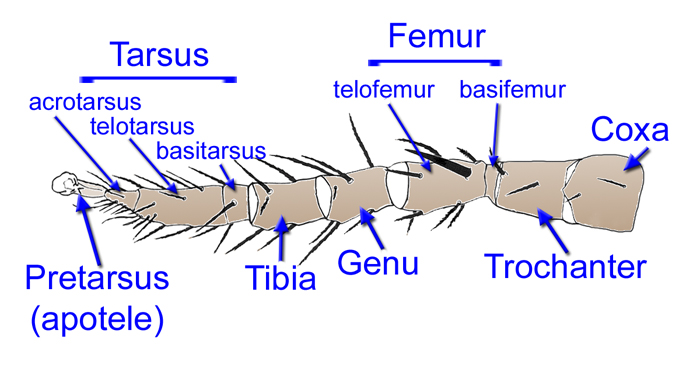 I–IV of tritonymphs and adults divided; tarsitarsus:
(pl. tarsi) the subdistal leg segment between the tibia and the pretarsus (apotele).
bidactyl or tridactyl in immatures and adults. Opisthosomal glandsopisthosomal glands:
see oil glands.
absent. Macropyline; with 3 pairs of genital papillaegenital papillae:
1-3 pairs of extrusible finger-like to button-like projections, usually retracted into in the genital vestibule of acariform mites; sometimes formed as sessile disks around the genital opening; thought to be osmoregulatory structures; modified or multiplied and dispersed over the body in many freshwater mites. Genital papillae are absent in the larva, but may be added ontogenetically: protonymphs have one pair, deutonymphs two pairs, and tritonymphs (and adults) three pairs. The tritonymphal pair of papillae is often lost. The serially homologous Claparède's organ is usually present in the larvae (and prelarvae) of mites exhibiting genital papillae in nymphs and adults (Oudeman's Rule).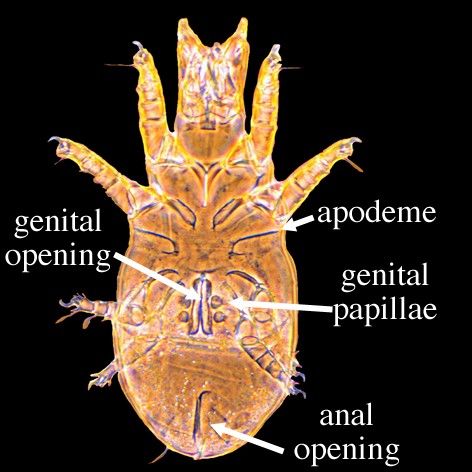 , often on segmented stalks.
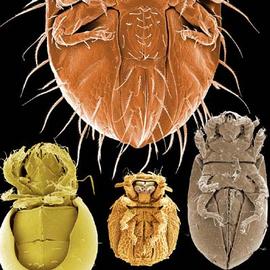
Astigmata, Parhyposomatides, and juveniles of other groups of Oribatida often have sac-like bodies, but these mites usually have opisthosomal glands, never have median eyes, and do not have divided femora.
Palaeosomatans are found worldwide in many soil types, but seem to be especially characteristic of dry soils. Species of Aphelacarus also are found in house dust. They are thought to be the most primitive extant Oribatida. Although relatively common in grassland, open forest and sandy soils, these mites are usually missed or misidentified because of their small size, lack of sclerotization, slender setaeseta:
(pl. setae, from L. = bristle) cuticular process composed of a hollow shaft (sometimes filled with a refractive material) produced from a membranous socket (the alveolus); the hair-like, spine-like, branched or variously expanded structures on the surfaces of the legs and body. Most setae function as mechanoreceptors, but others (e.g., solenidia) are chemoreceptors or have unknown or ambiguous functions., and general similarity to immature oribatidsoribatidmites:
are a member of the sarcoptiform suborder Oribatida (=Cryptostigmata, Oribatei); some academics consider the use of 'oribatid' as a noun to be low class, but others consider that attitude pedantic.
or astigmatids. The genera found in forest soils (e.g., Stomacarus, Loftacarus, Palaeacarus), however, are larger and have long, black, erectile setaeseta:
(pl. setae, from L. = bristle) cuticular process composed of a hollow shaft (sometimes filled with a refractive material) produced from a membranous socket (the alveolus); the hair-like, spine-like, branched or variously expanded structures on the surfaces of the legs and body. Most setae function as mechanoreceptors, but others (e.g., solenidia) are chemoreceptors or have unknown or ambiguous functions. and are more noticeable.
Author: David E. Walter
Content last updated Sept. 2006, unless indicated otherwise
Lucid key player updated Sept. 2025
idtools.org