Understanding fact sheet content
SeedImages provides a comprehensive, searchable collection of seed photographs and descriptive data to assist in the identification of seeds most likely to encounter in the seed trade. Each fact sheet follows a standardized format.
High quality images, many contributed by long time experts such as Dr. Larsen, show multiple views of each seed, including hilumHilum:
The scar on the seed coat at the place of its detachment from the seed stalk (funiculus).
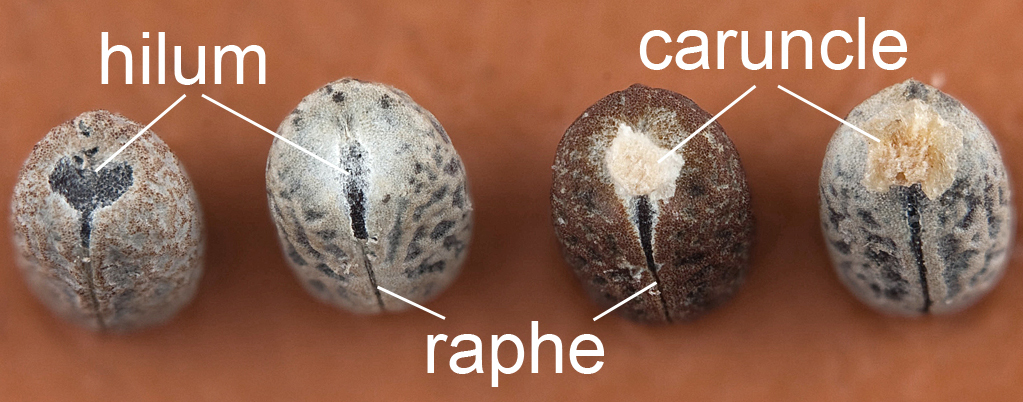 , rapheRaphe:
A seam or ridge found on seeds.
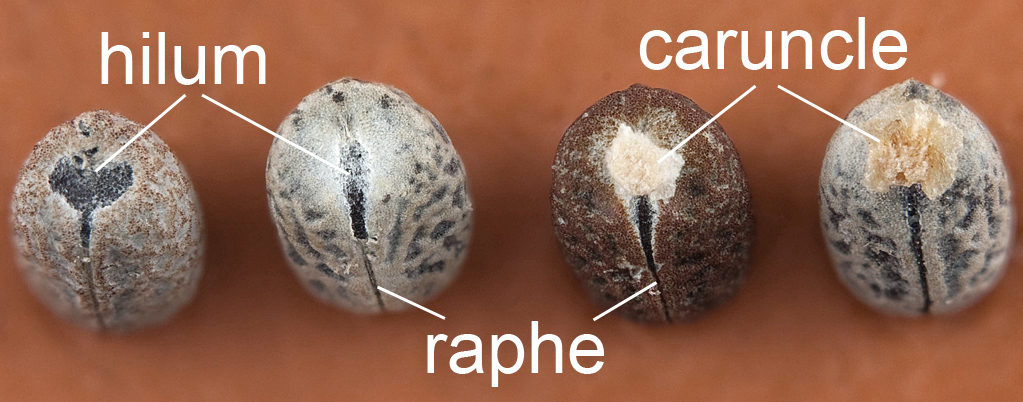 , surface texture, and size comparisons and are included on each fact sheet. If you want to contribute images, please contact ITP (itp@usda.gov)
Images are viewable and filterable in the Gallery by nomenclature and morphological traits.
Species category
Every species is assigned to a broad Species Category, following classification principles established by Dr. Arnold Larsen and earlier collaborators who organized seed taxa based on how they typically appear in the seed trade. These categories reflect practical identification needs rather than taxonomic relationships. They include groups such as:
- Agricultural crops (e.g., cereals, vegetables)
- Rangeland and restoration species
- Horticultural species
- Weed species
These categories help analysts anticipate the context in which a seed is likely to be encountered such as, commercial seed lots, restoration mixes, regulatory screenings, or field identifications. Species categorized as weeds usually include taxa of agronomic concern or those regulated by states or federal agencies.
Planting type
Planting type refers to the unit (such as fruitFruit:
A mature ovary and any associated parts.
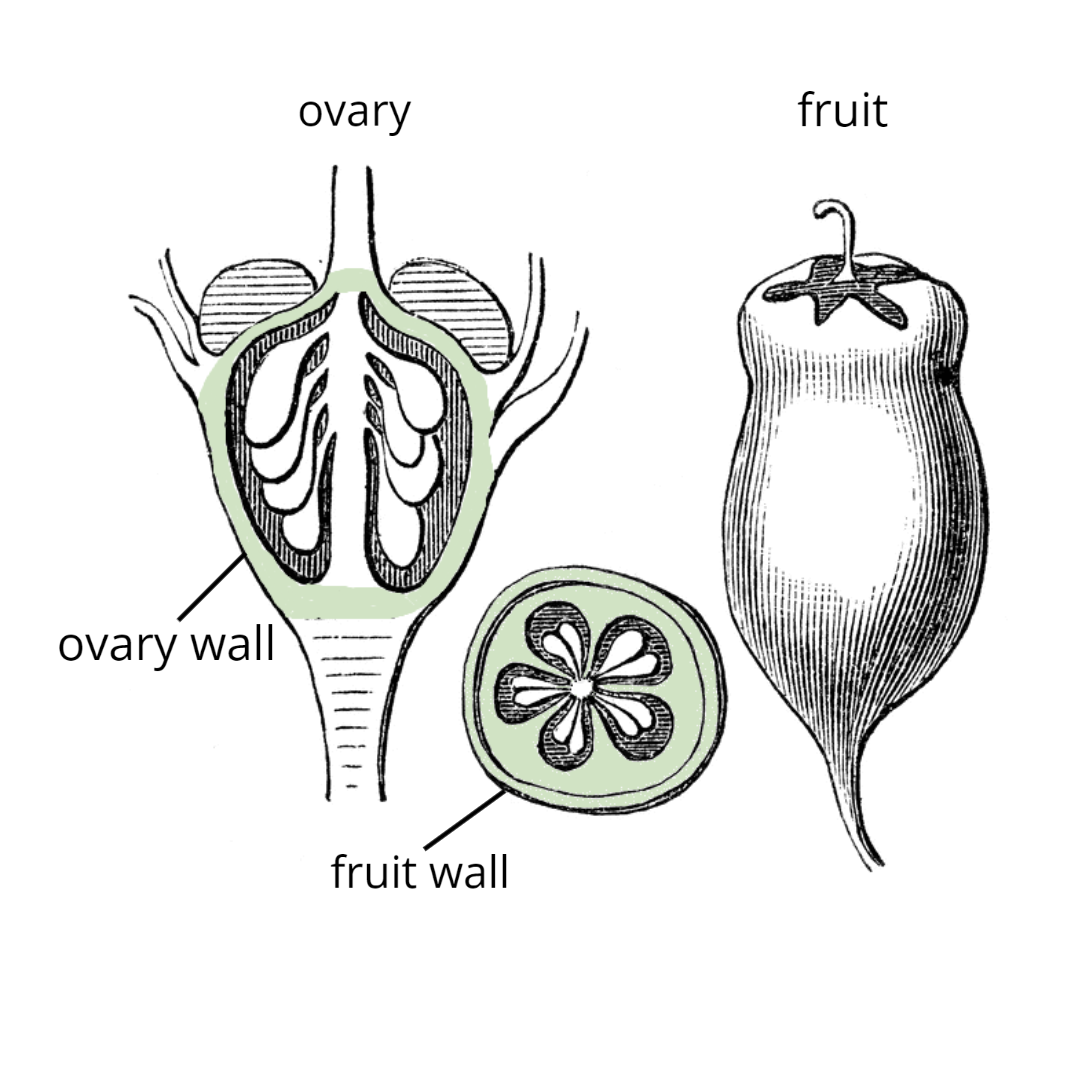 , seed, or other structure) being sown or its containment in agriculture, horticulture, or restoration. Identifying the planting type helps interpret key morphological traits. More information about each planting type listed below can be found in the Glossary.
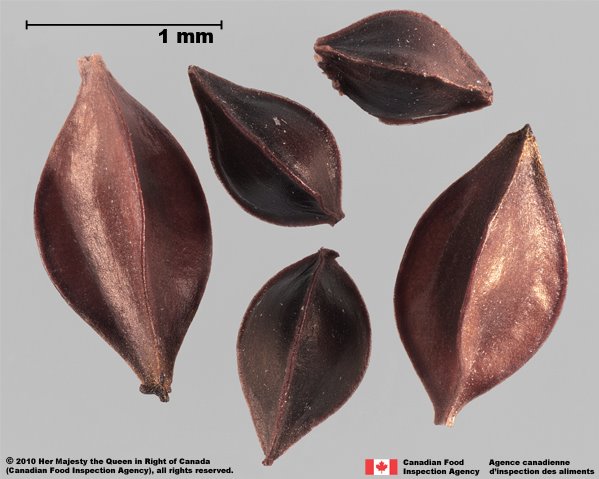
- AcheneAchene:
A dry, hard, one-chambered, one-seeded indehiscent fruit, as in buckwheat (Fagopyrum) or sunflower (Helianthus). The fruit wall is not united with the seed coat.
- BulbletsBulblet:
A small, vegetatively-produced bulb that can function reproductively as a seed (e.g., Allium spp. and Poa bulbosa).
- BurrBurr:
Has spikelets or flowers that are compressed closely together by lacking a central axis. The spikelet glumes are hard and pointed, e.g. buffalograss.
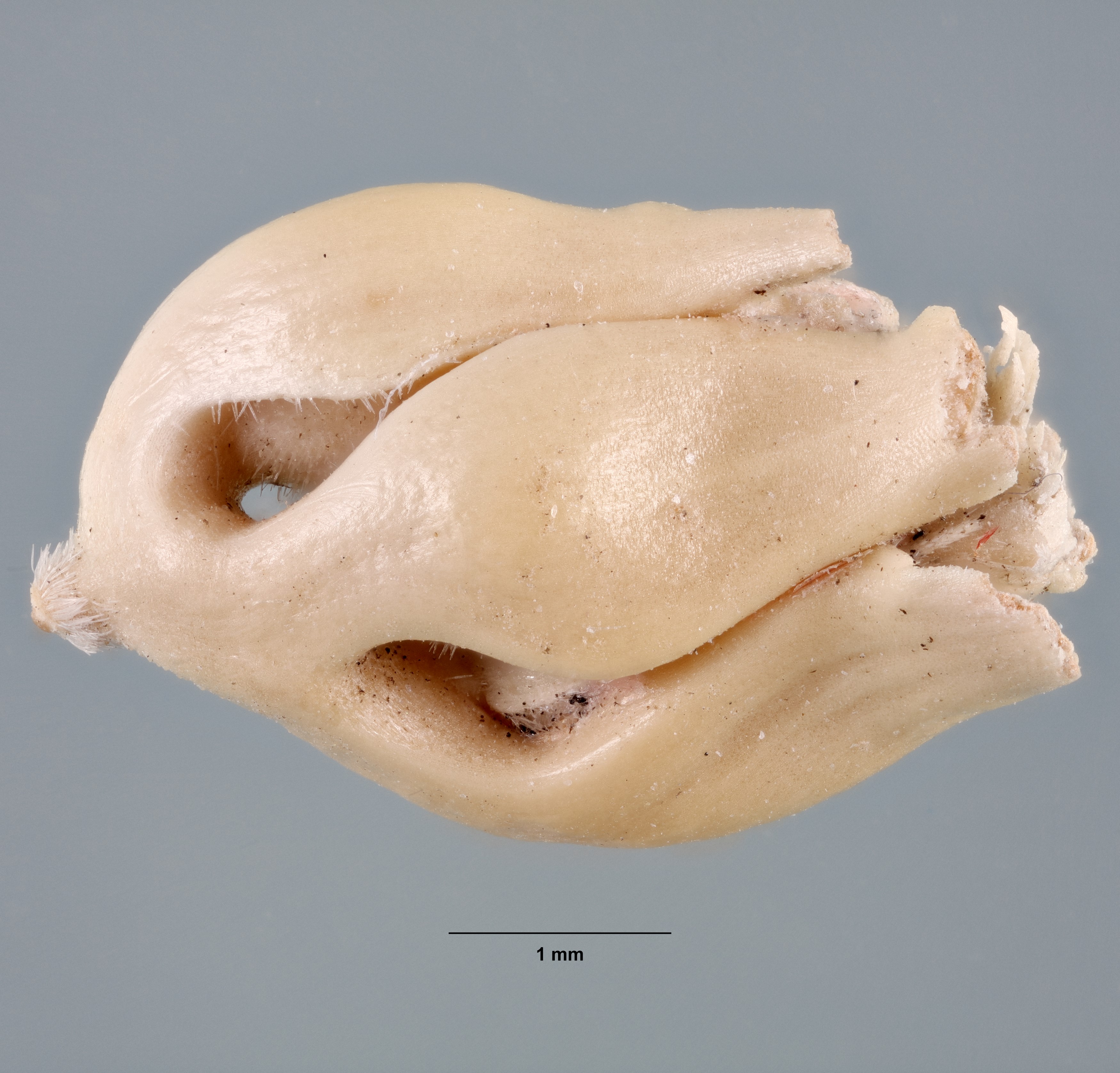
- CapsuleCapsule:
A dry, dehiscent fruit derived from a compound ovary.
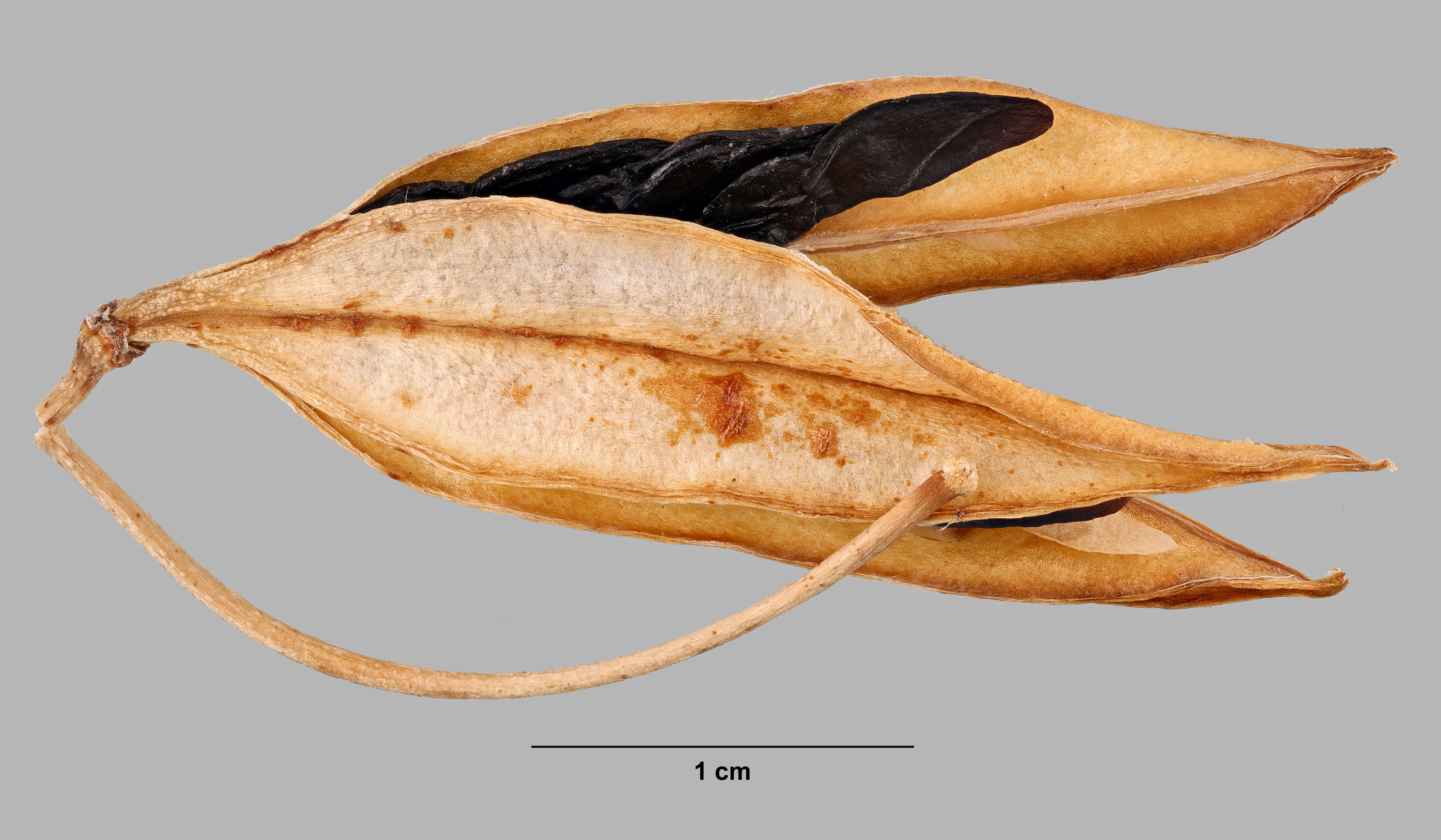
- CaryopsisCaryopsis:
The single-seeded fruit or grain of the grass family (Poaceae); the fruit wall (pericarp) is united with the seed coat (testa).
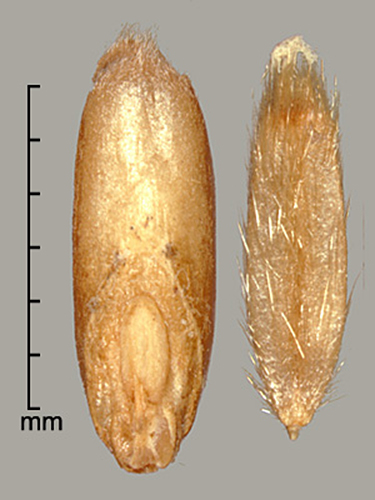
- FloretFloret:
A small flower in a clustered inflorescence (e.g., sunflower, grasses). In grasses, a floret consists of the lemma, palea, stamens, and pistil.
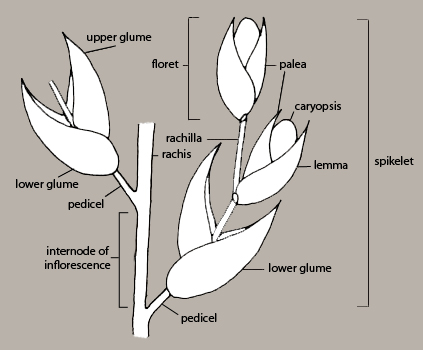
- LomentLoment:
A usually dry fruit derived from a single carpel that breaks transversely into one-seeded fruit segments, derived from a single, superior, simple ovary.
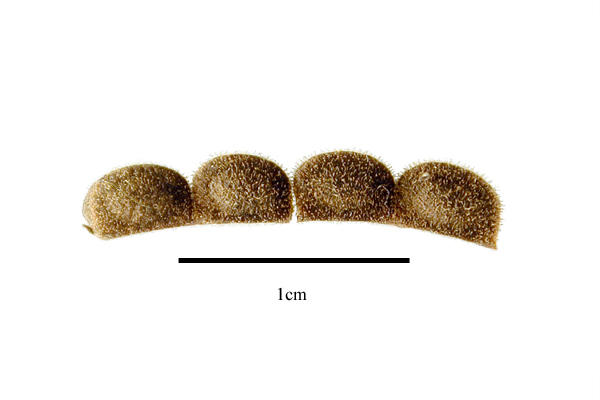
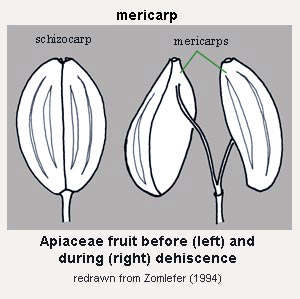
- MericarpMericarp:
One-half of a two-sectioned fruit known as a schizocarp (e.g. carrot). Mericarps are indehiscent or dehiscent depending on the species.
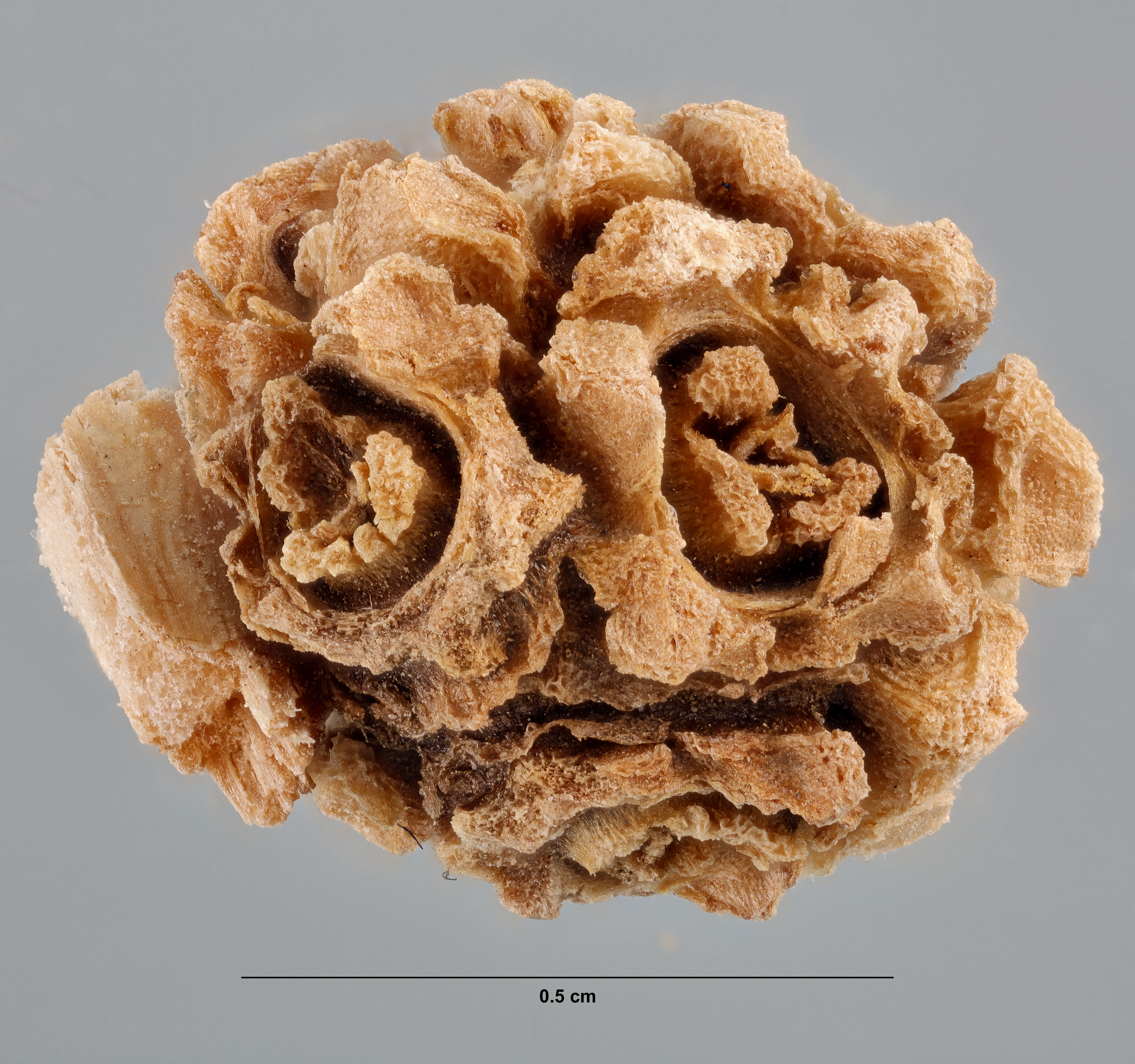
- Multigerm seed ballMultigerm seed ball:
This is the result of the fruit becoming embedded into the flower receptacle as found in Chenopodiaceae. Seed balls with more than one fruit embedded are multigerm as in garden beets.
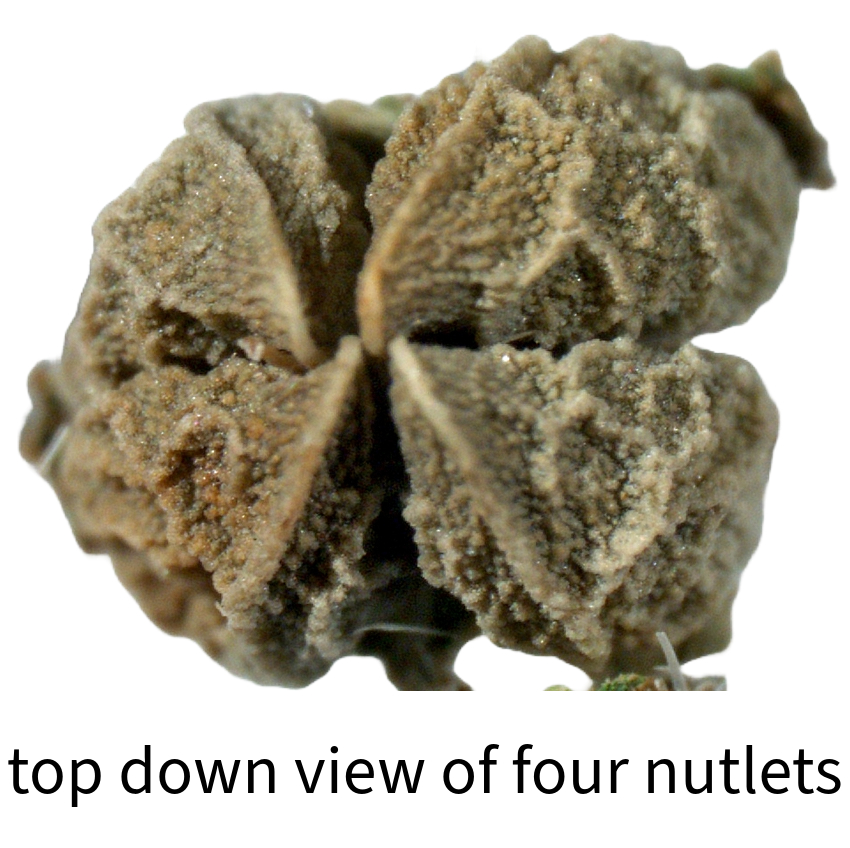
- NutletNutlet:
A small, dry, indehiscent, one-seeded fruit, derived from the splitting of a schizocarp, with seed attached to pericarp at a single point, e.g. mints
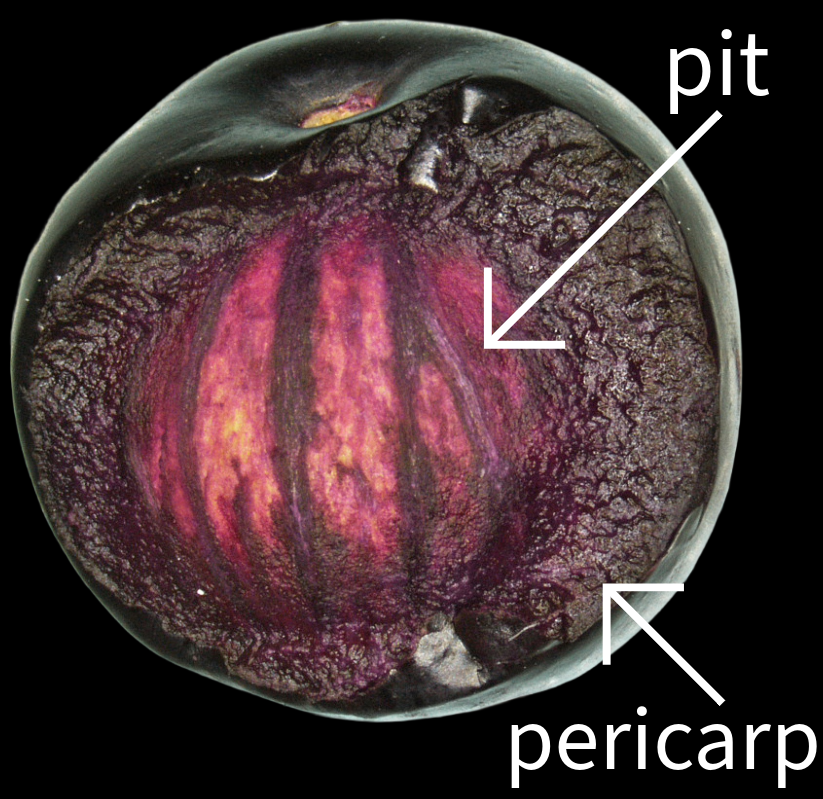
- PitPit:
The hard, stony inner portion of a fruit formed from a thickened, lignified endocarp that surrounds and protects one or more seeds. Pits occur in certain fleshy or dry indehiscent fruits; when the outer layers of the fruit (such as the mesocarp or a fibrous husk) are removed or break apart, the pit remains as the durable seed‑enclosing unit.
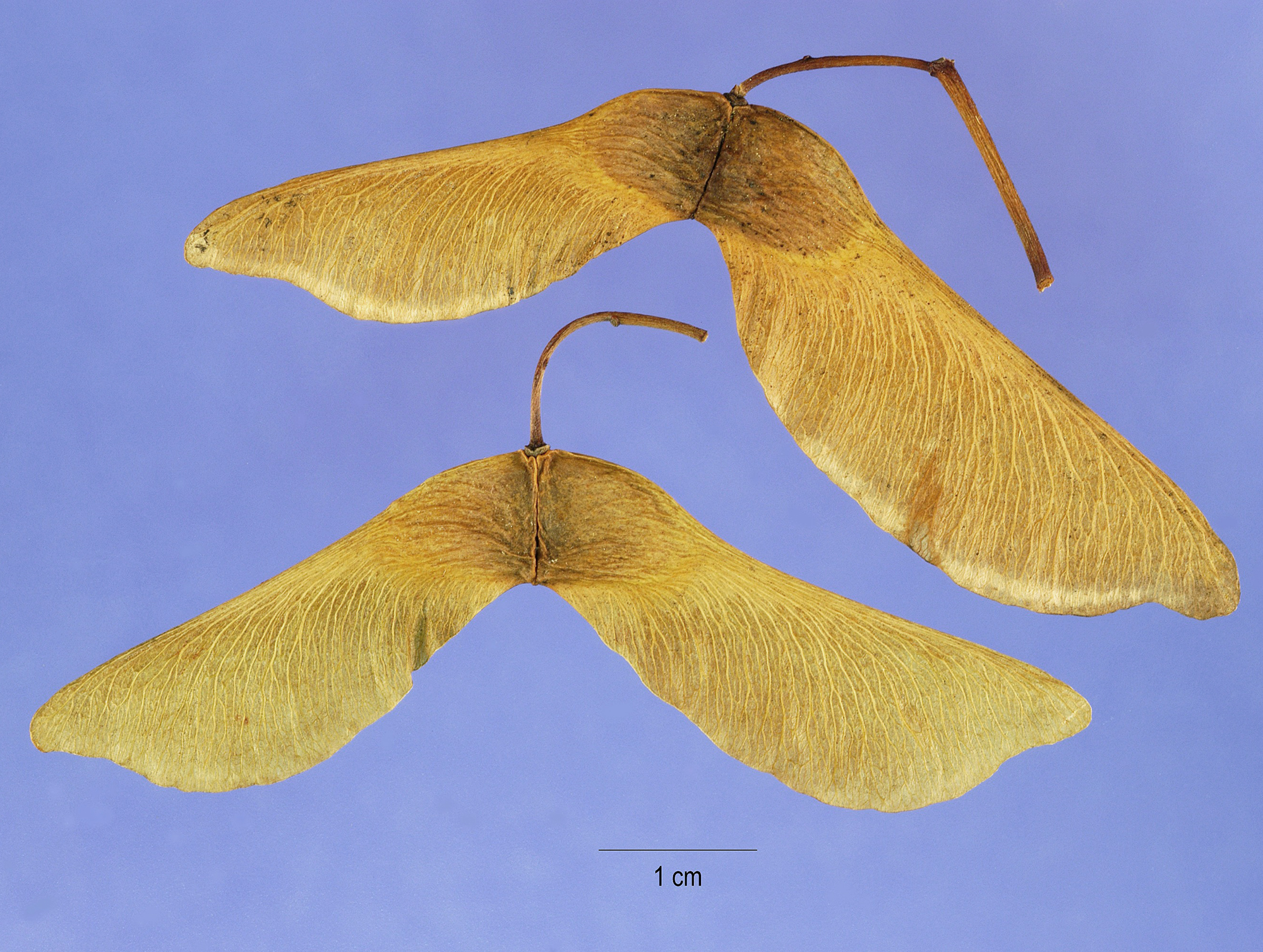
- SamaraSamara:
A one-seeded winged fruit. The wing may be on one side as in maples (Acer) or surround the fruit as in elms (Ulmus).
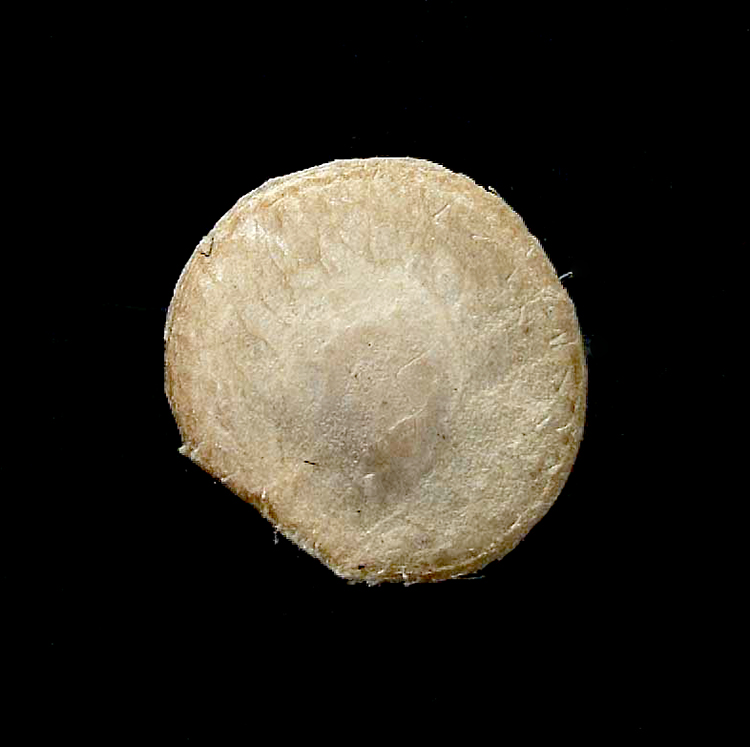
- SilicleSilicle:
A short silique (fruit) usually containing only one seed. Found in Brassicaceae.
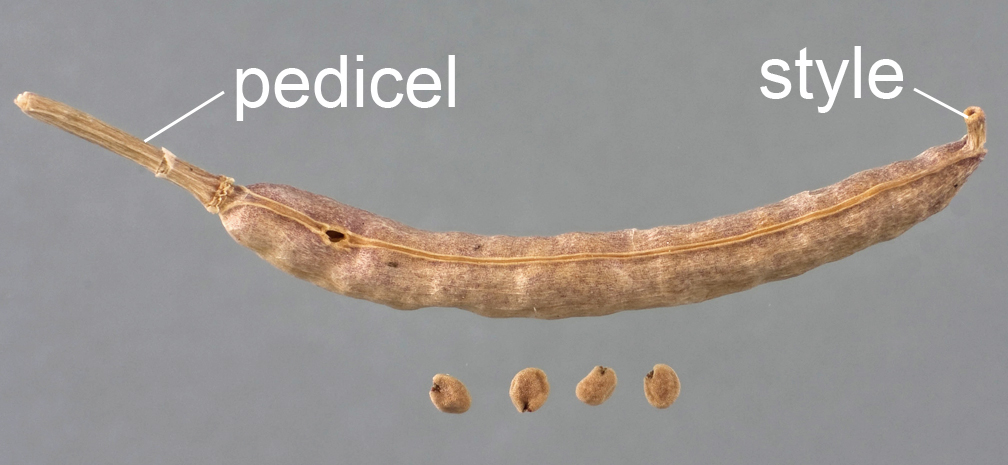
- SiliqueSilique:
A fruit usually dehiscing by two lateral valves (having a central septum). The fruits can be long or short in length and round or flat in cross section. Contains more than one seed. Found in Brassicaceae.
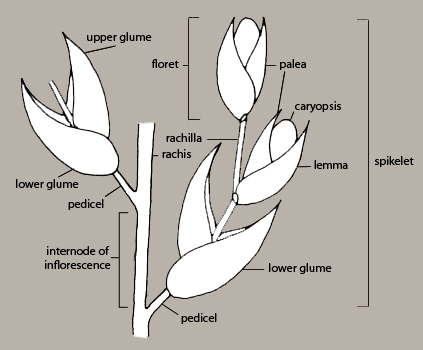
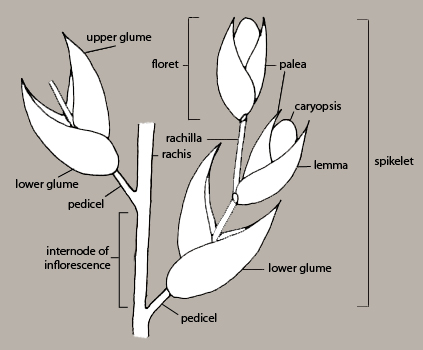
- SpikeletSpikelet:
One or more florets that are subtended by a pair of bracts called glumes. Spikelets are pedicellate if located on a pedicle and sessile if attached directly to the rachis. Often spikelets with single florets have remnants of a second floret, usually a lemma.
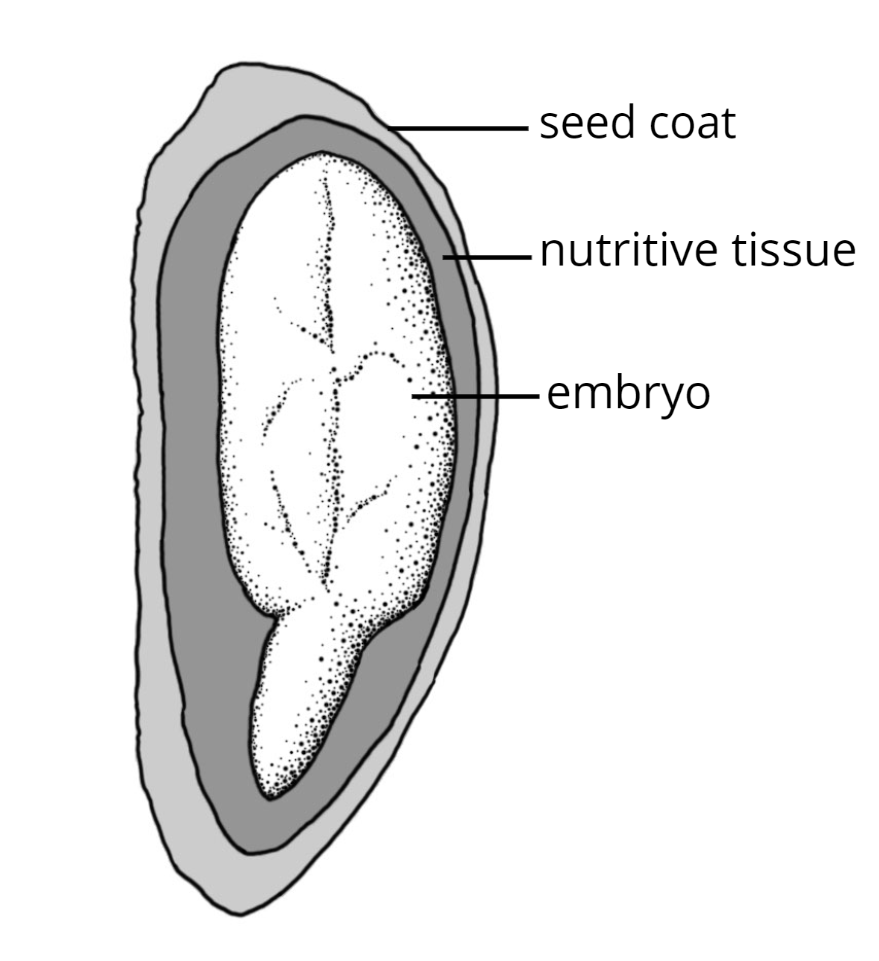
- True seedTrue seed:
A mature ovule containing an embryo, seed coat (testa), and nutritive tissue, without any attached fruit structures.
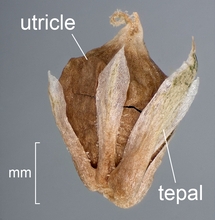
- UtricleUtricle:
A one-seeded, usually small, bladdery fruit as found in Atriplex.
Noxious weed seedWeed seed:
A seed from a plant generally considered undesirable. The total percentage (by weight) of seed lot that is composed of seed of plants considered to be weeds. One of the four components of purity test.
category
This category references the USDA-ARS State Noxious Weed Seed List. As of this release, the categories reflect the 2026 list. This topic highlights whether a species is listed as:
- Prohibited noxious
- Restricted noxious
- Regulated (state specific definitions vary)
- Not listed
AOSAAOSA:
The initials of the Association of Official Seed Analysts, the organization of state and federal seed analysts of the United States and Canada.
examination List
Each fact sheet indicates whether a species is included on the AOSAAOSA:
The initials of the Association of Official Seed Analysts, the organization of state and federal seed analysts of the United States and Canada.
examination List (now under the AOSAAOSA:
The initials of the Association of Official Seed Analysts, the organization of state and federal seed analysts of the United States and Canada.
SCST combined organization). This list is widely used for training and credential preparation for Registered Seed Technologists (RST), Certified Purity Technologists (CPT), and other certification categories. An updated list can be found on the AOSAAOSA:
The initials of the Association of Official Seed Analysts, the organization of state and federal seed analysts of the United States and Canada.
website, Consolidated Exam Comittee page, open Consolidate Exam Content & Preparation tab for Seed Identification List spreadsheet.
SeedImages allows users to:
- See the “Included / Not included” designation directly on the fact sheet.
- Filter the Image Gallery using this attribute to create customized practice sets.
This is particularly useful for students preparing for examinations or instructors building training materials.
Nomenclature
This topic provides the currently accepted family, scientific name, and synonyms following authoritative botanical sources listed below.
- United States Department of Agriculture (USDA), Natural Resources Conservation Service. 2025. PLANTS Database. URL: https://plants.usda.gov [Accessed 2025]
- USDA, Agricultural Research Service, National Plant Germplasm System. 2025. Germplasm Resources Information Network (GRIN Taxonomy). National Germplasm Resources Laboratory, Beltsville, Maryland. URL: https://npgsweb.ars-grin.gov/gringlobal/taxon/taxonomydetail?id=42260 [Accessed 26 July 2025]
- Plants of the World Online (POWO). 2025. Royal Botanic Gardens, Kew. URL: https://powo.science.kew.org/ [Accessed 22 August 2025]
Where necessary, synonyms or alternate names historically used in seed testing are provided to support analysts working with legacy terminology.
Additional fact sheet topics
A consistent set of seed morphology topics appear across most entities. Not all topics appear for all species, but the core set often includes:
- Diagnostic Characters – Key identification features such as surface texture, testaTesta:
The protective covering of a seed usually composed of the inner and outer integuments. Also called a seed coat.
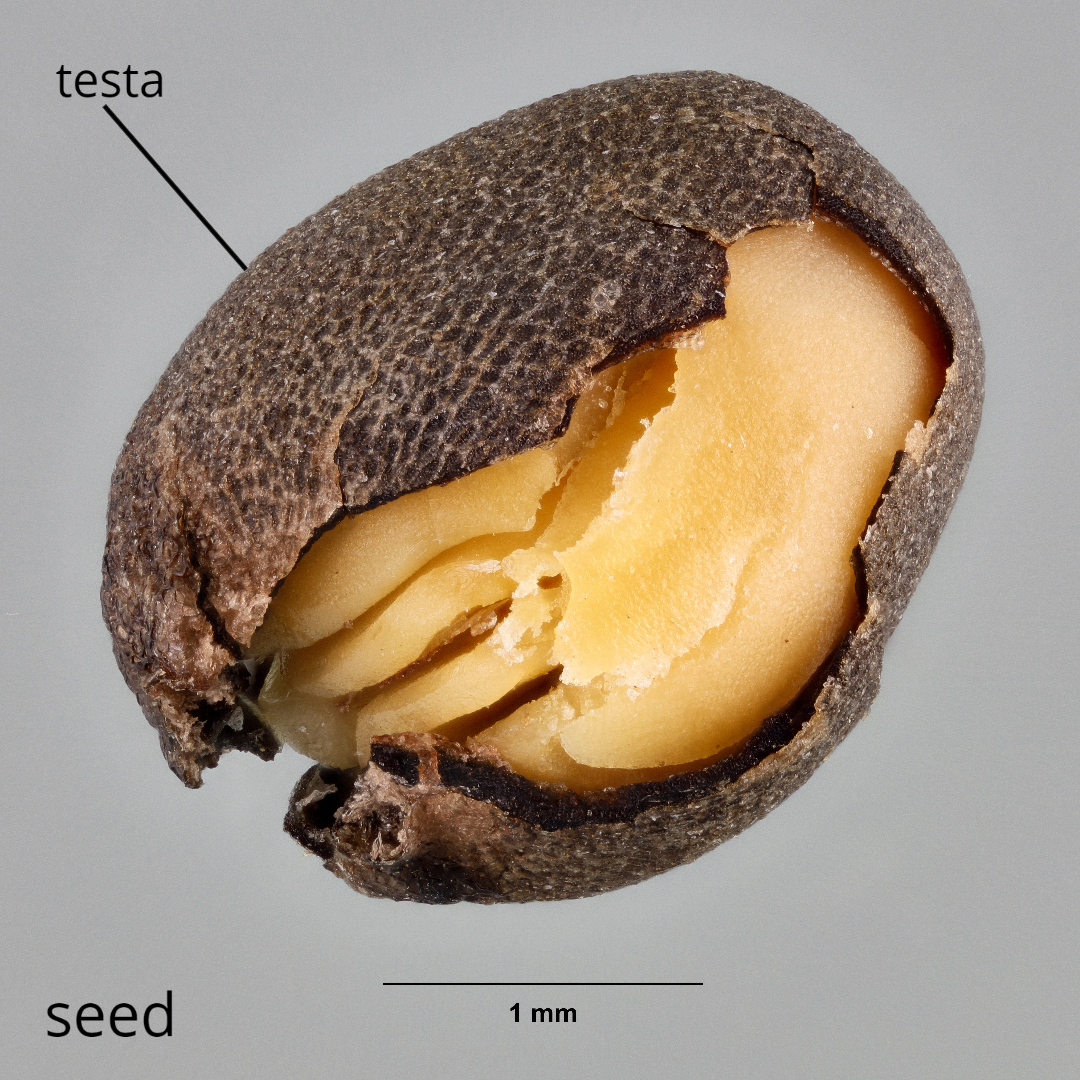 patterns, and structural traits.
- Shape, Size, Color – Typically includes length, width, thickness, and color ranges, often accompanied by high resolution images.
- EmbryoEmbryo:
A rudimentary plant contained in a seed, usually consisting of a more or less differentiated axis and attached cotyledon(s).
/ Internal Structures – When available, details on embryoEmbryo:
A rudimentary plant contained in a seed, usually consisting of a more or less differentiated axis and attached cotyledon(s).
position and special anatomical features.
- LemmaLemma:
One of two bracts of the grass floret; it is located on the side nearest the embryo and opposite the rachilla.
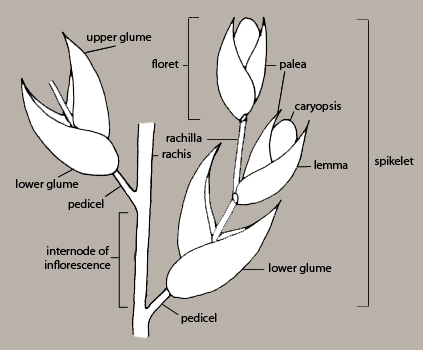 / PaleaPalea:
One of the thin bracts of grass floret enclosing the fruit (caryopsis) that is located on the side opposite the embryo.
 / Other structures – For taxa where dispersal or floral structures are retained.
- Comments – Clarifying notes, comparisons with similar species, or warnings about look alikes.
These topics are designed to help users move seamlessly between textual descriptions and photographic characters.
