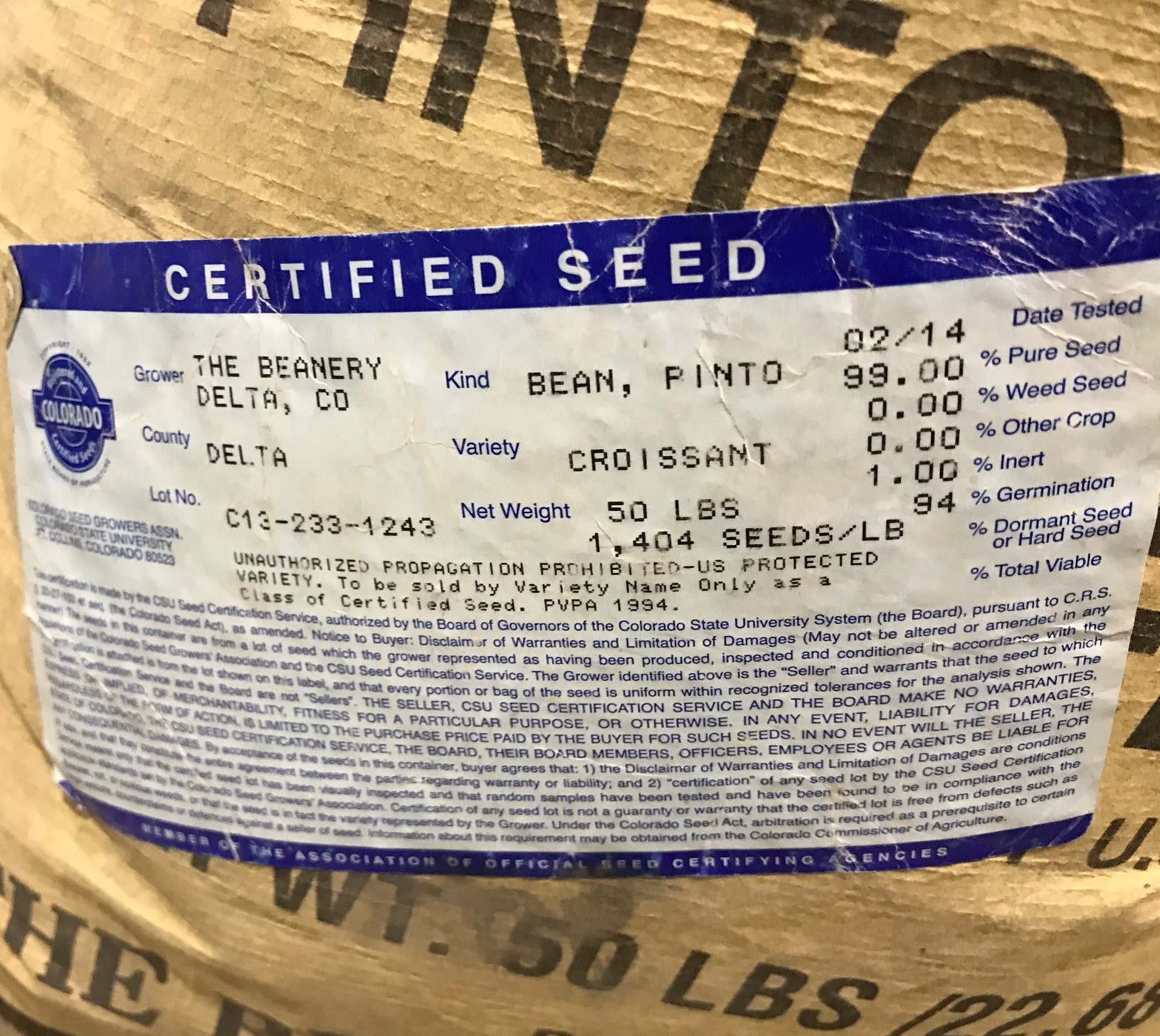
A seed label may differ by state depending on its seed laws. Below is an example of a label used in Colorado. The label should contain the following information:
Name and address: The full name and address of the person labeling or selling the seed shall appear on the label.
Kind: The commonly accepted name of the kind or cultivarCultivar:
A variety of cultivated crop.
of seed to be considered pure seed. For example, wheat, oats, alfalfa, etc. If the seeds are mixed the kind or cultivarCultivar:
A variety of cultivated crop.
of each seed making up 5% or more of the mixture shall be stated separately.
Variety: The variety name shall represent a subdivision of kind, which is characterized by growth, plant, seed, fruitFruit:
A mature ovary and any associated parts.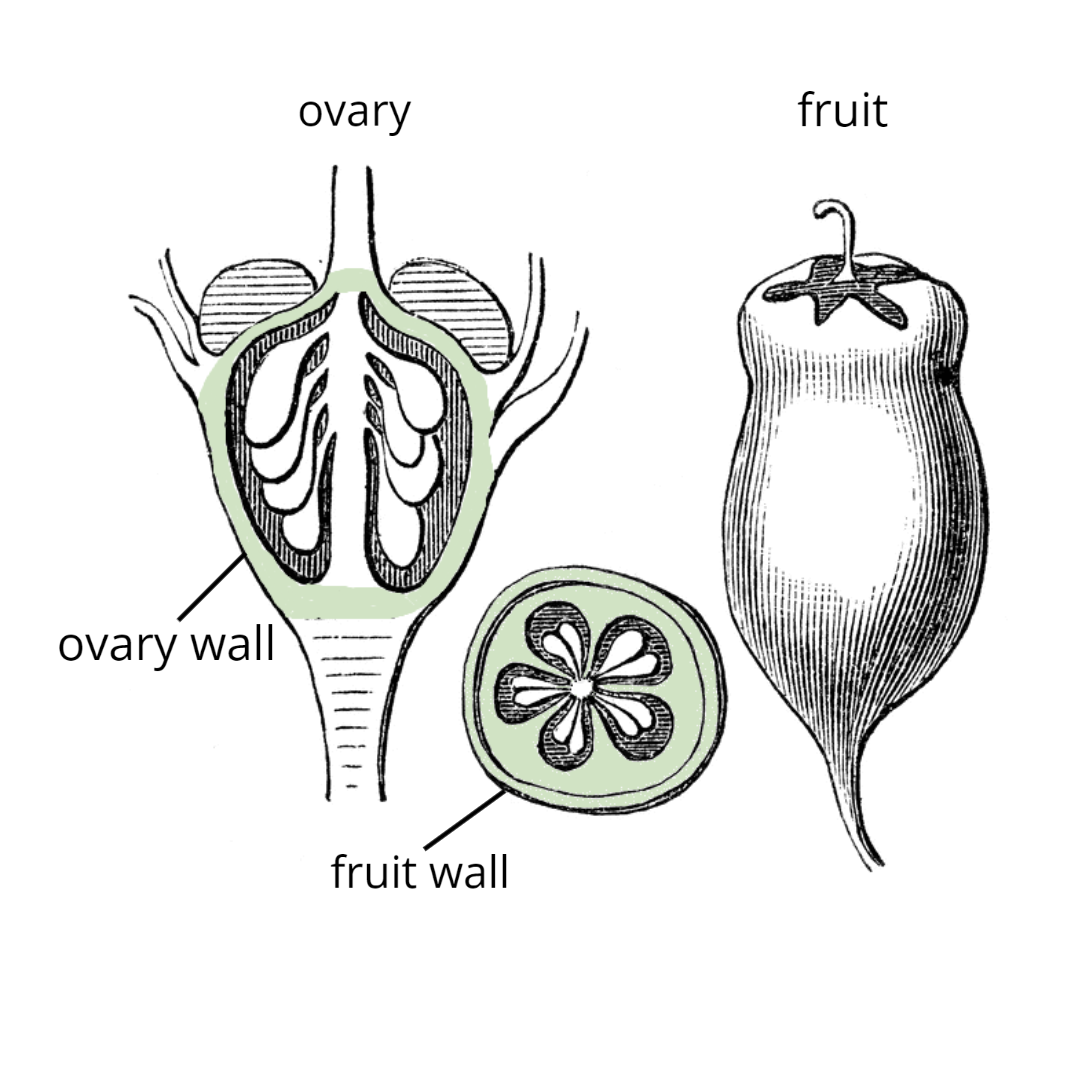 , or by other characteristic by which it can be differentiated from other sorts of the same kind. For example, ranger alfalfa, oahe intermediate wheatgrass, monida oat, othello pinto bean, buckskin winter wheat, etc. The label shall show the variety name or the words Variety Not Stated, or VNS.
Pure seed: Pure seed shall include seeds of each kind and/or cultivarCultivar:
A variety of cultivated crop.
, or kind(s) and variety, under consideration, which are present in excess of 5% of the whole. The label shall show the percentage by weight of pure seed.
Other crop seed: Seeds of plants grown as crops (other than the kind(s) and/or cultivar(s) included in the pure seed) shall be considered other crop seeds, unless recognized as weed seedsWeed seed:
A seed from a plant generally considered undesirable. The total percentage (by weight) of seed lot that is composed of seed of plants considered to be weeds. One of the four components of purity test.
by law, regulation, or by general usage. The label shall show the percentage by weight of the other crop seed and shall include collectively all the kinds, varieties, or types not stated on the label.
Weed seedWeed seed:
A seed from a plant generally considered undesirable. The total percentage (by weight) of seed lot that is composed of seed of plants considered to be weeds. One of the four components of purity test.
: Seeds, floretsFloret:
A small flower in a clustered inflorescence (e.g., sunflower, grasses). In grasses, a floret consists of the lemma, palea, stamens, and pistil.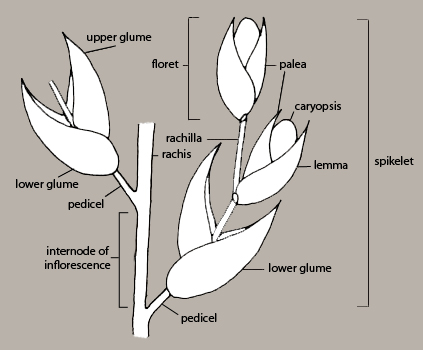 , bulbletsBulblet:
A small, vegetatively-produced bulb that can function reproductively as a seed (e.g., Allium spp. and Poa bulbosa).
, tubers or sporocarps of plants recognized as weeds by law, official regulation, or by general usage. The label shall show the percentage by weight of weed seedsWeed seed:
A seed from a plant generally considered undesirable. The total percentage (by weight) of seed lot that is composed of seed of plants considered to be weeds. One of the four components of purity test.
.
Inert matterInert matter:
One of the four components of a purity test; it includes non-seed material and seed material that is classified as inert according to the Rules for Testing Seeds.
: Inert matterInert matter:
One of the four components of a purity test; it includes non-seed material and seed material that is classified as inert according to the Rules for Testing Seeds.
shall include seeds and seed like structures from both crop and weed plants and other materials not included in pure seed, weed seedWeed seed:
A seed from a plant generally considered undesirable. The total percentage (by weight) of seed lot that is composed of seed of plants considered to be weeds. One of the four components of purity test.
, or other crop seed. The label shall show the percentage by weight of the inert matterInert matter:
One of the four components of a purity test; it includes non-seed material and seed material that is classified as inert according to the Rules for Testing Seeds.
.
GerminationGermination:
The resumption of active growth by the embryo culminating in the development of a young plant from seed.
(percentage): The maximum plant producing potential of a seed lot (i.e. the capability to germinate and produce a normal seedlingNormal seedling:
A seedling in which all essential structures are present and capable of developing into a plant under favorable conditions; certain defects may be present, as long as they are not so severe as to impede further development of the plant (see abnormal seedling).
under favorable conditions).
Dormant seed (percentage): Viable seeds, other than hard seeds, which fail to germinate when provided the specified germinationGermination:
The resumption of active growth by the embryo culminating in the development of a young plant from seed.
conditions for the kind of seed in question. Dormant seeds have imbibed water and are swollen in size but have not germinated by the end of the test period. Many grasses and native species are known to have varying types and amounts of dormancy.
Hard seedHard seed:
Seeds that remain hard at the end of the prescribed test period because they have not absorbed water due to an impermeable seed coat.
(percentage): Seeds that remain hard at the end of the prescribed test period because they have not absorbed water due to an impermeable seed coatSeed coat:
The protective covering of a seed usually composed of the inner and outer integuments. Also called the testa.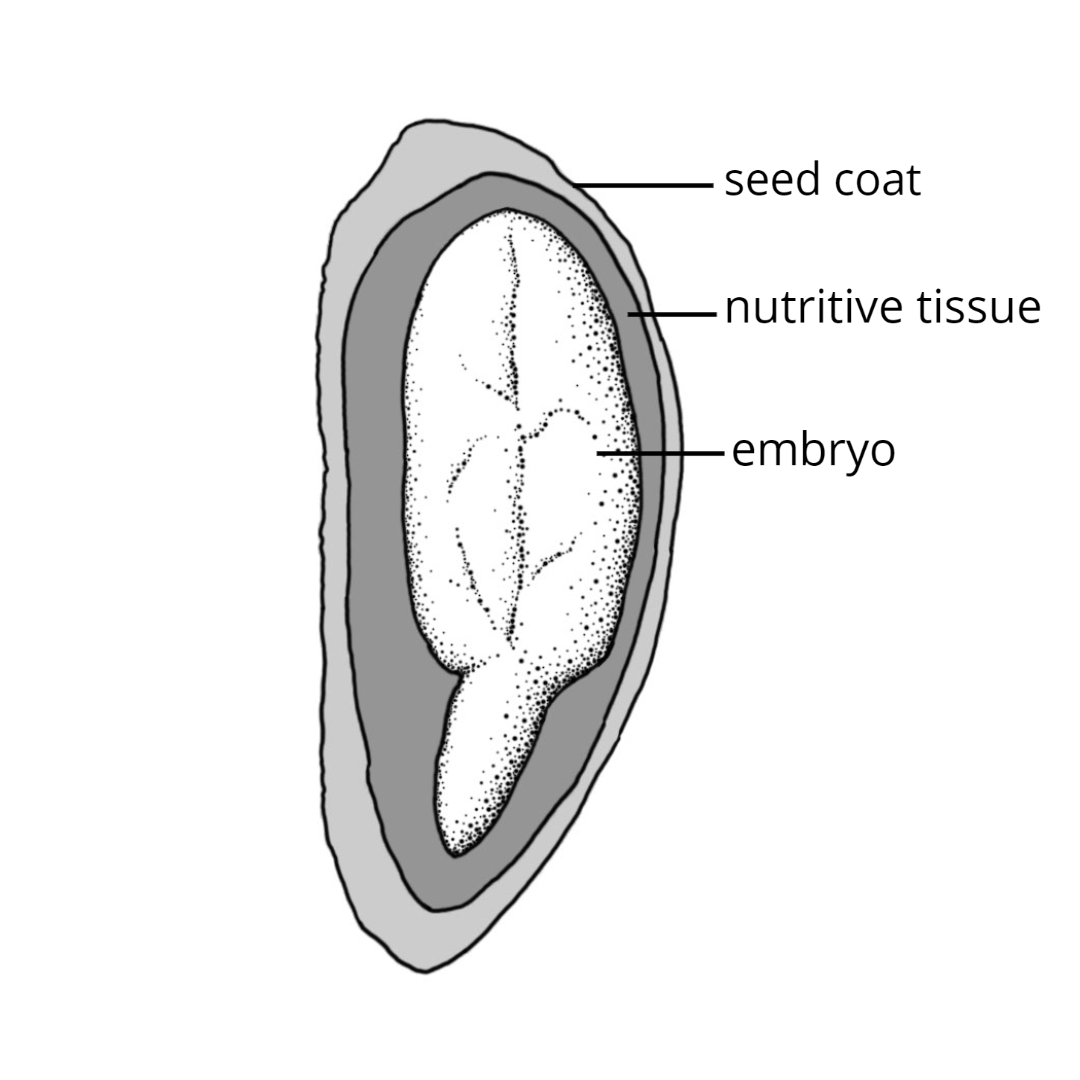 . Certain families of seed species have hard seedHard seed:
Seeds that remain hard at the end of the prescribed test period because they have not absorbed water due to an impermeable seed coat.
. LegumesLegumes:
A member of the pea family (Fabaceae) characterized by having dry, multi-seeded pods that dehisce along two sutures at maturity.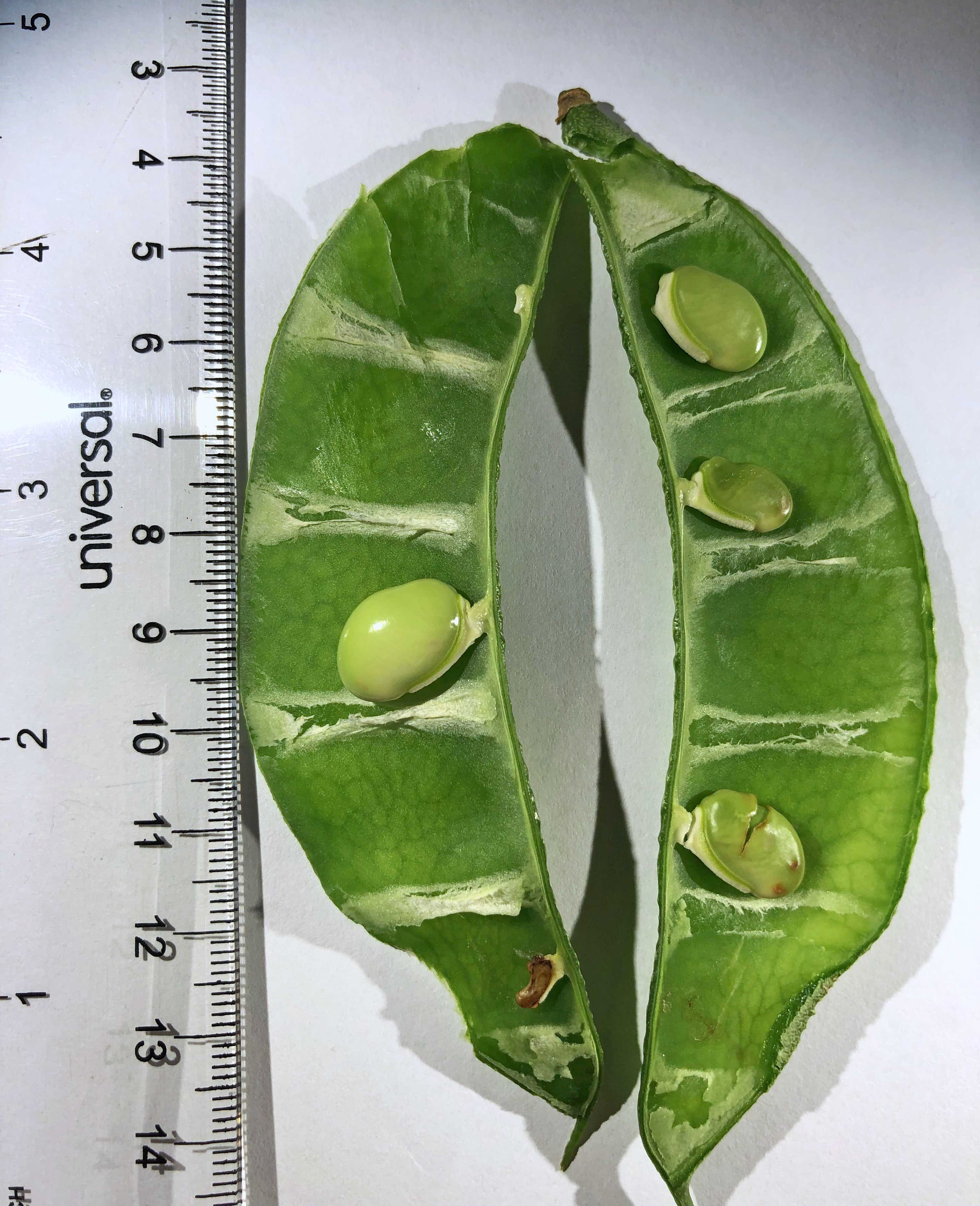 are best known for hard seeds. Both dormant and hard seedHard seed:
Seeds that remain hard at the end of the prescribed test period because they have not absorbed water due to an impermeable seed coat.
are types of dormancy, but they are physiologically quite different and should be distinguished from one another on the seed label.
Total viable seed (TVS): Percentage estimate of the ultimate potential for germinationGermination:
The resumption of active growth by the embryo culminating in the development of a young plant from seed.
. This is achieved by adding the percent germinationGermination:
The resumption of active growth by the embryo culminating in the development of a young plant from seed.
, percent hard, and percent dormant.
Pure live seedPure live seed:
The percentage of pure seeds in a seed lot that are alive. The percentage of Pure Live Seeds (PLS) is determined by multiplying the percent of live seeds (germinated plus dormant) by the percent or pure seed and dividing by 100.
(PLS): The percentage of seed in a seed lot that is both pure seed and viable (TVS). PLS = (Pure Seed % x TVS %)
Date of test: The label shall show the month and year in which the germinationGermination:
The resumption of active growth by the embryo culminating in the development of a young plant from seed.
test was completed. In Colorado germinationGermination:
The resumption of active growth by the embryo culminating in the development of a young plant from seed.
cannot be older than 13 months.
Inoculated seed: Seed that has received a coating of a microbial product.
Treated seed: Seed with a minimal covering of various materials whose primary objective is to reduce or control certain disease organisms, insects or other pests. Seed will be dyed or colored in some manner.