GerminationGermination:
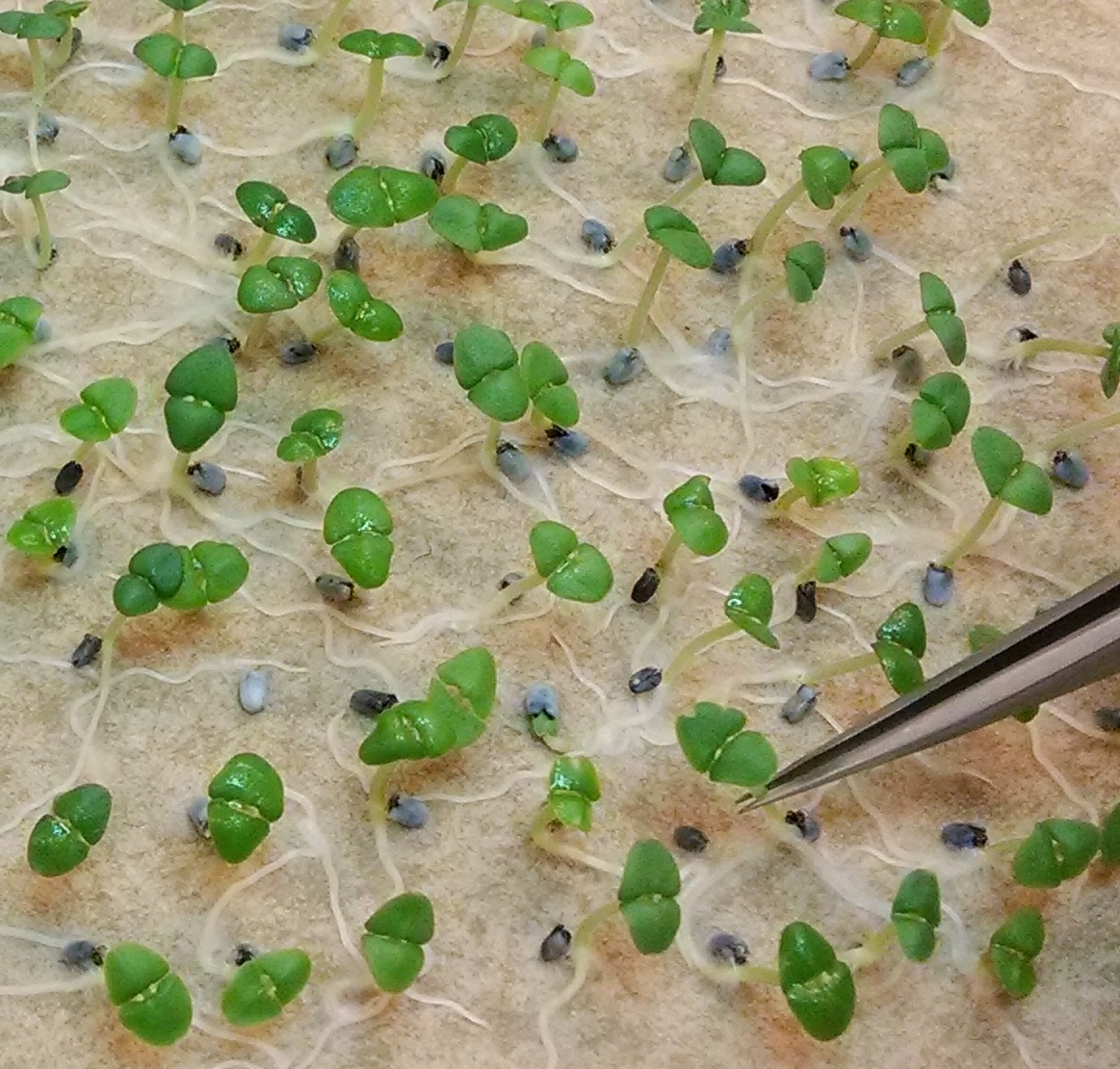
The resumption of active growth by the embryo culminating in the development of a young plant from seed.
is the most convincing and accepted index of seed quality. The exact procedures and regimes under which different kinds of seeds are germinated have been developed over 100 years, and have been augmented during the last 50 years by a systematic program of referee testing involving interchange of samples among laboratories.
AOSAAOSA:
The initials of the Association of Official Seed Analysts, the organization of state and federal seed analysts of the United States and Canada.
(Association of Official Seed Analysts) Rules for Testing Seed covers the following aspects of germinationGermination:
The resumption of active growth by the embryo culminating in the development of a young plant from seed.
testing:
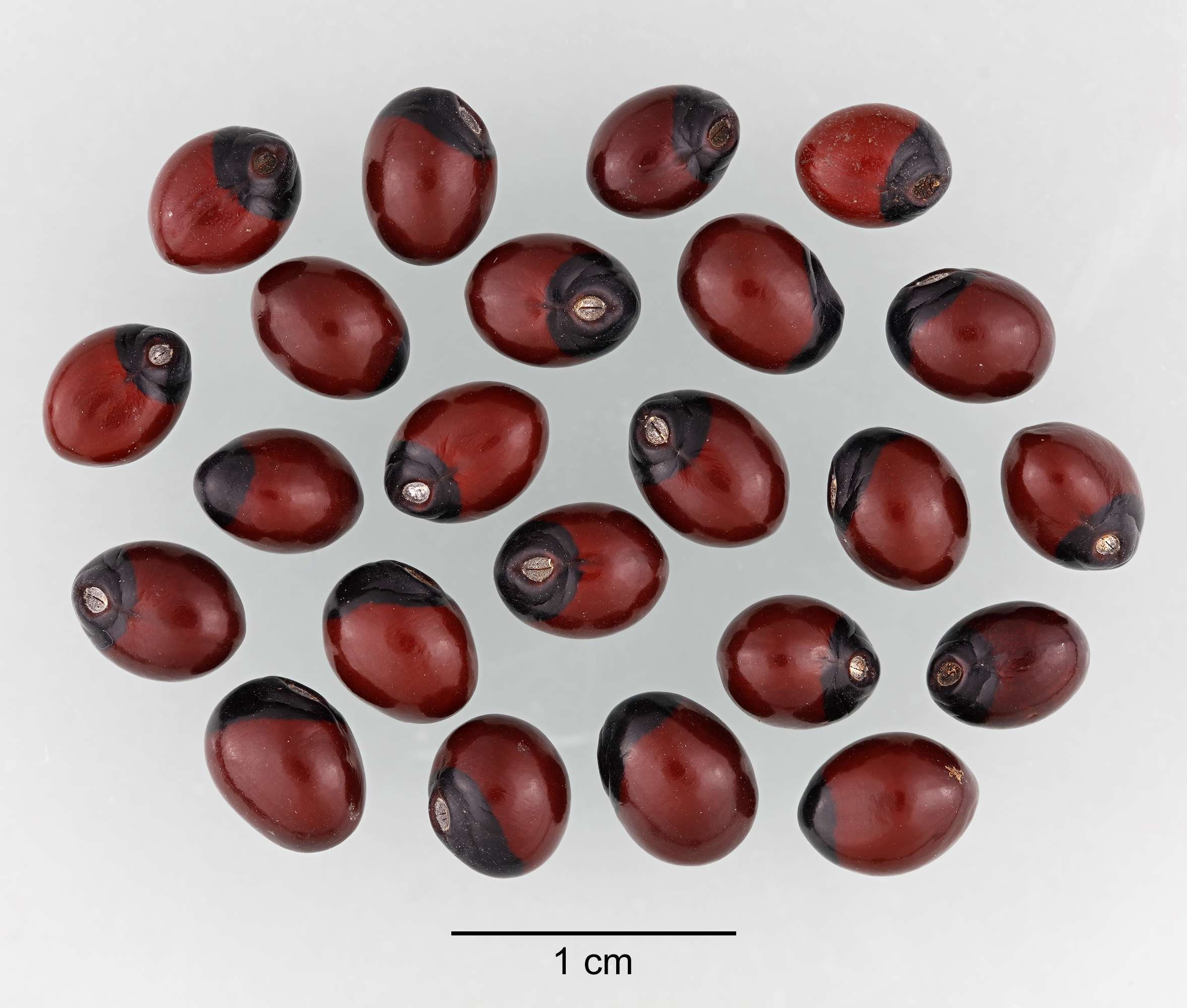
Seeds do not germinate because of dormancy, deterioration, death, or severe immaturity.
Dormant seeds are seeds which remain viable (alive) although metabolically inactive and incapable of germinationGermination:
The resumption of active growth by the embryo culminating in the development of a young plant from seed.
under the conditions normally favorable for the species. In other words, seed is supplied with all that it needs to germinate, yet it doesn't. The seed is asleep, waiting for the proper conditions to awaken it.
There are many types of seed dormancy. It is a very complex and misunderstood condition of certain species. Not all species that exhibit seed dormancy have the same dormancy mechanisms.
Why do seeds display dormancy?
Seed dormancy is a mechanism that ensures the survival of the species. Dormancy ensures the continuation of the species over time and through periods of environmental stress.
Seed dormancy aids a species' survival by delaying or retarding germinationGermination:
The resumption of active growth by the embryo culminating in the development of a young plant from seed.
so that 'overall germination' is dispersed over time. This means that if the environmental conditions are not right during the normal germinationGermination:
The resumption of active growth by the embryo culminating in the development of a young plant from seed.
period, a percentage of seeds will germinate at some later time when the conditions are right.
Dormancy pre-disposes the seed to respond to specific environmental conditions that will favor seedlingSeedling:
A young plant developing from the embryo of a seed.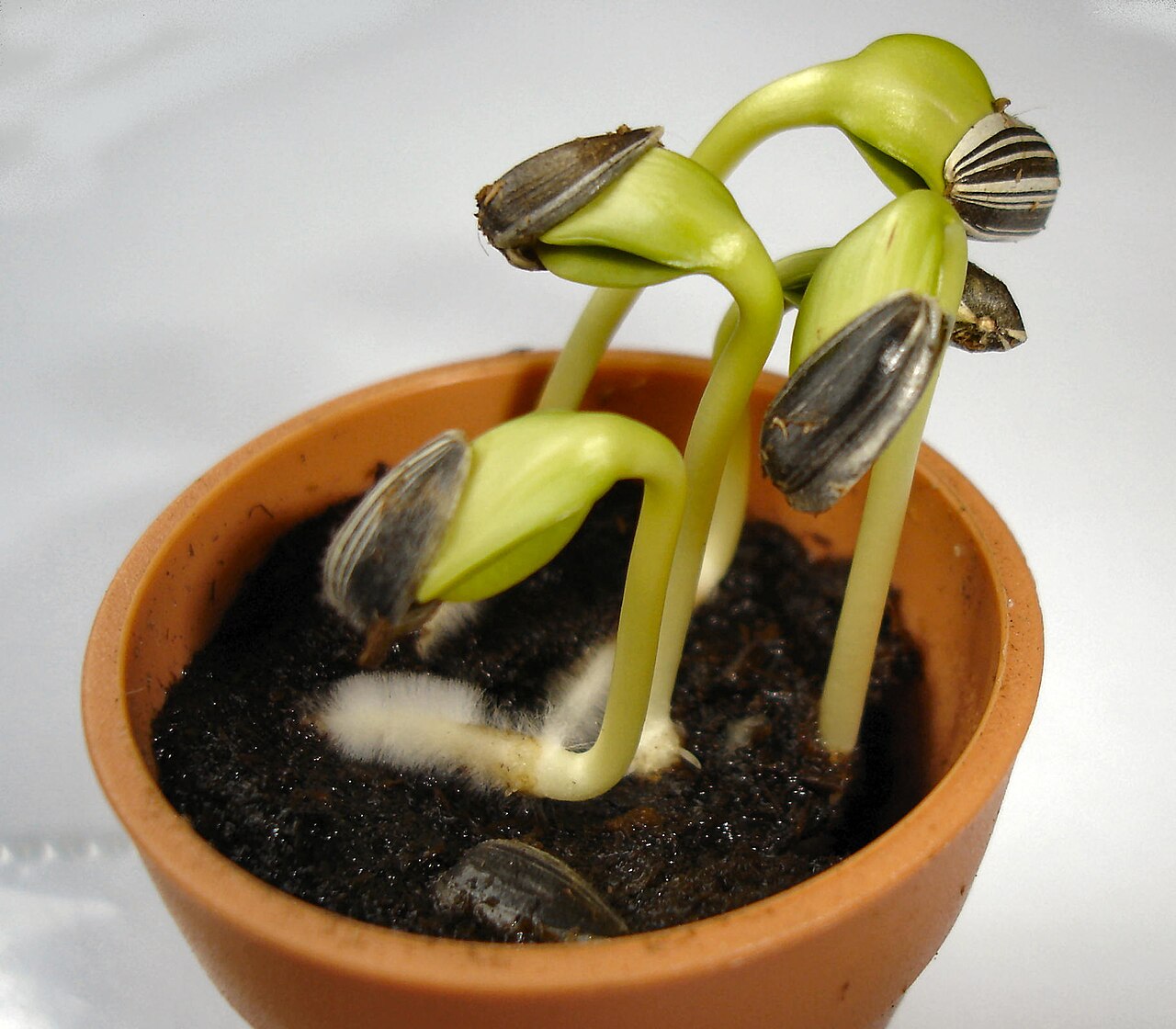 survival and maximize species proliferation.
Seed dormancy begins on the "mother plant"
Dormancy mechanisms ensure that seeds will not germinate while still attached to the mother plant (vivipary). Domesticated species often have dormancy mechanisms bred out of them and therefore will display viviparous germinationGermination:
The resumption of active growth by the embryo culminating in the development of a young plant from seed.
or what's commonly known as pre-harvest sprouting.
Germination inhibitorsInhibitor:
A chemical substance that retards or prevents a growth process such as germination.
, such as abscisic acid (ABA), or morphological changes in the seedcoat or pericarpPericarp:
Fruit wall; derived from the ovary wall.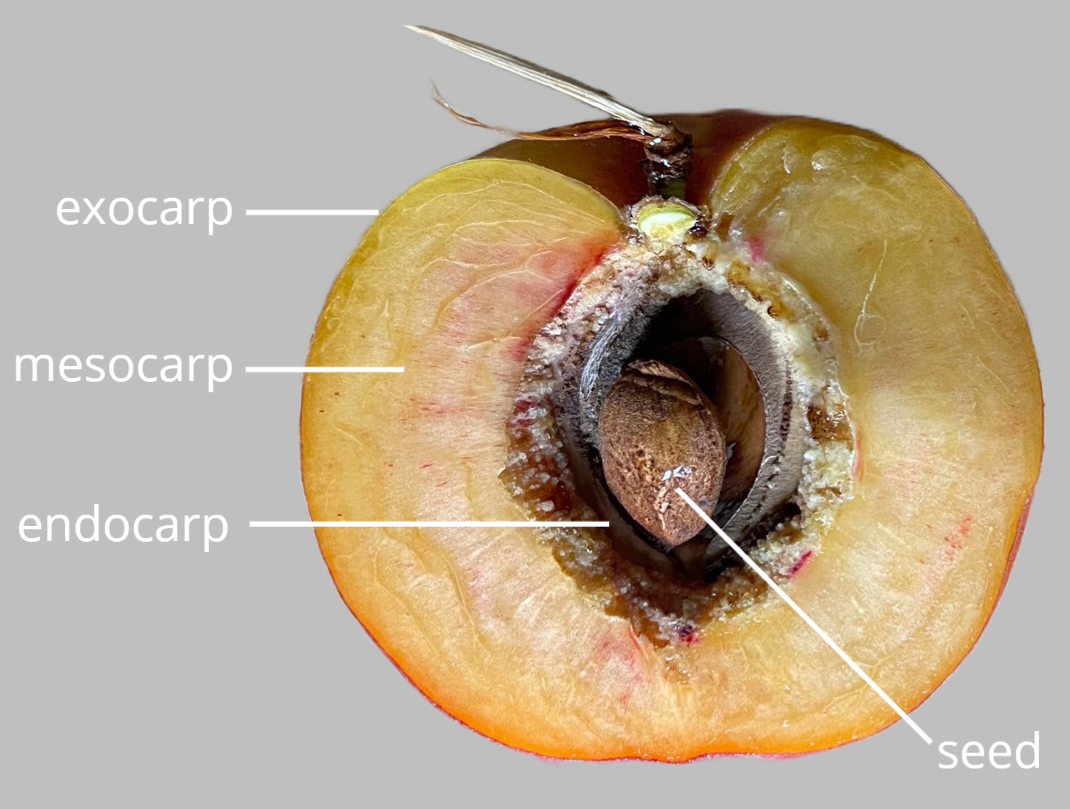 (fruitFruit:
A mature ovary and any associated parts.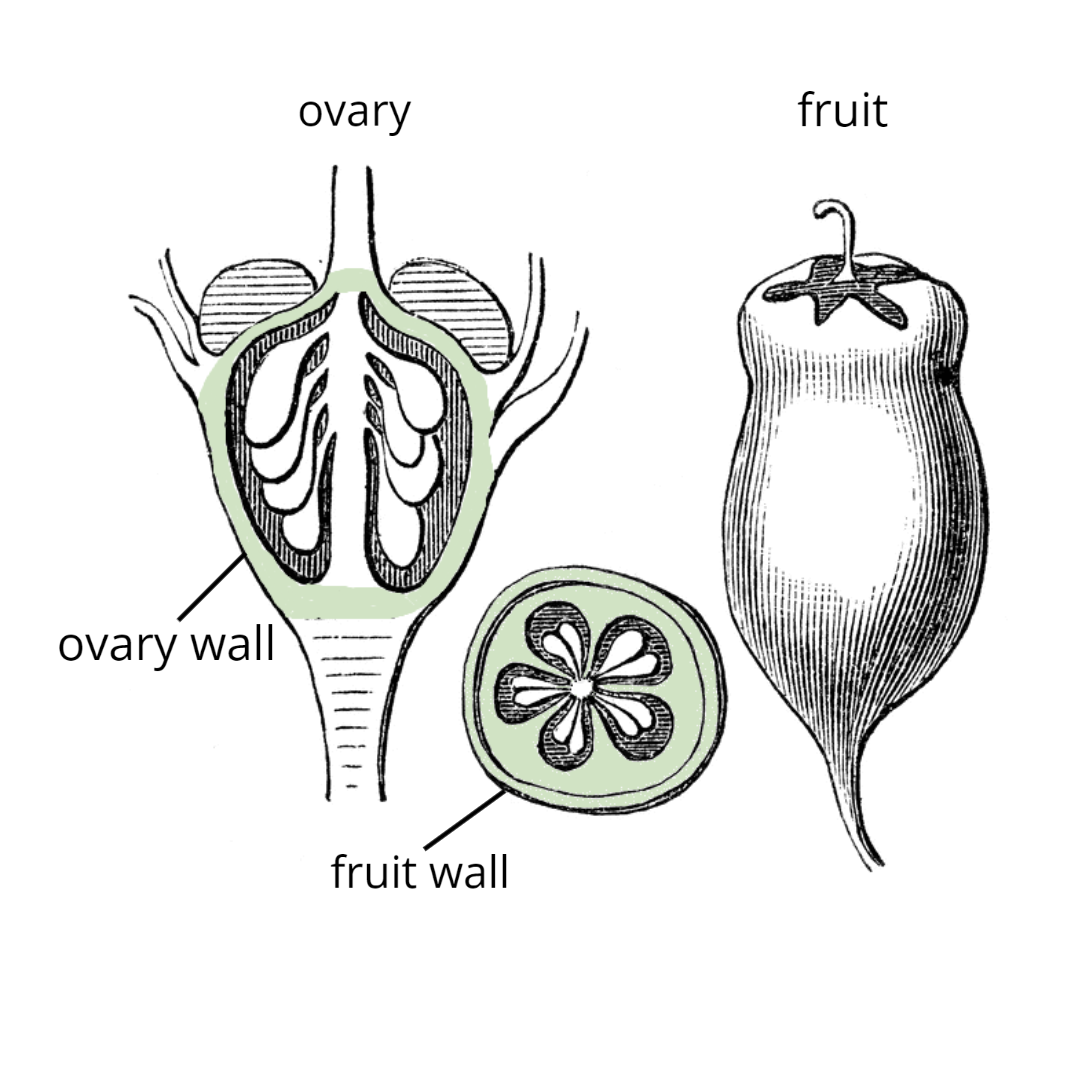 coat), prevent germinationGermination:
The resumption of active growth by the embryo culminating in the development of a young plant from seed.
on the mother plant. Maternal tissue surrounding the seed, such as the lemmasLemma:
One of two bracts of the grass floret; it is located on the side nearest the embryo and opposite the rachilla.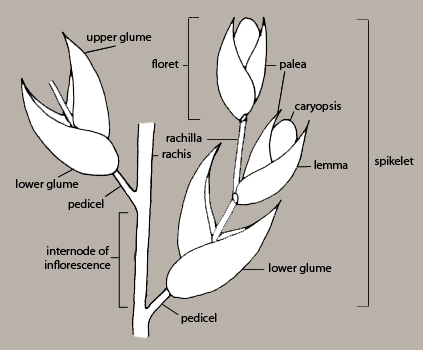 and paleae in grasses, play an important role in preventing viviparous germinationGermination:
The resumption of active growth by the embryo culminating in the development of a young plant from seed.
.
Seed dormancy and physiological maturityPhysiological maturity:
The maturity of seed when it reaches its maximum dry weight. This usually occurs prior to the normal harvest date.
The seed dries down at physiological maturityPhysiological maturity:
The maturity of seed when it reaches its maximum dry weight. This usually occurs prior to the normal harvest date.
and is soon shed from the mother plant. The influence of the mother plant begins to diminish at physiological maturityPhysiological maturity:
The maturity of seed when it reaches its maximum dry weight. This usually occurs prior to the normal harvest date.
.
With some seed species, the influence of the mother plant remains after the seed is shed. A period of time is needed to fully release maternal control, which prevents germinationGermination:
The resumption of active growth by the embryo culminating in the development of a young plant from seed.
. This is known as the "after-ripeningAfter-ripening:
A term for the collective changes that occur in a dormant seed that make it capable of germination. It is usually considered to denote physiological changes.
" period.
For more about after-ripeningAfter-ripening:
A term for the collective changes that occur in a dormant seed that make it capable of germination. It is usually considered to denote physiological changes.
and other dormancy mechanisms see: Seed Dormancy Mechanisms below.
Seed dormancy: after-ripeningAfter-ripening:
A term for the collective changes that occur in a dormant seed that make it capable of germination. It is usually considered to denote physiological changes.
In a broad sense, after-ripeningAfter-ripening:
A term for the collective changes that occur in a dormant seed that make it capable of germination. It is usually considered to denote physiological changes.
describes the loss of the dormant state in a seed over some period of time. In the strictest sense, after-ripeningAfter-ripening:
A term for the collective changes that occur in a dormant seed that make it capable of germination. It is usually considered to denote physiological changes.
refers to the loss of dormancy mechanisms imposed by the mother plant.
Seeds maintained in dry storage or imbibed in the soil seedbank tend to lose this maternal control over dormancy and germinationGermination:
The resumption of active growth by the embryo culminating in the development of a young plant from seed.
, without the application of dormancy breaking methods, over a period of days to years depending upon the species. After-ripeningAfter-ripening:
A term for the collective changes that occur in a dormant seed that make it capable of germination. It is usually considered to denote physiological changes.
is a period of quiescenceQuiescence:
A resting seed in which none of the germination processes is taking place; usually inferring the absence of environmental conditions favoring growth; growth resumption of the species is not present.
that the seed must go through to finalize the separation from the mother plant and become autonomous and on its own.
Another type of after-ripeningAfter-ripening:
A term for the collective changes that occur in a dormant seed that make it capable of germination. It is usually considered to denote physiological changes.
involves seeds with rudimentary embryosEmbryo:
A rudimentary plant contained in a seed, usually consisting of a more or less differentiated axis and attached cotyledon(s).
. With this after-ripeningAfter-ripening:
A term for the collective changes that occur in a dormant seed that make it capable of germination. It is usually considered to denote physiological changes.
, the rudimentary embryoEmbryo:
A rudimentary plant contained in a seed, usually consisting of a more or less differentiated axis and attached cotyledon(s).
must develop into a full embryonic axis before germinationGermination:
The resumption of active growth by the embryo culminating in the development of a young plant from seed.
can occur. This is a physiological process that may occur over a period of time or may have to be stimulated by certain environmental factors to proceed.
In some species (such as members of the Apiaceae, carrot family), there is a dependence upon where the seed is positioned within the inflorescenceInflorescence:
The flowering structure of a plant (e.g., umbel, spike or panicle).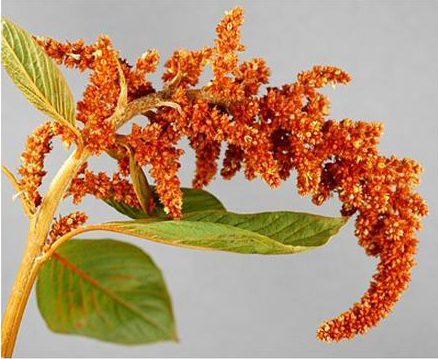 as to how rudimentary or developed the embryoEmbryo:
A rudimentary plant contained in a seed, usually consisting of a more or less differentiated axis and attached cotyledon(s).
is at physiological maturityPhysiological maturity:
The maturity of seed when it reaches its maximum dry weight. This usually occurs prior to the normal harvest date.
. Those seeds with a well-developed embryoEmbryo:
A rudimentary plant contained in a seed, usually consisting of a more or less differentiated axis and attached cotyledon(s).
germinate readily while those with rudimentary embryosEmbryo:
A rudimentary plant contained in a seed, usually consisting of a more or less differentiated axis and attached cotyledon(s).
must develop fully over time to germinate.
Seedcoat dormancy: hardseedednessHard seed:
Seeds that remain hard at the end of the prescribed test period because they have not absorbed water due to an impermeable seed coat.
HardseedednessHard seed:
Seeds that remain hard at the end of the prescribed test period because they have not absorbed water due to an impermeable seed coat.
is where the seedcoat or pericarpPericarp:
Fruit wall; derived from the ovary wall. surrounding the seed presents a physical barrier to the uptake of water. This type of dormancy is common in Fabaceae, Convolvulaceae, Geraniaceae, Malvaceae, Lamiaceae, and Poaceae species. Physical abrasion (scarificationScarification:
The process of mechanically abrading a seed coat to make it more permeable to water. This process may also be accomplished by brief exposure to strong acids (e.g. sulfuric acid).
) or freezing and thawing may be needed to allow water uptake and germinationGermination:
The resumption of active growth by the embryo culminating in the development of a young plant from seed.
to proceed.
HardseedednessHard seed:
Seeds that remain hard at the end of the prescribed test period because they have not absorbed water due to an impermeable seed coat.
(in its broadest sense), may also prevent germinationGermination:
The resumption of active growth by the embryo culminating in the development of a young plant from seed.
in many trees and shrubs where the seed unitSeed unit:
The structure usually regarded as a seed in planting practices and in commercial channels, consisting of a true seed with or without accessory structures, as defined in Section 2.6 of the AOSA Rules. See also true seed.
is a nut or a drupe. With this type of hardseedednessHard seed:
Seeds that remain hard at the end of the prescribed test period because they have not absorbed water due to an impermeable seed coat.
, the seedcoat or pericarpPericarp:
Fruit wall; derived from the ovary wall. presents a physical barrier to the expansion of the germinating seed.
Seedcoat dormancy: impermeable membranes
With this type of dormancy, membranes within the pericarpPericarp:
Fruit wall; derived from the ovary wall., seedcoat, or sometimes in the endospermEndosperm:
Nutritive tissue originating from union of the two polar nuclei with a sperm nucleus.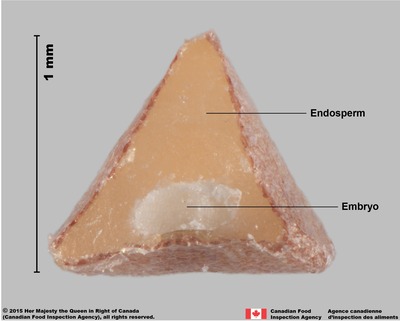 of the seed form a barrier that is permeable to the imbibitionImbibition:
The uptake of water by the seed from the germination substrate.
of water but impermeable to the uptake of oxygen. Generally, cool temperatures between 10 °C and 15 °C allow oxygen to make its way into the seed while warm temperatures prevent oxygen uptake.
This type of seed dormancy is often the basis of why certain species need alternating temperatures to germinate. Since germinationGermination:
The resumption of active growth by the embryo culminating in the development of a young plant from seed.
is fueled by the respiration of stored food within the seed, without oxygen, germinationGermination:
The resumption of active growth by the embryo culminating in the development of a young plant from seed.
cannot occur.
Another variation of impermeable membranes inhibiting germinationGermination:
The resumption of active growth by the embryo culminating in the development of a young plant from seed.
is found in some species where a membrane layer around the radicleRadicle:
The rudimentary root of the embryo, developing into the primary root after emergence from the seed coat.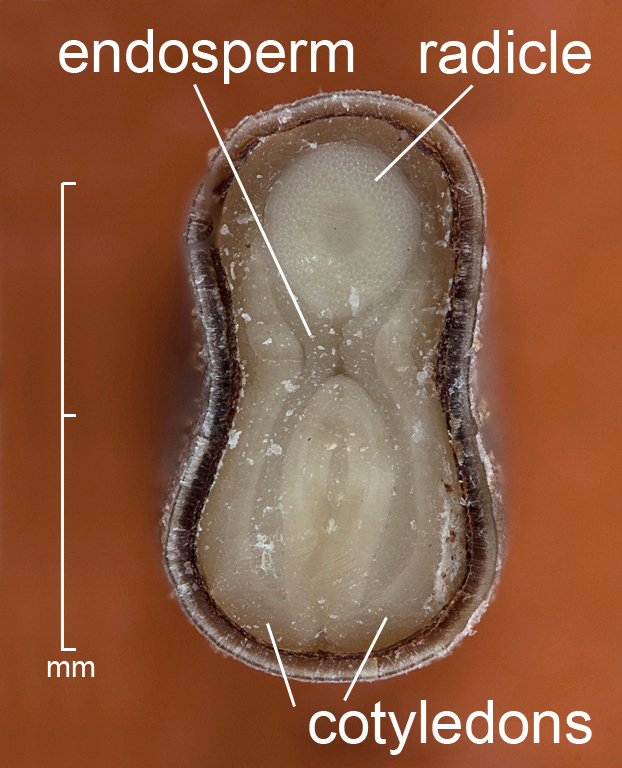 inhibits the maximum uptake of water imbibitionImbibition:
The uptake of water by the seed from the germination substrate.
into the radicleRadicle:
The rudimentary root of the embryo, developing into the primary root after emergence from the seed coat. and presents a physical barrier to the expansion and protrusion of the radicleRadicle:
The rudimentary root of the embryo, developing into the primary root after emergence from the seed coat. during germinationGermination:
The resumption of active growth by the embryo culminating in the development of a young plant from seed.
. These layers often have light dormancy associated with them that needs to be overcome to allow the radicleRadicle:
The rudimentary root of the embryo, developing into the primary root after emergence from the seed coat. to emerge.
Physiological seed dormancy: inhibitorsInhibitor:
A chemical substance that retards or prevents a growth process such as germination.
and promotors
Dormancy due to inhibitorsInhibitor:
A chemical substance that retards or prevents a growth process such as germination.
is based upon the fact that germinationGermination:
The resumption of active growth by the embryo culminating in the development of a young plant from seed.
and growth promoting enzymesEnzyme:
A catalyst produced in living matter. Enzymes are specialized proteins capable of promoting chemical reactions without themselves entering into the reaction; consequently, they are not changed or destroyed.
and hormones can be inhibited, thus preventing germinationGermination:
The resumption of active growth by the embryo culminating in the development of a young plant from seed.
. InhibitorsInhibitor:
A chemical substance that retards or prevents a growth process such as germination.
, such as sbscisic acid (ABO) may be at a sufficient level to counteract growth promoting enzymesEnzyme:
A catalyst produced in living matter. Enzymes are specialized proteins capable of promoting chemical reactions without themselves entering into the reaction; consequently, they are not changed or destroyed.
, such as gibberellins (GA).
Usually, it is the balance or ratio between inhibitorsInhibitor:
A chemical substance that retards or prevents a growth process such as germination.
and promotors that needs to be tipped for germinationGermination:
The resumption of active growth by the embryo culminating in the development of a young plant from seed.
to proceed. These inhibitorsInhibitor:
A chemical substance that retards or prevents a growth process such as germination.
are found in the endospermEndosperm:
Nutritive tissue originating from union of the two polar nuclei with a sperm nucleus., cotyledonsCotyledon:
The modified storage leaf or pair of leaves of an embryo and seedling (see primary leaf).
, or other food storage tissue. Sometimes these chemicals are found in the outer coverings of the seed or fruitFruit:
A mature ovary and any associated parts..
Many of these chemical inhibitorsInhibitor:
A chemical substance that retards or prevents a growth process such as germination.
are water soluble and can be leached from the seed, thus shifting the balance towards growth promoting chemicals and allowing the seed to germinate. Other inhibitorsInhibitor:
A chemical substance that retards or prevents a growth process such as germination.
must be degraded into other forms or chemicals to reduce their concentration. With inhibitorsInhibitor:
A chemical substance that retards or prevents a growth process such as germination.
that are found within the embryonic axis, it is temperature (and sometimes light) that generally controls this shift.
Temperature may also favor the production of growth promoting hormones and enzymesEnzyme:
A catalyst produced in living matter. Enzymes are specialized proteins capable of promoting chemical reactions without themselves entering into the reaction; consequently, they are not changed or destroyed.
in the embryonic axis. Cool temperatures generally shift the balance of promotors and inhibitorsInhibitor:
A chemical substance that retards or prevents a growth process such as germination.
towards promoting germinationGermination:
The resumption of active growth by the embryo culminating in the development of a young plant from seed.
.
Physiological seed dormancy: the role of temperature control
As noted earlier when discussing membrane permeability, cool temperatures make certain membranes allow oxygen to be taken up into the seed. At the same time, cool temperatures may lower the demand for oxygen in the respiration process, thus making it more readily available for other uses.
Oxygen then can be used to oxidate and degrade germination inhibitorsInhibitor:
A chemical substance that retards or prevents a growth process such as germination.
while at the same time be used to activate germinationGermination:
The resumption of active growth by the embryo culminating in the development of a young plant from seed.
promotors. This shifts the balance towards promoting the seed to germinate if the conditions are right.
There are other processes within the seed that are affected by temperature. Cool temperatures trigger shifts in metabolic pathways when the seed is in moist, imbibed conditions. Nucleic acid synthesis is aided by these cool-moist conditions that are found naturally in the spring after snow melt.
Cool temperatures also aid in the digestion of some food reserve components, thus allowing for an increase in germinationGermination:
The resumption of active growth by the embryo culminating in the development of a young plant from seed.
energy. One other, but very important factor affected by cool temperatures is that they aid in the softening of the endospermEndosperm:
Nutritive tissue originating from union of the two polar nuclei with a sperm nucleus. structure. This is particularly true for the area of the endospermEndosperm:
Nutritive tissue originating from union of the two polar nuclei with a sperm nucleus. that surrounds the radicleRadicle:
The rudimentary root of the embryo, developing into the primary root after emergence from the seed coat. of the embryoEmbryo:
A rudimentary plant contained in a seed, usually consisting of a more or less differentiated axis and attached cotyledon(s).
. This softening diminishes the physical barrier that impedes the protrusion of the radicleRadicle:
The rudimentary root of the embryo, developing into the primary root after emergence from the seed coat. during the germinationGermination:
The resumption of active growth by the embryo culminating in the development of a young plant from seed.
process.
Physiological seed dormancy: light and its role
Light has an important role in the dormancy of some seed species. This light sensitivity may also be connected to the temperature events above. And light may also have an interaction with KNO3 and other chemicals shown to promote germinationGermination:
The resumption of active growth by the embryo culminating in the development of a young plant from seed.
in some species.
It isn't just light but the quality of light reaching the seed. In the diurnal (night to day) shift, the quality of light changes in the red spectrum. During the day, red light in the spectrum promotes shifts within the seed that allow it to germinate.
During the night, the main light comes from the sun reflecting off the moon. This light is strong in the far-red spectrum and light in that spectrum inhibits the processes that favor germinationGermination:
The resumption of active growth by the embryo culminating in the development of a young plant from seed.
.
Many seed species with small seeds need light to germinate. When buried deeply in the soil, they lack the light and go dormant. This can be seen in your garden where you think you have gotten rid of the weeds and then you disturb the soil. This disturbance brings seeds to the surface where they are stimulated by the light and begin to germinate.
Many seed dormancy classification schemes have been proposed over the years and vary greatly. Any classification scheme for seed dormancy must have a practical use. This is especially true if you happen to be a seed analyst. It should be simple as well as useable.
Plant and seed physiologists have put forth hundreds of dormancy classification schemes, and this has made understanding seed dormancy hard to understand and confusing at best. Many of the schemes are strictly for bud dormancy in plants and not relevant to seeds.
Below is a scheme that works well when dealing with seed dormancy and trying to figure out why seeds aren't germinating.
Innate seed dormancy
Innate dormancy is present within the seed when it reaches physiological maturityPhysiological maturity:
The maturity of seed when it reaches its maximum dry weight. This usually occurs prior to the normal harvest date.
. It is imposed upon the seed by the mother plant and remains for some time after the seed is shed.
Often, the seed need only go through an after-ripeningAfter-ripening:
A term for the collective changes that occur in a dormant seed that make it capable of germination. It is usually considered to denote physiological changes.
period for it to disappear. But it may also be combined in the seed with other types of dormancy so that the seed remains dormant after the innate dormancy mechanism is removed.
Enforced seed dormancy
Enforced dormancy is literally "forced" upon the seed by some limitation of the germinationGermination:
The resumption of active growth by the embryo culminating in the development of a young plant from seed.
environment. Seeds requiring light, alternating temperatures, or light/dark conditions fall into this category. One or more of these conditions need to be satisfied for the seed to begin germinationGermination:
The resumption of active growth by the embryo culminating in the development of a young plant from seed.
.
This type of dormancy disappears once the missing condition(s) are supplied. The environment supplies the strict requirements that the seed needs to soften membranes, cause physiological shifts in inhibitorsInhibitor:
A chemical substance that retards or prevents a growth process such as germination.
and promotor chemicals, cause different metabolic pathways to activate, or a combination of these and the seed begins to germinate and grow.
Certain seed species are more sensitive to environmental conditions and controls. You'll find that freshly harvested seed is more sensitive to the environmental parameters that cause this type of dormancy. As the seed ages, the narrow environmental conditions that must be met to break this dormancy widen, and the seed becomes less sensitive to them.
Induced seed dormancy
Induced dormancy has also been referred to as secondary dormancySecondary dormancy:
A type of dormancy imposed by adverse environmental conditions in previously non-dormant seeds, or seeds in which primary dormancy has been broken.
. In this case, the dormancy is induced upon the seed after conditions of innate and enforced dormancy have been broken or lost from the seed.
Induced dormancy occurs when the seed has imbibed water but has been placed under extremely unfavorable conditions for germinationGermination:
The resumption of active growth by the embryo culminating in the development of a young plant from seed.
. When later placed under more favorable conditions the seed fails to germinate while still remaining viable. It is often very hard to entice seeds displaying induced dormancy to germinate.
Even seed species that don't normally display dormancy may fall into a state of induced dormancy under the right conditions.