Amaranthus palmeri

Species category

Weed

Common name

Palmer amaranth

Diagnostic characters

Planting unit

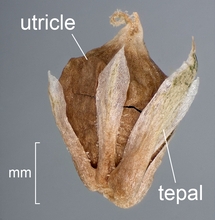
UtricleUtricle:
A one-seeded, usually small, bladdery fruit as found in Atriplex.
Shape

LenticularLenticular:
Lens-shaped, circular in outline with convex sides.
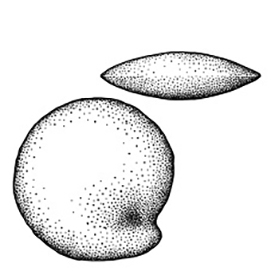
and ovateOvate:
Egg-shaped with basal end the broadest.
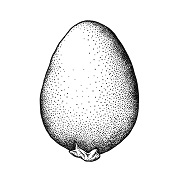
Size

Diameter: 1–1.5mm

Color

Black

Embryo

Size: Partially fills the seed.

Shape: Curved.

PerispermPerisperm:
Nutritive tissues occurring within certain seeds, derived from the nucellus; similar in function to endosperm.
:
Peripheral, hard and translucent whitish.

Noxious weed seed categories

State Noxious Weed: Iowa,, Minnesota, Montana, North Dakota, Ohio, South Dakota, Tennessee, Washington, Wisconsin, Wyoming

AOSA examination list

Not included

More information

For more information, see ISMA fact sheet.

Nomenclature

Family

Amaranthaceae

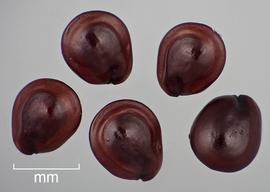
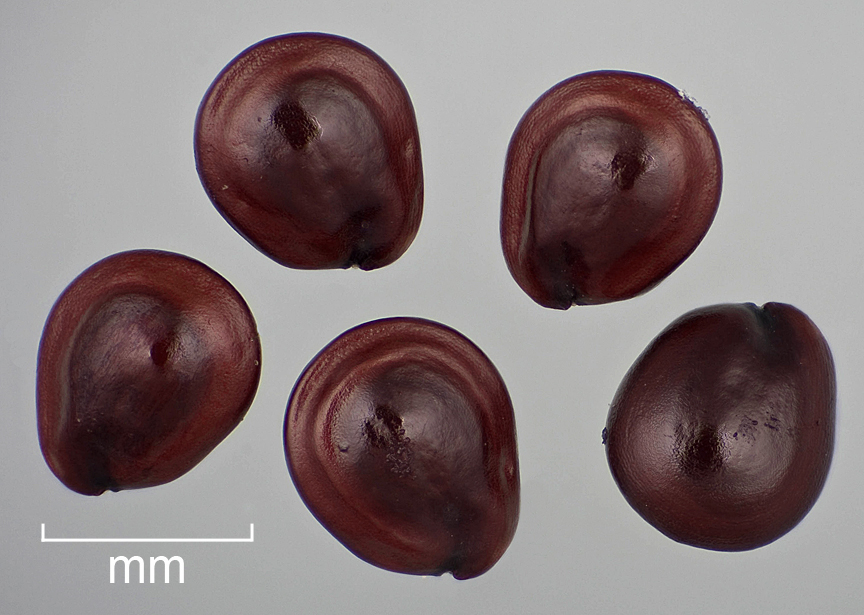
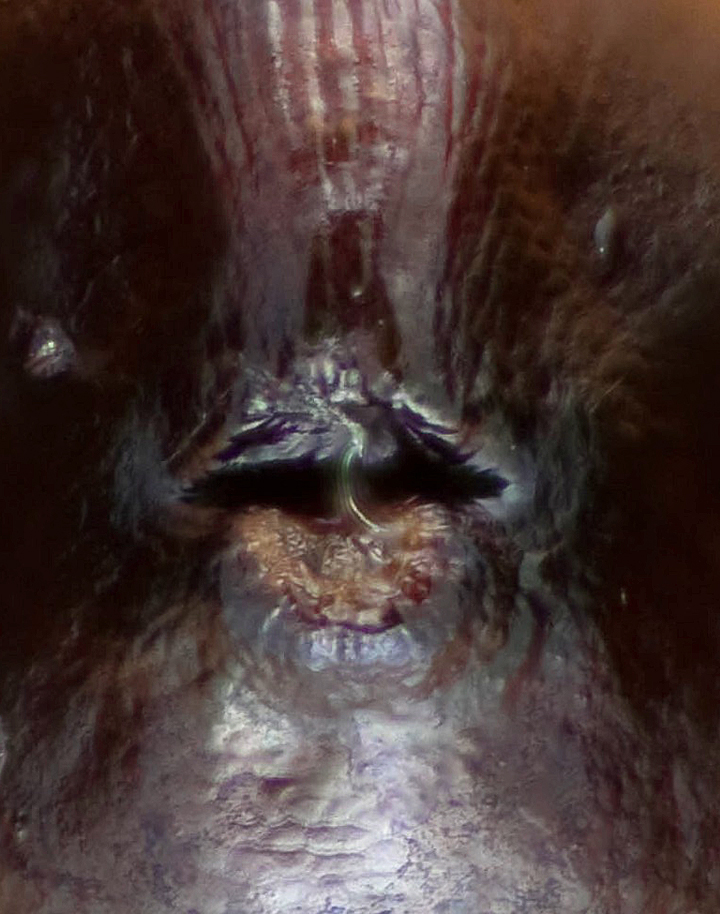
 Amaranthus palmeri.  Hilum in notch. Photo courtesy of USDA-APHIS-PPQ.
Amaranthus palmeri. Hilum in notch. Photo courtesy of USDA-APHIS-PPQ.
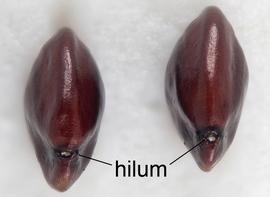
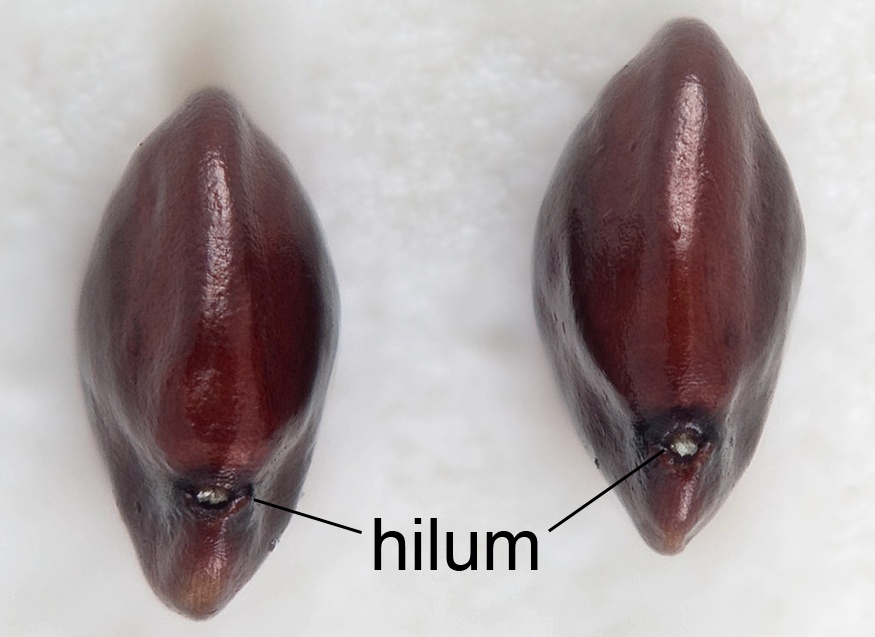
 Amaranthus palmeri.  Looking down on the hilar region. Photo courtesy of USDA-APHIS-PPQ.
Amaranthus palmeri. Looking down on the hilar region. Photo courtesy of USDA-APHIS-PPQ.
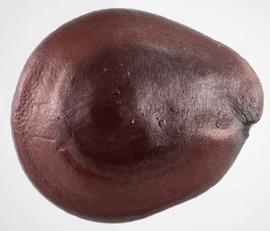
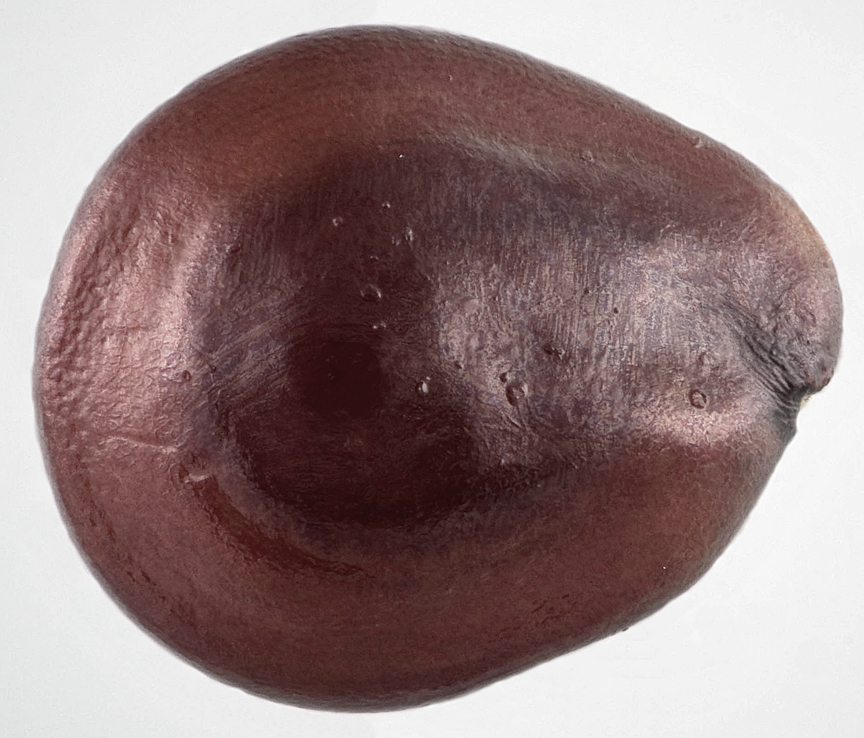
 Amaranthus palmeri.  Utricle. Hilum at right. Photo courtesy of USDA-APHIS-PPQ.
Amaranthus palmeri. Utricle. Hilum at right. Photo courtesy of USDA-APHIS-PPQ.
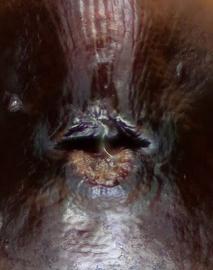
 Amaranthus palmeri.  Close-up of hilum.  Note white funicular remnant. Photo courtesy of USDA-APHIS-PPQ.
Amaranthus palmeri. Close-up of hilum.  Note white funicular remnant. Photo courtesy of USDA-APHIS-PPQ.
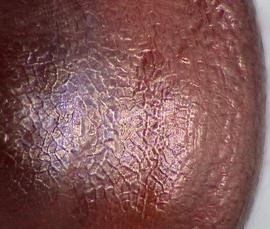
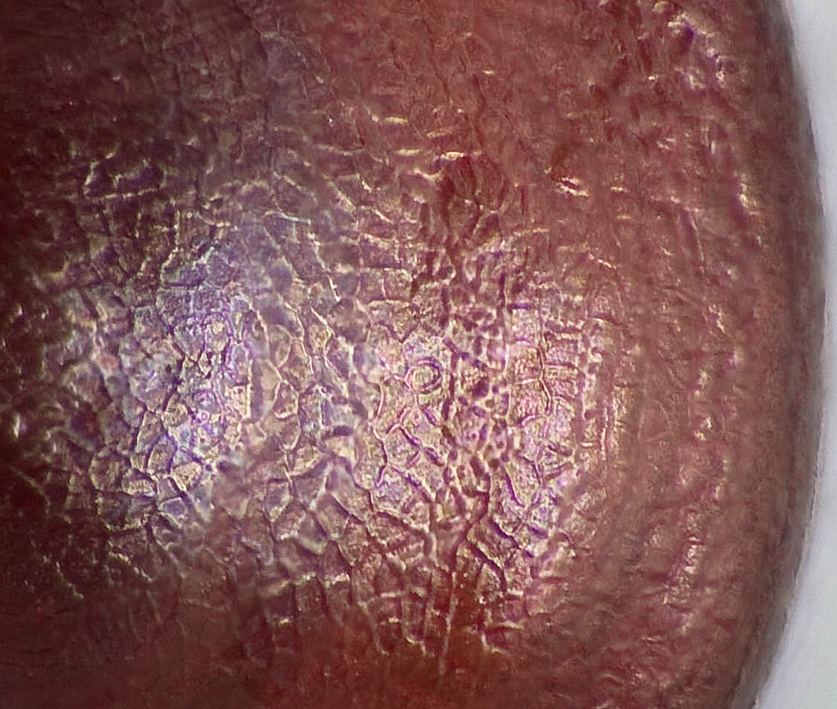
 Amaranthus palmeri.  Close up of seed surface. Photo courtesy of USDA-APHIS-PPQ.
Amaranthus palmeri. Close up of seed surface. Photo courtesy of USDA-APHIS-PPQ.