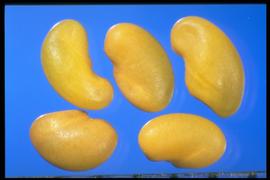
Agricultural
alfalfa
True seedTrue seed:
A mature fertilized ovule consisting of an embryo, with or without and external food reserve (e.g., endosperm) enclosed by the testa.
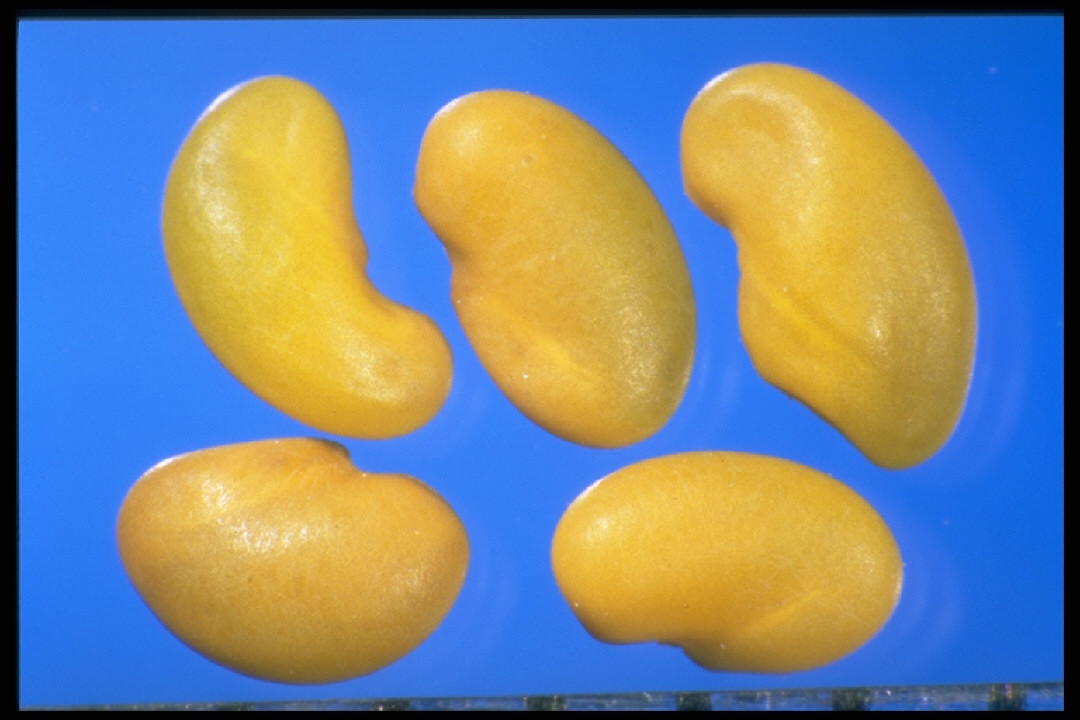
Reniform (kidney shaped) to ovalOval:
Broadly elliptic.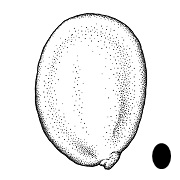 ; angular or irregular.
Yellowish-brown, sometimes with a green tinge
Smooth to dull
HilumHilum:
The scar on the seed coat at the place of its detachment from the seed stalk (funiculus).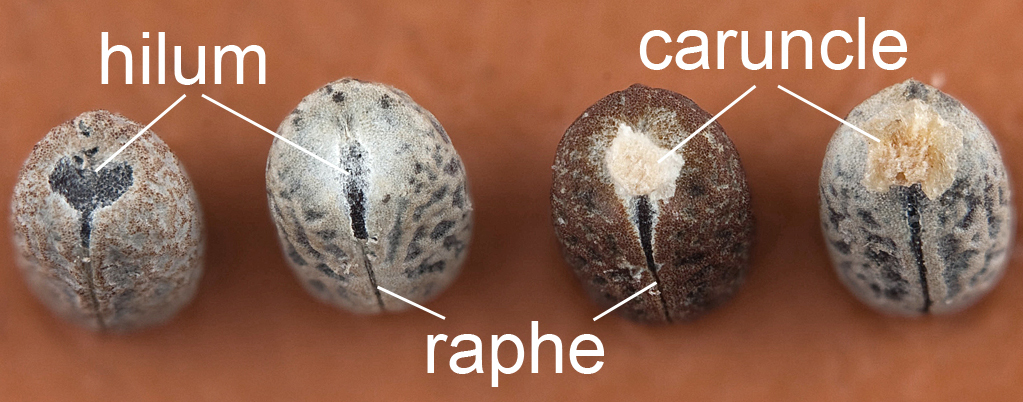 is on concave margin.
The coiled podsPod:
A dehiscent fruit produced by leguminous plants (beans, peas). Also known as a legume.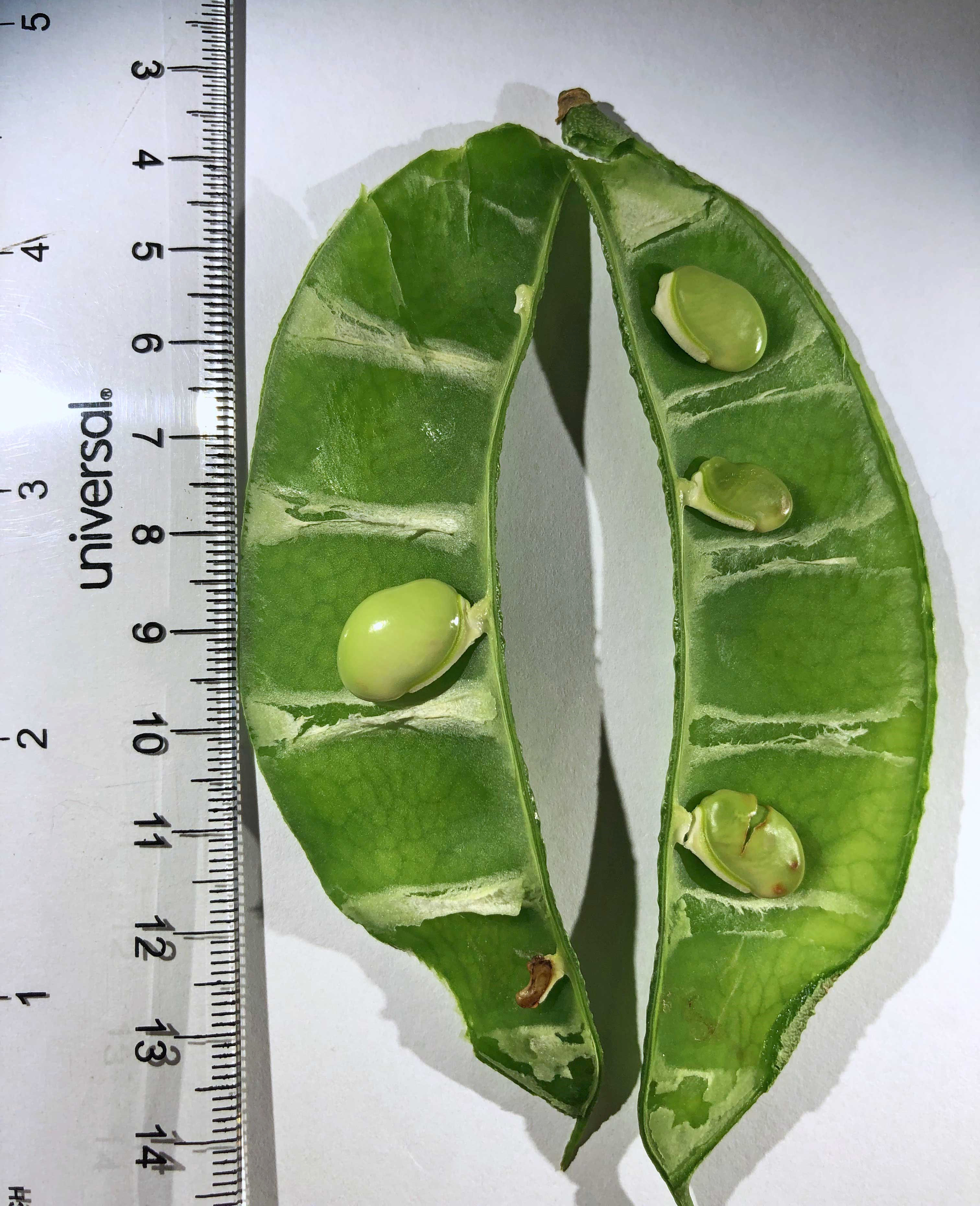 of alfalfa produce seeds that are variously compressed and misshapen. Seeds are non-planar and most when viewed from the edge have a slight twist, wave, or bend in the axis. The hilumHilum:
The scar on the seed coat at the place of its detachment from the seed stalk (funiculus). "furrow" line is not parallel to the main seed axis. Alfalfa seed color yellowish to tan to brown (immature seeds may be yellowish-green).
Because the seed usually twists slightly and is non-planar, you can flip the seed over and it should appear different on each side.
State Noxious Weed: Arizona
Included
For more information, see ISMA fact sheet.
Fabaceae
Medicago sativa L.