Weed
saltlover, barilla
NutletNutlet:
A small, dry, indehiscent carpel of a fruit, usually composed of one quarter of the fruit with each enclosing a single seed (e.g. mints).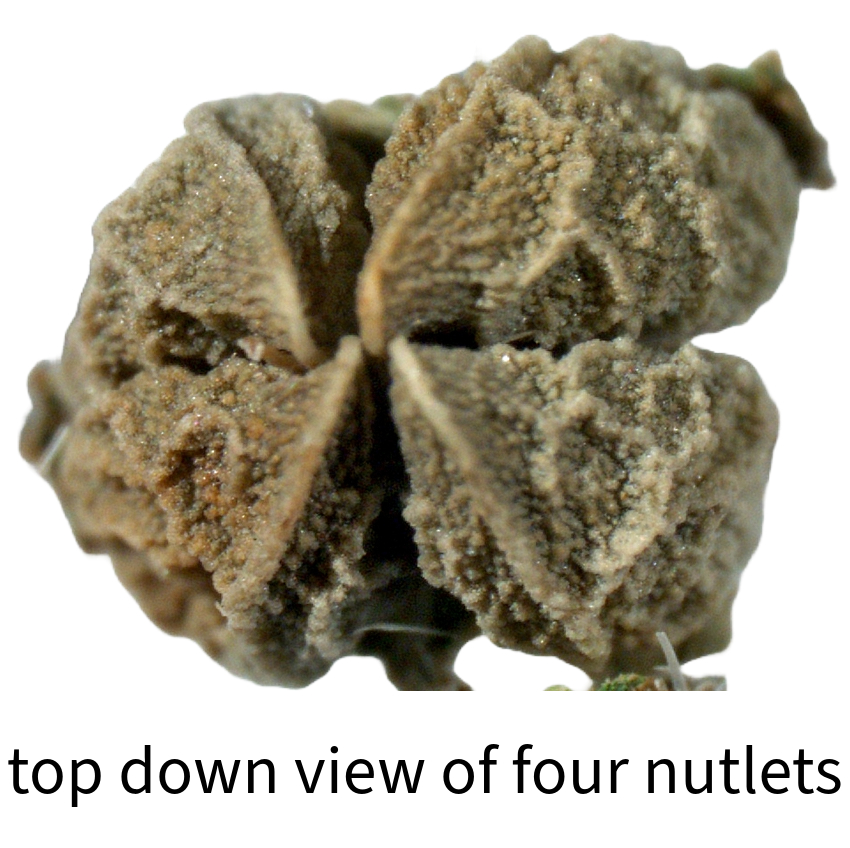
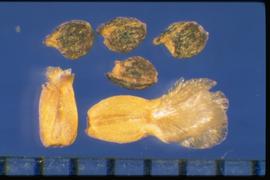
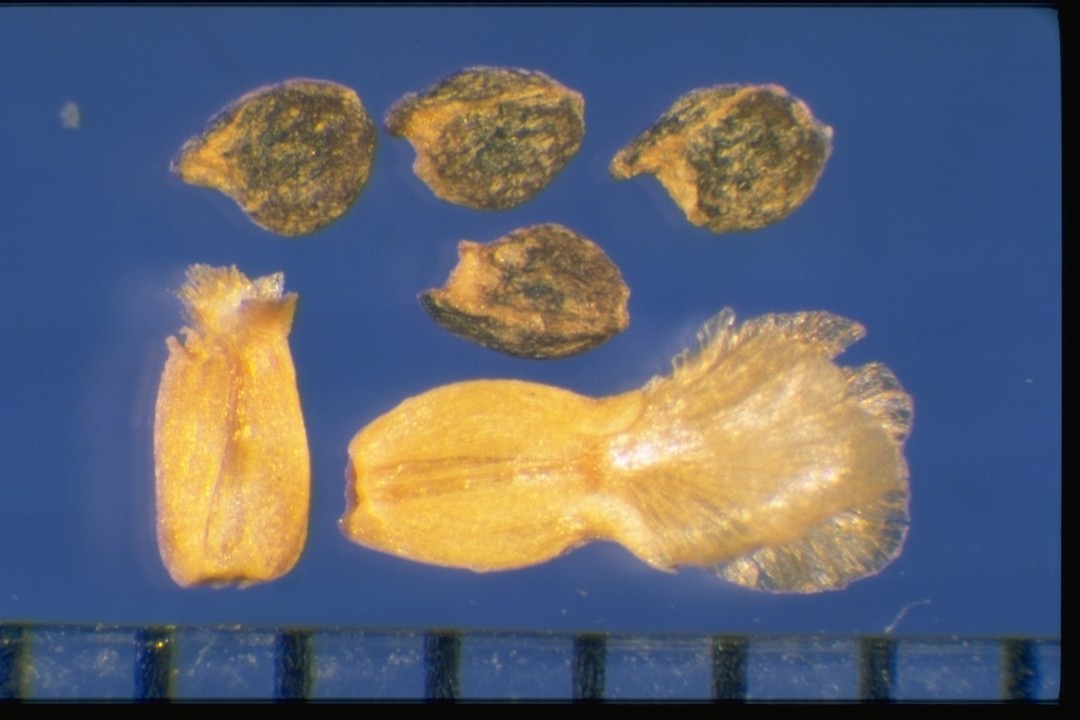
Compressed coil
Black seed with yellow pericarpPericarp:
Fruit wall; derived from the ovary wall.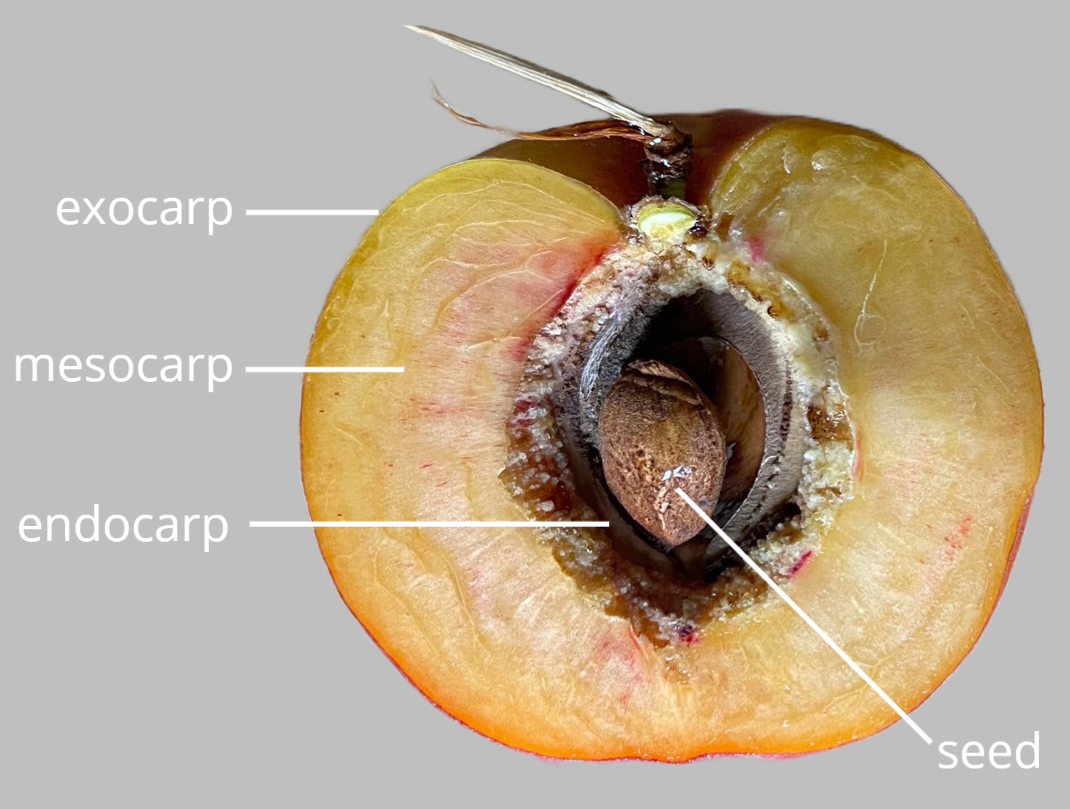 and sepals
Rough
SepalSepal:
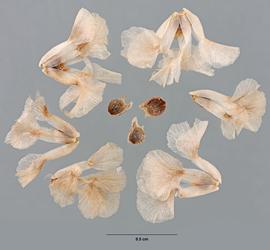
The outermost whorl of leaf-like structures attached to the receptacle. Collectively, all the sepals on a flower are called the calyx.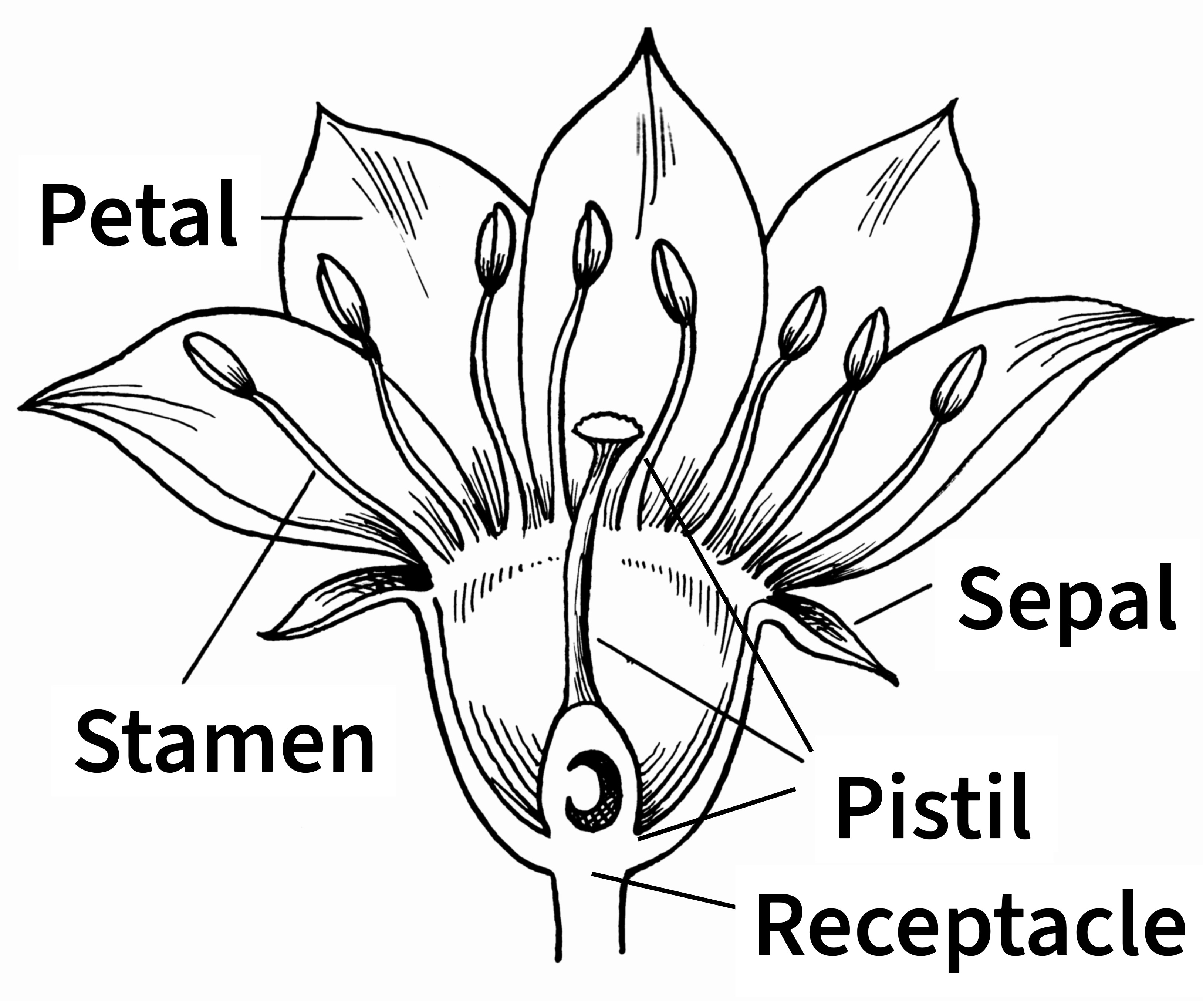 with or without membranous extension
Seed unitSeed unit:
The structure usually regarded as a seed in planting practices and in commercial channels, consisting of a true seed with or without accessory structures, as defined in Section 2.6 of the AOSA Rules. See also true seed.
can be a true seedTrue seed:
A mature fertilized ovule consisting of an embryo, with or without and external food reserve (e.g., endosperm) enclosed by the testa.
, fruitFruit:
A mature ovary and any associated parts.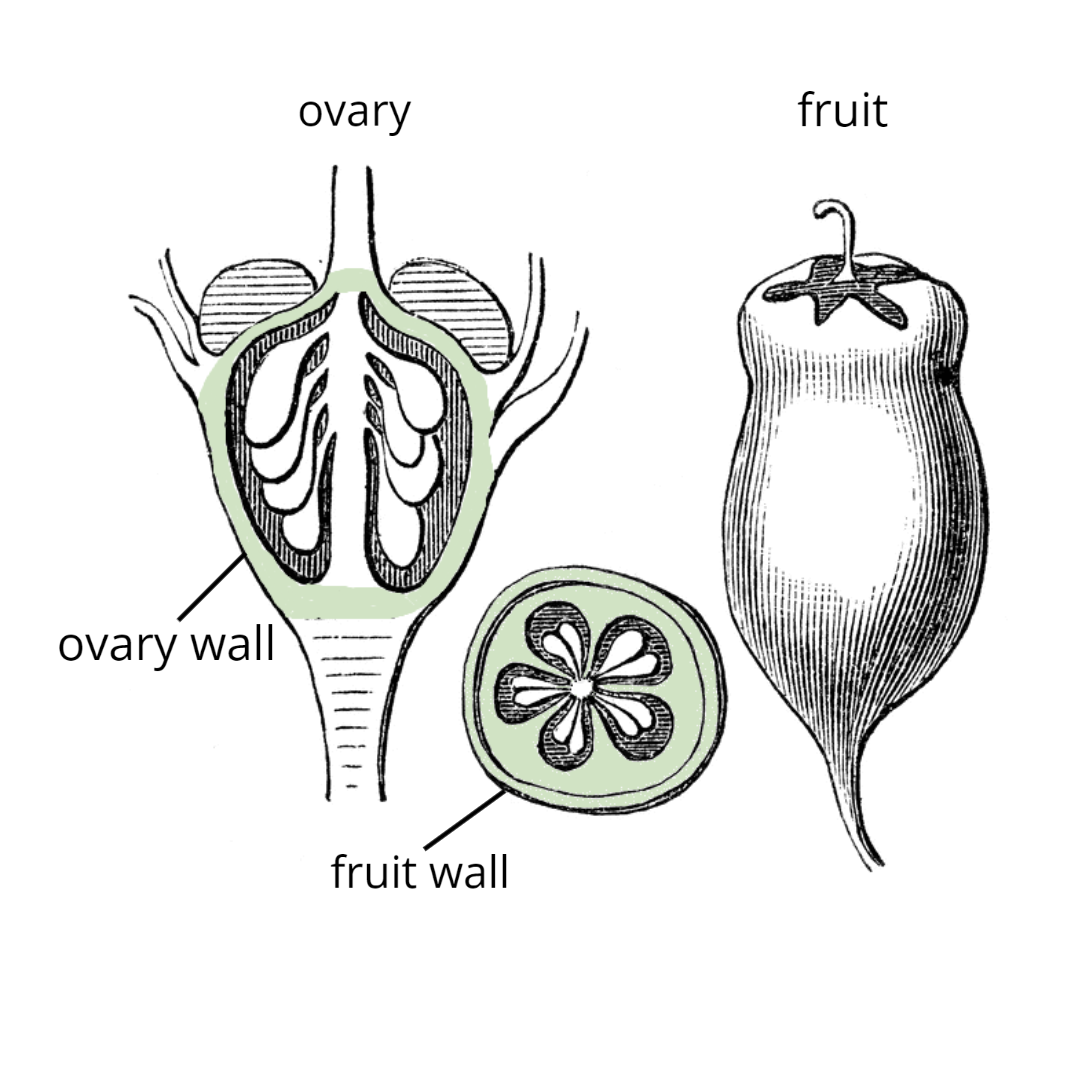 or the entire flower. Long, thin embryoEmbryo:
A rudimentary plant contained in a seed, usually consisting of a more or less differentiated axis and attached cotyledon(s).
in a flat coil that can be seen through the seed and fruitFruit:
A mature ovary and any associated parts. wall.
State Noxious Weed: Arizona, California, Colorado, Hawaii, Idaho, Nevada, New Mexico, Oregon, Utah, Washington, Wyoming
Not included
For more information, see ISMA fact sheet.
Chenopodiaceae
Halogeton glomeratus (M. Bieb.) C.A. Mey.