Weed
shortpod mustard
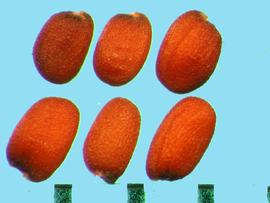
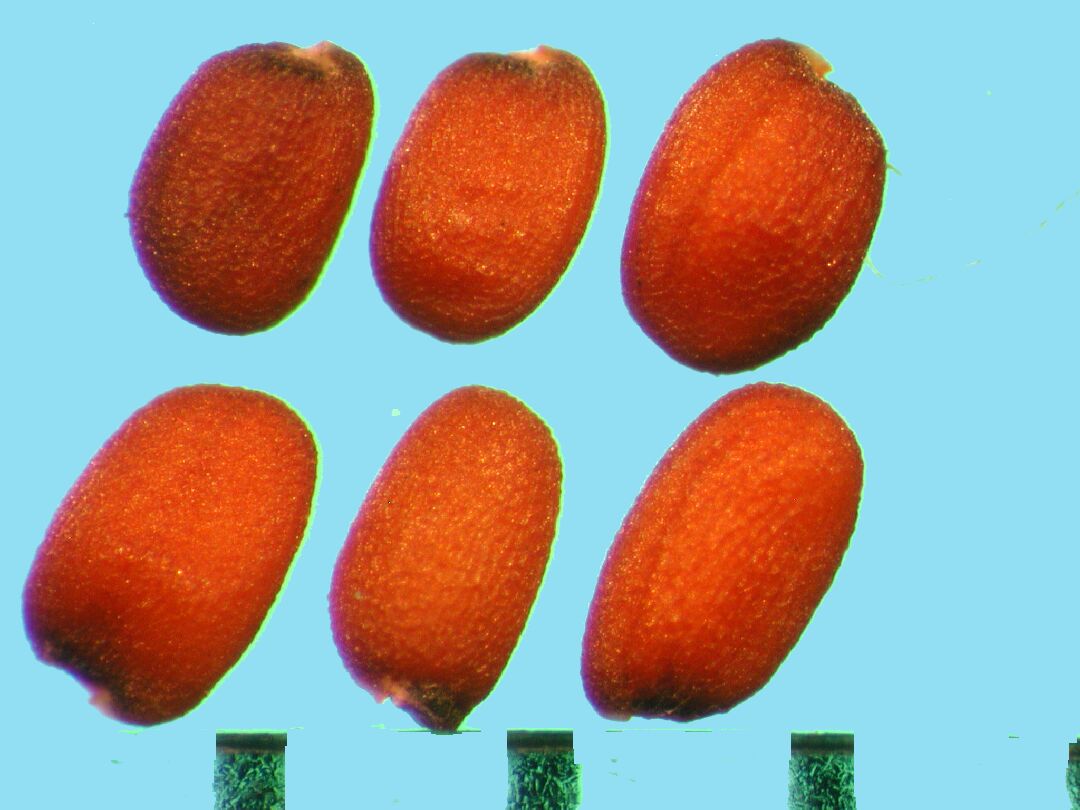
True seedTrue seed:
A mature fertilized ovule consisting of an embryo, with or without and external food reserve (e.g., endosperm) enclosed by the testa.
OvalOval:
Broadly elliptic.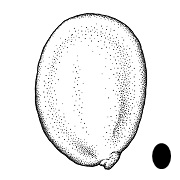
Reddish-brown
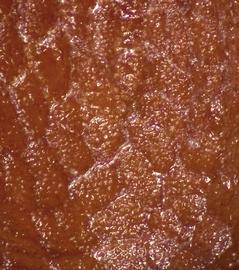
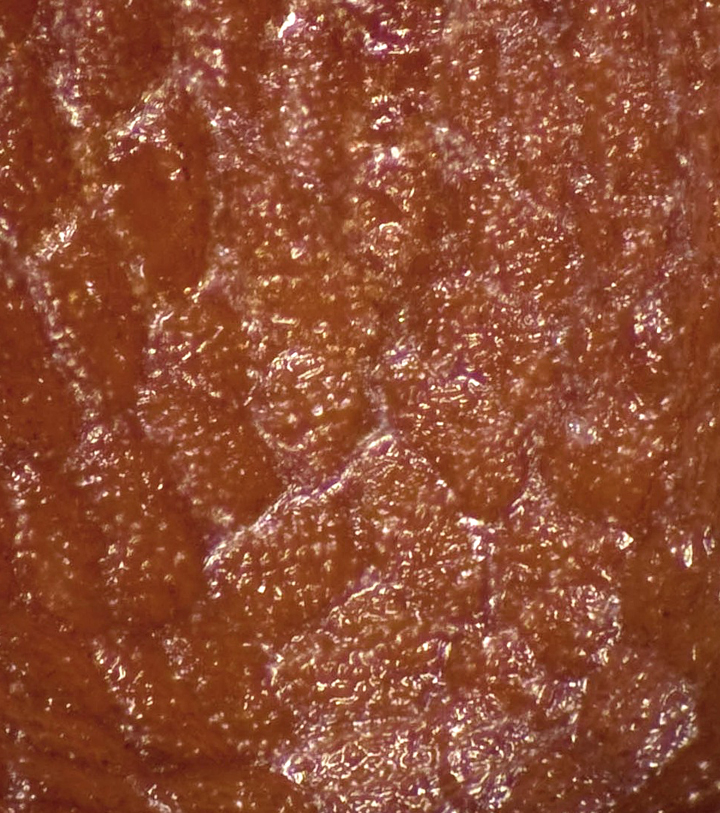
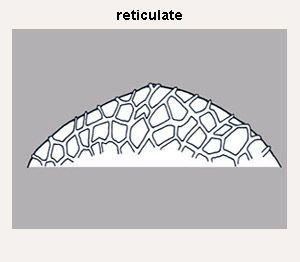
ReticulatedReticulated:
Resembling a net or network, especially having veins, fibers, or lines crossing the surface.
The groove separates the radicleRadicle:
The rudimentary root of the embryo, developing into the primary root after emergence from the seed coat.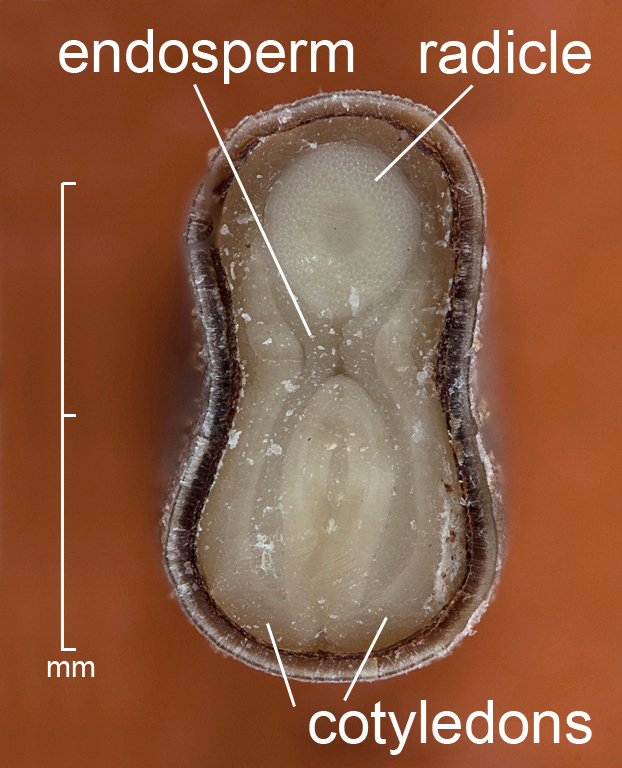 and cotyledonsCotyledon:
The modified storage leaf or pair of leaves of an embryo and seedling (see primary leaf).
.
Surface groove terminates at the hilumHilum:
The scar on the seed coat at the place of its detachment from the seed stalk (funiculus).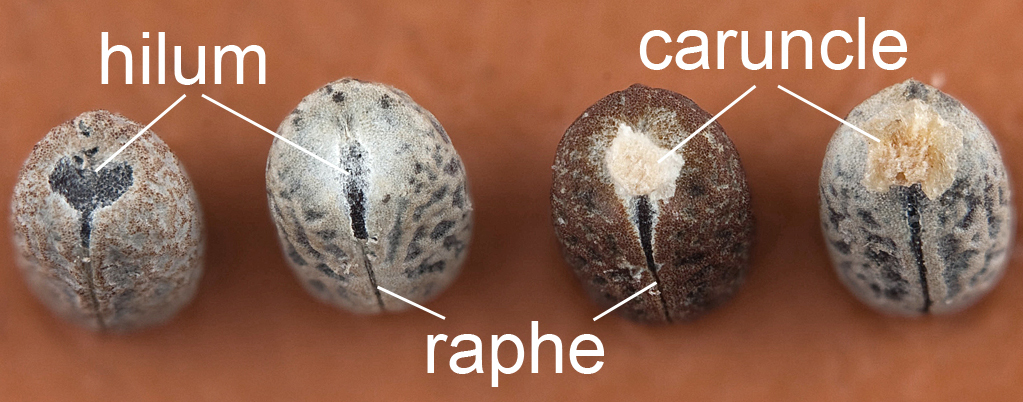 .
.
Not listed
Not included
Brassicaceae
Hirschfeldia incana (L.) Lagr.-Foss.
Brassica geniculata (Desf.) J. Ball
Brassica incana Ten.
Sinapis incana L.