Weed
Indian jointvetch
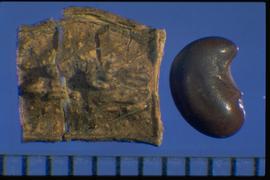
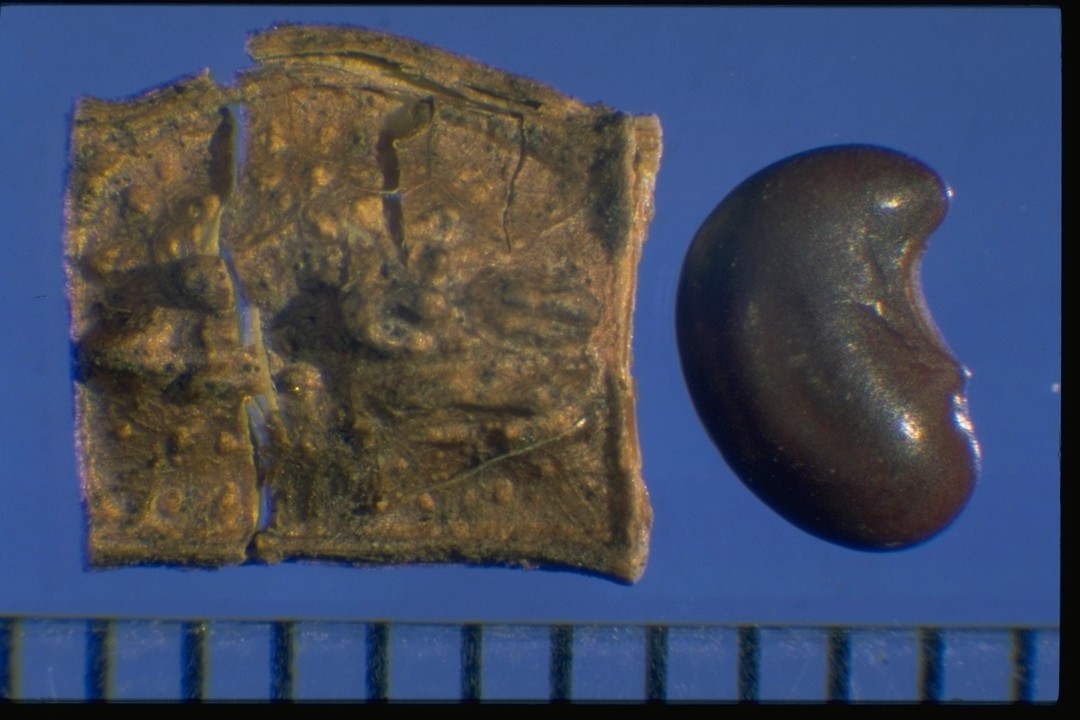
True seedTrue seed:
A mature fertilized ovule consisting of an embryo, with or without and external food reserve (e.g., endosperm) enclosed by the testa.
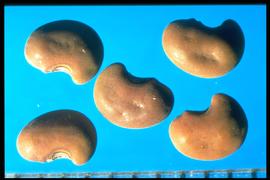
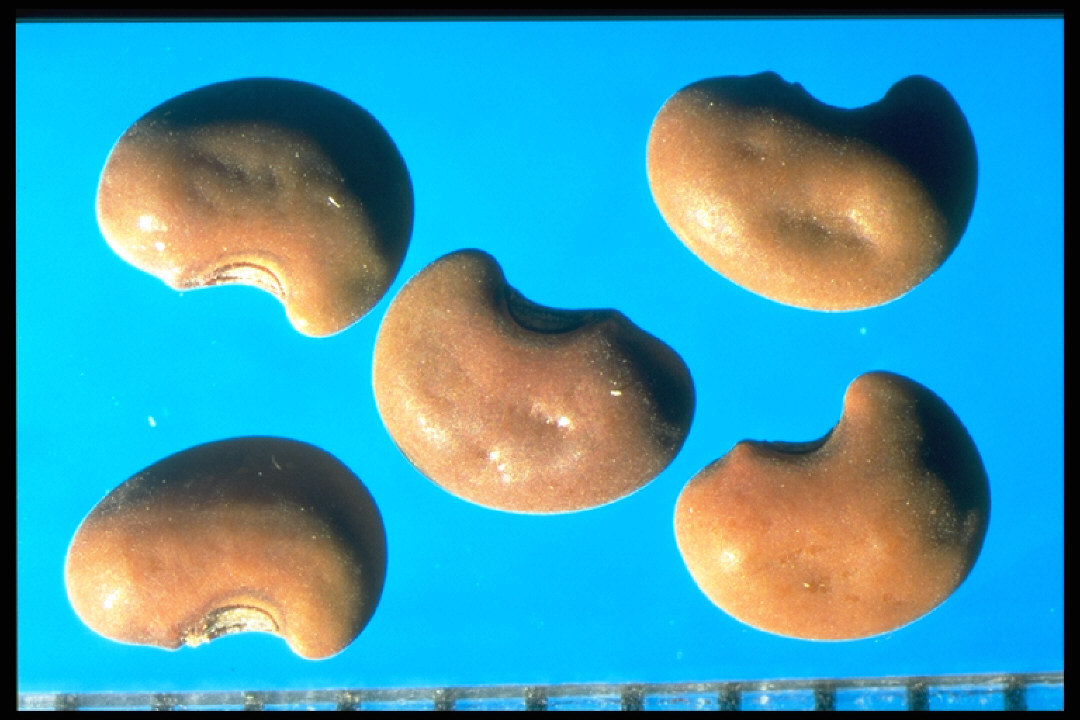
Reniform (kidney shaped)
Brown or black
Hard and smooth
RadicleRadicle:
The rudimentary root of the embryo, developing into the primary root after emergence from the seed coat.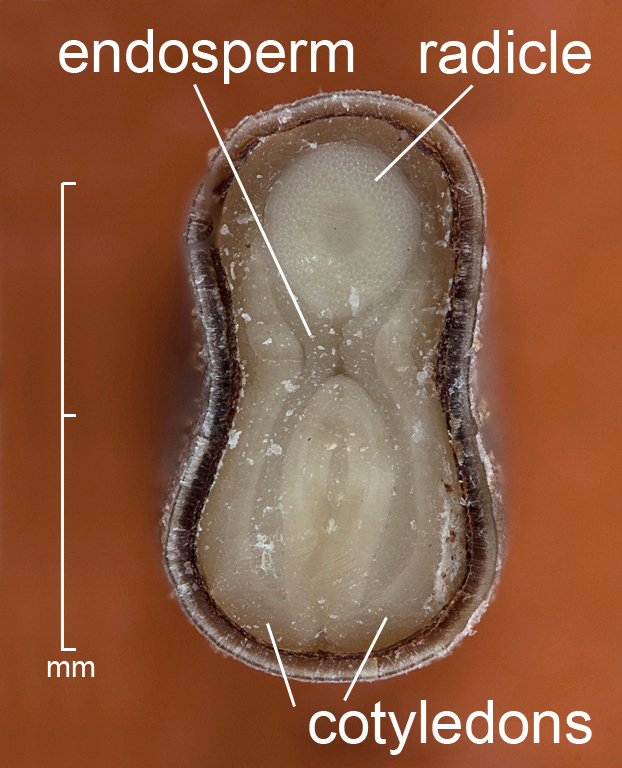 lobe short and divergent with no noticeable "furrow" line.
Occasionally the seed is enclosed in a segment of the fruitFruit:
A mature ovary and any associated parts.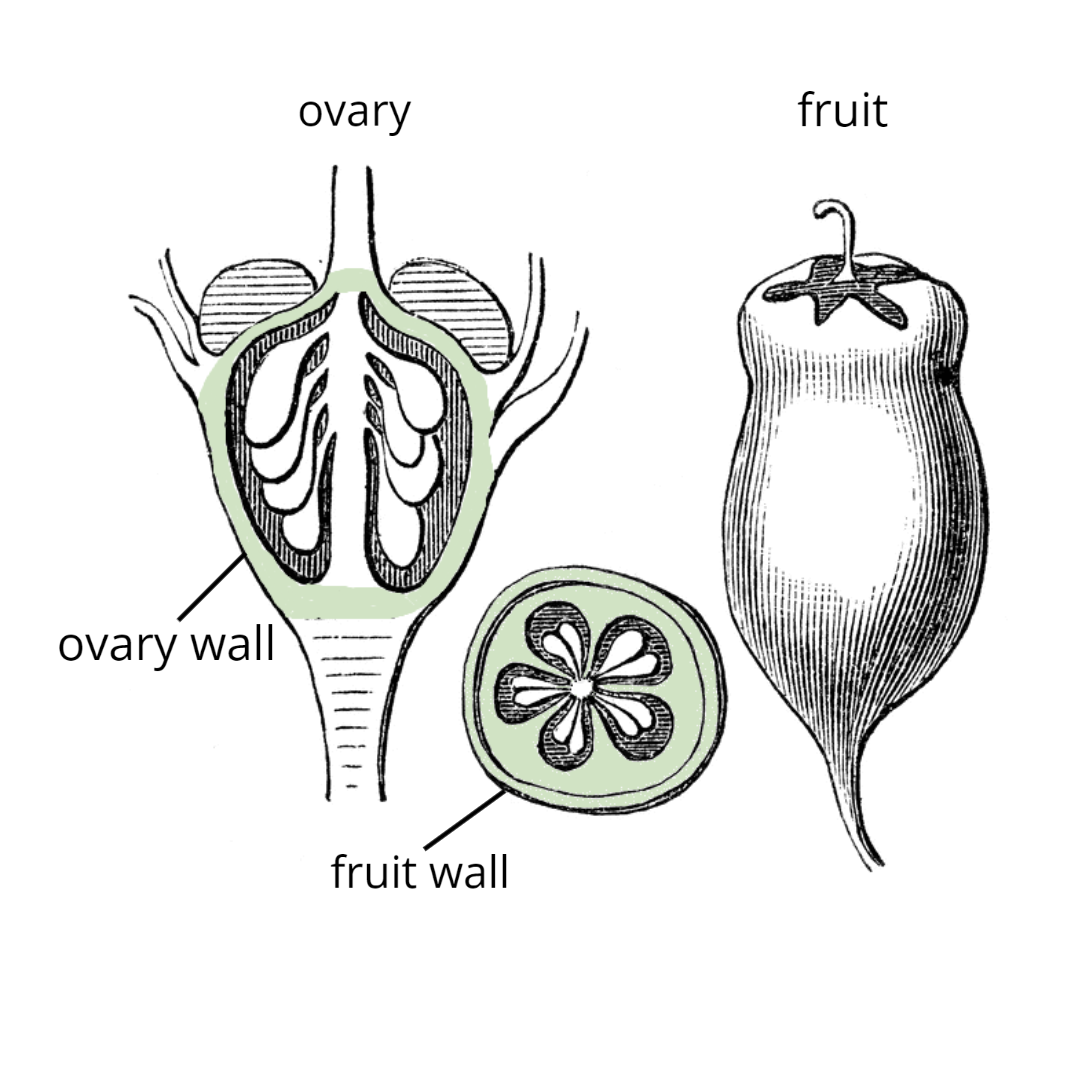 .
.
The hilumHilum:
The scar on the seed coat at the place of its detachment from the seed stalk (funiculus).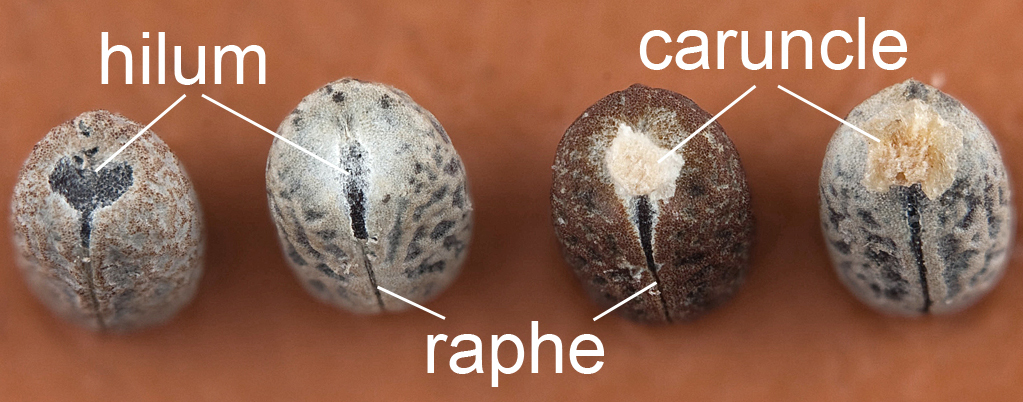 is very noticeable and situated within the marginal notch of the seed. The strophiolar lens is often projected from the surface of the cotyledonary lobe adjacent to the hilumHilum:
The scar on the seed coat at the place of its detachment from the seed stalk (funiculus)..
State Noxious Weed: Arkansas, California, Hawaii, Louisiana

Included
Fabaceae
Aeschynomene indica L.