Vegetable
gardencress pepperweed
True seedTrue seed:
A mature fertilized ovule consisting of an embryo, with or without and external food reserve (e.g., endosperm) enclosed by the testa.
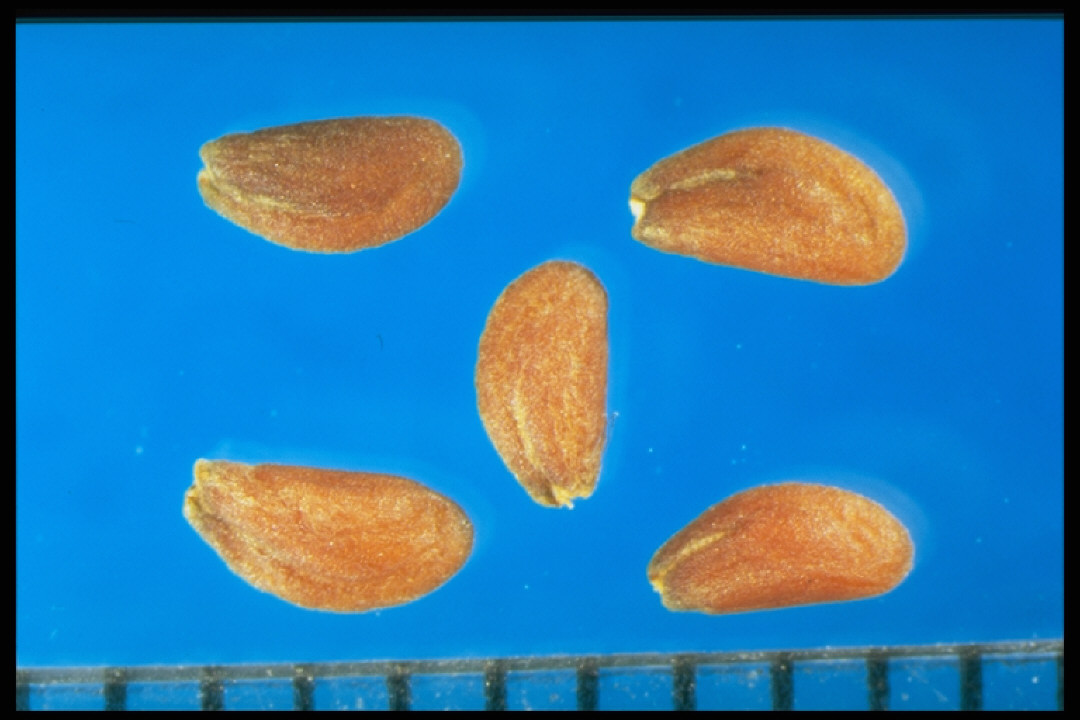
Compressed obovateObovate:
Inverted egg shaped with apical end the broadest.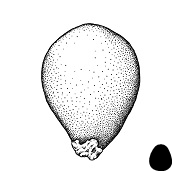
Brown
Dull and moderately smooth
Groove between lobes at the base
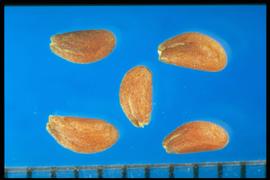
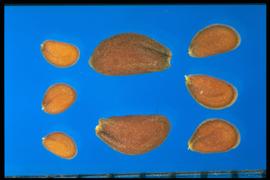
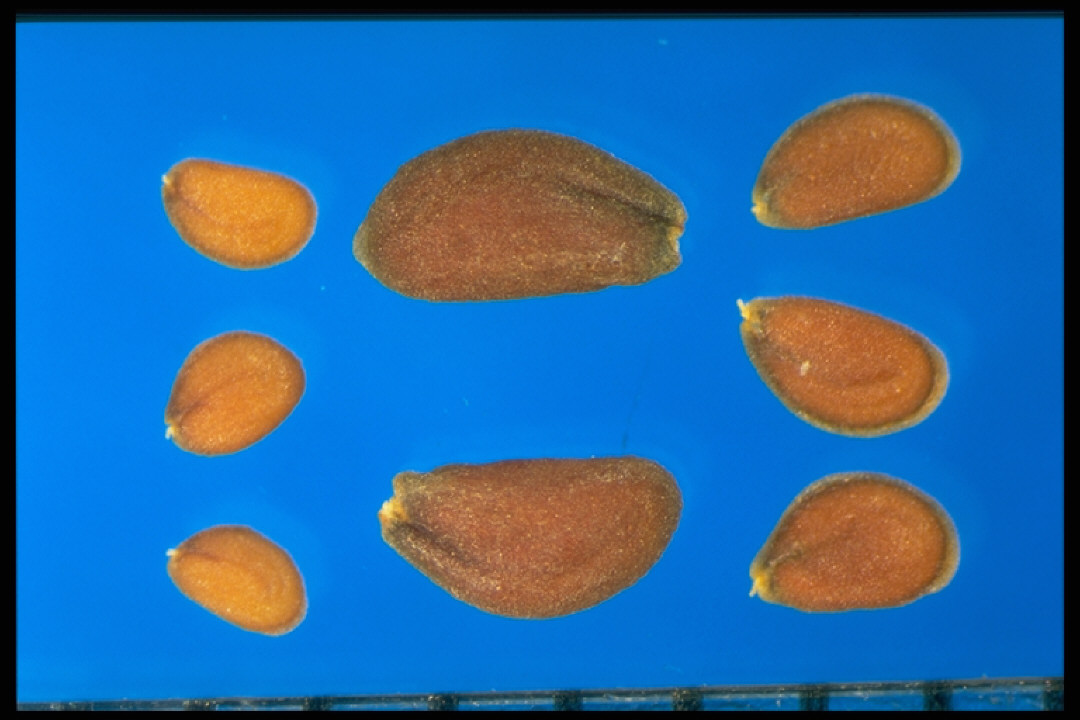
Seeds compressed obovateObovate:
Inverted egg shaped with apical end the broadest. with radicleRadicle:
The rudimentary root of the embryo, developing into the primary root after emergence from the seed coat.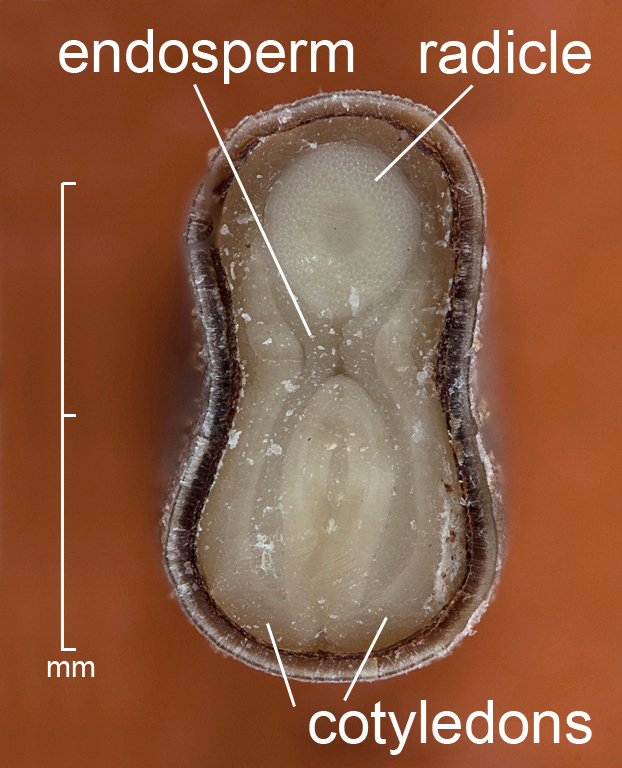 lobe margin curved and cotyledonCotyledon:
The modified storage leaf or pair of leaves of an embryo and seedling (see primary leaf).
lobe margin straight. Color brown and surface smooth yet dull. CotyledonCotyledon:
The modified storage leaf or pair of leaves of an embryo and seedling (see primary leaf).
lobe compressed at right angles to the seed.
State Noxious Weed: Arizona
Included
Brassicaceae
Lepidium sativum L.