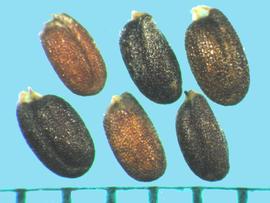
Weed
hare's ear mustard
True seedTrue seed:
A mature fertilized ovule consisting of an embryo, with or without and external food reserve (e.g., endosperm) enclosed by the testa.
OvalOval:
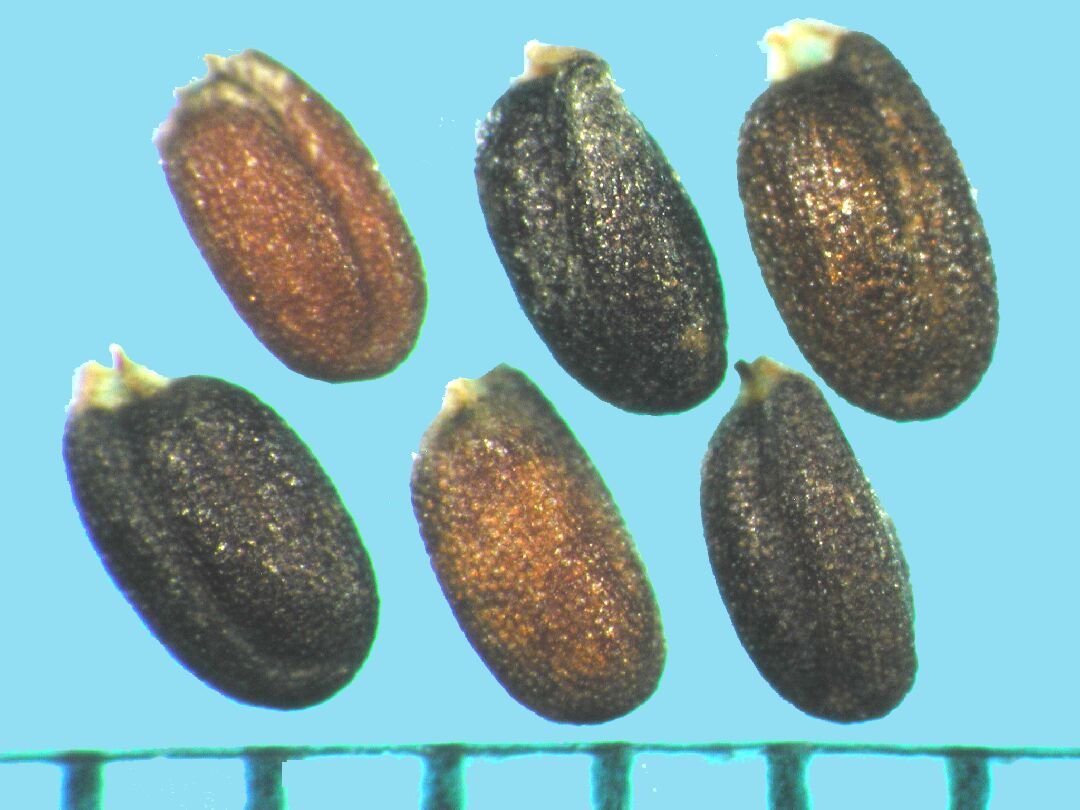
Broadly elliptic.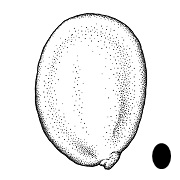
Brown to black
Fine, square reticulations
HilumHilum:
The scar on the seed coat at the place of its detachment from the seed stalk (funiculus).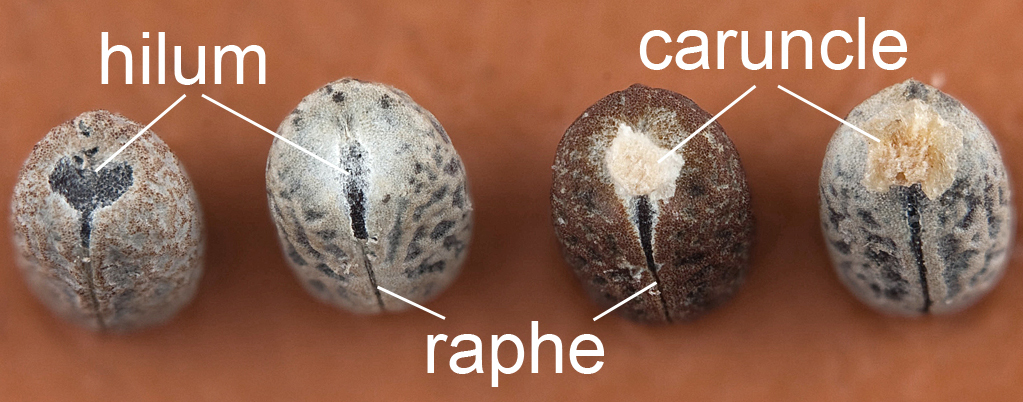 is white on the apicalApical:
The distal end of the fruit or seed away from the point of attachment or attachment scar.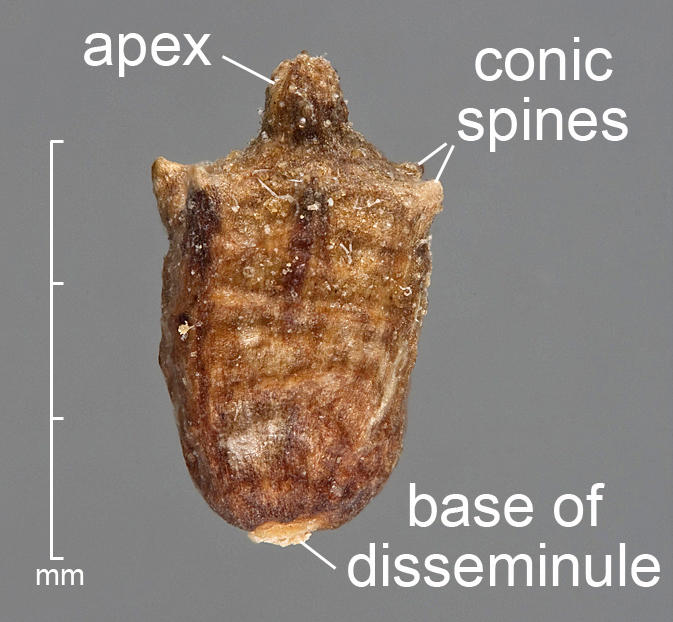 end.
end.
Strong longitudinal groove separating the cotyledonCotyledon:
The modified storage leaf or pair of leaves of an embryo and seedling (see primary leaf).
and radicleRadicle:
The rudimentary root of the embryo, developing into the primary root after emergence from the seed coat.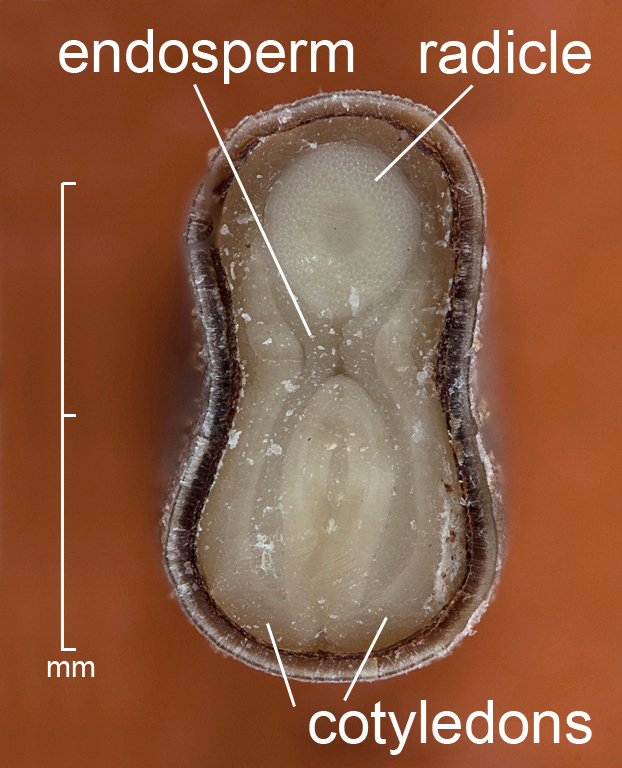 lobes.
Not listed
Not included
For more information, see ISMA fact sheet.
Brassicaceae
Conringia orientalis (L.) Dumort.
Brassica orientalis L.