Weed
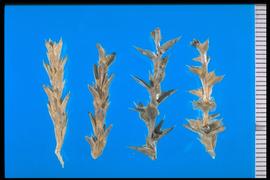
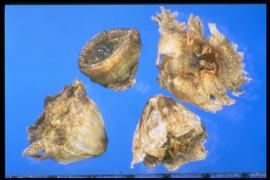
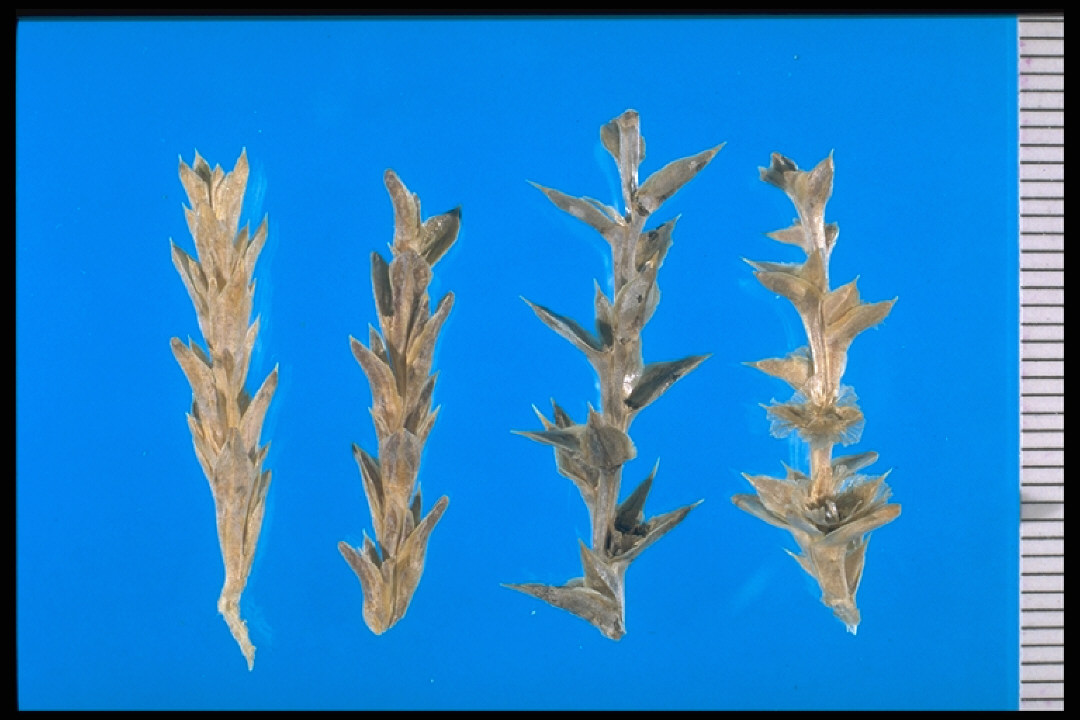
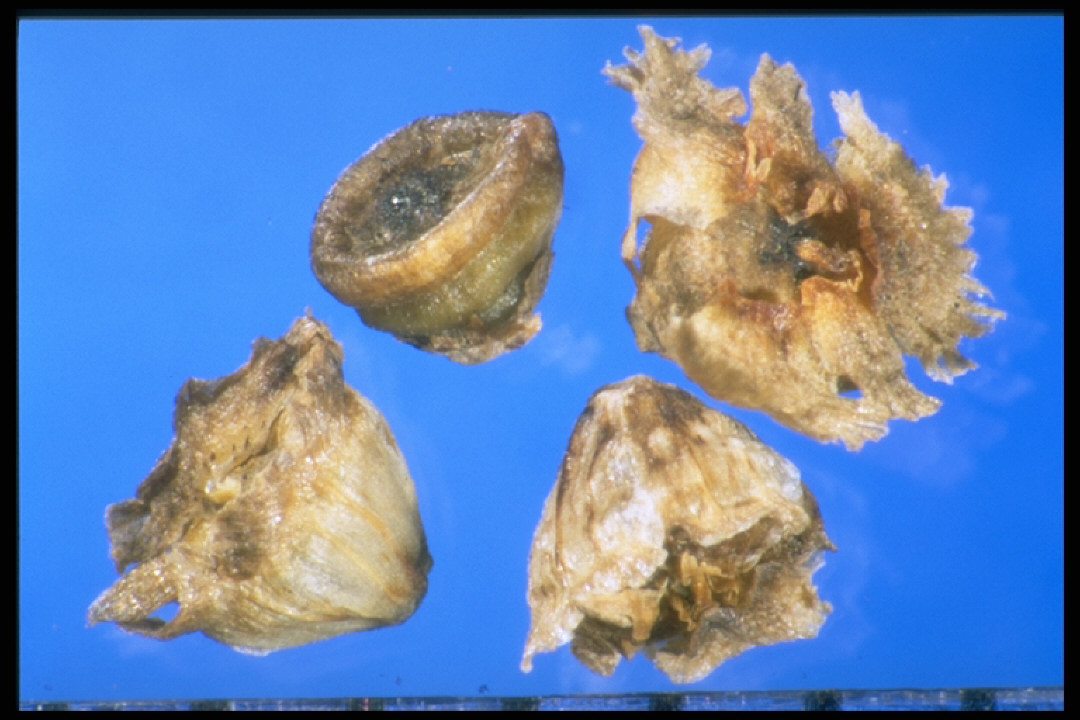
prickly Russian thistle, tumbleweed
True seedTrue seed:
A mature fertilized ovule consisting of an embryo, with or without and external food reserve (e.g., endosperm) enclosed by the testa.
Conical
Yellowish-brown seed and fruitFruit:
A mature ovary and any associated parts.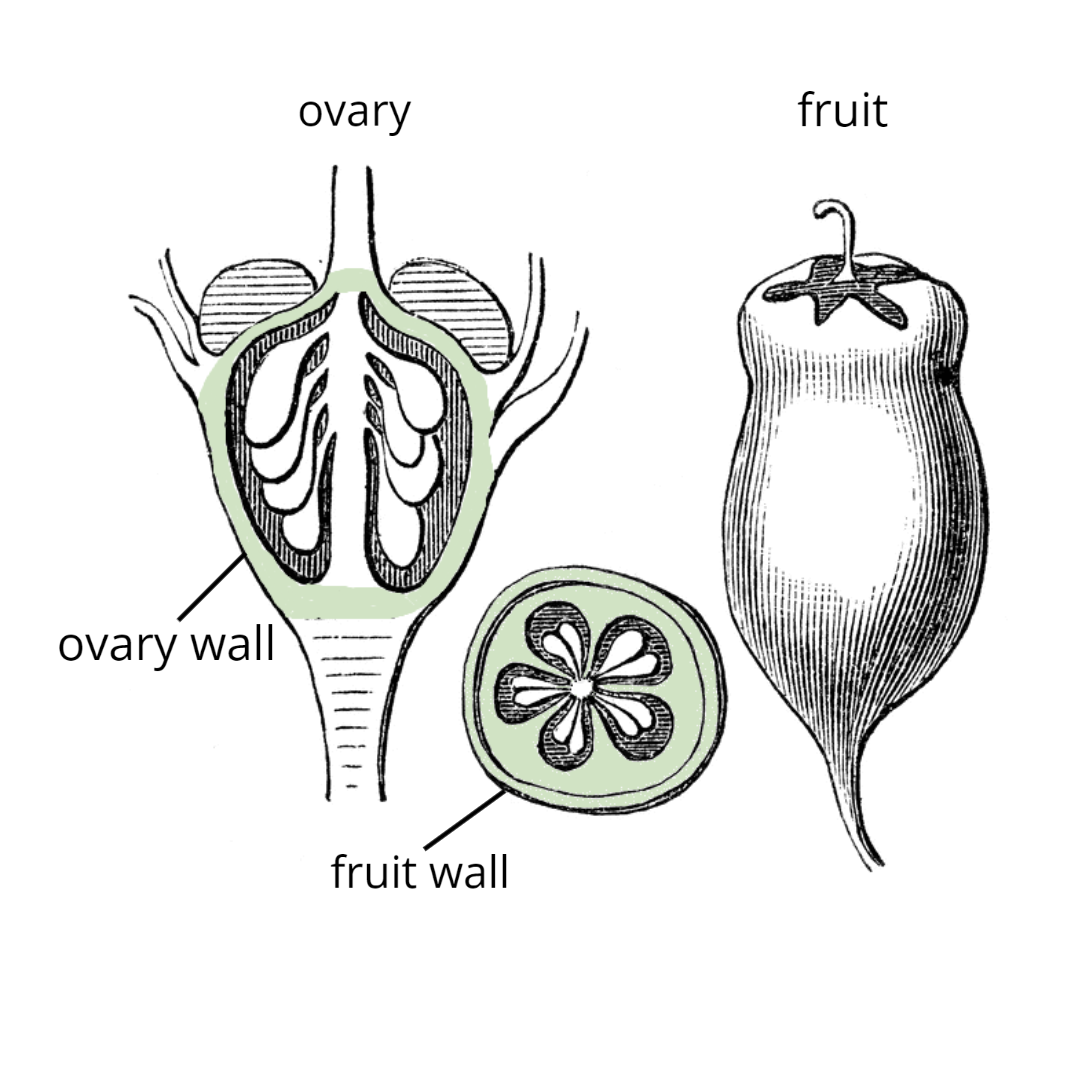 ; sepals grayish-brown.
Seeds are semi-glossy; sepals are dull and membranous.
EmbryoEmbryo:
A rudimentary plant contained in a seed, usually consisting of a more or less differentiated axis and attached cotyledon(s).
coil visible; sepals are short.
Unit can be a seed, fruitFruit:
A mature ovary and any associated parts. or flower. Seed is a symmetrical cone made of several coils of a linear embryoEmbryo:
A rudimentary plant contained in a seed, usually consisting of a more or less differentiated axis and attached cotyledon(s).
.
State Noxious Weed: California, Arizona
Included
Amaranthaceae
Salsola tragus L.
Salsola australis R. Br.
Salsola iberica (Sennen & Pau) Botsch. ex Czerep.
Salsola kali L. ssp. ruthenica (Iljin) Soó
Salsola kali L. ssp. tragus (L.) Celak.
Salsola kali L. ssp. tenuifolia Moq. S
Salsola pestifer A. Nelson
Salsola ruthenica Iljin