Agricultural, Vegetable
garden pea
True seedTrue seed:
A mature fertilized ovule consisting of an embryo, with or without and external food reserve (e.g., endosperm) enclosed by the testa.
Spherical-globose to round
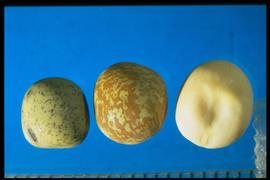
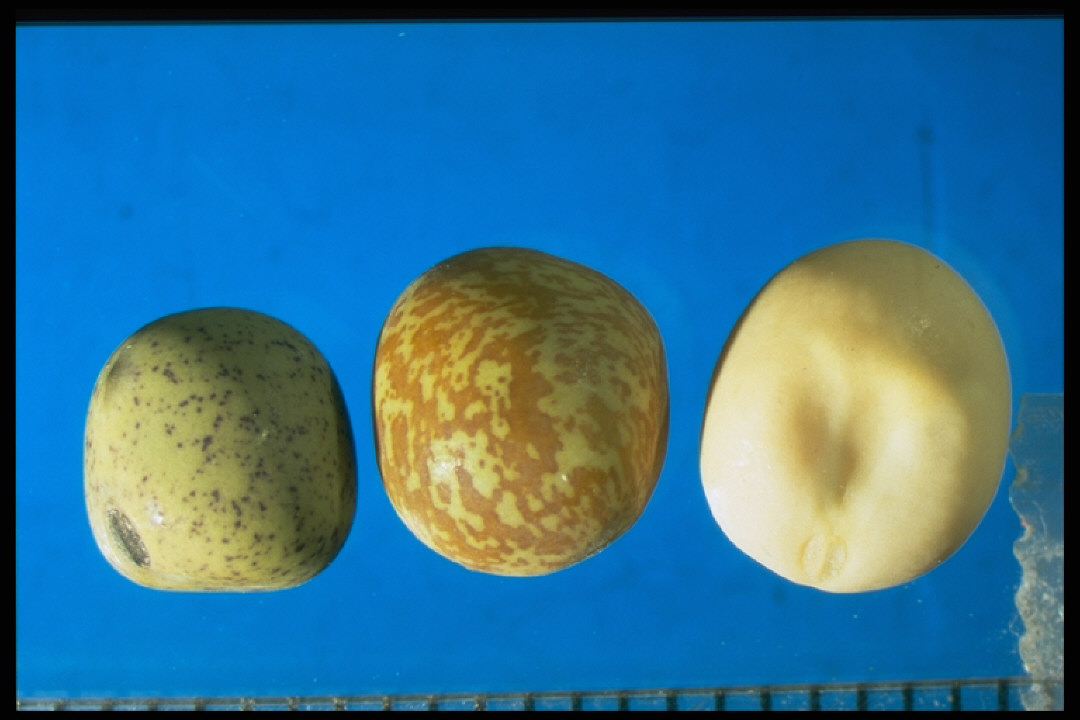
White to green for garden types, various mottled and flecked for field types
Smooth
OvalOval:
Broadly elliptic.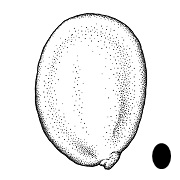 hilum
hilum
Garden peas are usually white to green in color. Field peas can be green with purple spots or yellow with brown flecking. Seed coatSeed coat:
The protective covering of a seed usually composed of the inner and outer integuments. Also called the testa.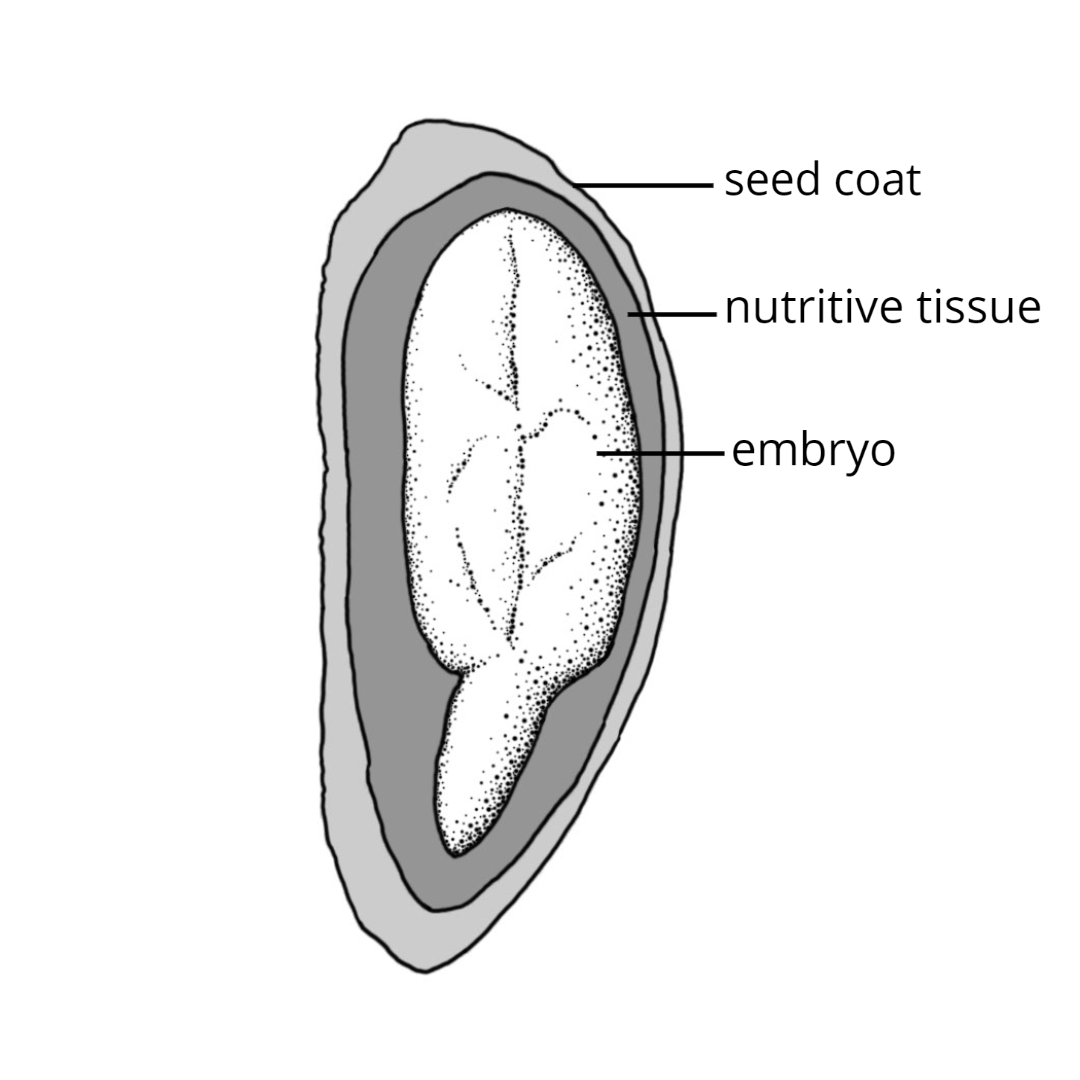 smooth to wrinkled.
Not listed
Included
For more information, see ISMA fact sheet.
Fabaceae
Pisum sativum L.
Pisum arvense L.
Pisum humile Boiss. & Noe
Pisum sativum L. ssp. arvense (L.) Poir.
Pisum sativum L. var. arvense (L.) Poir.
Pisum sativum L. var. humile Poir.
Pisum sativum L. var. macrocarpon Ser.