Weed
lambsquarters
True seedTrue seed:
A mature fertilized ovule consisting of an embryo, with or without and external food reserve (e.g., endosperm) enclosed by the testa.
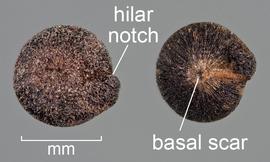
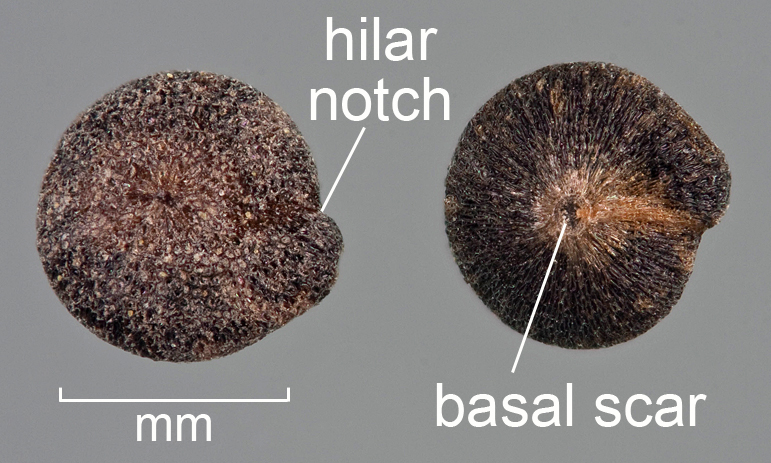
LenticularLenticular:
Lens-shaped, circular in outline with convex sides.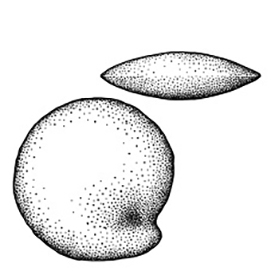
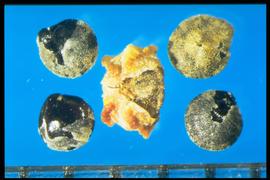
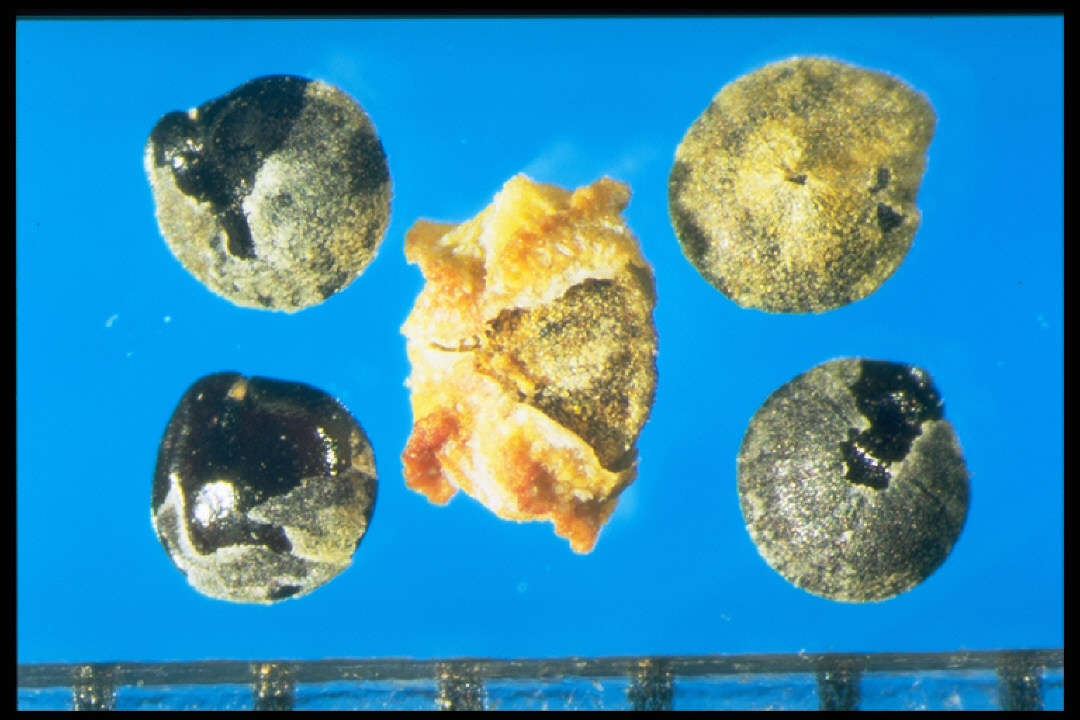
Black
Seed smooth, shiny; pericarpPericarp:
Fruit wall; derived from the ovary wall.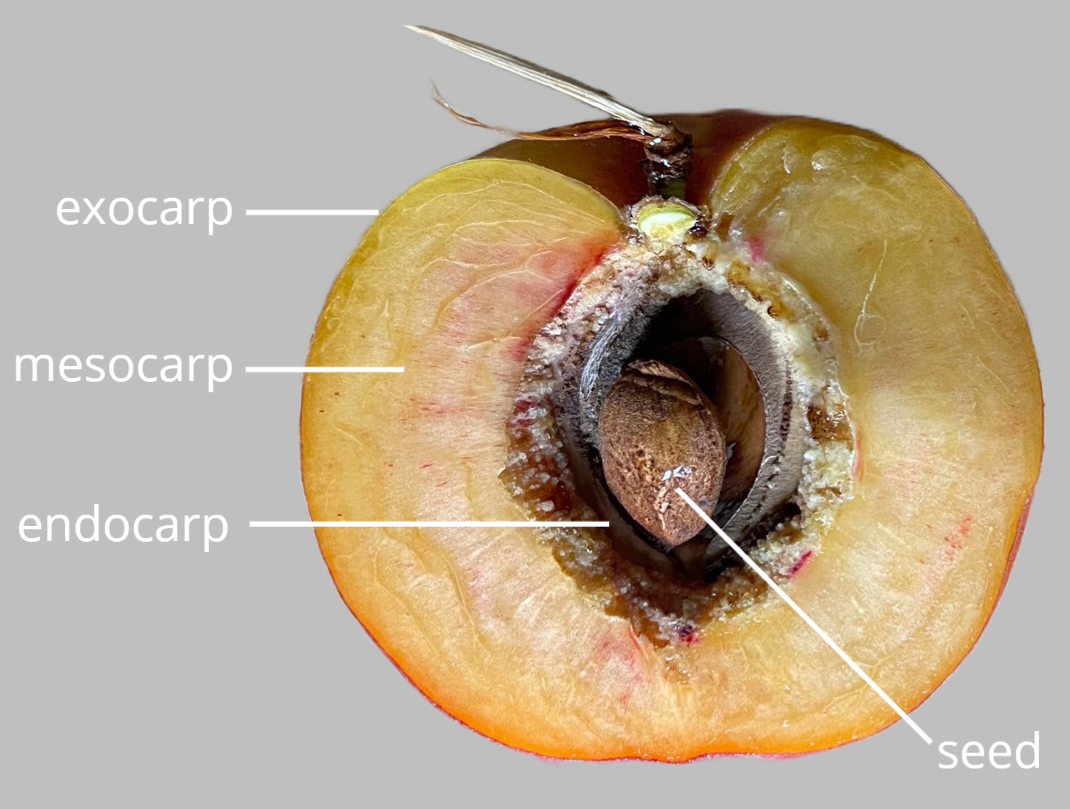 reticulate; sepals scurfyScurf:
Having flakes on the surface.
.
Yellow pericarpPericarp:
Fruit wall; derived from the ovary wall. and sepals are often present.
Often the pericarpPericarp:
Fruit wall; derived from the ovary wall. (fruitFruit:
A mature ovary and any associated parts.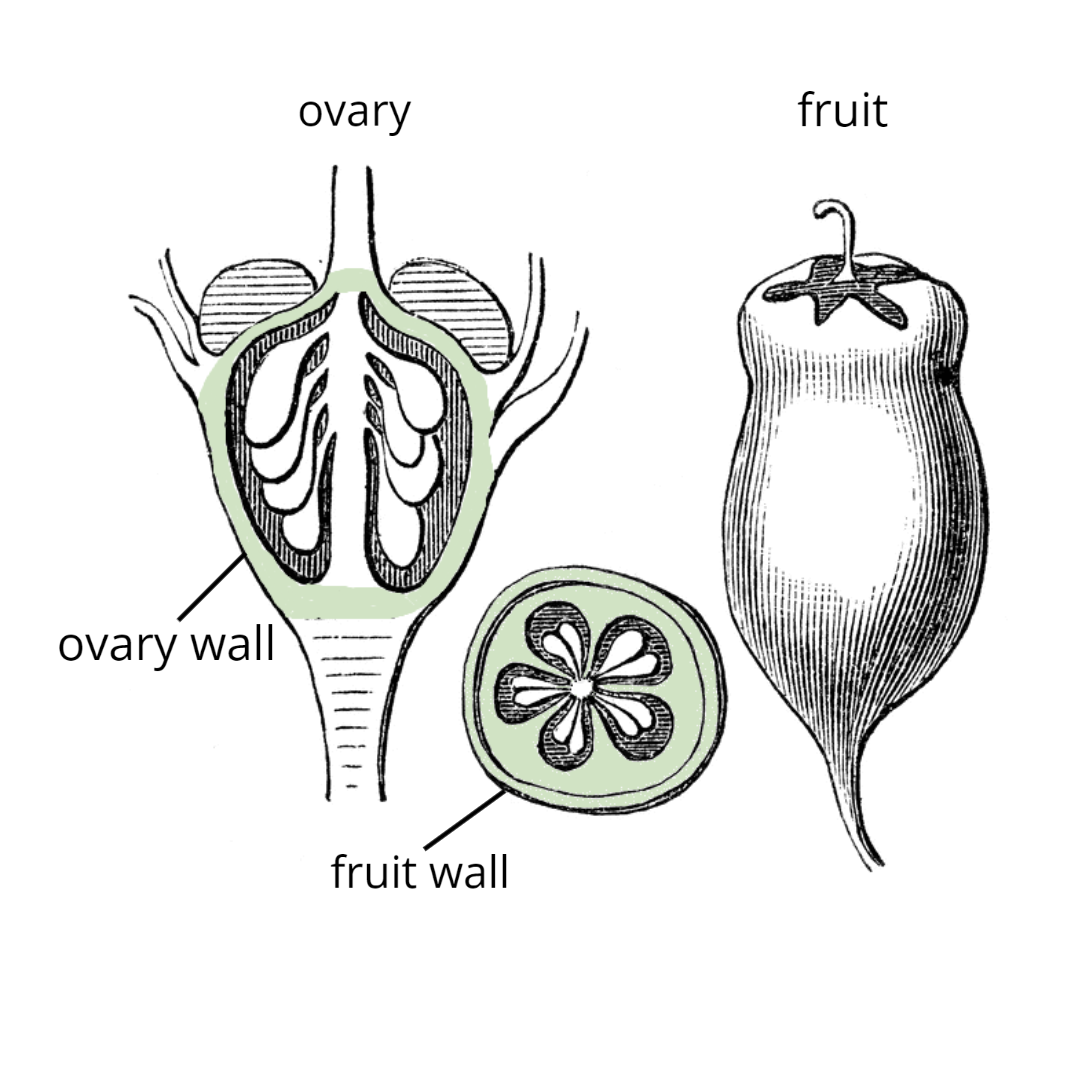 coat) remains on the seed unitSeed unit:
The structure usually regarded as a seed in planting practices and in commercial channels, consisting of a true seed with or without accessory structures, as defined in Section 2.6 of the AOSA Rules. See also true seed.
; if it is present, the unit may be referred to as a nutletNutlet:
A small, dry, indehiscent carpel of a fruit, usually composed of one quarter of the fruit with each enclosing a single seed (e.g. mints).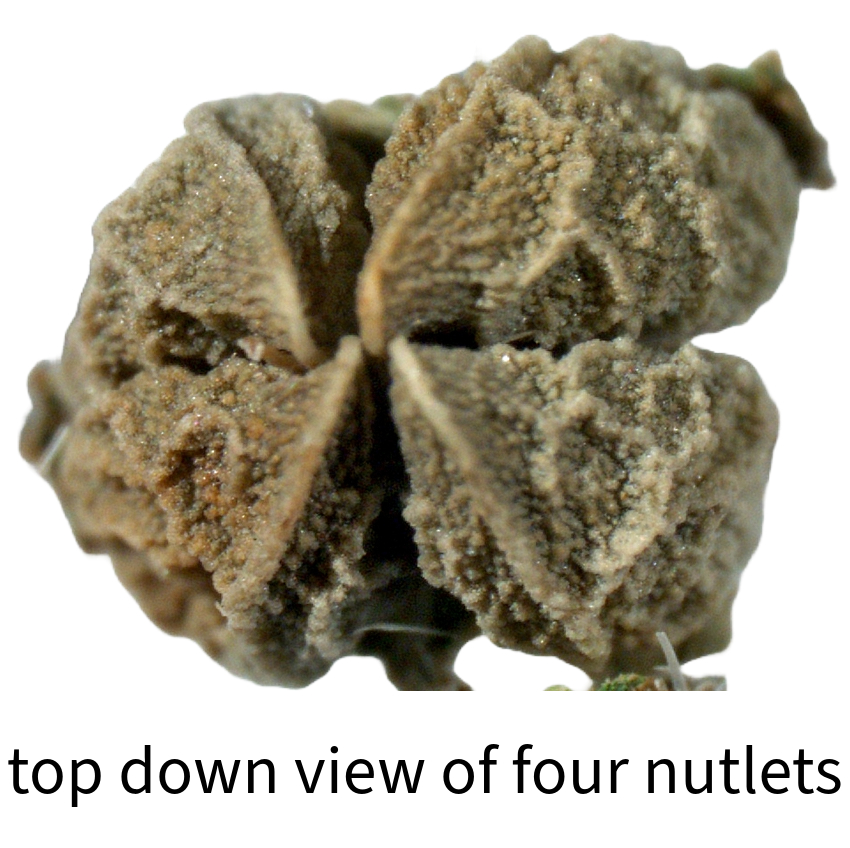 . The seed contains a linear embryoEmbryo:
A rudimentary plant contained in a seed, usually consisting of a more or less differentiated axis and attached cotyledon(s).
, sometimes seen coiled at the seed periphery.
Not listed
Included
For more information, see ISMA fact sheet, Chenopodium spp.
Chenopodiaceae
Chenopodium album L.