Revegetation or Rangeland, Shrub or Tree
leadplant
True seedTrue seed:
A mature fertilized ovule consisting of an embryo, with or without and external food reserve (e.g., endosperm) enclosed by the testa.
OvateOvate:
Egg-shaped with basal end the broadest.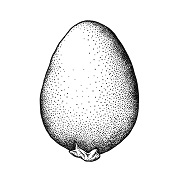 , with a divergent radicleRadicle:
The rudimentary root of the embryo, developing into the primary root after emergence from the seed coat.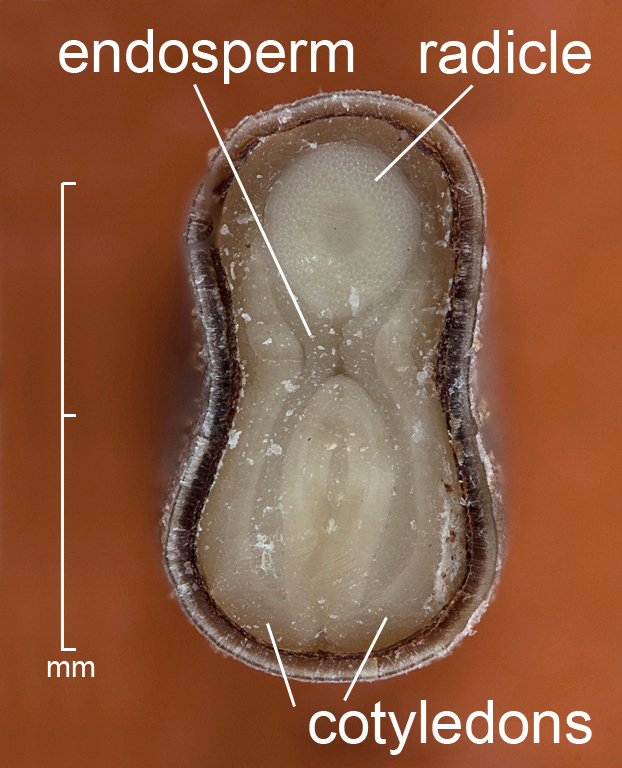
Brown to green
Smooth
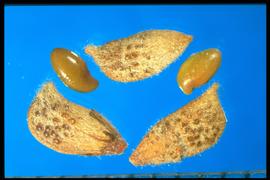
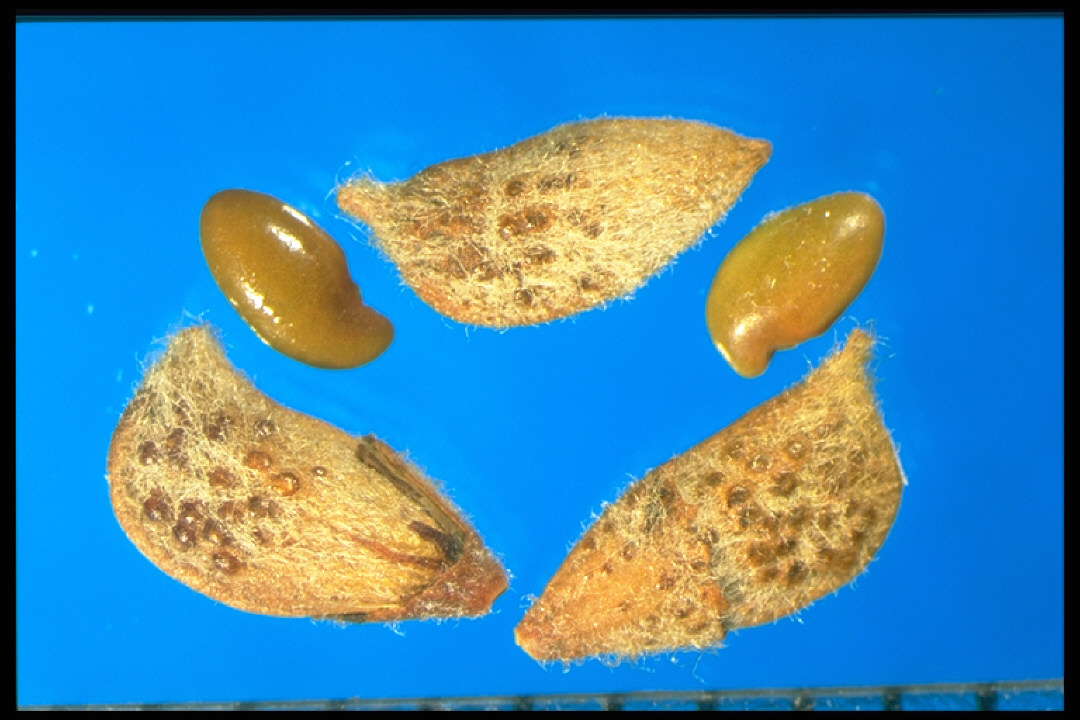
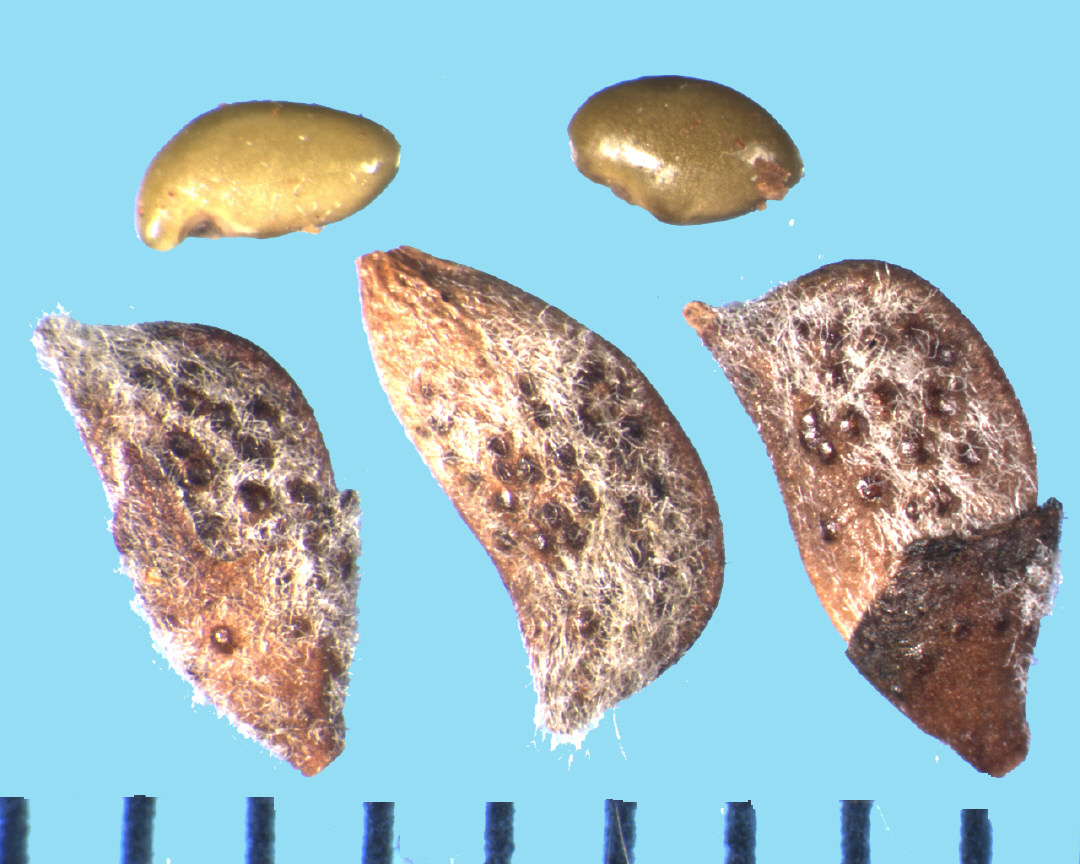
Seeds borne singly in a glandular podPod:
A dehiscent fruit produced by leguminous plants (beans, peas). Also known as a legume.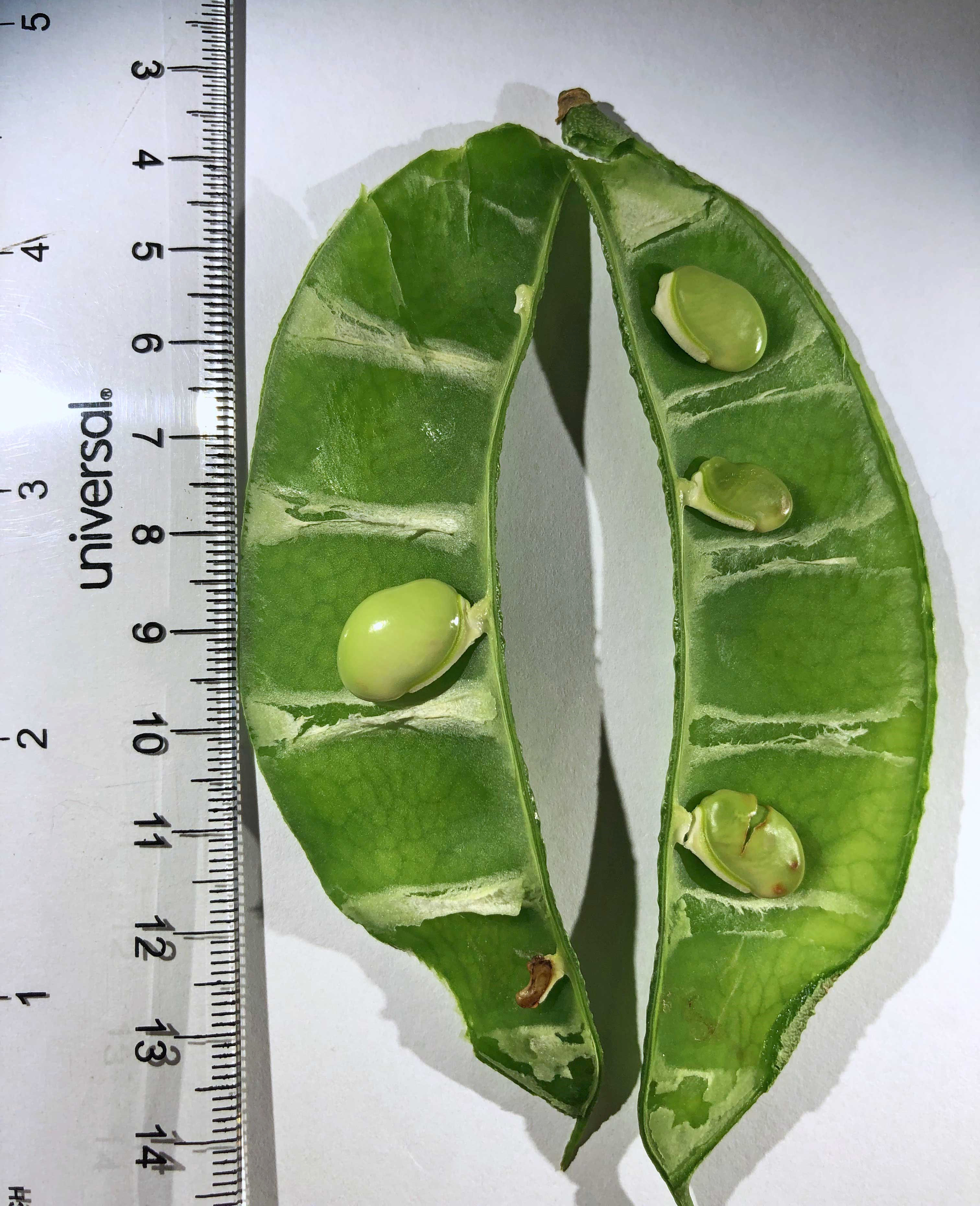 .
.
Seeds have an olive color. The hilumHilum:
The scar on the seed coat at the place of its detachment from the seed stalk (funiculus).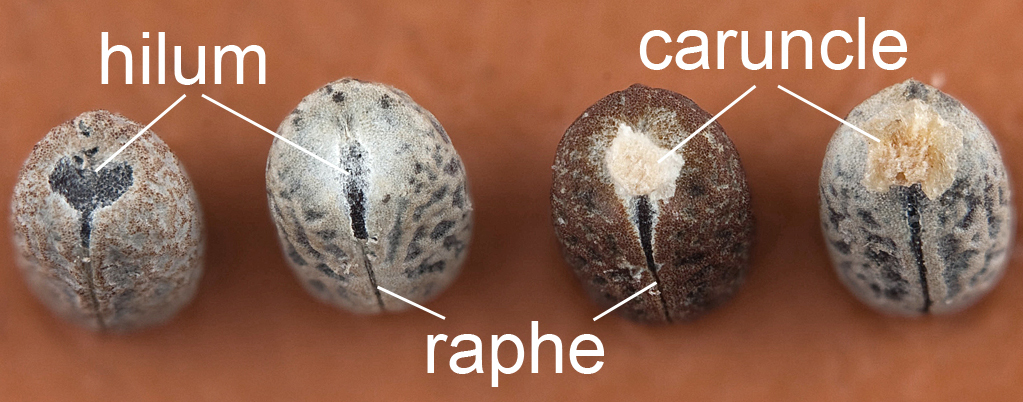 is lateral near the base with the radicleRadicle:
The rudimentary root of the embryo, developing into the primary root after emergence from the seed coat., short, and strongly out-turned. The shape may be ellipticalElliptic:
Outline of an ellipse; greatest width midway sloping to an equally pointed apex and base.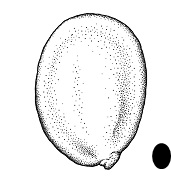 with a noticeable marginal notch.
Not listed
Not included
Fabaceae
Amorpha canescens Pursh
Amorpha brachycarpa Palmer