March 2026: Jamesia Jekel, 1861Jekel, 1861:
Jekel H. 1861. Observations suggérées par les notes de M. Chevrolat sur les cérambycides de M. Thomson. Journal of Entomology. 1:255–262. is no longer a valid genus; it was synonymized with Hypselomus Perty, 1832Perty, 1832:
Perty JAM. 1832. De insectorum in America meridionali habitantiam vitae genere, moribus ac distributione geographica observationes nonnullae. Delectus animalium articulatorum quae in itinere per Brasilian annis MDCCCXVII–MDCCCXX jussu at auspiciis Maximiliani Josephi I, Bavariae regis augustissime peracto collegerunt Dr. J. B. de Spix et Dr. C. F. Ph. de Martius. Monachii: 61–124. by Souza et al. (2024)Souza et al. (2024):
Souza DS, French RLK, Silva Jr. JO, Nearns EH, Marinoni L, Swift IP, Miller KB, Sperling FAH, Monné M. 2024. Cutting the sap: First molecular phylogeny of twig-girdler longhorn beetles (Coleoptera: Cerambycidae: Lamiinae: Onciderini) suggests shifts in host plant attack behaviours contributed to morphological evolution. Systematic Entomology. 502:369–389..
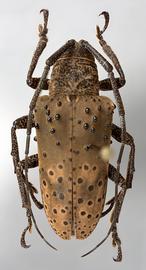
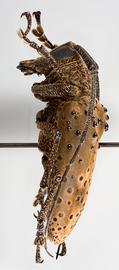
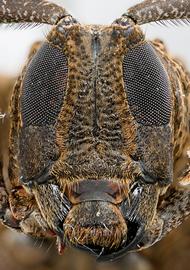
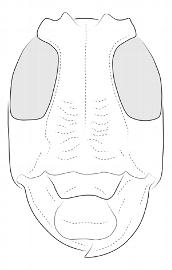
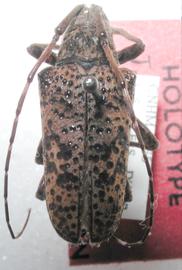
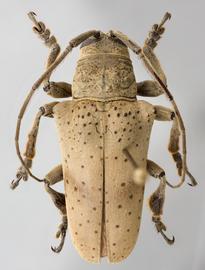
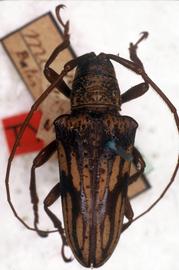
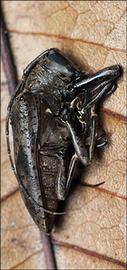
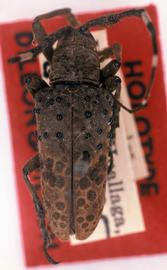
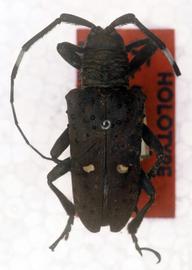
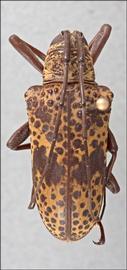
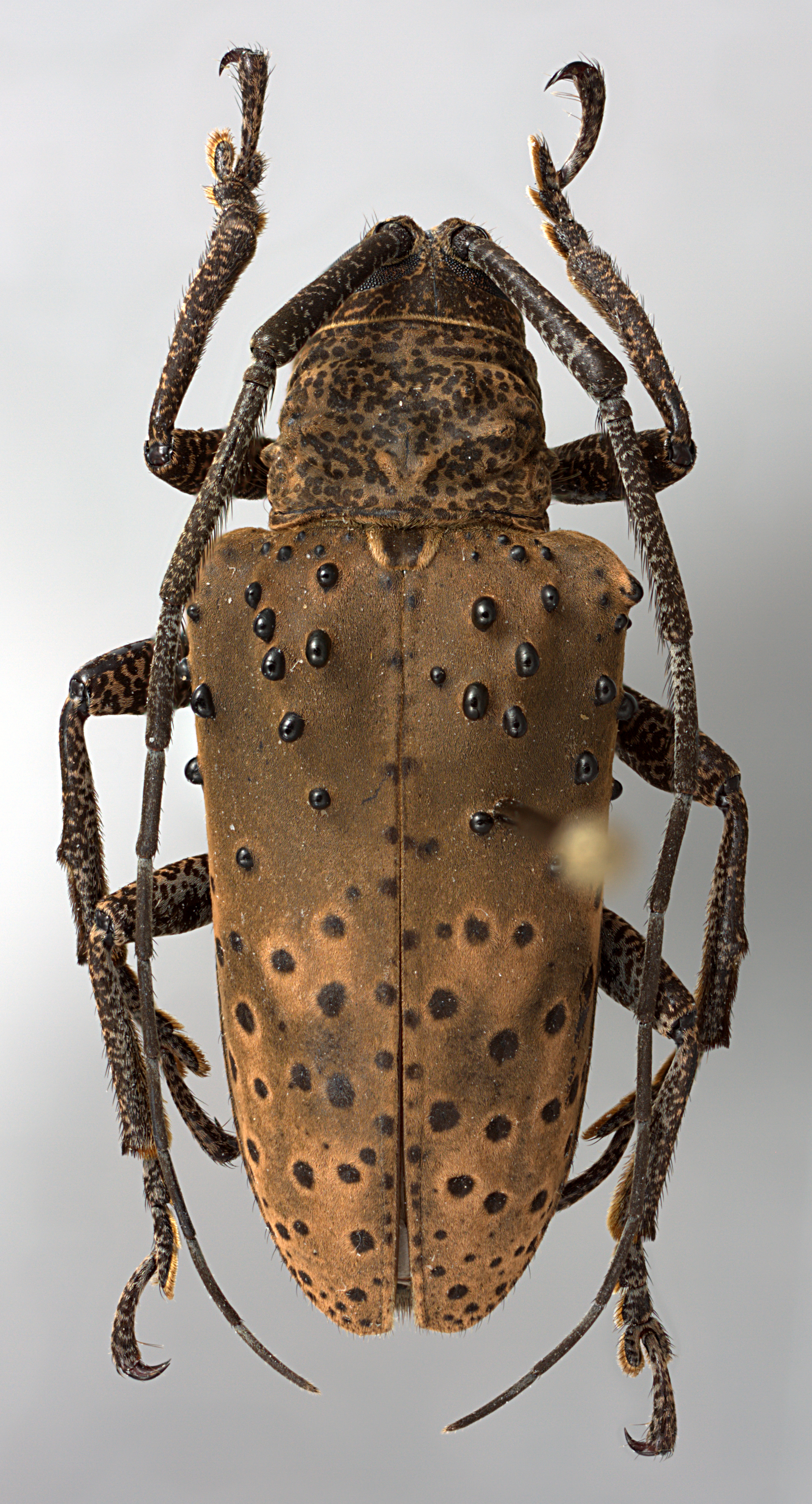
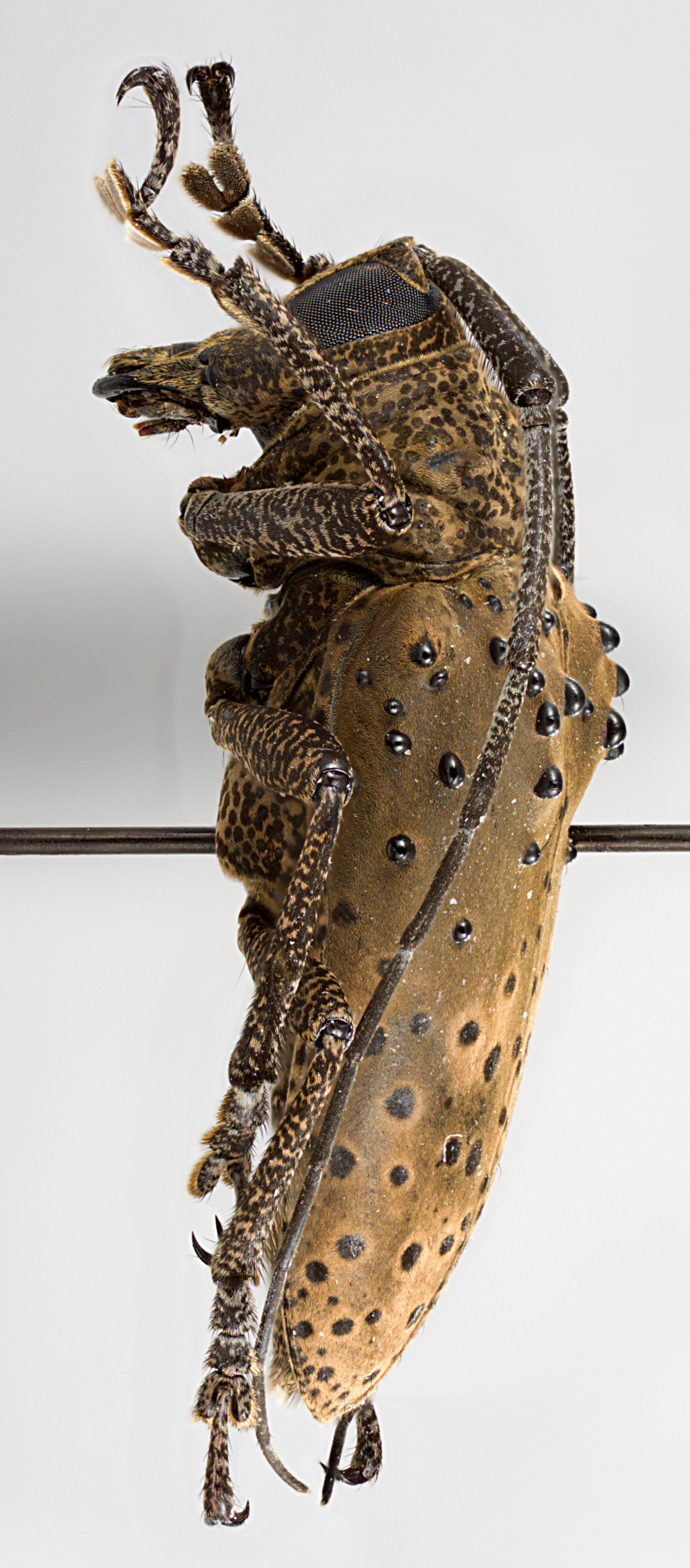
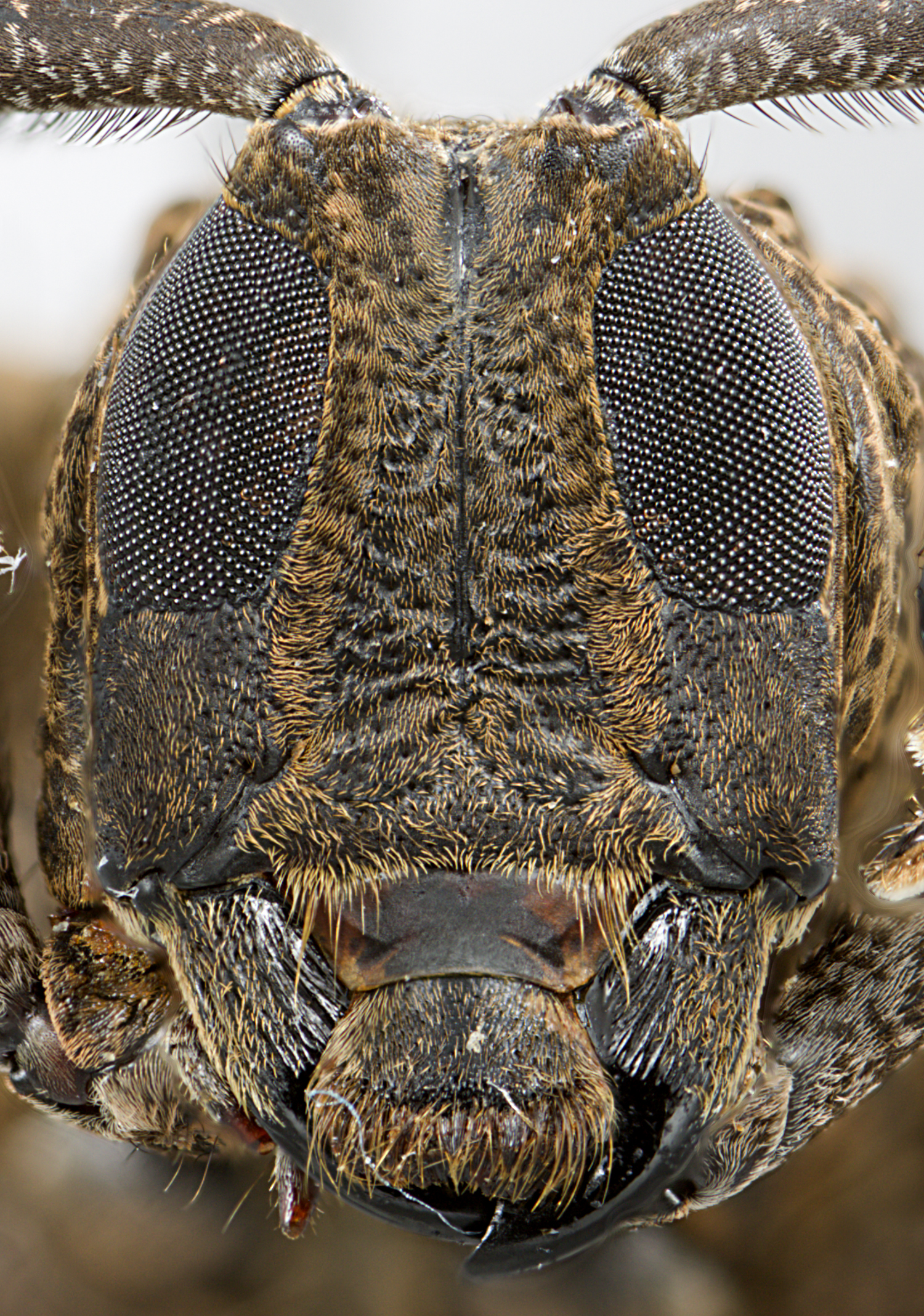
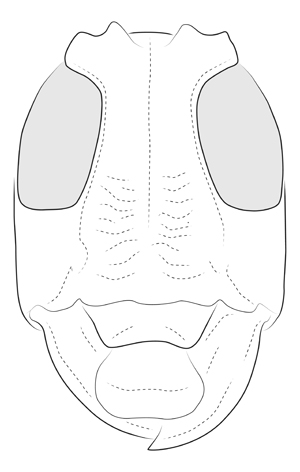
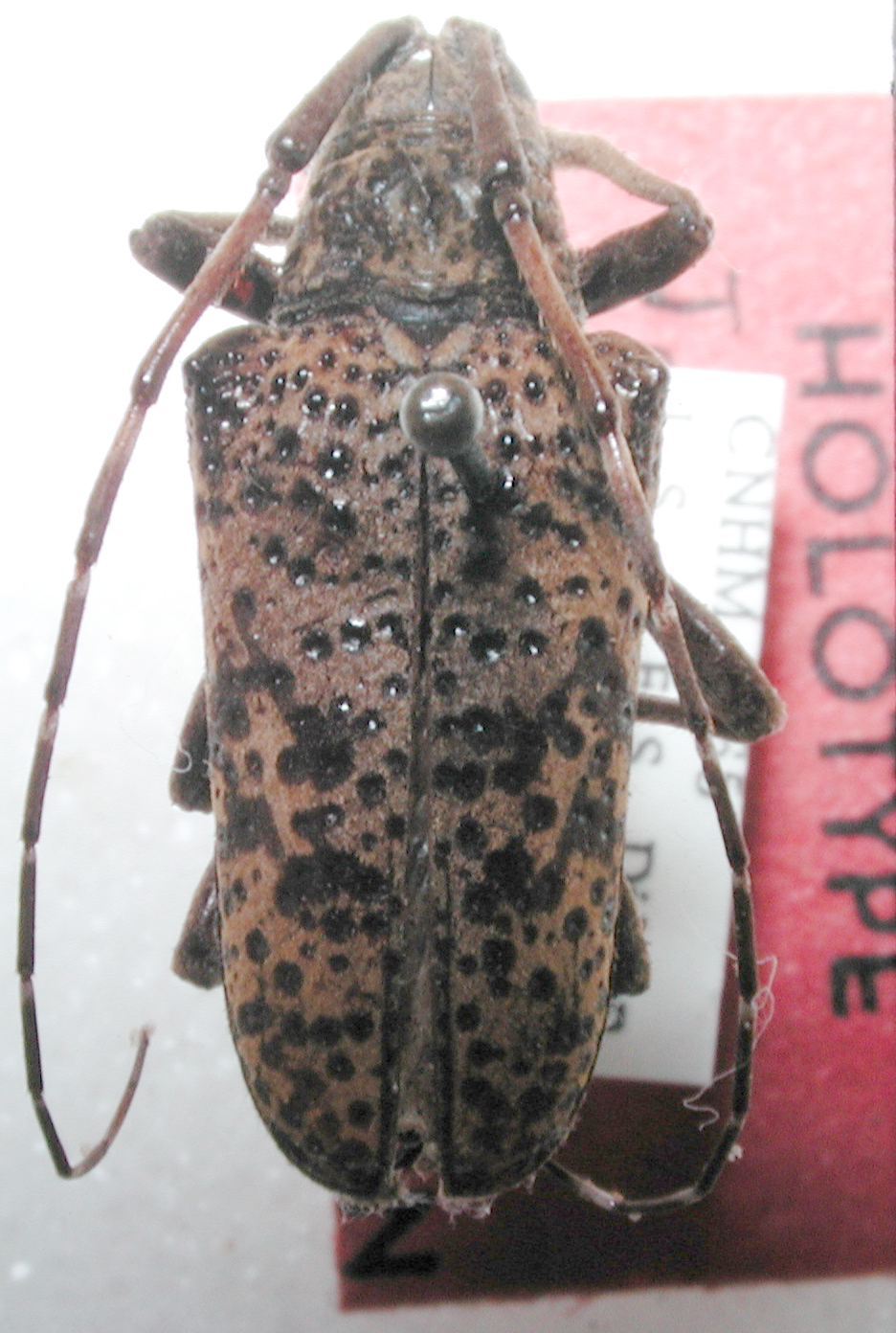
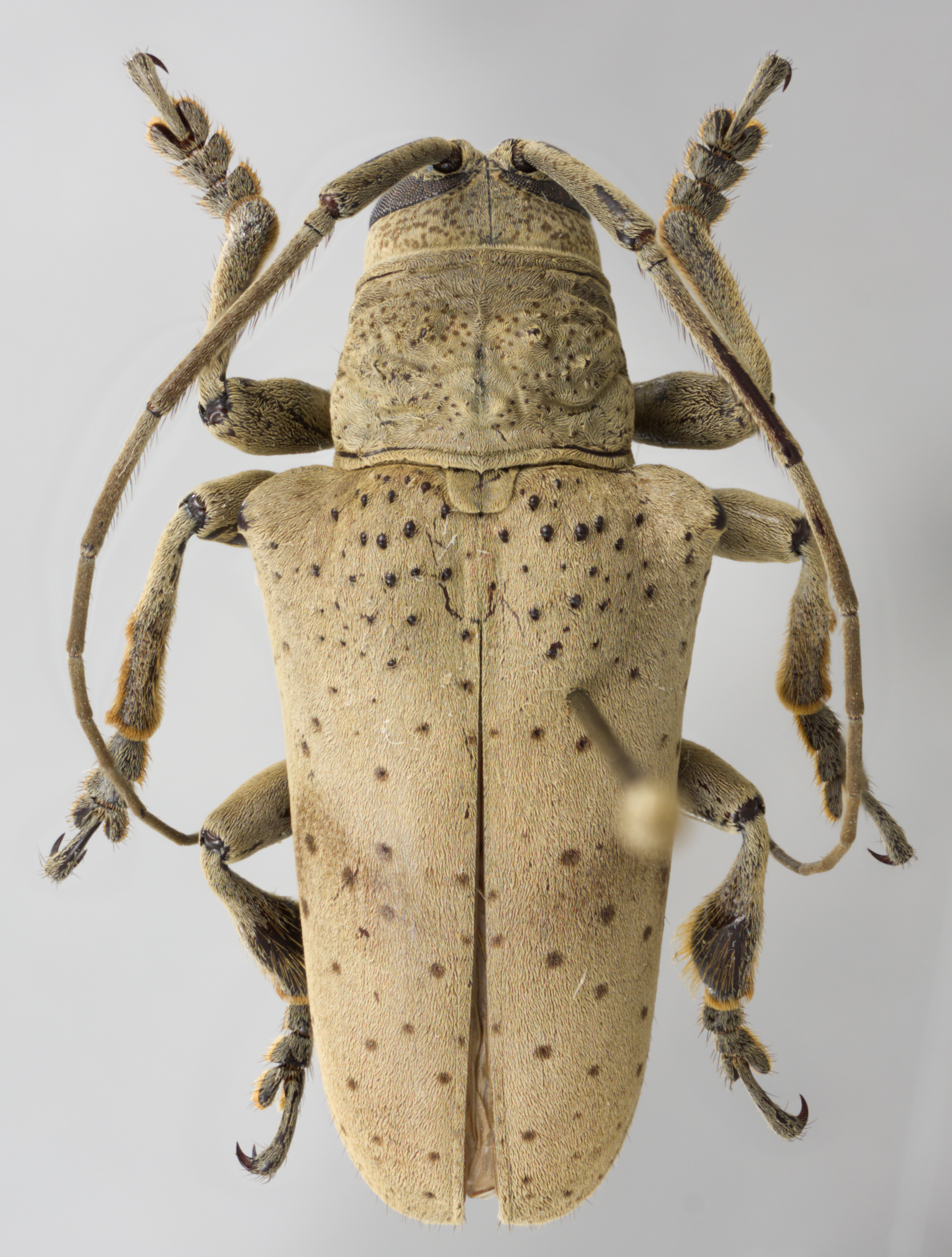
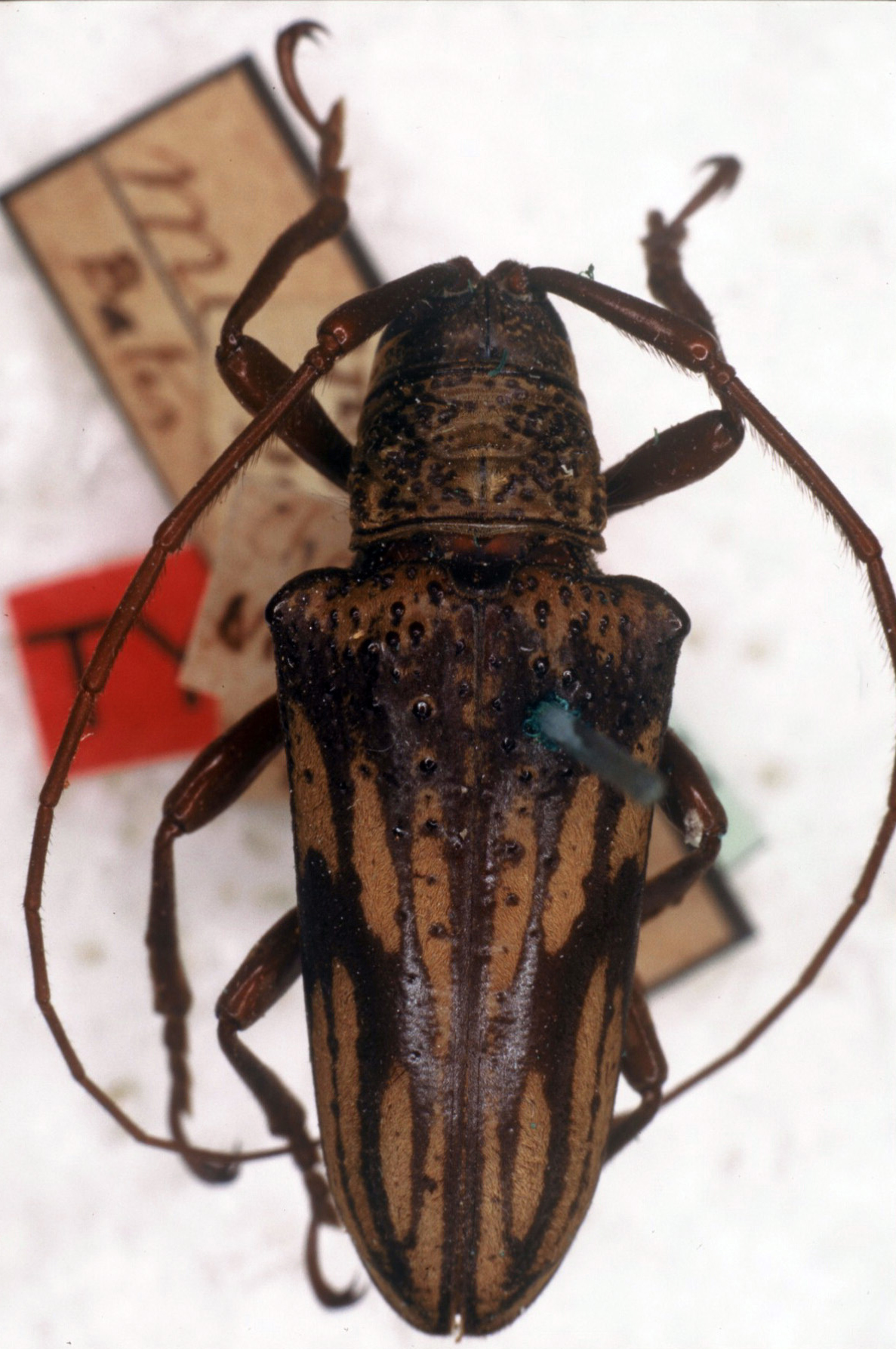
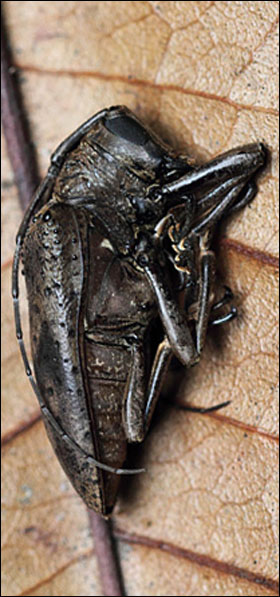
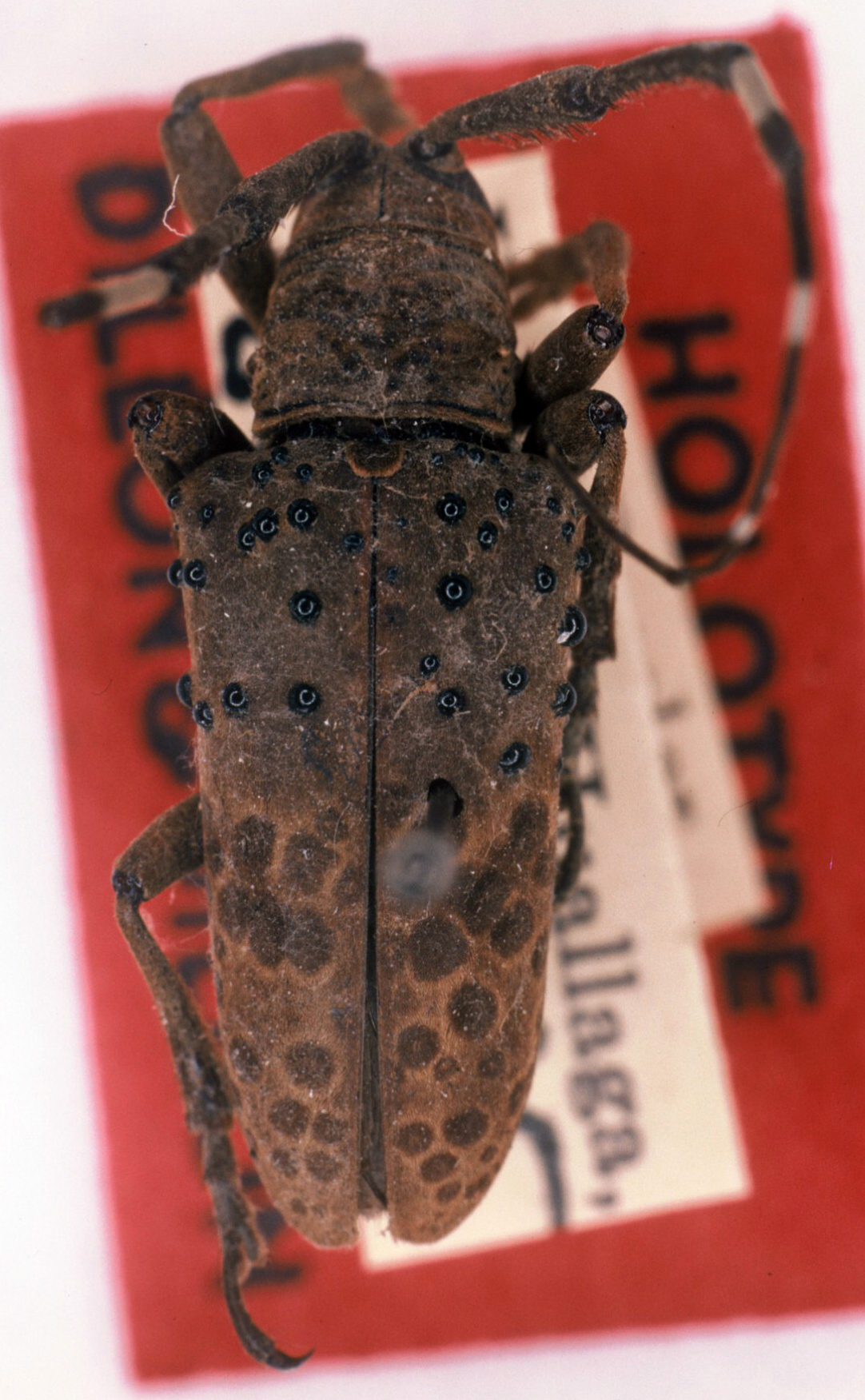
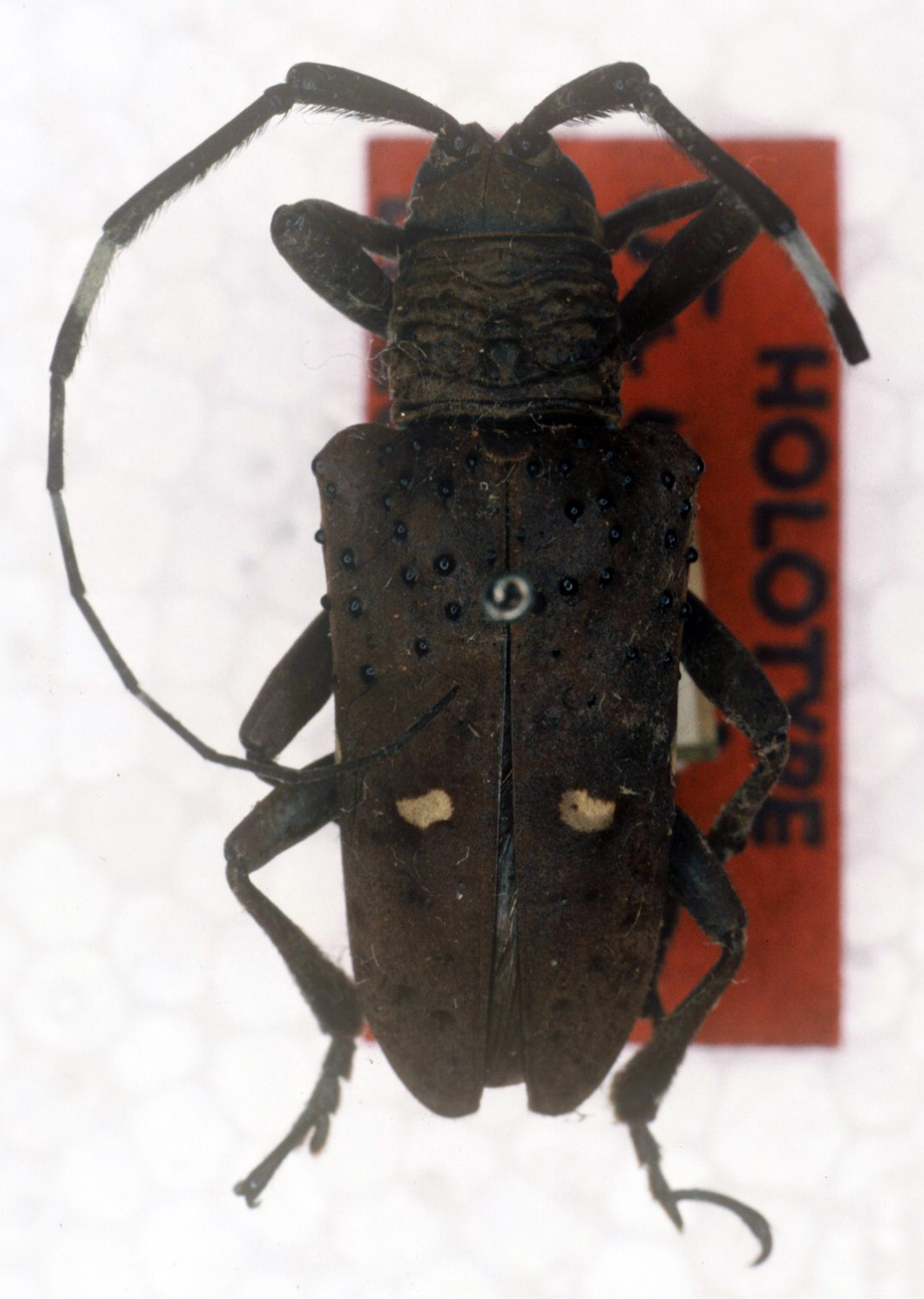
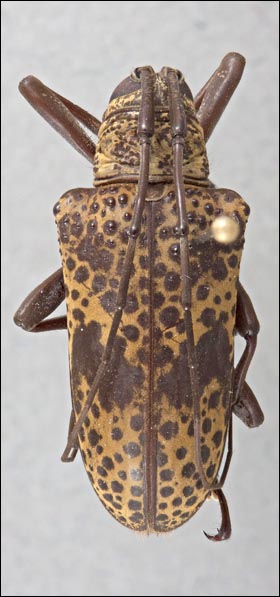
Elongate-ovate, moderate to large-sized, ranging from about 14–28 mm in length. Integument generally black or dark brown with whitish, tan, or brownish pubescence. Head with frons elongate, about as wide as width of one lower eye lobe; frons surface roughly sculptured. Eyes with lower lobes large, oblong. Genae subquadrate to elongate, distinctly shorter than lower eye lobes. Antennal tubercles prominent, narrowly separated, contiguous at base; tubercles not armed at apex or armed with a short, blunt horn. Antennae about as long as overall body length, or as much as twice as long; scape gradually expanded to apex, longer than antennomere IV; antennomere III variable in shape, from nearly straight to curved to sinuate, about as long or longer than scape and longer than antennomere IV. Pronotum transverse, roughly conical, wider at base, with or without lateral tubercles. Elytra with sides slightly attenuate; elytral apices individually rounded; elytra generally uniform in coloration or speckled, or with vague maculae; base of elytra with two prominent tubercles at humeri, often with several additional prominent, shiny tubercles. Basal 1/3 of elytra without punctation or with dense punctation, surface coarsely punctate to granulate-punctate. Procoxae without projection. Mesosternal process with apex feebly to deeply emarginate. Metafemora moderate to short in length, about 1/2–1/3 as long as elytra.
The combination of the following characters will help to distinguish this genus: large eyes; roughly sculptured frons; narrowly separated antennal tubercles, contiguous at base; and elytra often with several prominent, shiny tubercles.
Strongly resembles Hypselomus and Typhlocerus.
Central America (Nicaragua to Panama); South America (Bolivia, Brazil, Colombia, Ecuador, French Guiana, Guyana, Peru, Suriname, Venezuela)
Apocynaceae (Couma guianensis, Odontadenia perrottetti); Clusiaceae (Symphonia globulifera); Humiriaceae (Vantanea parviflora); Myristicaceae (Virola sebifera)
Unknown
The genus Jamesia currently contains 11 species: J. bella Galileo and Martins, 2003; J. duofasciata Dillon and Dillon, 1952; J. ericksoni Hovore, 1989Hovore, 1989:
Hovore FT. 1989. Records and descriptions of Costa Rican Cerambycidae, Part 1: the Turrialba Valley. Insecta Mundi. 3(4):249–260.; J. fuscofasciata Dillon and Dillon, 1952; J. globifera (Fabricius, 1801Fabricius, 1801:
Fabricius JC. 1801. Systema eleutheratorum secundum ordines, genera, species: adiectis synonymis, locis, observationibus, descriptionibus. Kiliae. 2:1–687.); J. lineata Fisher, 1926; J. multivittata Bates, 1869Bates, 1869:
Bates HW. 1869. XXV. New species of Coleoptera from Chontales, Nicaragua. The Transactions of the Entomological Society of London. 1869:383-389.; J. papulenta Thomson, 1868Thomson, 1868:
Thomson J. 1868. Révision du groupe des oncidérites (Lamites, cérambycides, coléoptères). Physis Recueil d'Histoire Naturelle. 2(5):41–92.; J. phileta Dillon and Dillon, 1945Dillon and Dillon, 1945:
Dillon LS, Dillon ES. 1945. The tribe Onciderini (Coleoptera: Cerambycidae) Part I. Reading, Scientific Publications, Reading Public Museum and Art Gallery, Number 5. 186 pp.; J. pyropina Dillon and Dillon, 1945Dillon and Dillon, 1945:
Dillon LS, Dillon ES. 1945. The tribe Onciderini (Coleoptera: Cerambycidae) Part I. Reading, Scientific Publications, Reading Public Museum and Art Gallery, Number 5. 186 pp.; J. ramirezi Nearns and Tavakilian, 2012.
Specimens of this genus have been collected at UV light and also beating vegetation.
Bates (1869)Bates (1869):
Bates HW. 1869. XXV. New species of Coleoptera from Chontales, Nicaragua. The Transactions of the Entomological Society of London. 1869:383-389., Dillon and Dillon (1945)Dillon and Dillon (1945):
Dillon LS, Dillon ES. 1945. The tribe Onciderini (Coleoptera: Cerambycidae) Part I. Reading, Scientific Publications, Reading Public Museum and Art Gallery, Number 5. 186 pp., Dillon and Dillon (1952)Dillon and Dillon (1952):
Dillon LS, Dillon ES. 1952. The tribe Onciderini. Supplementary notes. Annals of the Entomological Society of America. 45(1):59–79., Fabricius (1801)Fabricius (1801):
Fabricius JC. 1801. Systema eleutheratorum secundum ordines, genera, species: adiectis synonymis, locis, observationibus, descriptionibus. Kiliae. 2:1–687., Galileo and Martins (2003)Galileo and Martins (2003):
Galileo, MHM, Martins UR. 2003. Cerambycidae (Coleoptera) da Colombia. V. Lamiinae com unhas tarsais divergentes. Iheringia, Série Zoologia, Porto Alegre. 93(2):167–176., Hovore (1989)Hovore (1989):
Hovore FT. 1989. Records and descriptions of Costa Rican Cerambycidae, Part 1: the Turrialba Valley. Insecta Mundi. 3(4):249–260., Jekel (1861)Jekel (1861):
Jekel H. 1861. Observations suggérées par les notes de M. Chevrolat sur les cérambycides de M. Thomson. Journal of Entomology. 1:255–262., Monné (2005)Monné (2005):
Monné MA. 2005. Catalogue of the Cerambycidae (Coleoptera) of the Neotropical Region. Part II. Subfamily Lamiinae. Zootaxa. 1023:1–759., Bezark and Monné (2013)Bezark and Monné (2013):
Bezark LG, Monné MA. 2013. Checklist of the Oxypeltidae, Vesperidae, Disteniidae and Cerambycidae, (Coleoptera) of the Western Hemisphere., Nearns and Tavakilian (2012a)Nearns and Tavakilian (2012a):
Nearns EH, Tavakilian G-L. 2012a. New Taxa and Combinations in Onciderini Thomson, 1860 (Coleoptera: Cerambycidae: Lamiinae) from Central and South America, with notes on additional taxa. Insecta Mundi. 0231:1–24., Souza et al. (2024)Souza et al. (2024):
Souza DS, French RLK, Silva Jr. JO, Nearns EH, Marinoni L, Swift IP, Miller KB, Sperling FAH, Monné M. 2024. Cutting the sap: First molecular phylogeny of twig-girdler longhorn beetles (Coleoptera: Cerambycidae: Lamiinae: Onciderini) suggests shifts in host plant attack behaviours contributed to morphological evolution. Systematic Entomology. 502:369–389., Thomson (1868)Thomson (1868):
Thomson J. 1868. Révision du groupe des oncidérites (Lamites, cérambycides, coléoptères). Physis Recueil d'Histoire Naturelle. 2(5):41–92.