Pine sawflies (Diprionidae: Diprion) are stout, wasp-like insects. They are not true flies, but are in the same group of insects as wasps, bees, and ants. Females lay their eggs in pine needles, on which the brightly colored, caterpillar-like larvae feed externally. Several species are pests of pine, causing direct harm by defoliation and making pines vulnerable to other pests. Damage from pine sawfly larvae can vary from mild to severe, with these insects sometimes defoliating whole forests.
Species of pine sawfly differ greatly in the scope of their food preferences, with some known to readily switch to novel pine hosts, while others seem narrow in host choice. Some species may even feed on non-pine conifers. Identification to species is easiest using the later stages of the larva, at least among those six species in which the larva is adequately known. Adults are more difficult to identify. Nonetheless, the Lucid keys provided in this tool allow for global identification of adult pine sawflies, of either sex, to species. These keys are fully illustrated and use external characters whenever possible. Collection of both larvae and adults in species for which these forms have not yet been associated will be of great help towards ongoing improvement of this identification tool.
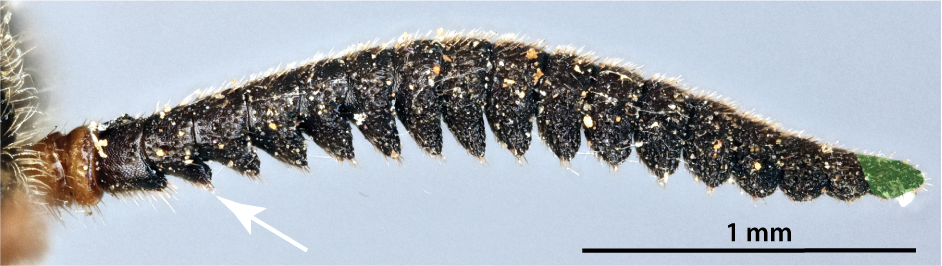
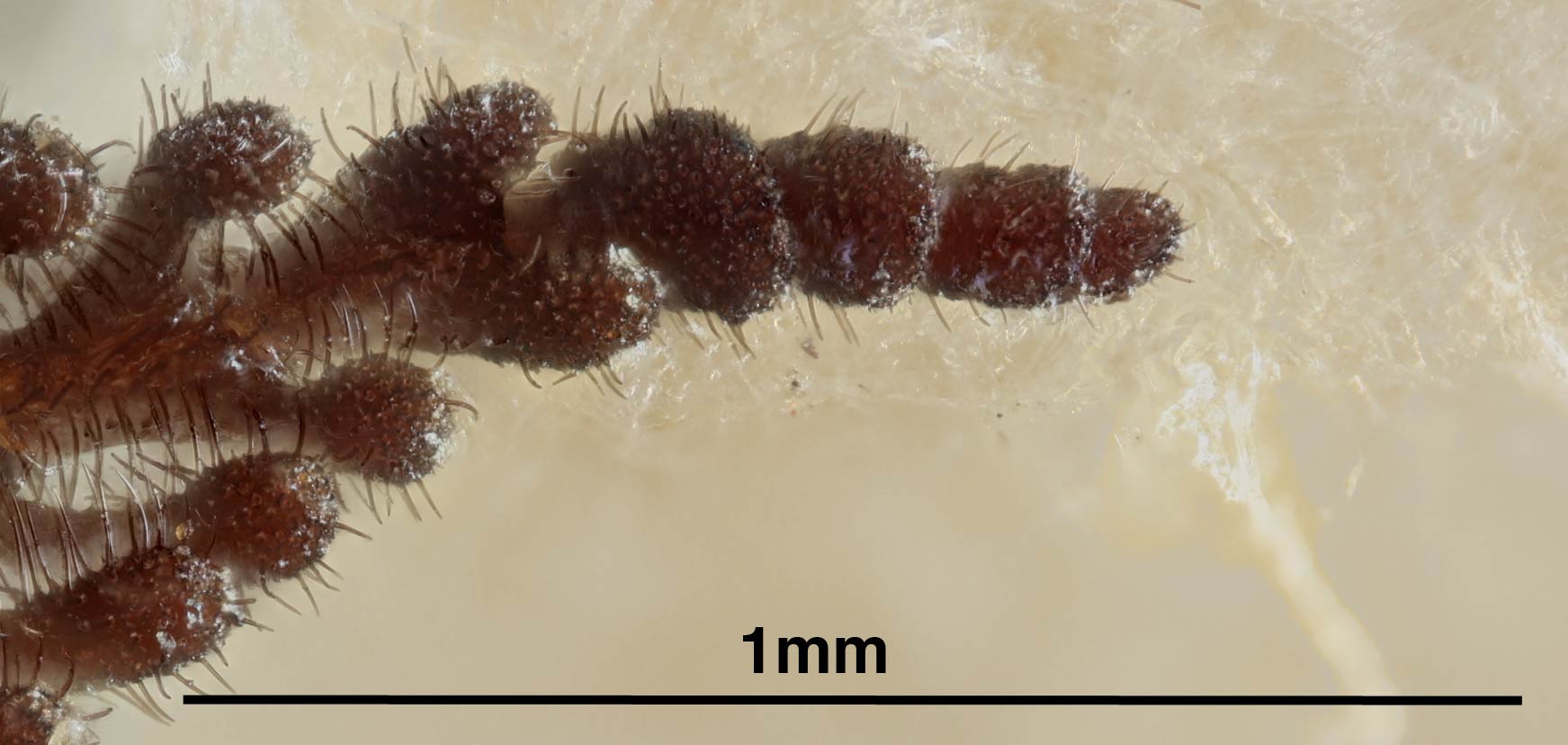
Conifer sawflies (Diprionidae), the family to which pine sawflies belong, are most conspicuously distinguished from other sawflies by the condition of the antennae: there are 15 or more flagellomeres; the female antenna is saw-like, whereas the male flagellumflagellum:
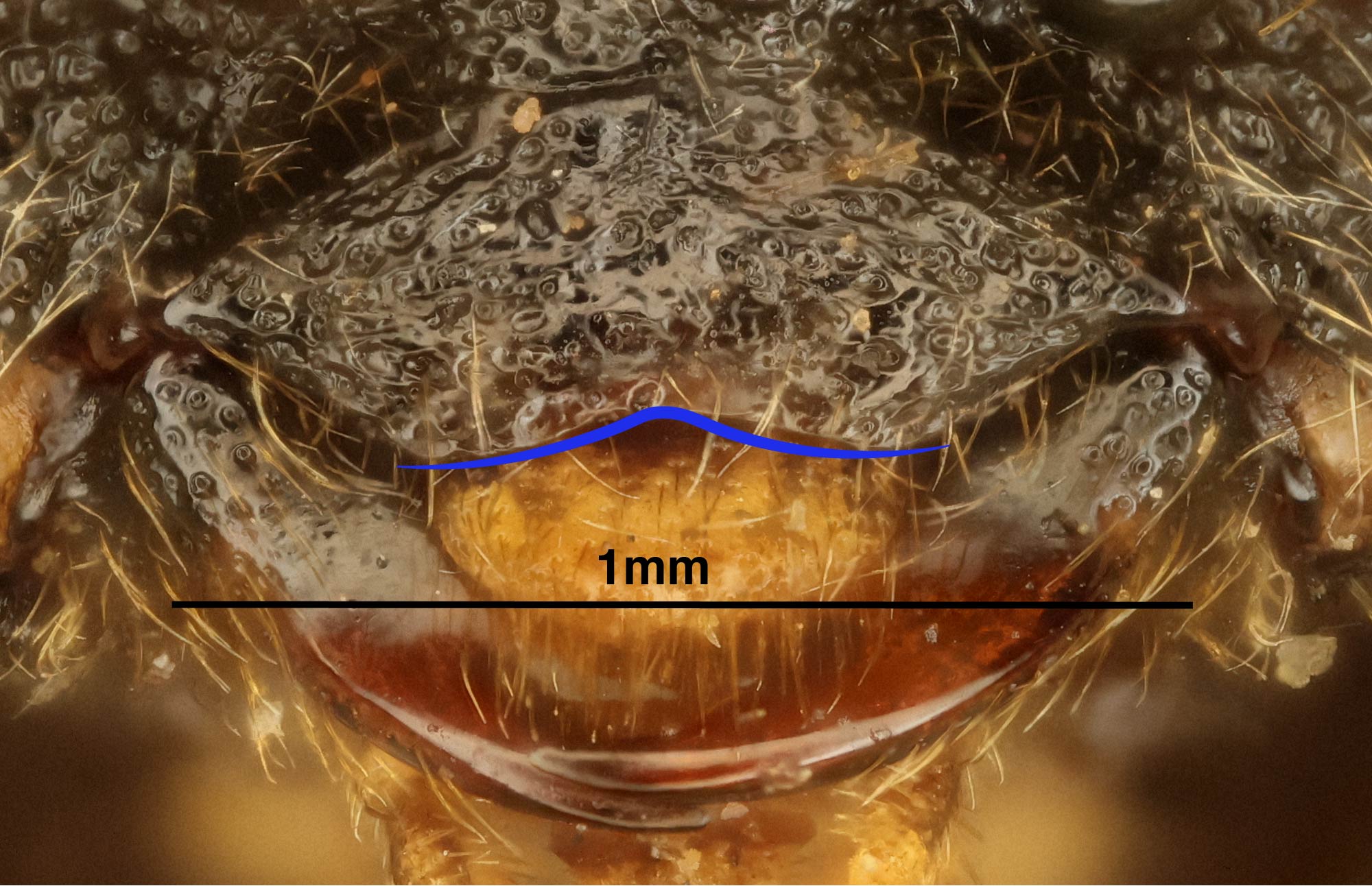
the third segment of the antenna, which is subdivided into many articulated components called flagellomeres.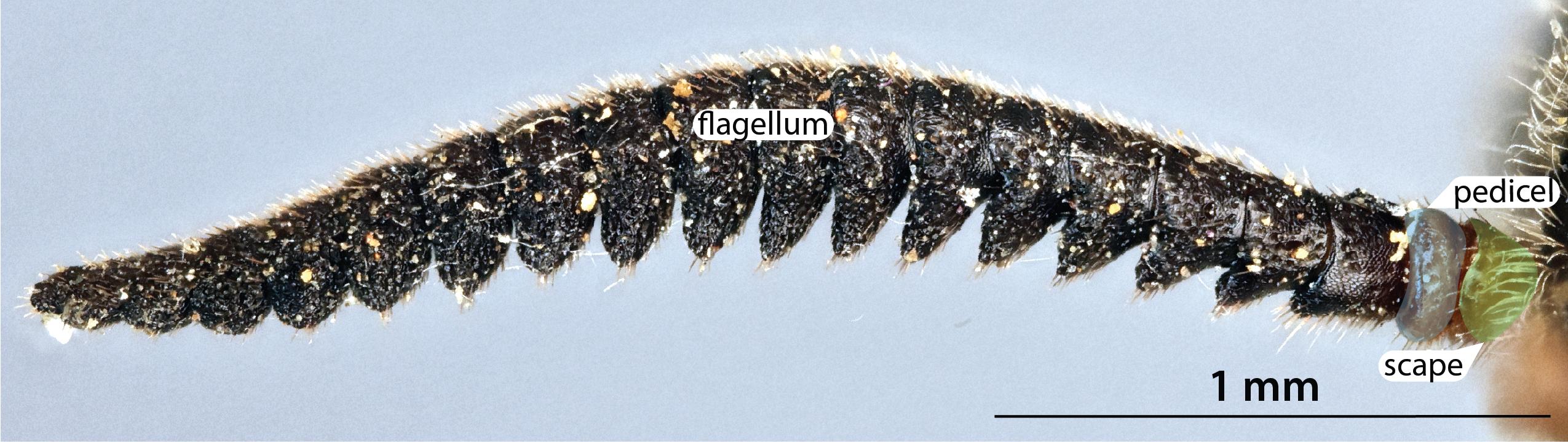 is an elaborate comb, with two tines on most flagellomeres. Other conditions that (in part) distinguish pine sawflies from their relatives are the absence of a mesoscutellar appendage, and the separation of the metapleuron from abdominal tergitetergite:
the dorsal plate of an abdominal segment.
I.
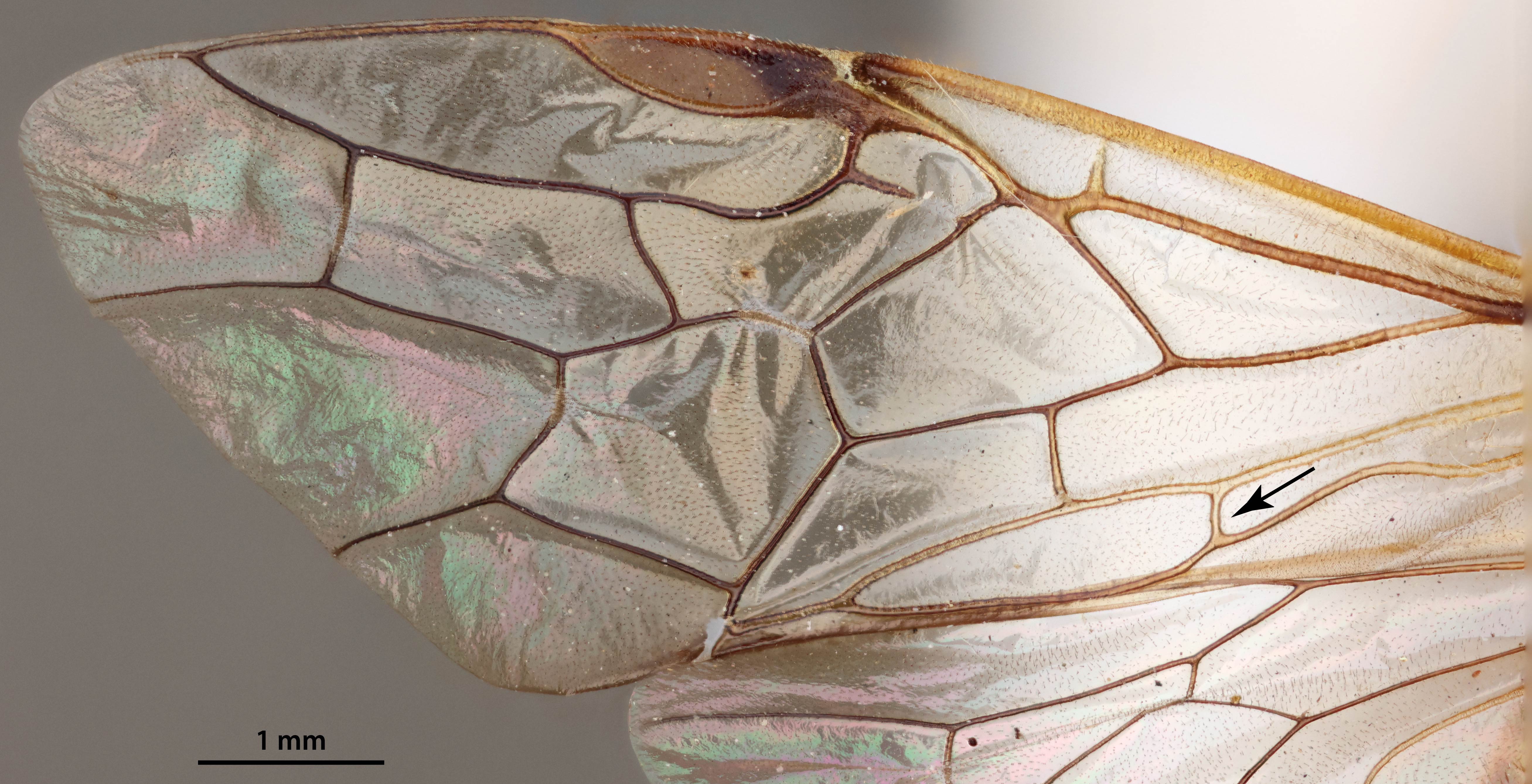
Pine sawflies (Diprion) are distinguishable from all other conifer sawflies (Diprionidae) by the following characteristics, in combination:
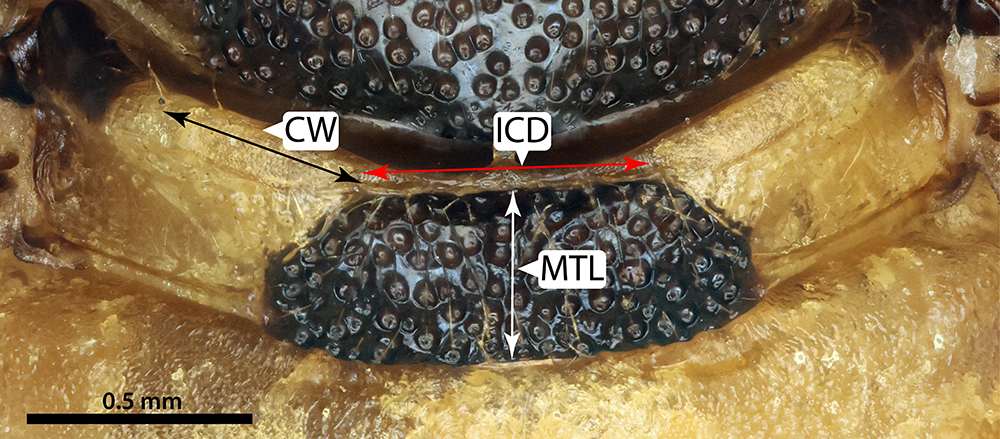 ≥ CWCW:
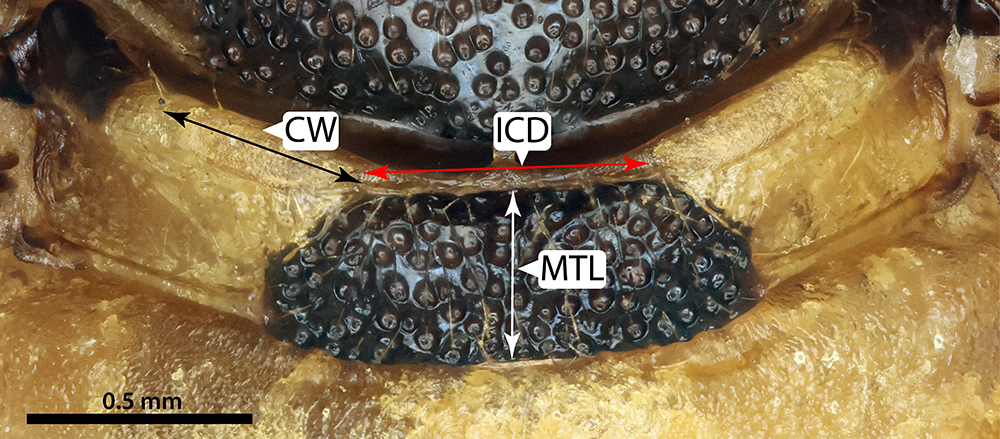 ; MTLMTL:
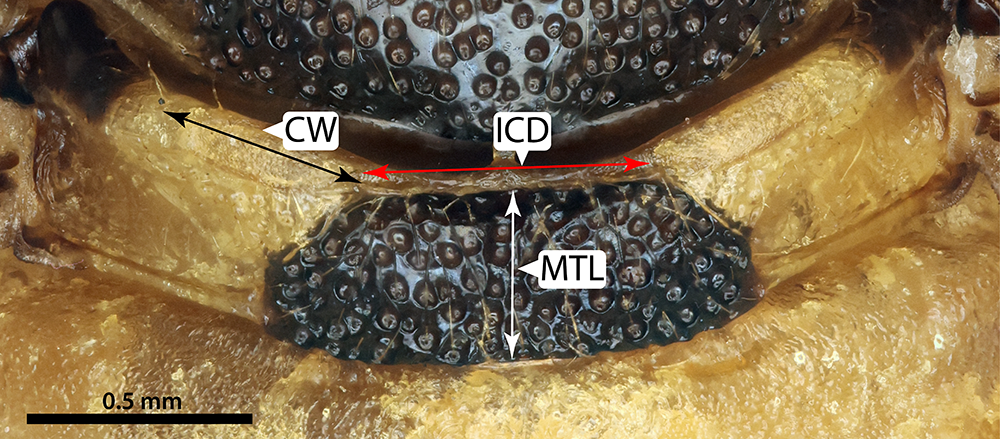 ≥ CWCW:.
For more about Diprion and related genera see ITP's Sawfly GenUS tool.
Author: Z. Griebenow
Content last updated January 2026
idtools.org