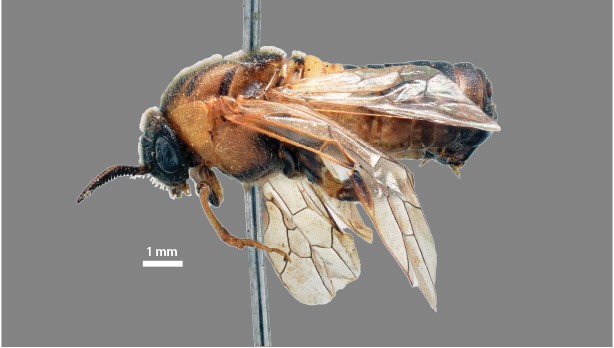
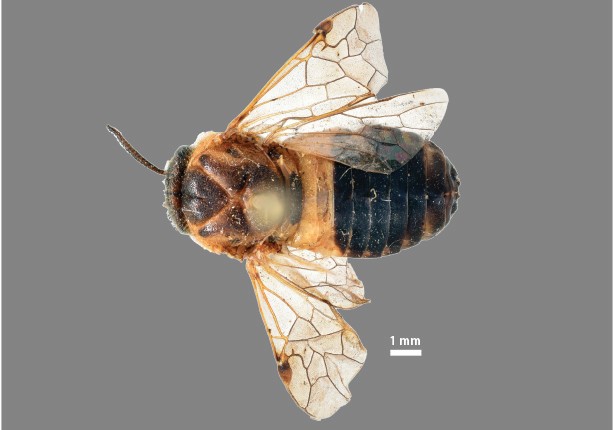
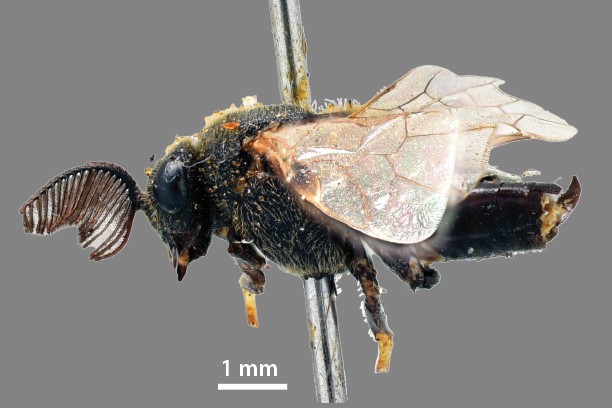
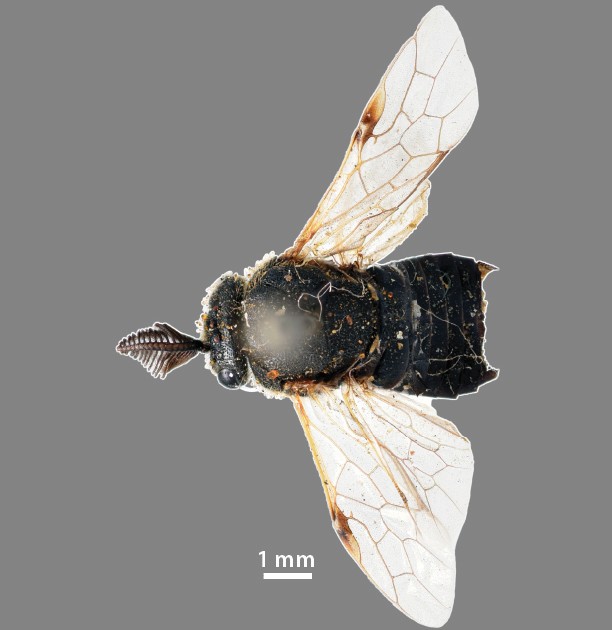
No single character state uniquely identifies the female or male of Diprion wenshanicus.
The female is very similar to that of D. koreanus but is reliably distinguished from that species by having 10 annuliannulus:
vertical row of teeth which occurs at regular intervals on both sides of female gonapophysis VIII. In Diprion, there are 9–12 annuli.
. In D. wenshanicus ATVIIIabdominal tergite VIII:
( = ATVIII) the dorsal sclerite of abdominal segment VIII.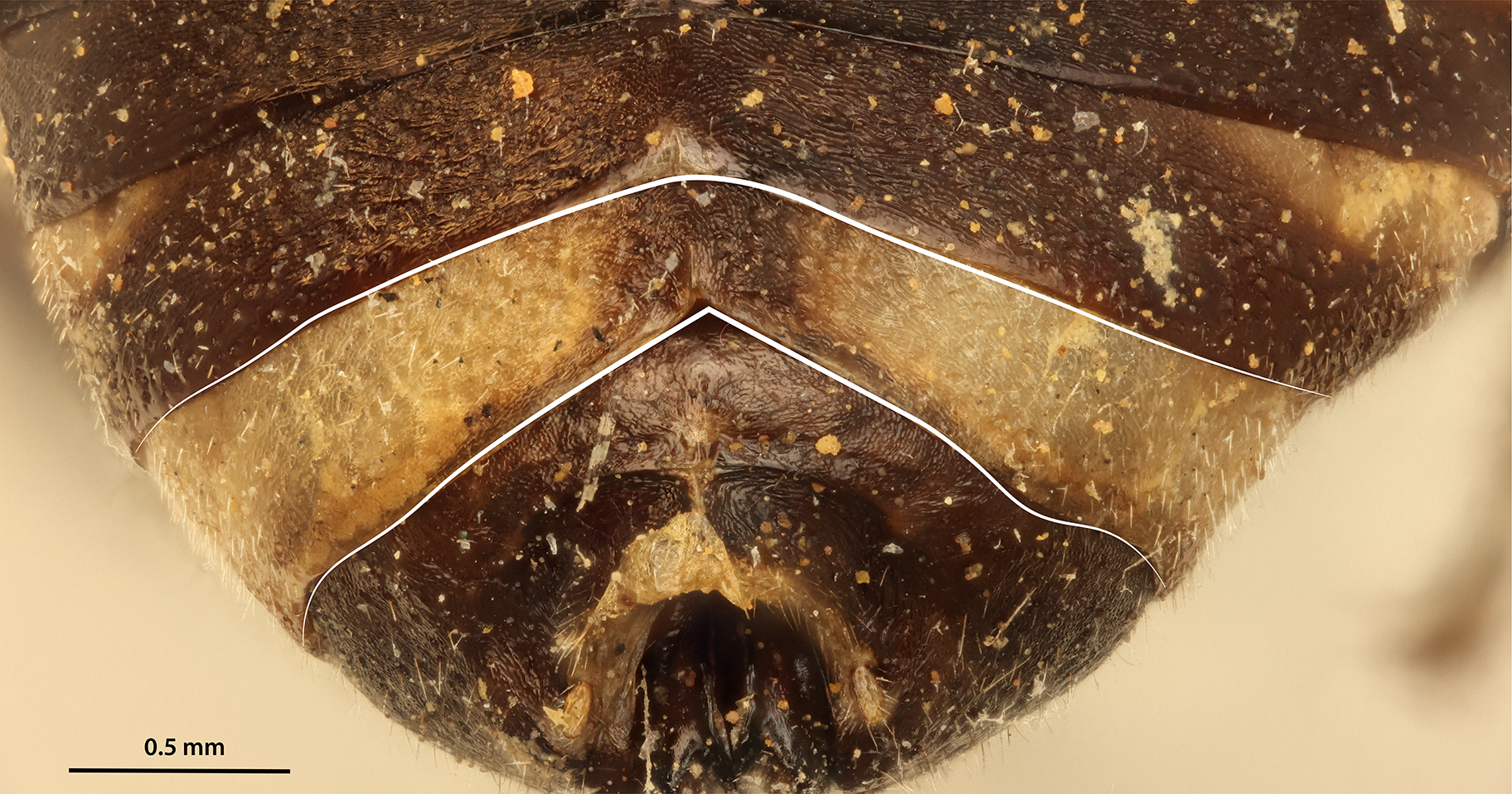 is bicoloredbicolored:
having two colors, with the change between these colors being abrupt.
, and ATIXabdominal tergite IX:
( = ATIX) the dorsal sclerite of abdominal segment IX.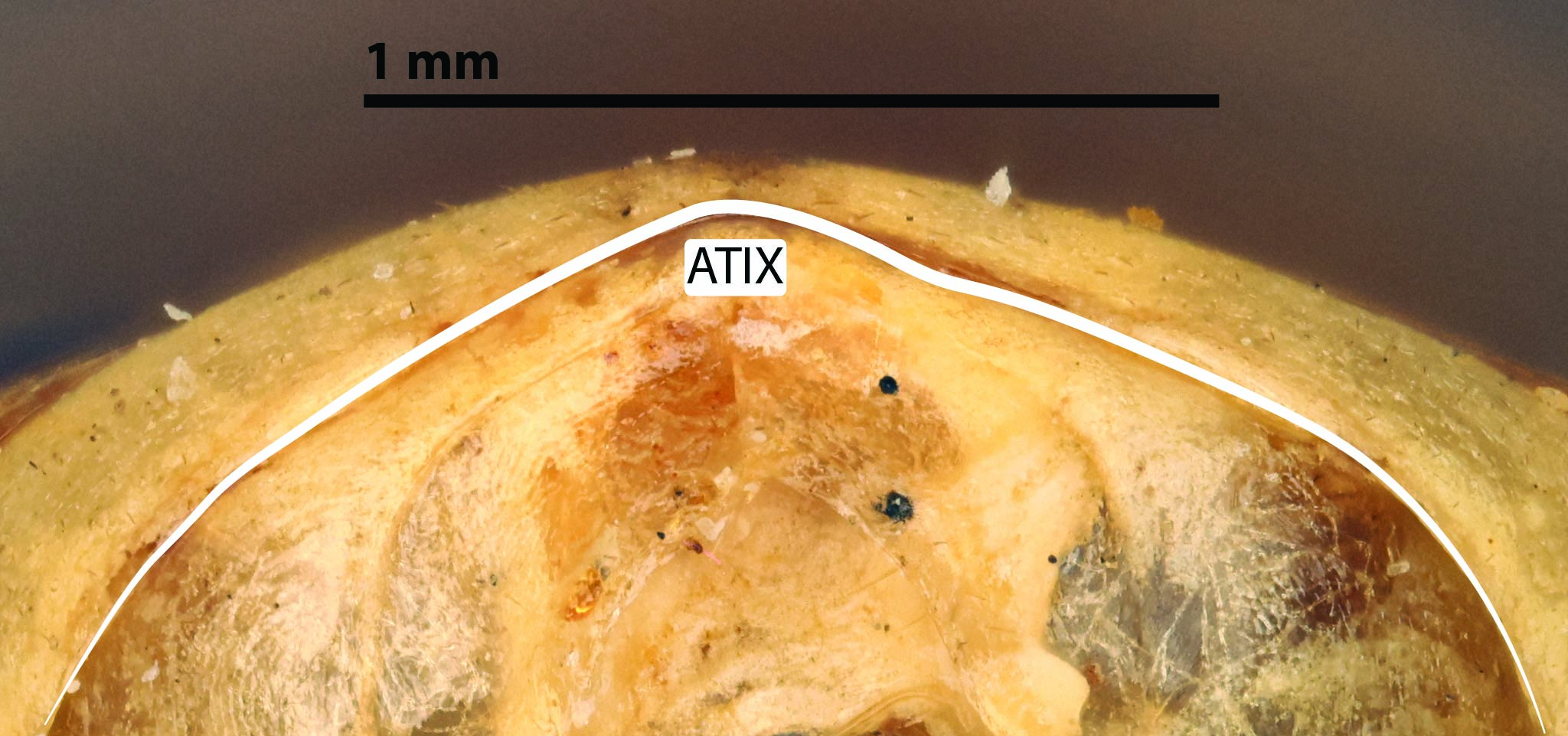 is concolorousconcolorous:
having a single color throughout.
and black, also discriminating from D. koreanus.
The male of D. wenshanicus is identified by the absence of occipital maculaemacula:
a swatch or spot of coloration.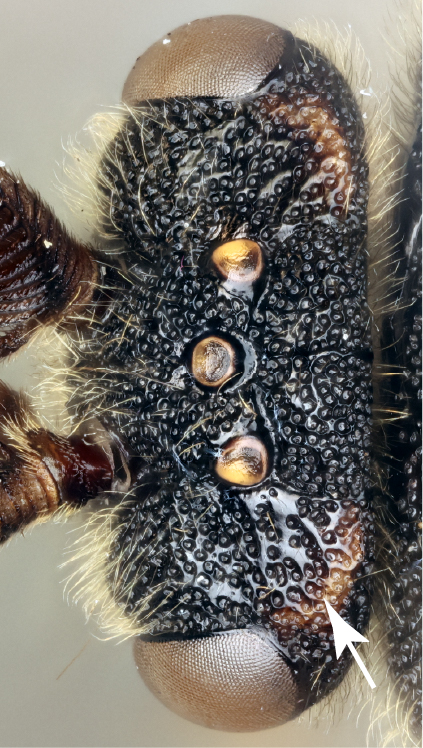 , in conjunction with 26 antennomeresantennomere:
articulated components of the antenna.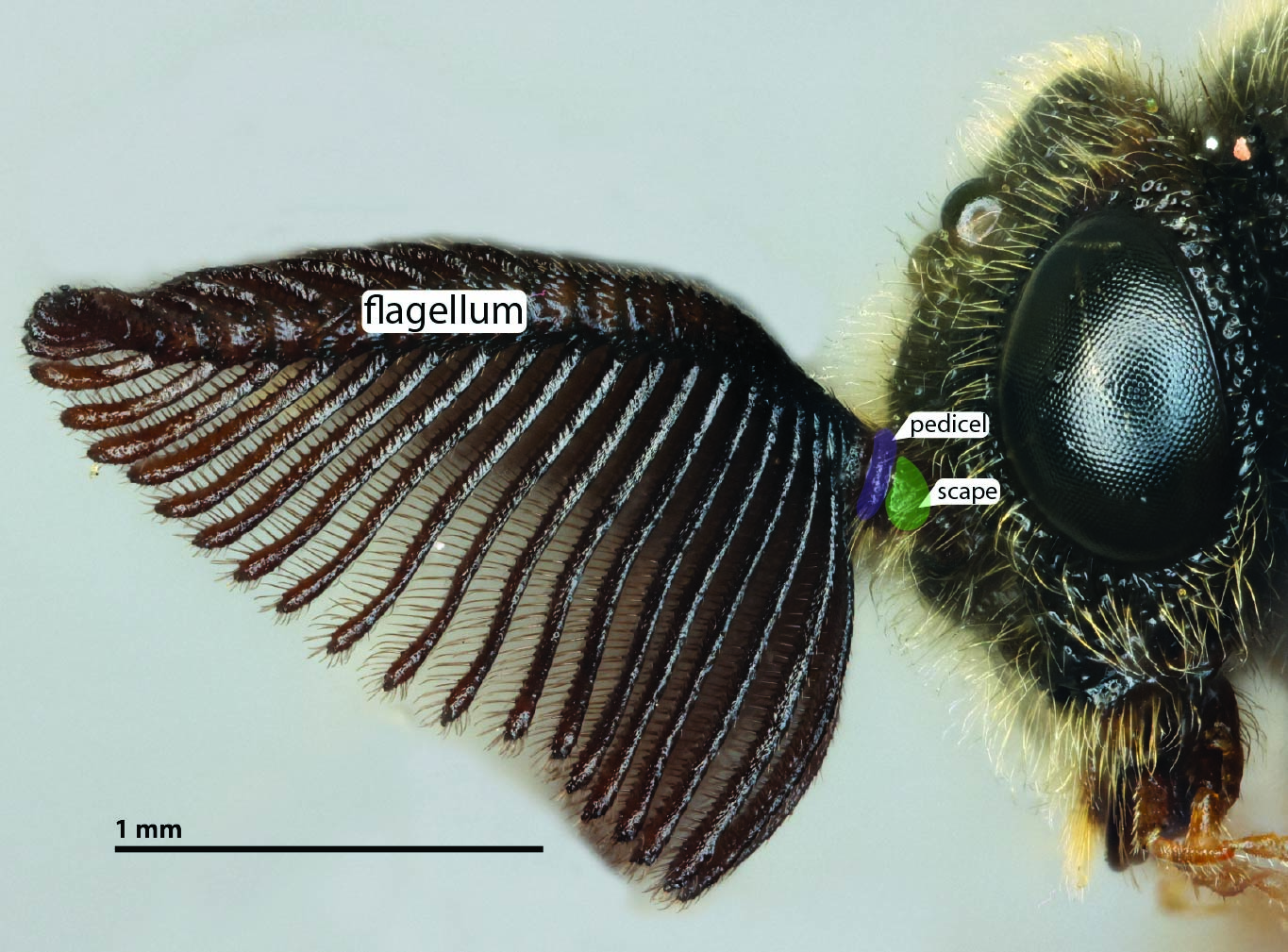 .
.
View full screen host table here
Yunnan Province, People's Republic of China (Xiao et al. 1983Xiao et al. 1983:
Xiao G, Huang X, Zhou S. 1983. Sawflies of the genus Diprion from China (Hymenoptera, Symphyta: Diprionidae). [In Chinese.] Scientia Silvae Sinicae 19(3): 277–283.).
No natural enemies known.
Basionymbasionym:
the original combination of a species name, consisting of the genus name and a specific epithet.
: Diprion wenshanicus Xiao and Zhou, 1983
Author: Z. Griebenow
Content last updated January 2026
idtools.org