Family: Siricidae
Subfamily: Siricinae
Genus: Sirex Linnaeus, 1760
Species: Sirex varipes Walker 1866
Common names: none
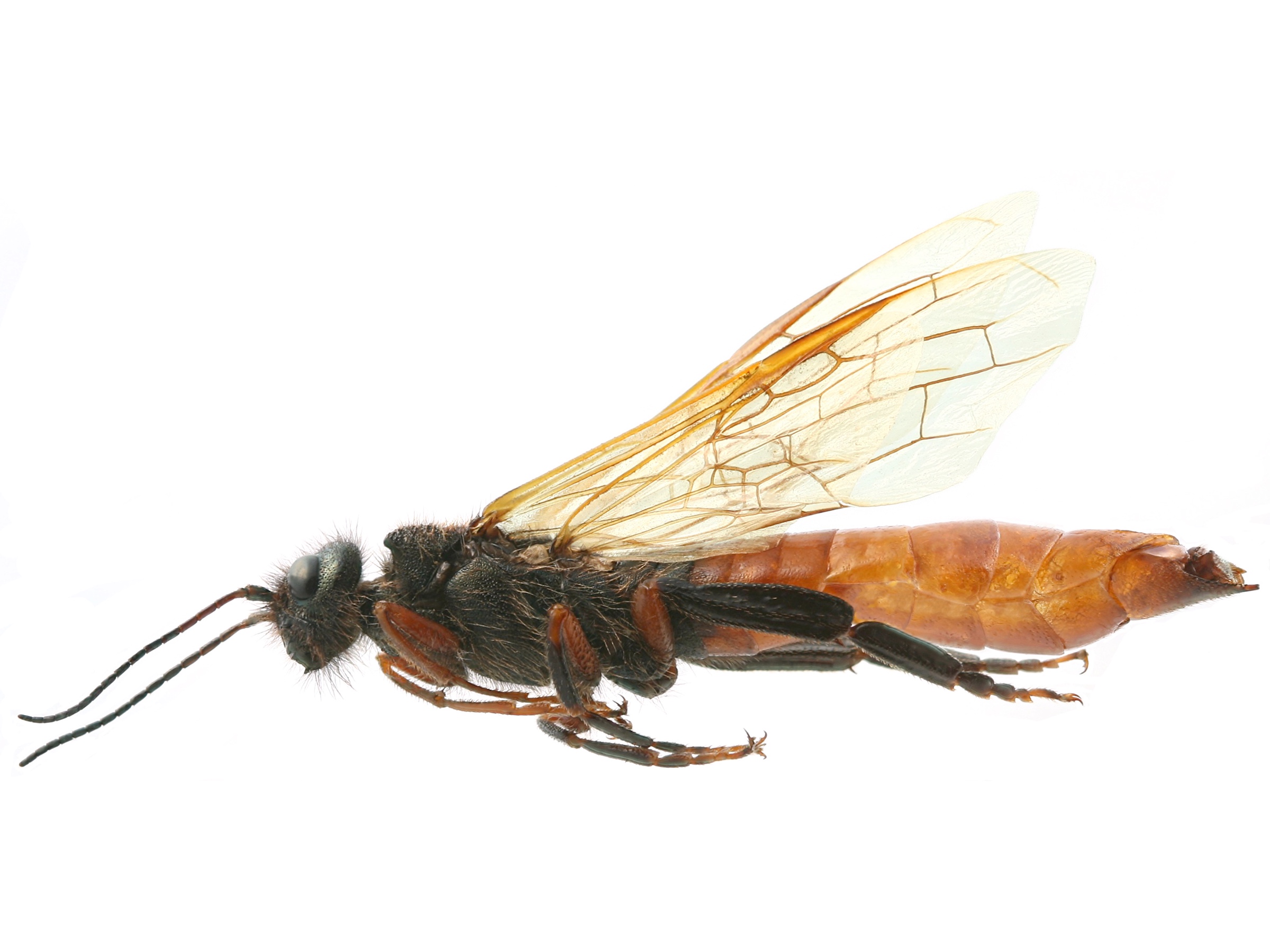
Sirex varipes is a common western NearcticNearctic:
describing the region of the Northern Hemisphere that includes North America south through northern Mexico
 species with black body and red legs (Schiff et al. 2012Schiff et al. 2012:
Schiff NM, Goulet H, Smith DR, Boudreault C, Wilson AD, and Scheffler BE. 2012. Siricidae (Hymenoptera: Symphyta: Siricoidea) of the Western Hemisphere. Canadian Journal of Arthropod Identification 21: 1-305.).
See Sirex for genus-level diagnostic characteristics.
Females:
 light reddish-brown (Schiff et al. 2012Schiff et al. 2012:
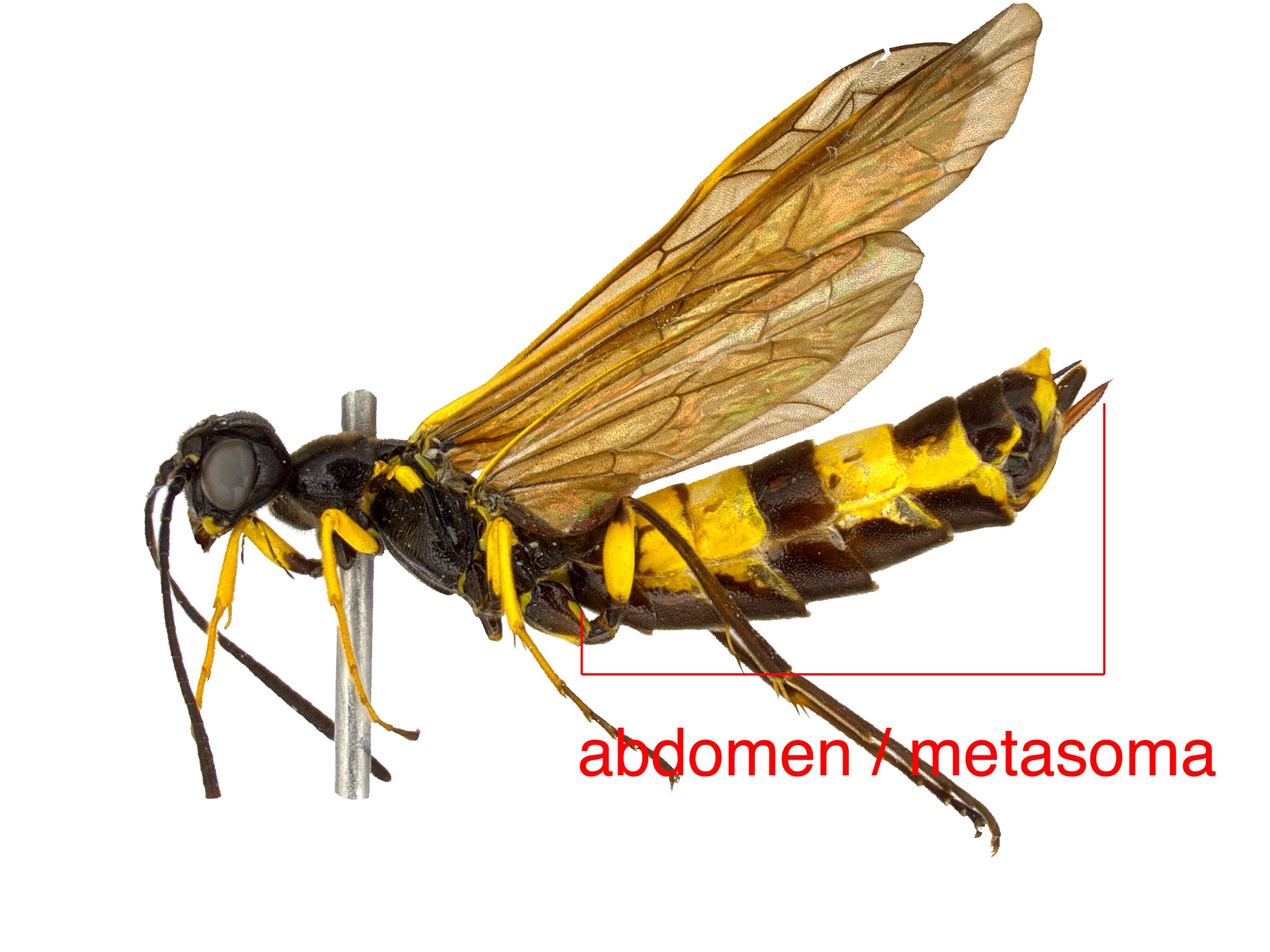 entirely black with metallic reflections (Schiff et al. 2012Schiff et al. 2012:
 reddish-brown with black, dark brown or blue on dorsaldorsal:
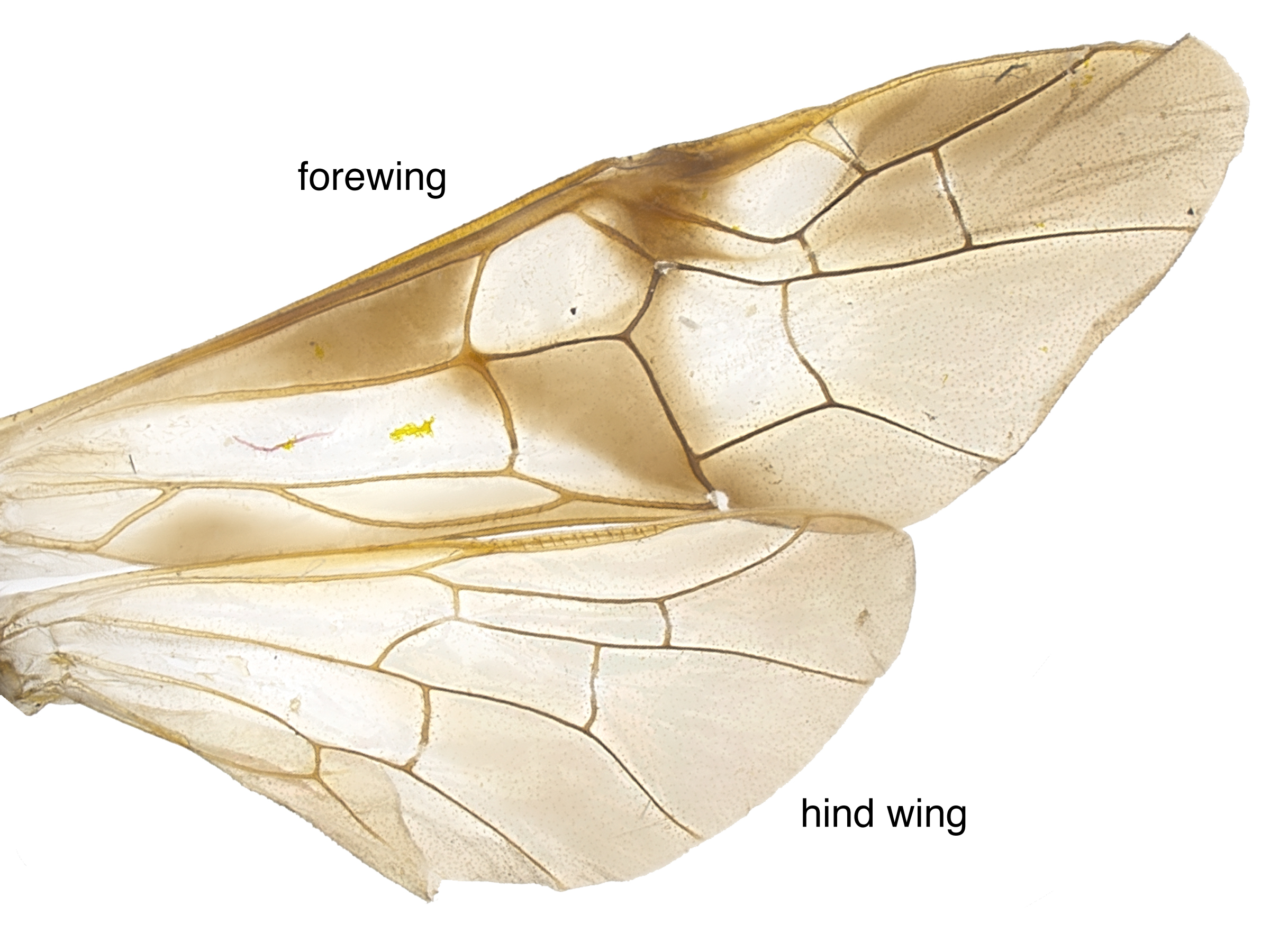 clear or with light yellow tint near stigmastigma:
 (Schiff et al. 2012Schiff et al. 2012:vein 3A absent (Schiff et al. 2012Schiff et al. 2012:
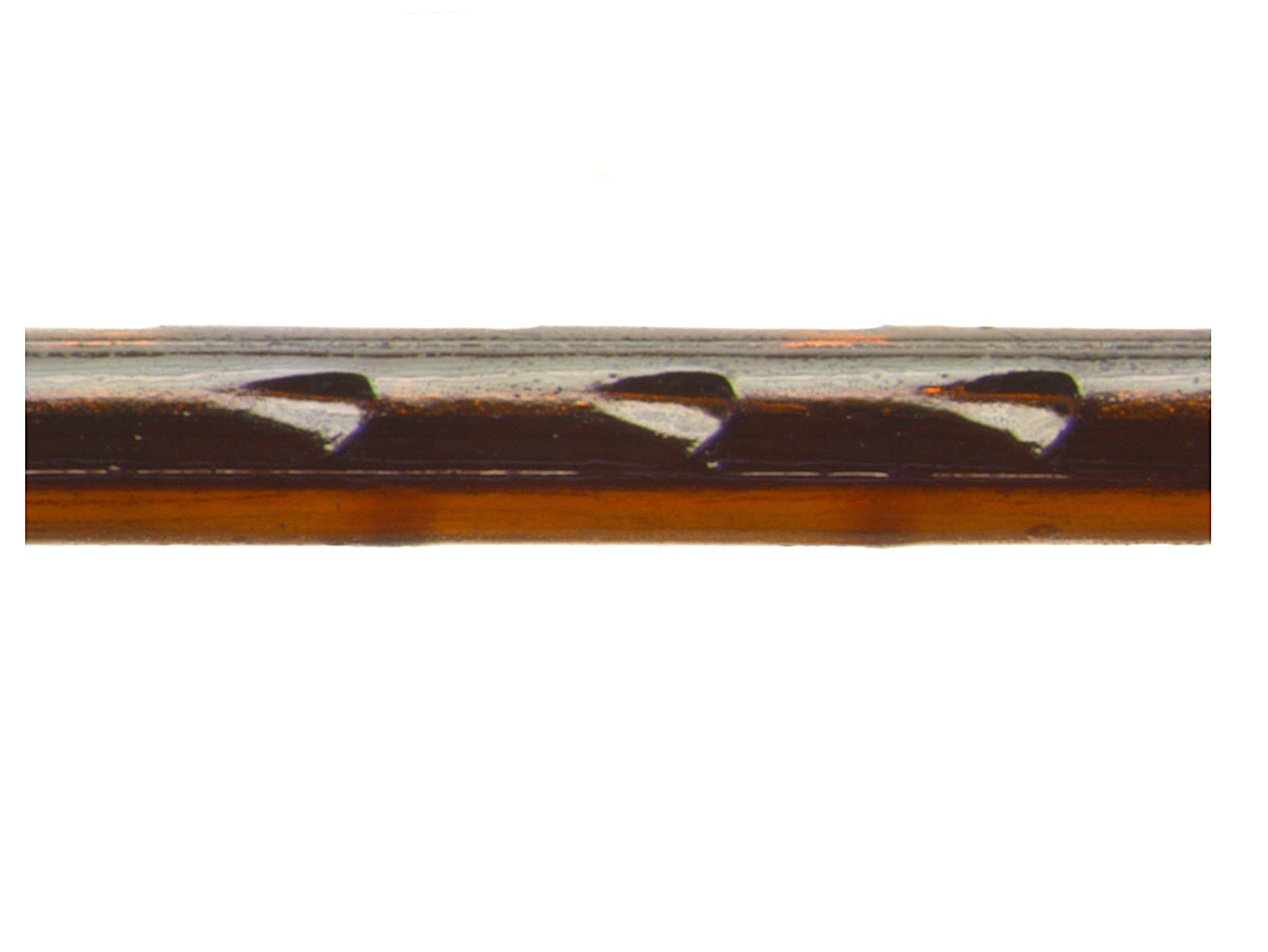
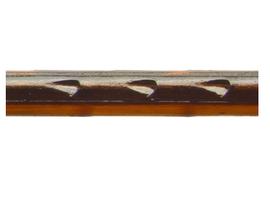
 pits small and scattered, about 4–10 pit diameters apart (Schiff et al. 2012Schiff et al. 2012:
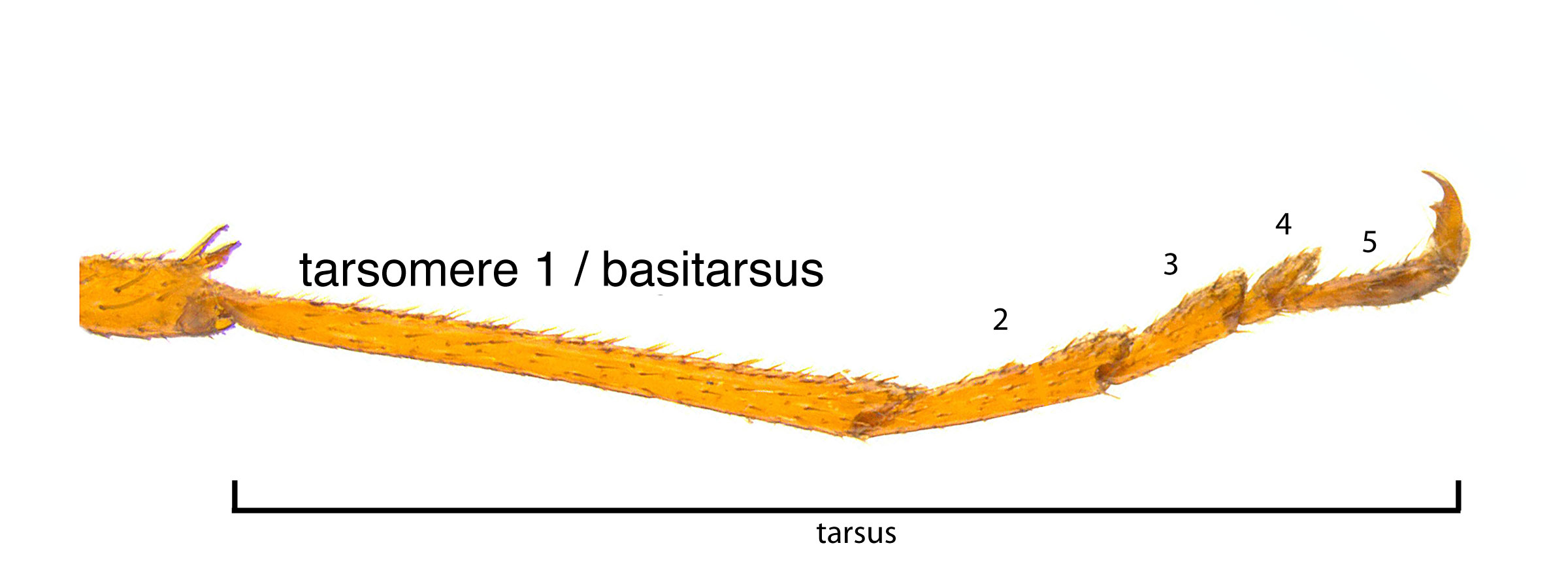 2–3.6 times as long as wide (Schiff et al. 2012Schiff et al. 2012:
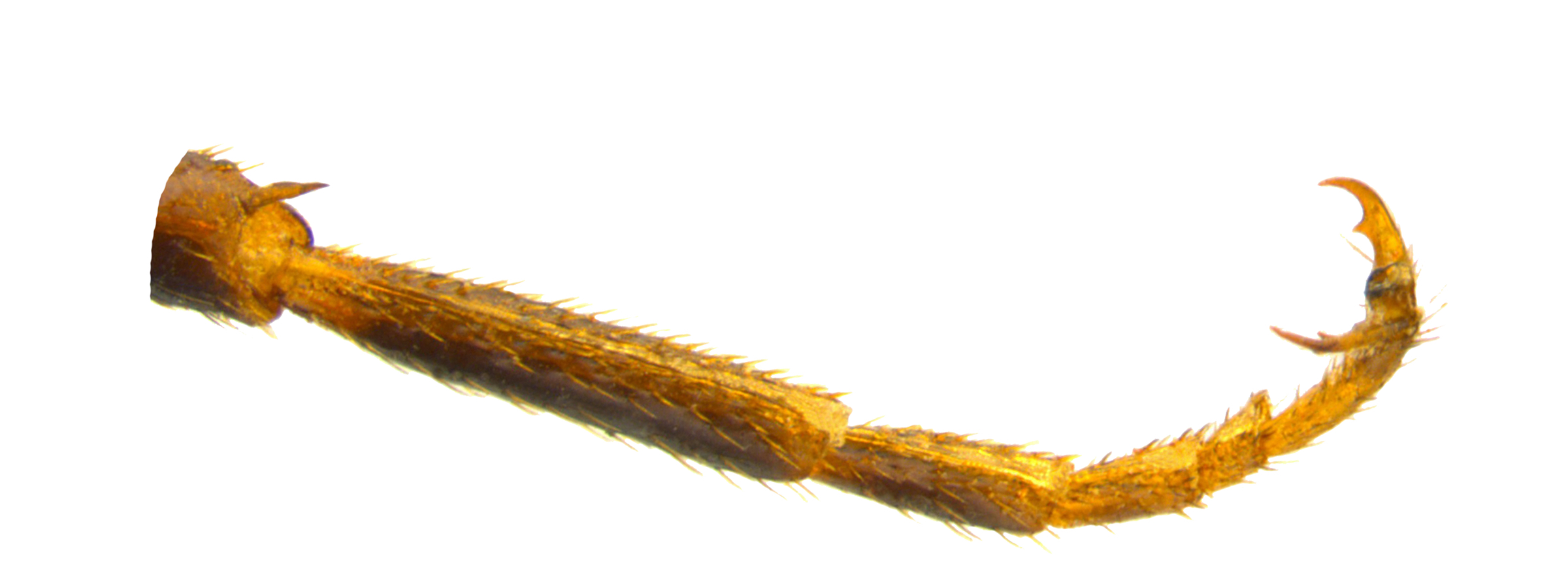
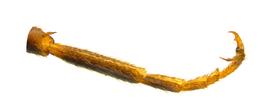
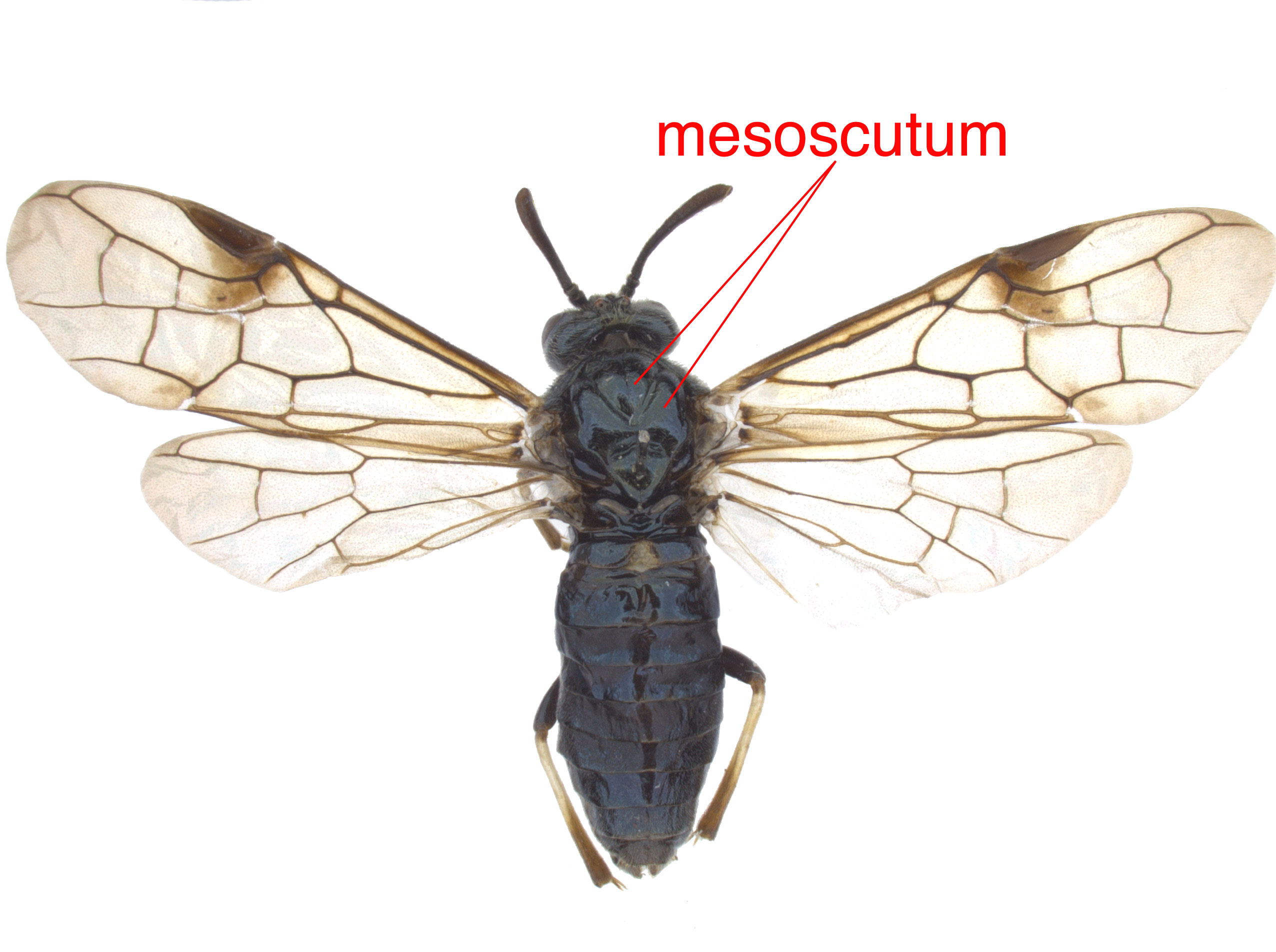 pit margins raised creating a net-like pattern (Schiff et al. 2012Schiff et al. 2012: with pulvilluspulvillus:
 about 0.7–0.8 times length of tarsomeretarsomere: (Schiff et al. 2012Schiff et al. 2012:
Males:
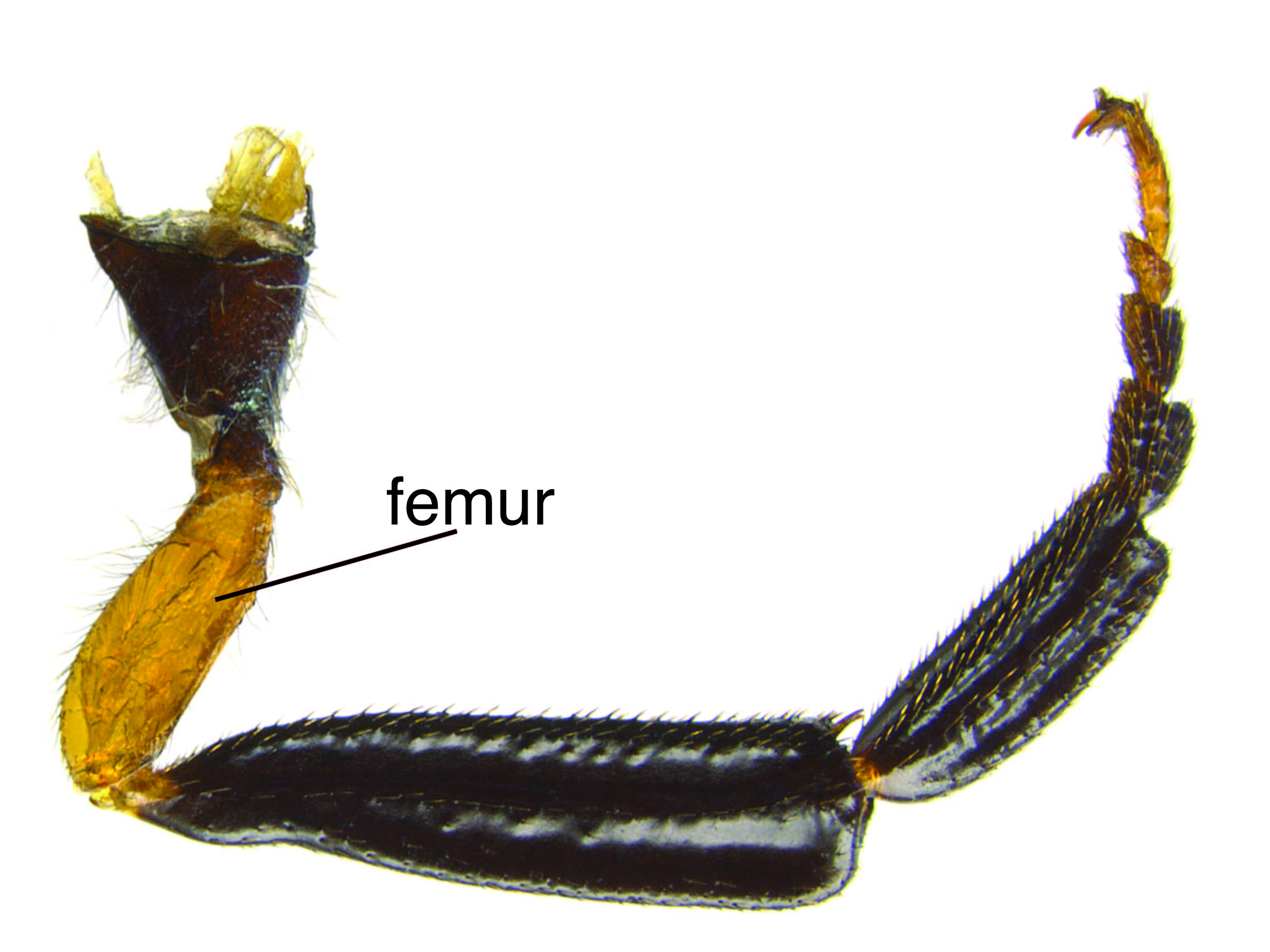
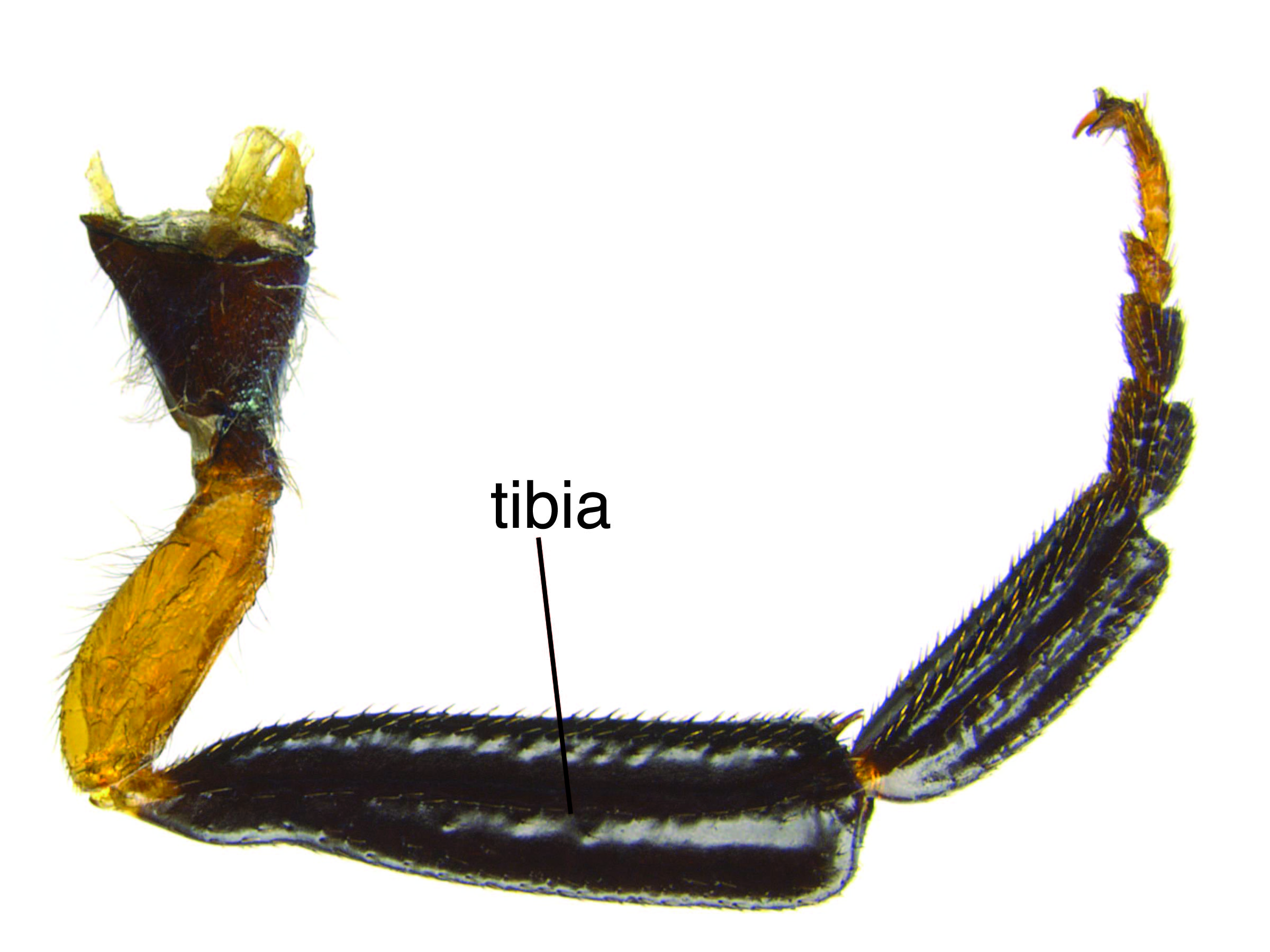
mostly reddish-brown (Schiff et al. 2012Schiff et al. 2012:completely blue-black with metallic reflections (Schiff et al. 2012Schiff et al. 2012: black, sometimes with narrow band of reddish-brown at the basebase:pits about 1–3 diameters apart (Schiff et al. 2012Schiff et al. 2012:pit margins raised creating a net-like pattern (Schiff et al. 2012Schiff et al. 2012:tinted yellow or light brown (Schiff et al. 2012Schiff et al. 2012: black on outer surface (Schiff et al. 2012Schiff et al. 2012:Sirex varipes females can be distinguished from S. abietinus, S. cyaneus and S. nitidus by the dark band on the dorsaldorsal:
of or on the top surface of the body or structure
surface of the hind tibiatibia:
the fourth segment of the leg, between the femur and the tarsus
. Sometimes this characteristic dark band is also present on the fore and mid tibiaetibia:
the fourth segment of the leg, between the femur and the tarsus
(Schiff et al. 2012Schiff et al. 2012:
Schiff NM, Goulet H, Smith DR, Boudreault C, Wilson AD, and Scheffler BE. 2012. Siricidae (Hymenoptera: Symphyta: Siricoidea) of the Western Hemisphere. Canadian Journal of Arthropod Identification 21: 1-305.).
Three females specimens of this species have entirely light-colored hind tibiaetibia:
the fourth segment of the leg, between the femur and the tarsus
. This character appears to be rare (Schiff et al. 2012Schiff et al. 2012:
Schiff NM, Goulet H, Smith DR, Boudreault C, Wilson AD, and Scheffler BE. 2012. Siricidae (Hymenoptera: Symphyta: Siricoidea) of the Western Hemisphere. Canadian Journal of Arthropod Identification 21: 1-305.).
Sirex species feed on trees of Pinaceae and Cupressaceae. Sirex varipes is recorded on species of Pinaceae: Abies amabilis (Pacific silver fir), Abies concolor (white fir), Abies grandis (grand fir), Abies magnifica (red fir), Abies lasiocarpa (subalpine fir), Picea engelmannii (Engelmann spruce), Picea sitchensis (Sitka spruce), Pinus ponderosa (ponderosa pine), Pseudotsuga menziesii (Douglas fir), and Tsuga heterophylla (western hemlock) (Schiff et al. 2012Schiff et al. 2012:
Schiff NM, Goulet H, Smith DR, Boudreault C, Wilson AD, and Scheffler BE. 2012. Siricidae (Hymenoptera: Symphyta: Siricoidea) of the Western Hemisphere. Canadian Journal of Arthropod Identification 21: 1-305.).
Female Sirex harbor symbiotic basidiomycete fungus in abdominal glands called mycangia. During oviposition, the site is inoculated with the fungus, which begins to decompose the surrounding wood. LarvaeLarva:
the immature stage of holometabolous insects
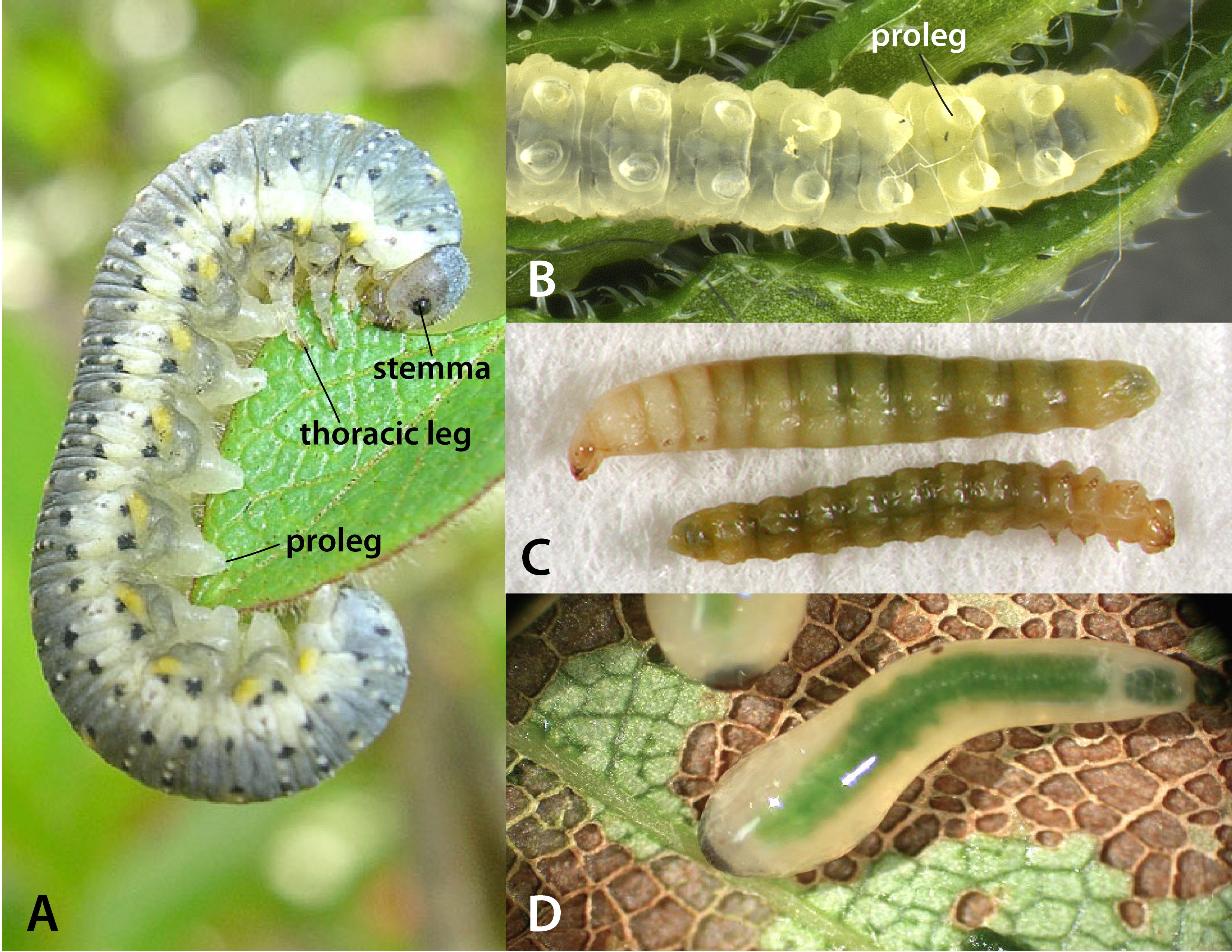 feed on the fungus, and in the process bore galleries through the wood (Johnson 1930Johnson 1930:
Johnson CW. 1930. On the variation and abundance of Sirex nitidus Harris. Psyche 37 (3): 281-282. https://doi.org/10.1155/1930/62786, Schiff et al. 2012Schiff et al. 2012:
Schiff NM, Goulet H, Smith DR, Boudreault C, Wilson AD, and Scheffler BE. 2012. Siricidae (Hymenoptera: Symphyta: Siricoidea) of the Western Hemisphere. Canadian Journal of Arthropod Identification 21: 1-305.).
Larvae are creamy white and grub-like in appearance with a dark head capsule. As with adults, larvaelarva:
the immature stage of holometabolous insects
possess a short dorsaldorsal:
of or on the top surface of the body or structure
horn on the posterior end of the body. The larvaelarva:
the immature stage of holometabolous insects
bore galleries into wood, feeding until pupation and subsequent emergence. Throughout this process, the larvaelarva:
the immature stage of holometabolous insects
use their horn to pack the tunnel behind them with sawdust. Emergence holes are perfectly circular. The fungal symbiont is carried in specialized organs in female larvaelarva:
the immature stage of holometabolous insects
that develop into the mycangia after metamorphosis (Schiff et al. 2012Schiff et al. 2012:
Schiff NM, Goulet H, Smith DR, Boudreault C, Wilson AD, and Scheffler BE. 2012. Siricidae (Hymenoptera: Symphyta: Siricoidea) of the Western Hemisphere. Canadian Journal of Arthropod Identification 21: 1-305.).
The flight period of S. varipes is from early July through early October, with most collections in the months of August and September (Schiff et al. 2012Schiff et al. 2012:
Schiff NM, Goulet H, Smith DR, Boudreault C, Wilson AD, and Scheffler BE. 2012. Siricidae (Hymenoptera: Symphyta: Siricoidea) of the Western Hemisphere. Canadian Journal of Arthropod Identification 21: 1-305.).
World: North America. Interceptions have been made in England and New Zealand (Schiff et al. 2012Schiff et al. 2012:
Schiff NM, Goulet H, Smith DR, Boudreault C, Wilson AD, and Scheffler BE. 2012. Siricidae (Hymenoptera: Symphyta: Siricoidea) of the Western Hemisphere. Canadian Journal of Arthropod Identification 21: 1-305.).
North America: Sirex varipes is recorded west of the Rocky Mountains in British Columbia, Alberta, Montana, Idaho, Washington, Oregon, California, Nevada, and Arizona (Schiff et al. 2012Schiff et al. 2012:
Schiff NM, Goulet H, Smith DR, Boudreault C, Wilson AD, and Scheffler BE. 2012. Siricidae (Hymenoptera: Symphyta: Siricoidea) of the Western Hemisphere. Canadian Journal of Arthropod Identification 21: 1-305.).
Map data from: GBIF.org (26 June 2019) GBIF Occurrence Download Sirex varipes
Details about data used for maps can be found here.
Authors: Q. Baine, C. Looney, S.K. Monckton, D.R. Smith, N.M. Schiff, H. Goulet, A.J. Redford
Content last updated April 2022
idtools.org
tool images at ITP Node


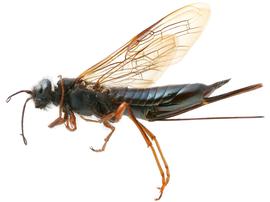
_dorsal_02original.jpg)
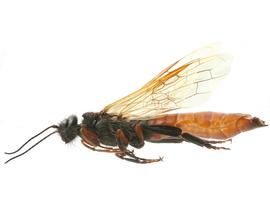

_dorsal_02original.jpg)