t
pseudoscorpions
high
No known importance, but pseudoscorpions are predators capable of achieving high population densities and could be of conservation concern.
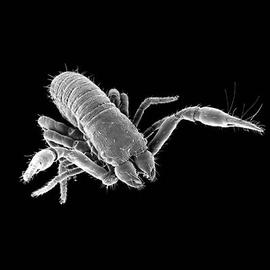
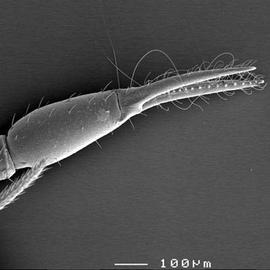
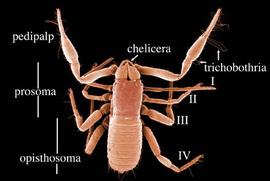
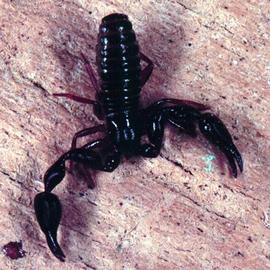
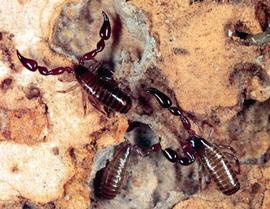
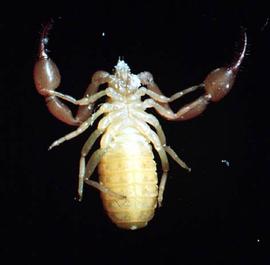
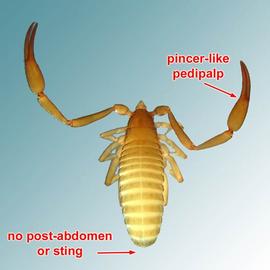
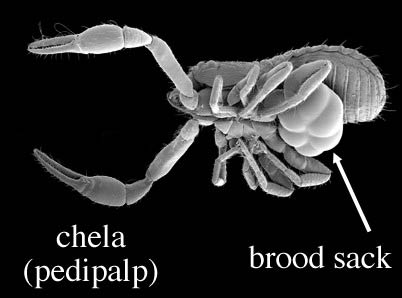
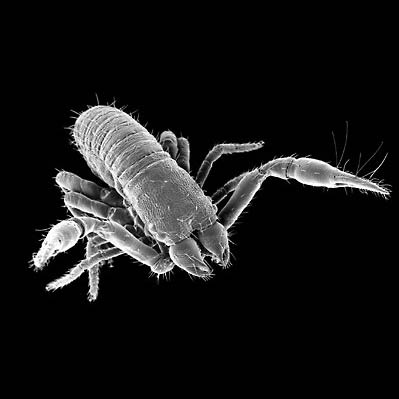
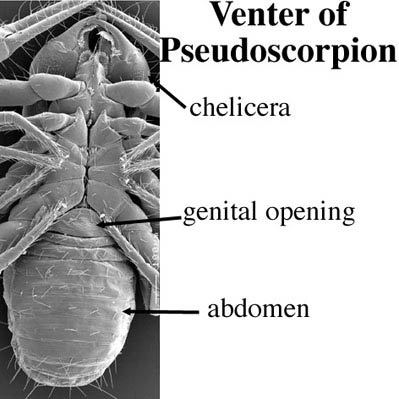
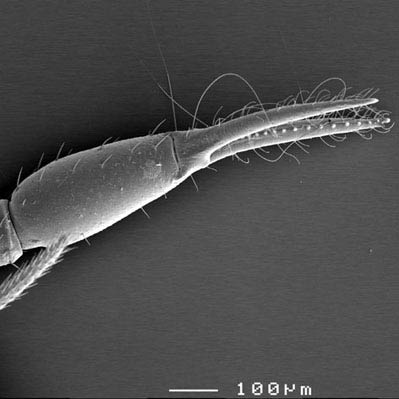
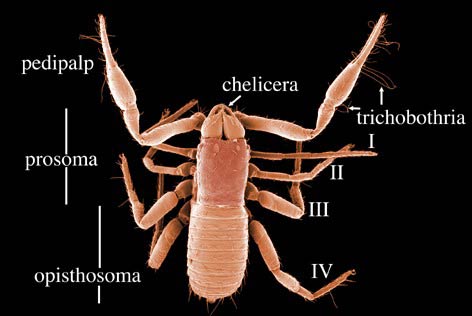
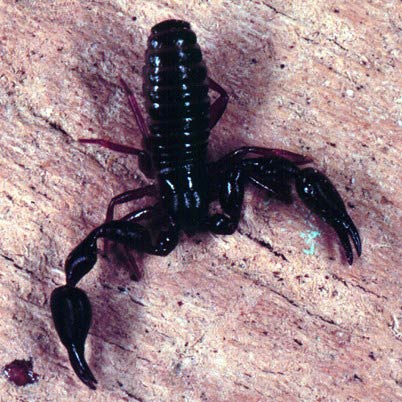
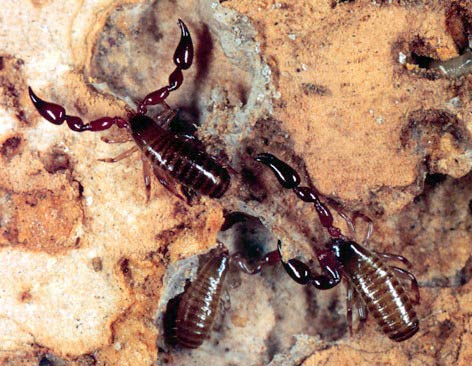
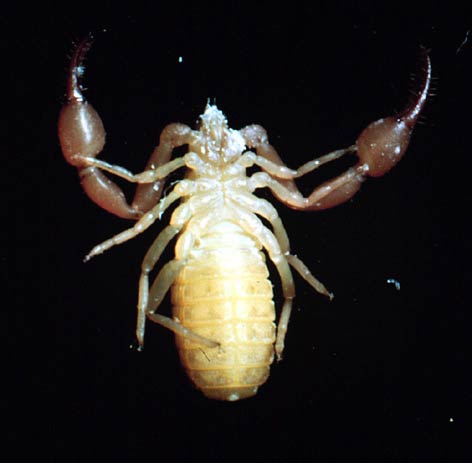
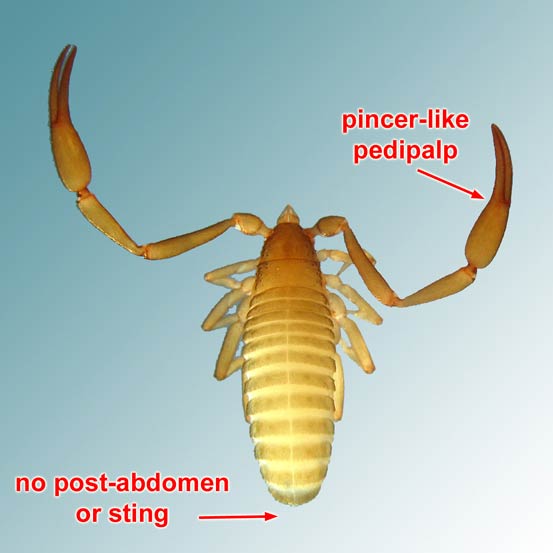
Small size, chelicerae, and mite-like build. Pseudoscorpions range from 0.5–10 mm in length, tend to be dorsoventrally flattened, and are cryptic in coloration. Their scorpion-like pedipalps may be short and massive or elongated into slender forceps. Opisthosomas are clearly segmented.
Normal adult length: <10 mm
Body tagmata: prosoma and opisthosoma broadly fused
Eyes: 0–2 pairs of lateral ocelli
Antennae: absent
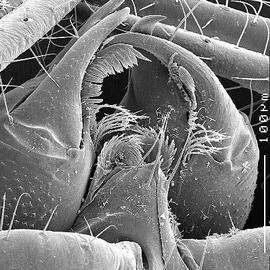
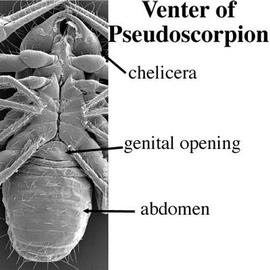
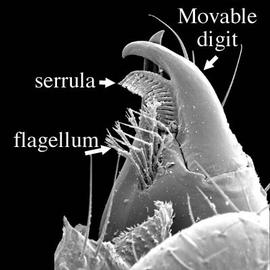
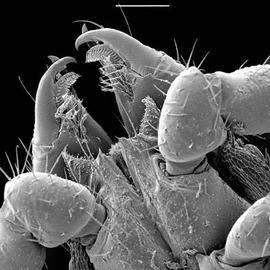
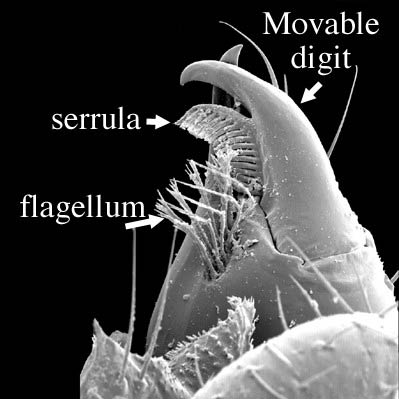
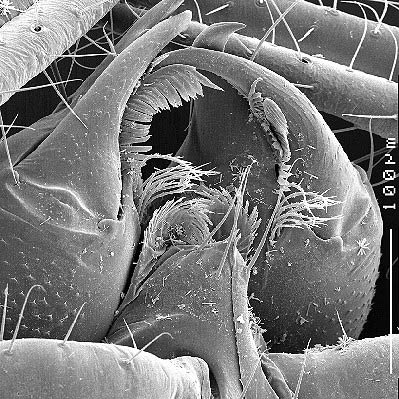
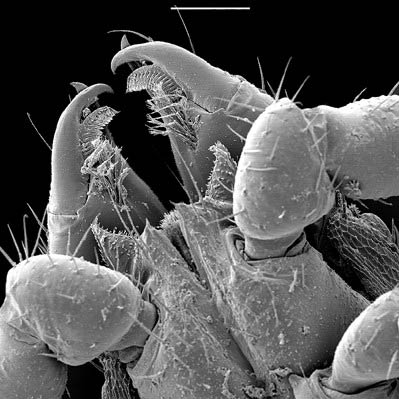
Mouthparts: 2-segmented, pincer-like chelicerae with elaborate structures (serrula and flagellum) on movable digit and usually 1 (rarely 3–4) submedian or subdistal hair; scorpion-like palps
Legs: 4 pairs; all legs used in walking
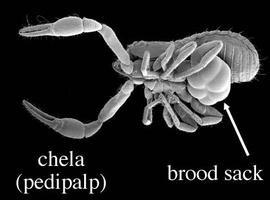
Distinguishing features: scorpion-like pedipalps, ventral embryo sac, serrula & flagellum on cheliceral digit; endocephalothracic silk system leading to pore on movable cheliceral digit
>2,000 spp.
Author: David E. Walter
Content last updated Sept. 2006, unless indicated otherwise
Lucid key player updated Sept. 2025
idtools.org