Acari

Is it a mite?

t

Common names

mites, ticks

Probability of encounter

high

Quarantine importance

Numerous important pests of crops, livestock, wildlife, native flora, and humans.

Similarity to mites

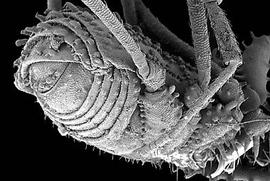
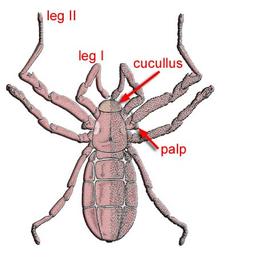
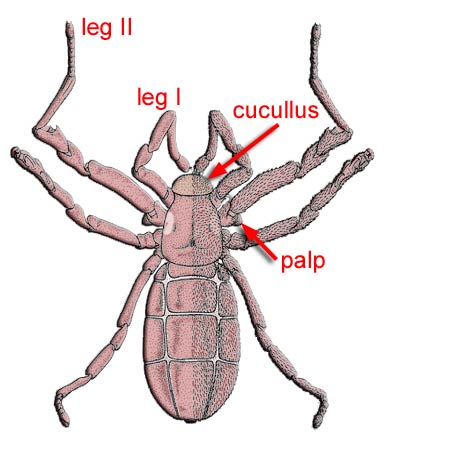
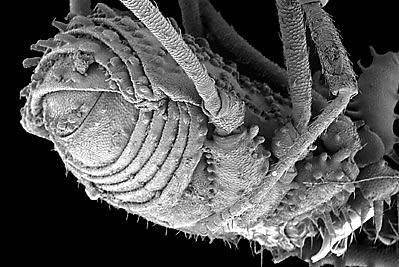
Taxa most similar to mites: Ricinulei have a cucullus and opisthosomal segmentation. Opilionids have opisthosomal segmentation.

Morphology

See the Mite morphology page for details.

Body regions and limbs

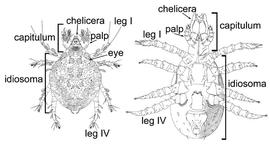
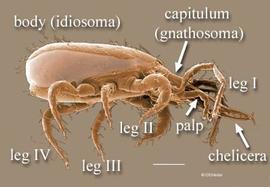
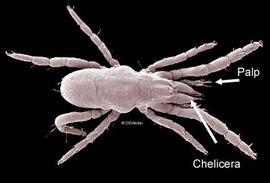
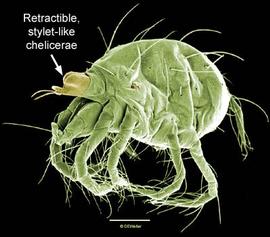
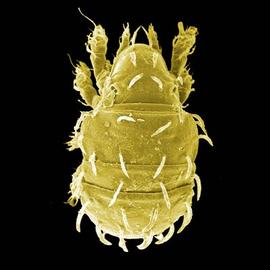
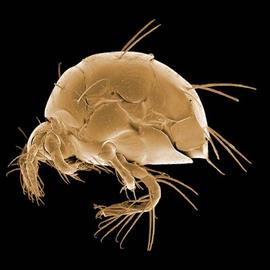
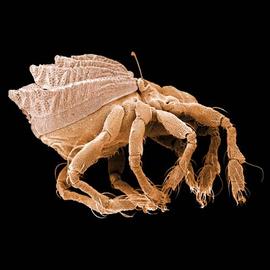
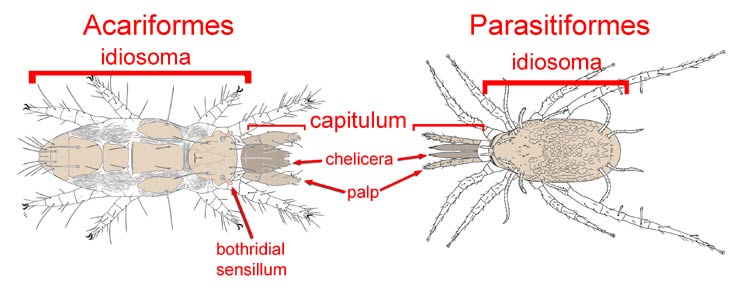
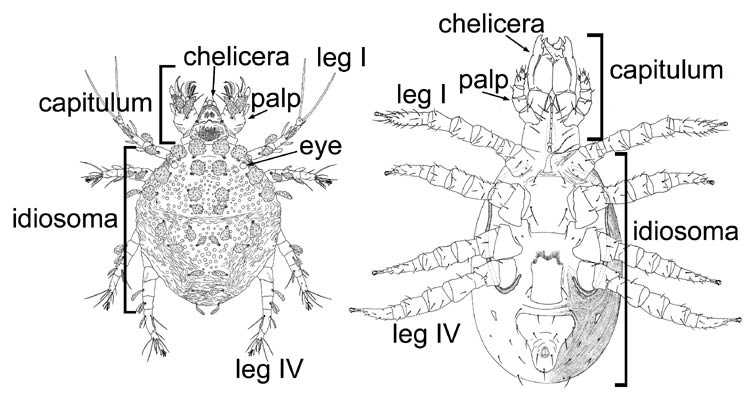
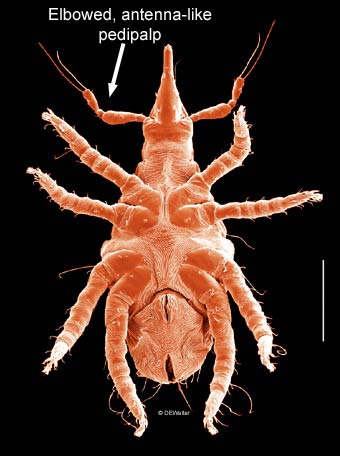
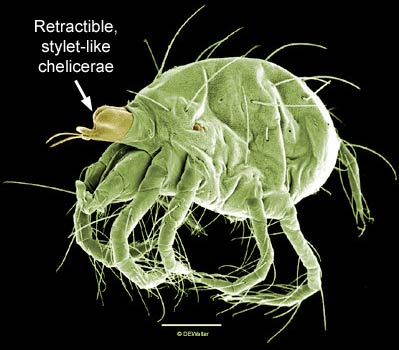
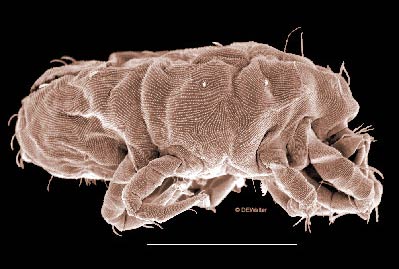
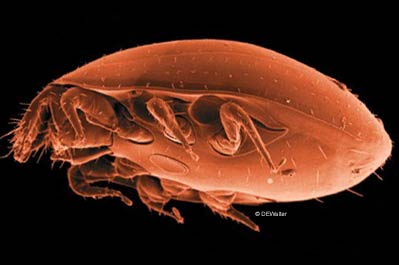
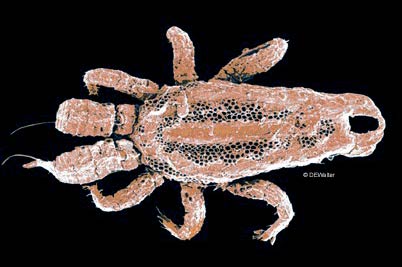
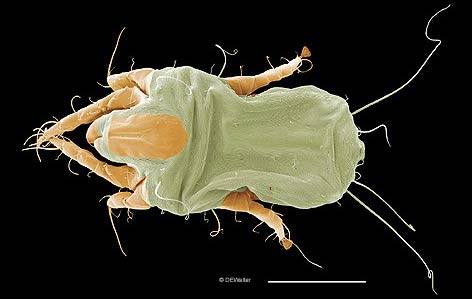
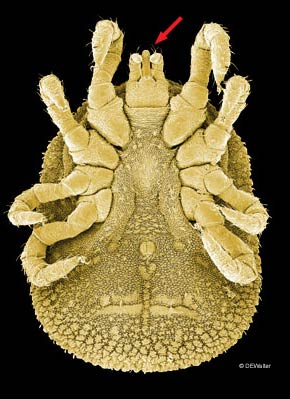
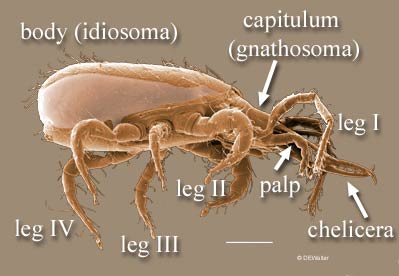
  • Mites have the first two segments (bearing the chelicerae and palps) separated from the body by flexible cuticle. This anterior region is called the capitulum ('little head') or gnathosoma ('jaw body').
  • The remainder of the mite body is called the idiosoma and lacks primary segmentation.
  • Larval mites are usually hexapod (6 legs); nymphs and adults usually octopod (8 legs).

Diversity

2–3 superorders, 5–6 orders, 450–500 families: 55,000 described species, >1,000,000 spp.
References

  • Krantz 1978Krantz 1978:
    Krantz GW. 1978. A manual of acarology [2nd ed.]. Oregon State University Book Stores, Corvallis.
  • Walter and Proctor 1999Walter and Proctor 1999:
    Walter DE, Proctor HC. 1999. Mites: Ecology, evolution and behaviour. University of NSW Press, Sydney and CABI, Wallingford. 494 pp.
  • Walter et al. (Tree of Life Web Project) 1996Walter et al. (Tree of Life Web Project) 1996:
    Walter DE, G Krantz, and E Lindquist. 1996. Acari. The Mites. Version 13 December 1996. The Tree of Life Web Project, http://tolweb.org/

Mite Classification - The Acari: a Taxonomic Framework

Training videos
 
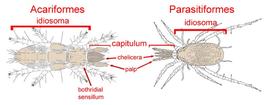
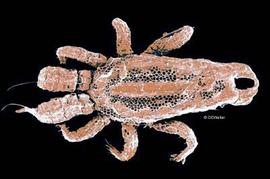
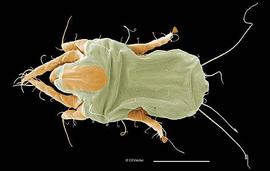
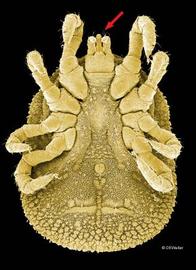
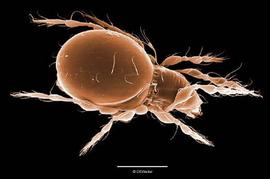
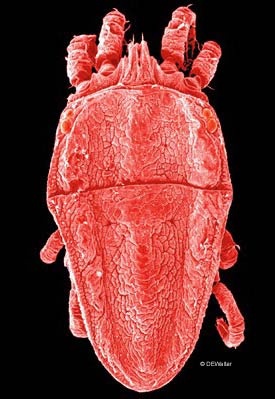
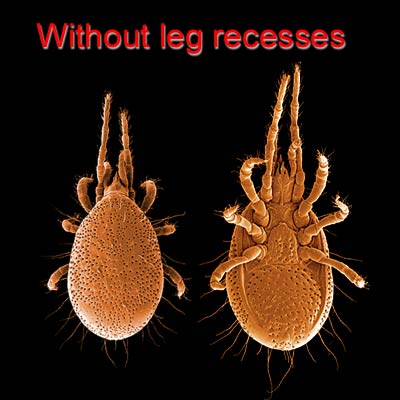
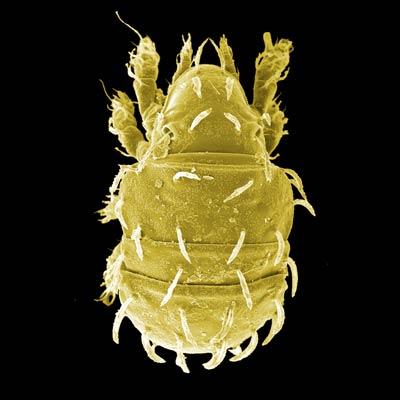
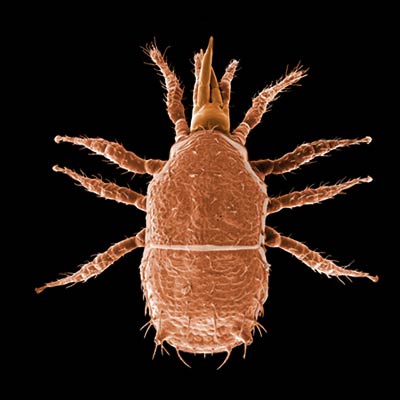
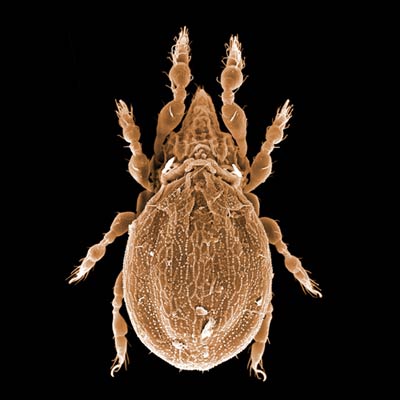
Acariformes and Parasitiformes body types
Dorsal view (left); ventral view (right)
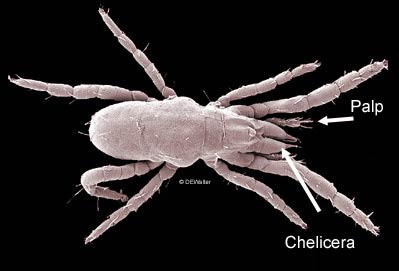
Predatory mesostigmatan (DEW)
Predatory prostigmatan (DEW)
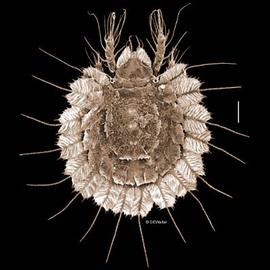
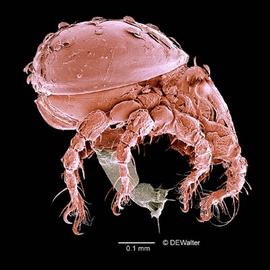
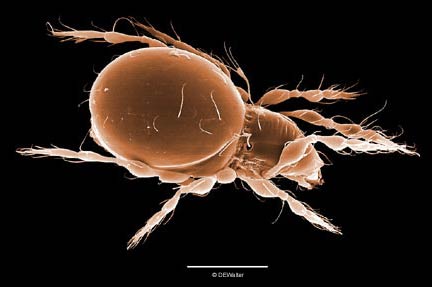
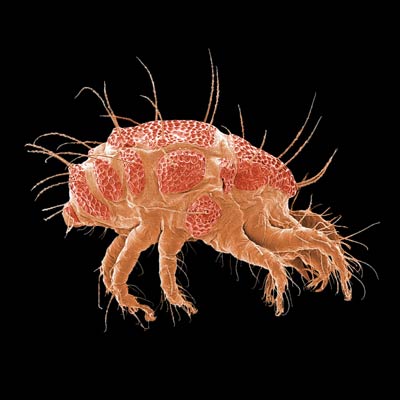
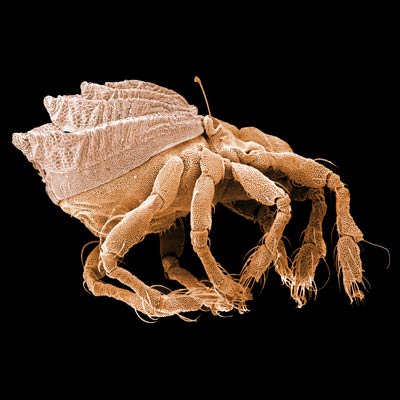
Oribatid nymph carrying scalps (DEW)
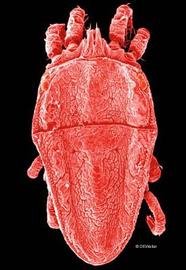
False spider mite (DEW)
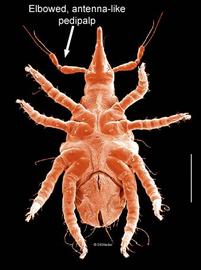
Snout mite (DEW)
Snout mite (DEW)
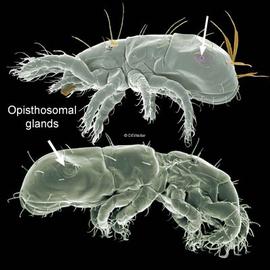
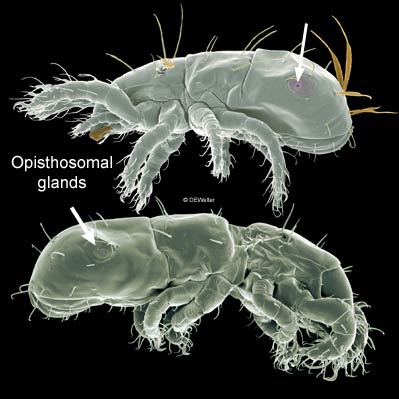
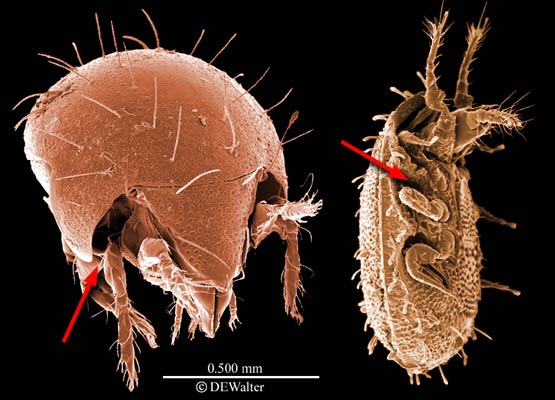
Two oribatid mites with glands (DEW)
Spider mite (DEW)
Spider mite (DEW)
Tydeid mite (DEW)
Tydeid mite (DEW)
Tortoise mite, male uropodine (DEW)
Polyaspidine mite (DEW)
House dust mite (DEW)
Soft tick (DEW)
Soft tick (DEW)
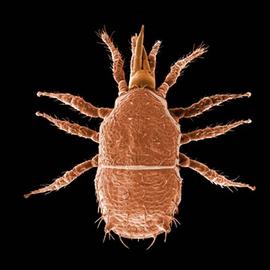
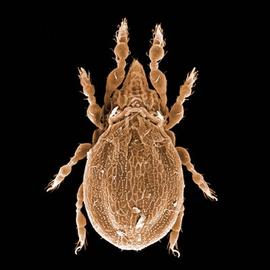
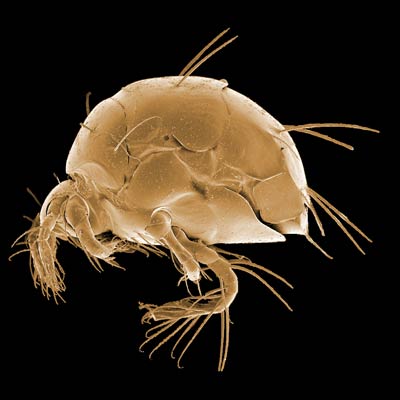
Oribatid mite (DEW)
Oribatid mite (DEW)
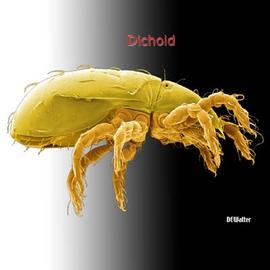
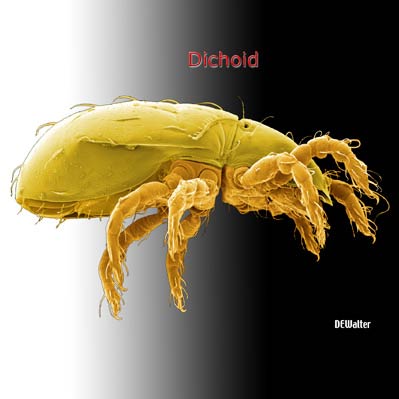
Dichoid oribatid mite (DEW)
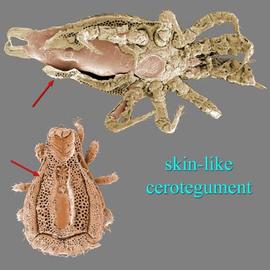
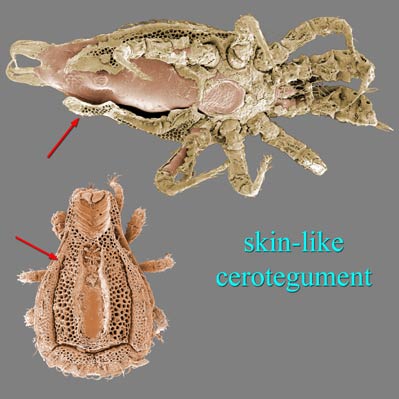
Mesostigmatans with cerotegument (DEW)
Mesostigmatan (DEW)
Mesostigmatan (DEW)
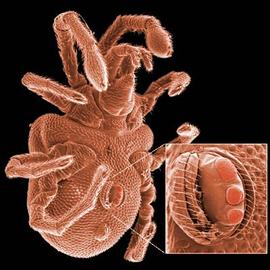
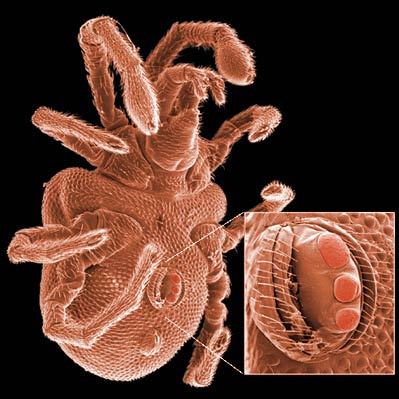
Velvet mite showing genital papillae (DEW)
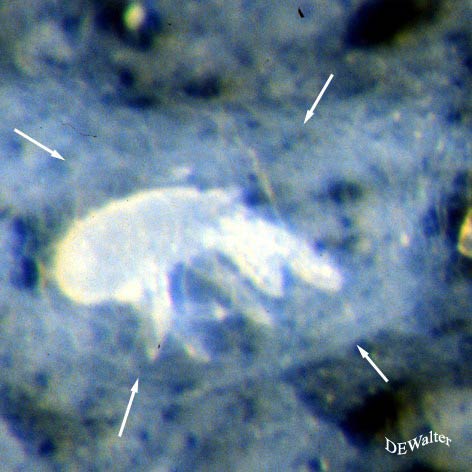
Larval mite in a silken cocoon (DEW)
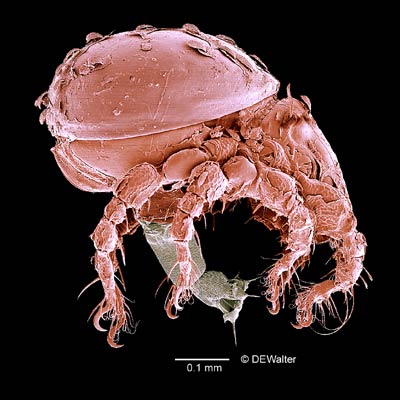
Amored mites, an oribatid and a uropodid (DEW)
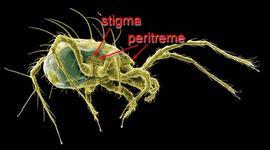
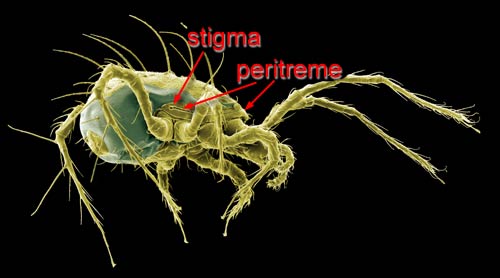
Mesostigmatan showing the peritreme
Stigmaeid mite (DEW)
Brachychthoniid mite (DEW)
Pygmephorid mite (DEW)
Oribatid mite with scalps (DEW)
Oribatid mite with ovipositor (DEW)
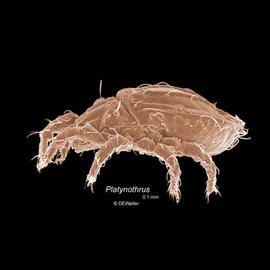
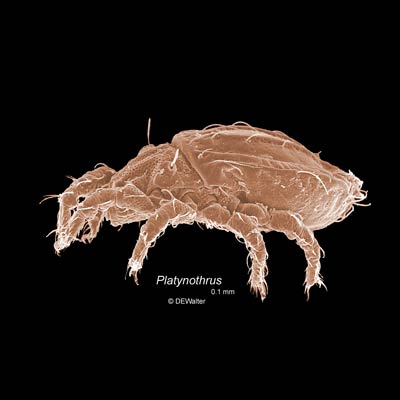
Oribatid mite ( Platynothrus ) (DEW)
Oribatid mite (Platynothrus) (DEW)
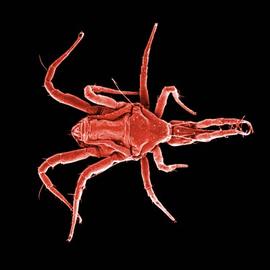
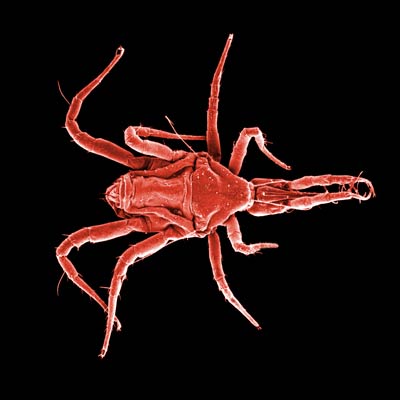
Snout mite (Cunaxidae) (DEW)
Mesostigmatan ( Asca ) (DEW)
Mesostigmatan (Asca) (DEW)
Oribatid (DEW)
Oribatid (DEW)
Opilionid (Opiliones) posterior showing opisthosomal segmentation (DEW)
Cucullus;  Pseudocellus  (Ricinulei) (DEW)
Cucullus; Pseudocellus (Ricinulei) (DEW)